What a Rock Conveyor Belt Is
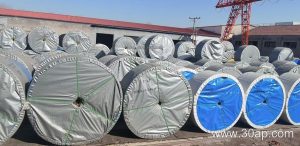
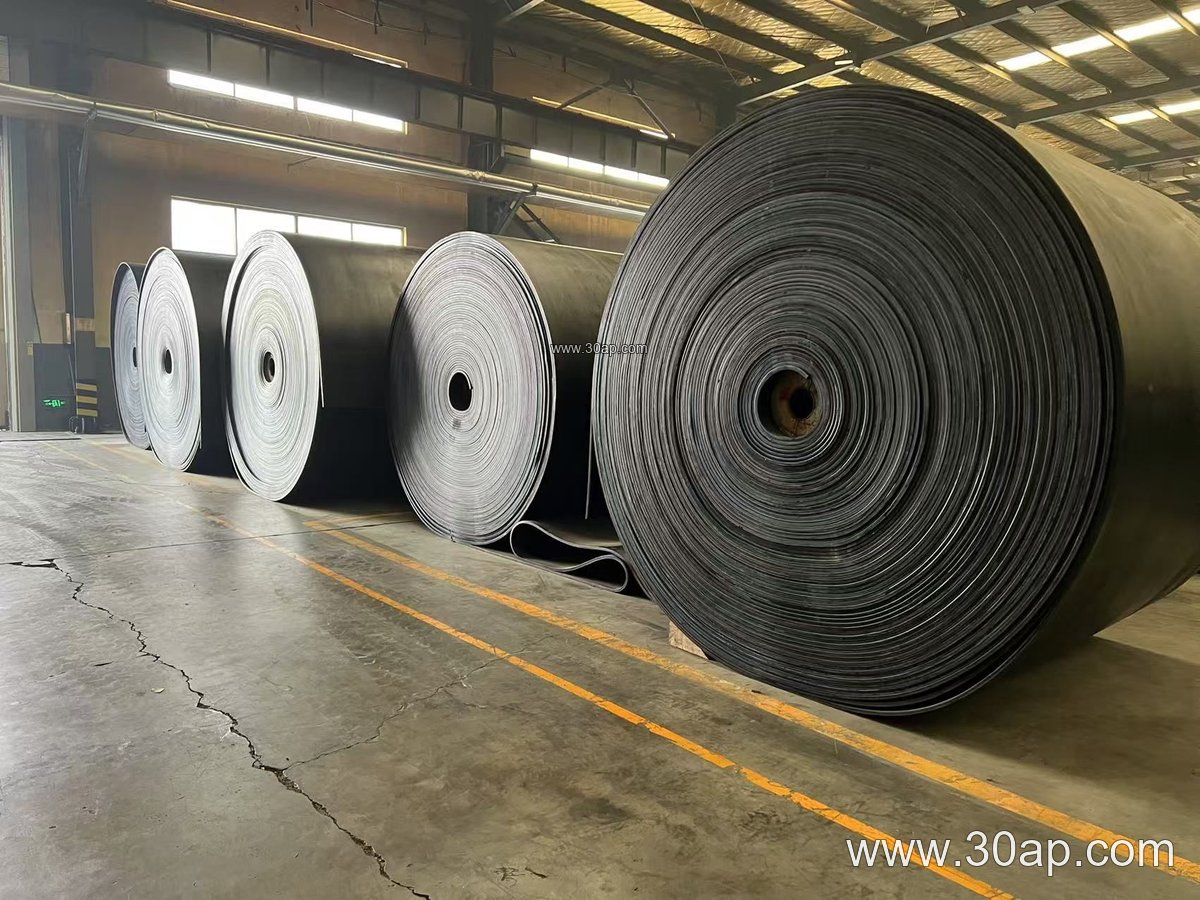
A rock conveyor belt is a heavy-duty rubber belt built to move crushed stone, ore, gravel, and other abrasive bulk material on a continuous conveyor system. It is the carrying surface of a belt conveyor, running over idler rollers and wrapping around the head and tail pulleys of the conveyor frame. In mines, quarries, cement plants, power stations, and sand and gravel yards, this belt is often the hardest-working component in the material handling line.
Because rock is sharp, dense, and sometimes hot or oily, the belt must resist cutting, gouging, and impact at the loading point. A properly specified rock conveyor belt keeps a crushing or screening circuit running, while an undersized belt wears quickly and may fail at the splice or along the edge.
How the Belt Is Built
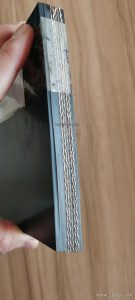
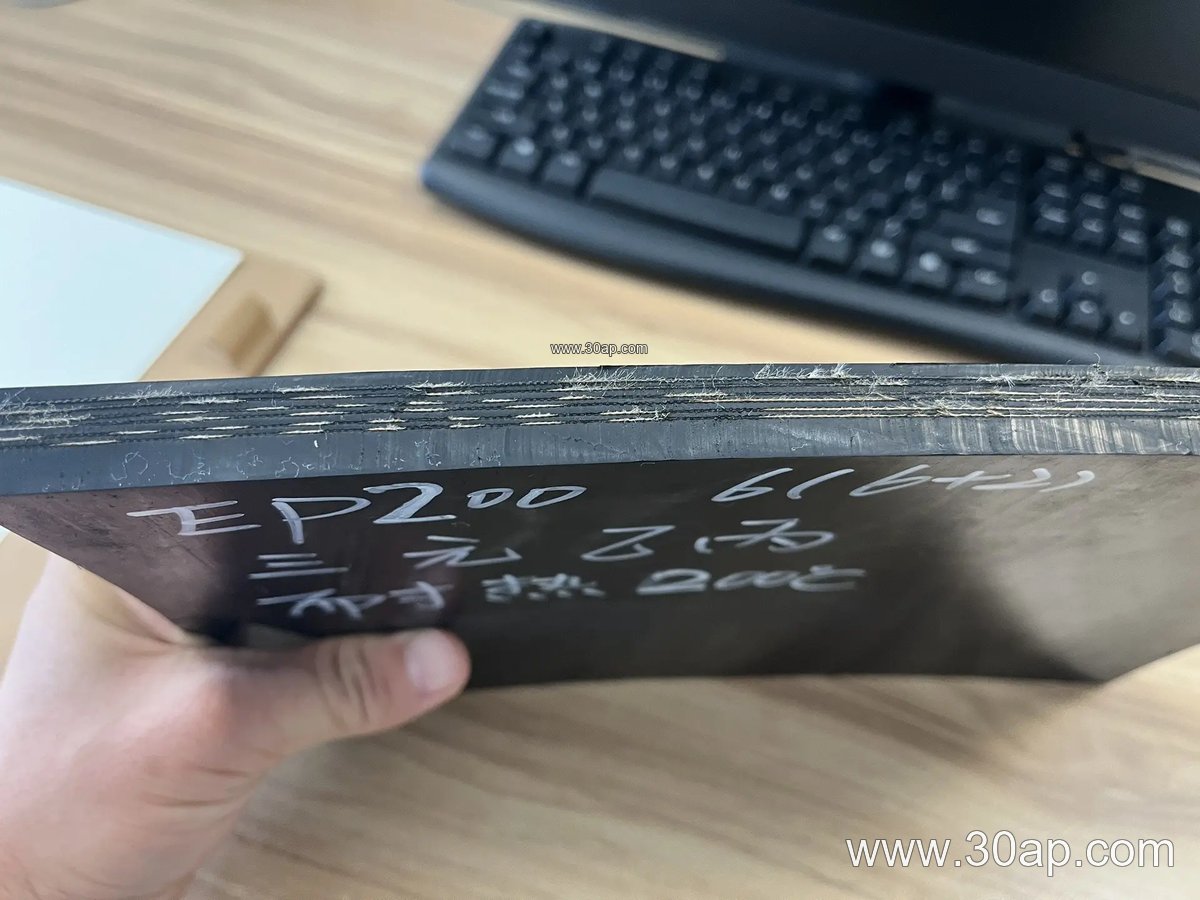
The belt is a composite of a tension-carrying carcass and protective rubber covers. The carcass gives strength and controls elongation; the covers protect the carcass from abrasion, moisture, and impact. Common carcass options include:
- EP conveyor belt with polyester-nylon fabric plies, widely used for general rock and aggregate duty
- NN conveyor belt with nylon-nylon fabric plies, valued for flexibility and impact absorption
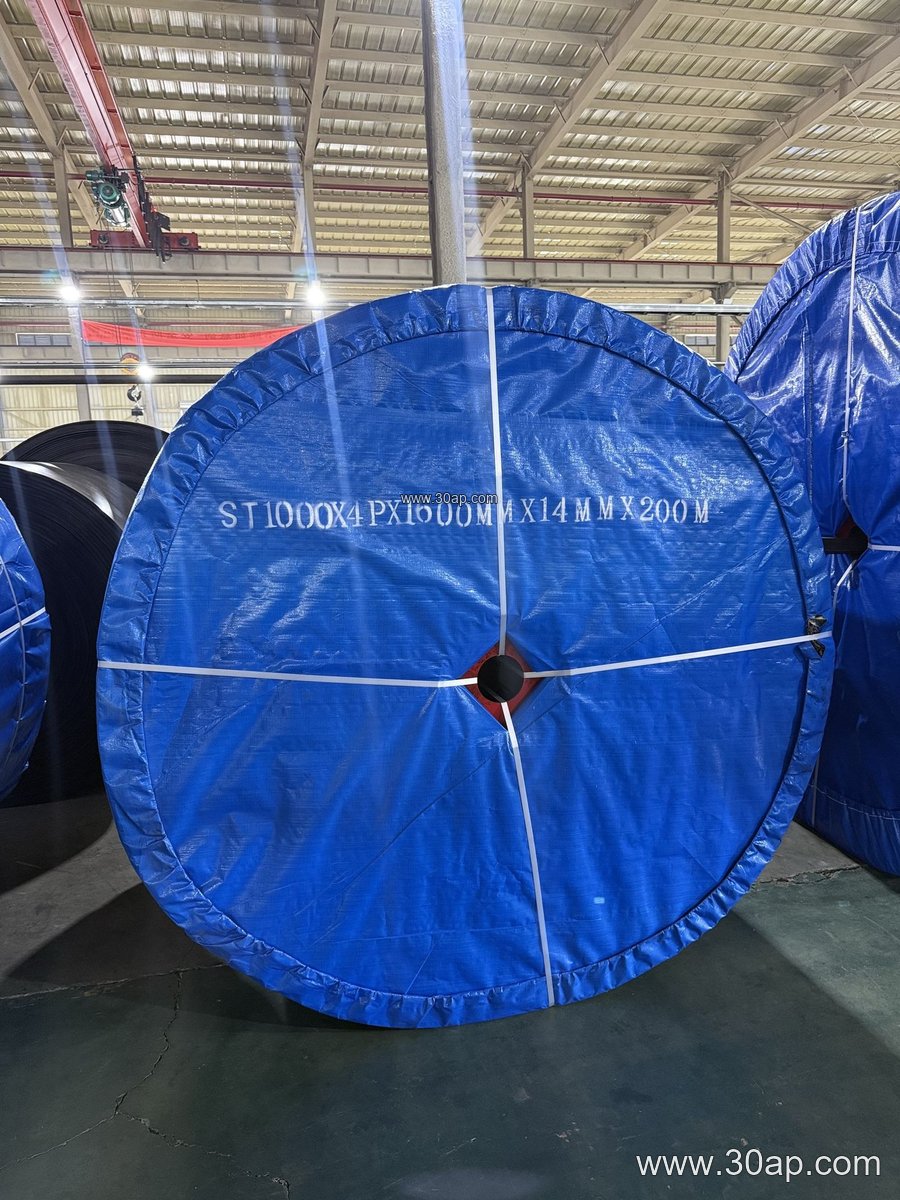
- Steel cord conveyor belt for long, high-tension overland lines and heavy ore transport
- PVC or PVG conveyor belt for underground coal mining where flame resistance is required
Cover compounds are selected for the job: abrasion resistant conveyor belt grades for crushed stone, heat resistant conveyor belt grades for clinker and sinter, oil resistant conveyor belt grades for recycled material, and flame retardant conveyor belt grades for coal handling. An anti-static conveyor belt may also be specified where static buildup is a concern.
Typical Specifications
Rock belts are usually described by carcass type, strength rating, belt width, and cover thickness. The values below are common reference points; actual selection depends on conveyor design, lump size, and operating conditions.
Fabric Core Grades
| Grade | Typical Use |
|---|---|
| EP200 | Light to medium rock duty, short conveyors |
| EP400 | General quarry and aggregate transport |
| EP630 | Heavier crushed stone and ore lines |
| EP1000 | High-tension main haulage belts |
| EP1250 | Demanding primary crushing discharge |
Widths and Covers
| Parameter | Common Reference |
|---|---|
| Belt width | B650, B800, B1000, B1200, B1400, B1600 |
| Cover thickness | 4+2 mm, 5+2 mm, 6+2 mm, 8+3 mm |
| Fabric plies | 2 to 6 layers |
Very wide belts such as 1800 mm or 2000 mm are used on high-capacity main lines, while 650 mm or 800 mm belts suit smaller transfer conveyors. Belt width and pulley diameter are matched by conveyor design, not by a fixed rule.
Where Rock Belts Work
In a quarry conveyor belt system, the belt carries blasted rock from the primary crusher to screening decks. In a coal mining conveyor belt line, flame retardant and anti-static properties matter more than pure abrasion resistance. Cement plants use heat resistant grades after the kiln, while iron ore and copper ore operations often choose steel cord or high-strength EP constructions for long distances. Port and ship loading conveyors handle aggregate at high tonnage, and recycling plants use oil resistant or chevron conveyor belt profiles to stop material from rolling back on inclines.
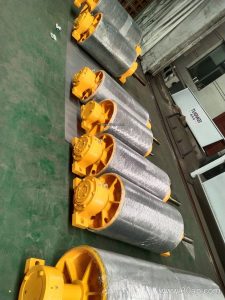
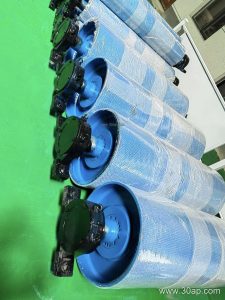
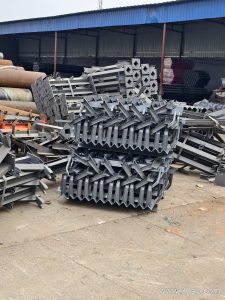
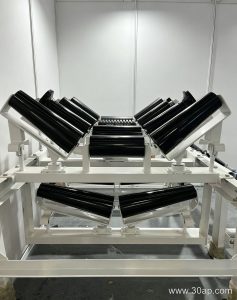
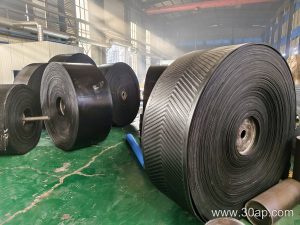
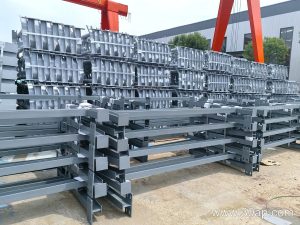
Related components include the idler roller that supports the belt, the conveyor pulley that drives or redirects it, and the conveyor bracket that holds the frame together. A chevron or corrugated sidewall belt may be used on steep inclines, but it is a different belt type from the flat rock belt discussed here.
What Buyers Should Check
- Match the strength grade to the calculated tension, not to the largest number available.
- Confirm cover thickness against lump size and drop height at the transfer point.
- Ask for the correct compound for heat, oil, or flame resistance where relevant.
- Check belt width against the existing conveyor frame and pulley face.
- Review splice method and edge condition, since most failures start at the joint or edge.
- Keep spare idler rollers and a spare pulley on hand to reduce downtime.
For more information on belt, idler, and pulley selection, visit sbelt.com and review the rock conveyor belt options before ordering.