What Idler Processing Covers
Idler processing is the work of turning a conveyor idler roller from raw materials into a balanced, sealed, and reliably rotating component. It sits between the design office and the maintenance team, and it has a direct effect on how smoothly a conveyor belt runs. In a quarry, a cement plant, or a coal handling system, the idler roller is the part that supports the belt and the material load while allowing the belt to move with as little friction as possible. Processing is not just assembly; it includes tube preparation, bearing fitting, sealing, lubrication, and final inspection before the idler is matched with a conveyor bracket and installed on the conveyor frame.
The keyword also covers the practical decisions made during production, such as which roller diameter suits the belt width, how the shell surface should be finished, and how the bearing housing is protected from dust and water. Good idler processing is quiet and repeatable, and it shows up later as fewer belt tracking problems and longer service intervals.
How an Idler Roller Is Built
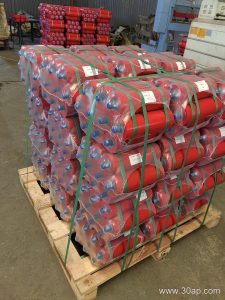
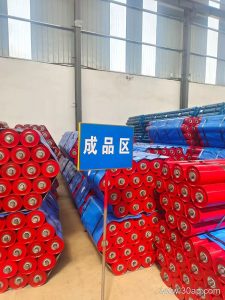
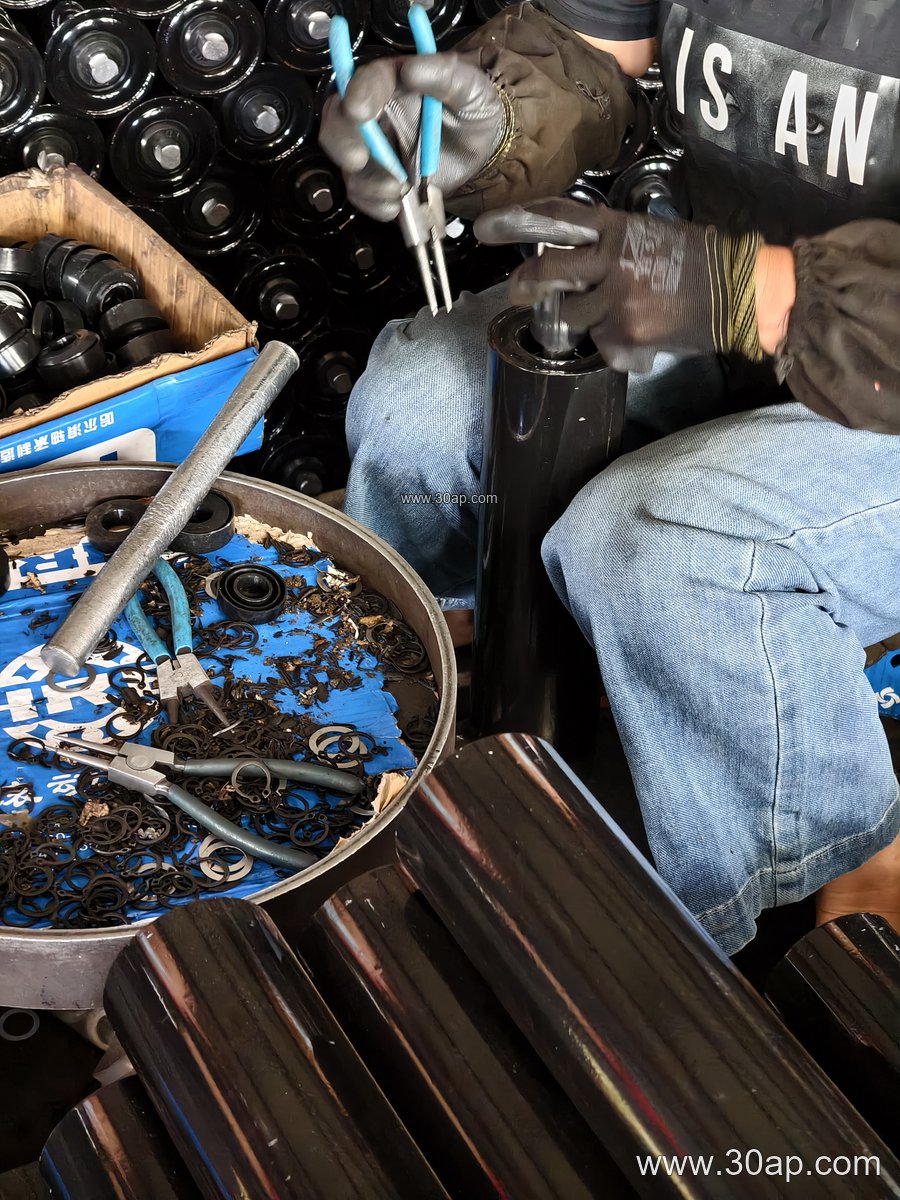
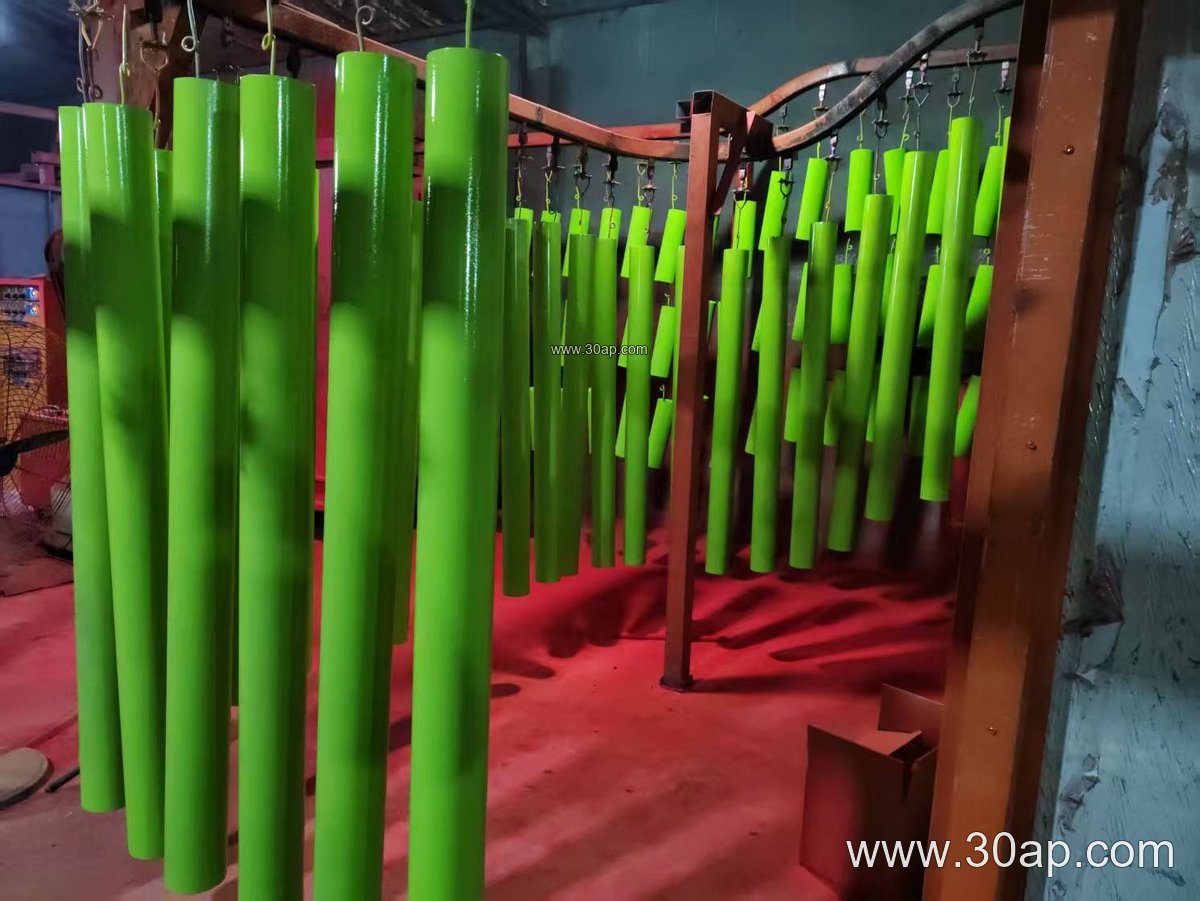
A typical idler roller starts with a steel tube cut to the required roller length. The tube ends are machined to accept bearing housings, and the shaft is prepared with the correct shoulder and tolerance. Bearings are pressed into place, usually with a light interference fit, and the seal arrangement is fitted before grease is added. The finished roller is then checked for runout, rotational resistance, and axial play. Surface form depends on the duty: a plain steel shell is common for general carrying idlers, while rubber rings may be added for impact absorption, and ceramic or nylon covers may be chosen where wear or material build-up is a concern.
Bearing selection is part of processing, not an afterthought. Common bearing numbers include 6204, 6205, 6305, 6306, 6308, and 6310, and the choice should follow the load, speed, and sealing design rather than being fixed to one roller diameter. Lubrication must be clean and measured; too much grease can increase drag, while too little shortens bearing life.
Where Idler Processing Matters
The results of good idler processing are easiest to see in bulk material handling. In a limestone quarry or a sand and aggregate line, carrying idlers support a heavy conveyor belt loaded with crushed rock, and return idlers keep the belt from sagging on the return run. In a coal handling system at a power plant or a coal preparation plant, flame retardant and anti-static properties of the belt are important, and the idlers must tolerate fine dust and occasional moisture. In a cement plant, the combination of abrasive clinker dust and high material load puts a premium on sealed bearings and wear-resistant roller surfaces.
Idler processing also affects belt tracking. A misaligned or poorly balanced idler can cause the conveyor belt to drift, which leads to edge damage and spillage. That is why processing checks for squareness of the shaft and uniformity of the roller length are worth the time.
Common Idler Types and Their Processing Focus
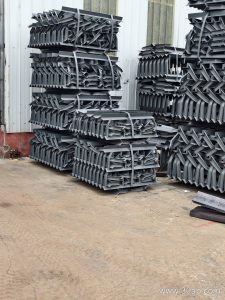
Different idler types call for different processing attention. A troughing idler set, often made as a three-roll arrangement with 20, 30, 35, or 45 degree trough angles, needs consistent roll lengths and smooth rotation so the belt forms a stable trough. Transition idlers are placed near pulleys to ease the belt from flat to troughed, and they benefit from careful alignment during processing. Impact idlers and rubber ring impact idlers are built with resilient surfaces to absorb the energy of falling material at transfer points. Return idlers, including flat return and V-return designs, are processed with an eye on sealing because they often sit in dustier, less accessible positions.
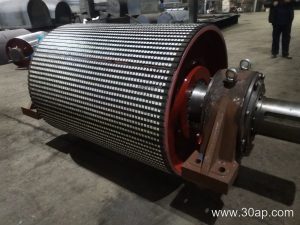
Self-aligning idlers, such as friction self-aligning and conical self-aligning types, add a training function, so their processing must ensure free rotation of the training mechanism without excessive play. Spiral idlers are used where sticky material tends to build up on the roller surface, and comb idlers are chosen for similar reasons. In all cases, the idler roller is the main product; the conveyor pulley, drive pulley, tail pulley, and bend pulley are separate components with different design and processing requirements, and they should not be treated as interchangeable with idlers.
Dimensions and Selection Notes
Idler processing is closely tied to belt width and roller diameter. The table below gives common reference values; actual roller length and shaft size should be confirmed by the conveyor design, because the roll length also changes with trough angle and idler set form.
| Belt width | Common roller diameter range | Typical three-roll troughing roll length (example) |
|---|---|---|
| B500 | Ø63 to Ø89 | about 200 mm |
| B650 | Ø76 to Ø102 | about 250 mm |
| B800 | Ø89 to Ø108 | about 315 mm |
| B1000 | Ø102 to Ø133 | about 380 mm |
| B1200 | Ø108 to Ø159 | about 465 mm |
| B1400 | Ø127 to Ø178 | about 530 mm |
| B1600 | Ø133 to Ø194 | about 600 mm |
| B1800 | Ø159 to Ø219 | about 670 mm |
These are common examples, not fixed pairings. A wider belt does not automatically dictate one shaft diameter, and the side rolls of a troughing set may differ from the center roll. Buyers should ask for the roller length, shaft end type, bearing number, seal type, and surface finish together, because these details determine whether the idler will fit the conveyor bracket and run quietly.
What Buyers Should Check
When sourcing processed idlers, look beyond the catalog number. Confirm the roller diameter and length against the conveyor frame, check that the bearing and seal arrangement suits the environment, and ask how the idler is balanced and lubricated. For dusty or wet conditions, sealed-for-life designs are often preferred, while high-load transfer points may call for impact idlers with rubber rings. Also confirm that the idler processing includes a runout check and a rotation test, since these are simple indicators of build quality.
Finally, keep the conveyor belt in mind. A heavy-duty mining conveyor belt or a heat resistant conveyor belt may require idlers with specific clearance and surface properties, and the idler spacing should follow the belt sag limits set by the conveyor designer. Idler processing is a small part of the total conveyor cost, but it has a large influence on reliability in quarries, power plants, cement works, and port bulk handling.