What an Anti-Impact Idler Does at the Loading Zone
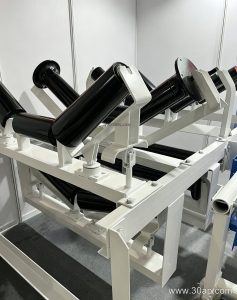
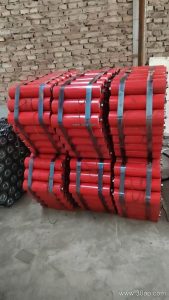
An anti-impact idler is a heavy-duty idler roller placed where material first lands on the conveyor belt. Instead of a rigid steel shell, it carries rubber rings or a rubber-covered surface that absorbs the shock of falling rock, ore, or aggregate. This protects both the belt cover and the idler frame from premature wear and damage. In a quarry conveyor belt line or a coal mining conveyor belt system, the loading point is the harshest spot on the whole run, and the anti-impact idler is the component designed to take that punishment.
The same product is also called an impact idler or shock-absorbing idler. It belongs to the buffer idler family, and its most common form is the rubber ring buffer idler. These names describe the same role: cushioning the belt at the transfer chute without changing the basic idler function.
How the Buffer Idler Is Built
A typical anti-impact idler uses a steel tube core fitted with a series of thick rubber rings, or a continuous rubber sleeve, mounted on a shaft with sealed bearings. The rubber rings are spaced to flex under load, spreading the impact energy rather than concentrating it on one spot. Bearing sizes vary with the idler diameter and load rating; common options include 6205, 6305, 6306, and 6308, but no single bearing is tied to one roller diameter. The roller surface may be plain rubber, abrasion resistant rubber, or a combination that suits the material being handled.
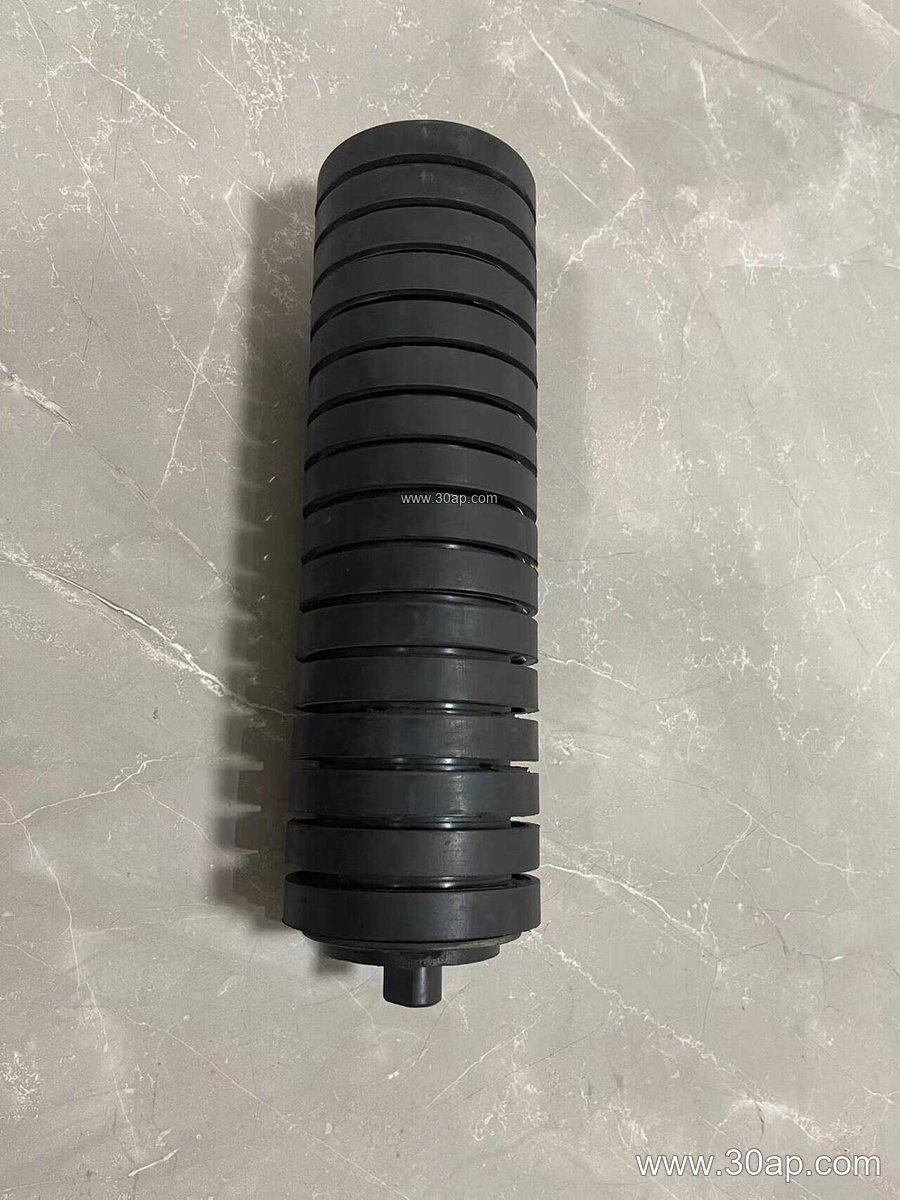
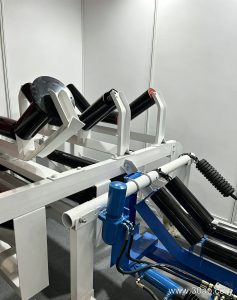
Because the anti-impact idler sits in the same frame as standard carrying idlers, it usually matches the same roller diameter and belt width as the rest of the troughing set. A three-roll troughing arrangement with 35-degree trough angle is common at loading points, but the exact roll length depends on belt width, trough angle, and frame design. For example, a B1000 belt in a three-roll trough might use a center roll around 380 mm long, while a B1200 belt might use about 465 mm. These are typical reference figures, not fixed rules.
Where It Fits in the Conveyor Line
The anti-impact idler is normally installed directly under the loading chute, often as a group of two to five idlers in sequence. This is the same position where a standard troughing idler would sit, but the rubber-ring version is chosen when lump size or drop height is significant. In a limestone mine, a cement plant, or a power plant coal yard, the transfer point from crusher to belt or from belt to belt is where impact damage concentrates. A single heavy lump can dent a steel idler shell or crack a belt cover; the buffer idler absorbs that energy.
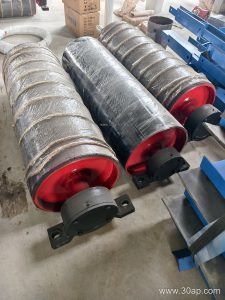
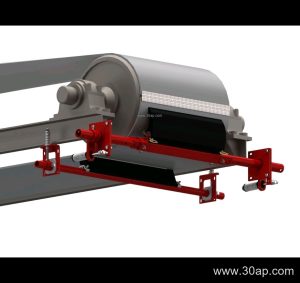
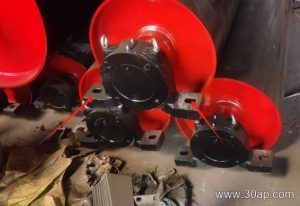
It is important to distinguish the anti-impact idler from the pulleys at each end of the conveyor. The drive pulley, tail pulley, and bend pulley are not interchangeable with idlers, and an anti-impact idler does not replace any of them. It is a carrying idler with a cushioning surface, not a drive component. Likewise, a return idler or a training idler serves a different purpose and should not be substituted at the loading point.
Practical Selection Notes for Buyers
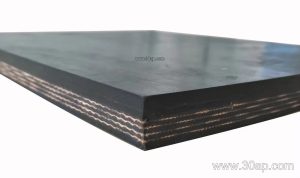
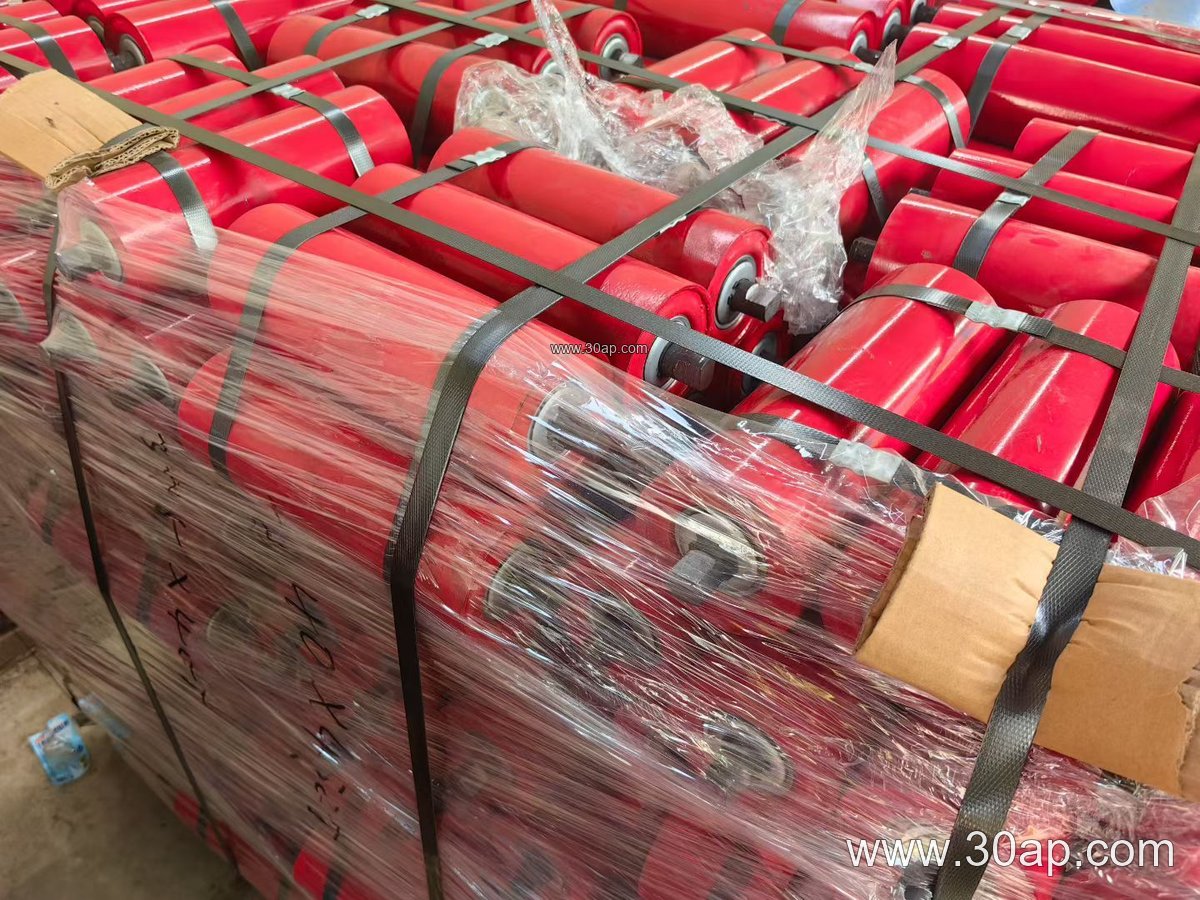
When specifying an anti-impact idler, the first questions are belt width, material lump size, and drop height. A conveyor handling large run-of-mine ore needs thicker rubber rings and a heavier shaft than one moving screened aggregate. The belt itself matters too: a heavy-duty mining conveyor belt or a high abrasion resistant conveyor belt can tolerate more impact than a thin general-purpose belt, but the idler still determines how much shock reaches the carcass.
Roller diameter is another decision point. Common idler diameters range from 89 mm to 159 mm for buffer applications, with larger diameters offering more rubber volume and bearing capacity. The idler should match the frame bracket height so the belt line stays consistent. Conveyor brackets and frames are usually designed around a standard roller diameter, so changing diameter at one point can affect belt support.
Finally, consider the environment. In a coal mining conveyor belt system, flame retardant and anti-static properties may be required for the belt, and the idler rubber should be compatible with the same environment. In a port or ship loading conveyor belt application, salt and moisture make sealed bearings important. The anti-impact idler is a small component, but at the loading zone it is often the difference between a belt that lasts and one that fails early.
- Check belt width and trough angle before choosing roll length.
- Match idler diameter to the existing frame and bracket height.
- Specify rubber ring thickness based on lump size and drop height.
- Confirm bearing seal type for dusty or wet conditions.