What a Rubber Impact Idler Does at the Load Point
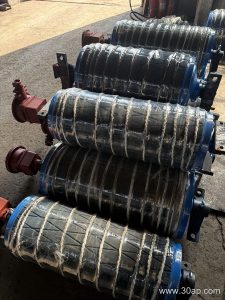
A rubber impact idler is a conveyor idler roller built with rubber rings or a rubber-covered shell and installed where material falls onto the belt. Its job is not to carry the full length of the conveyor, but to absorb the energy of falling rock, ore, clinker or aggregate at transfer points. In a quarry, a limestone mine, a coal washing plant or a cement plant, the first few metres after the chute are where a standard steel roller can dent, seize or wear through quickly. The rubber impact idler softens that contact, protects the conveyor belt and keeps the load point running smoothly.
The same product is also called a rubber-ring impact roller or rubber-disc impact idler. These names describe the same item; they are not different machine parts. The rubber rings are the defining feature, and they are what separate this roller from a plain carrying idler.
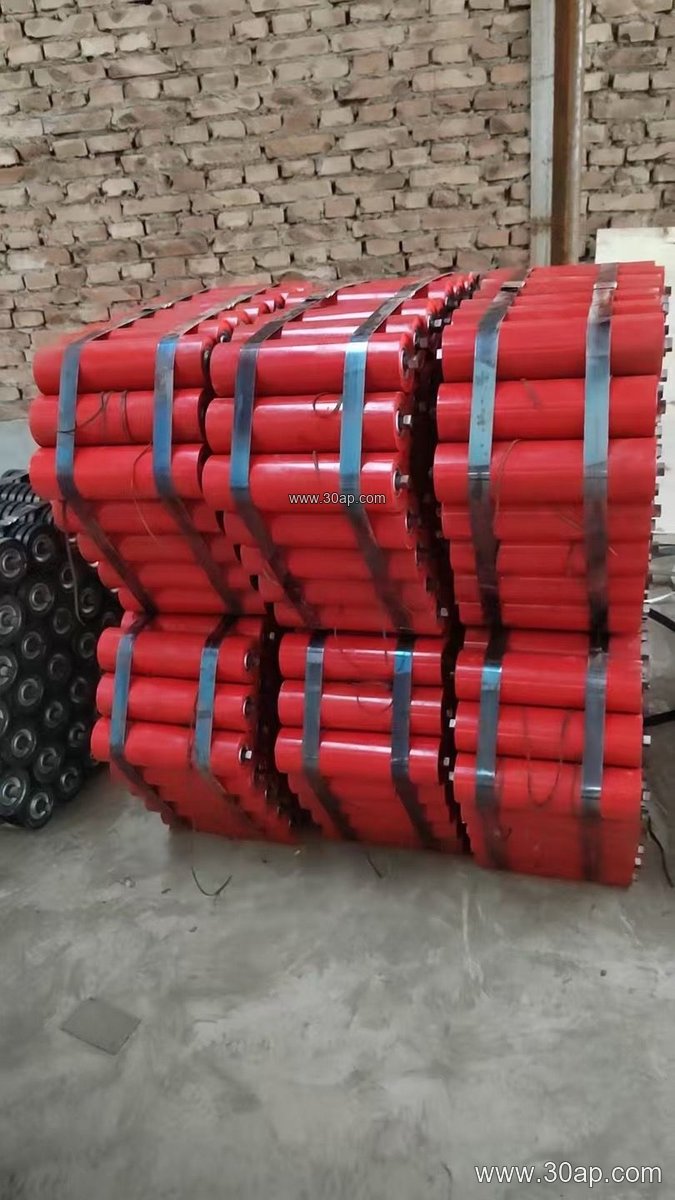
How the Roller Is Built
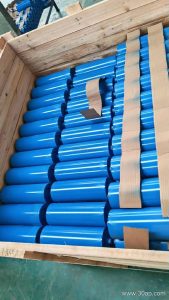
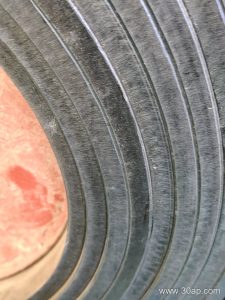
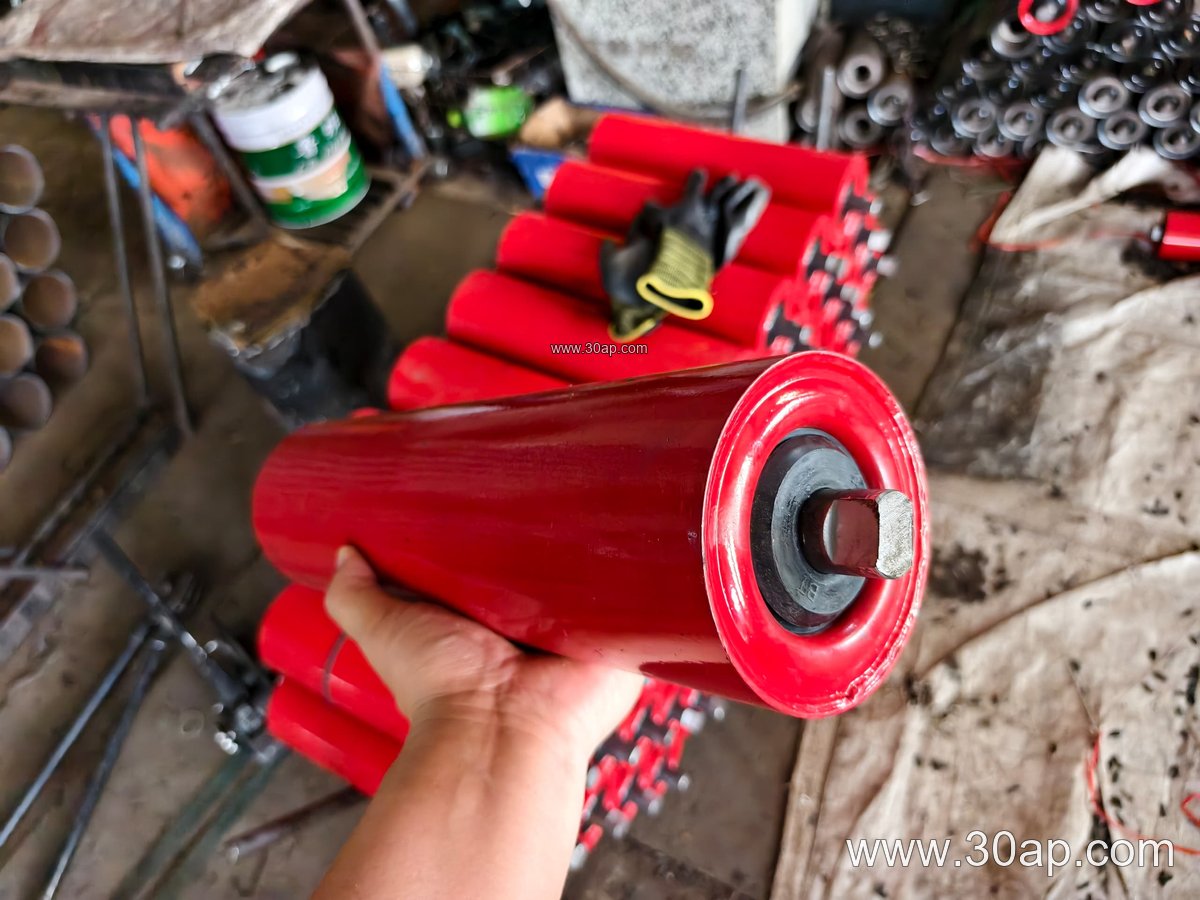
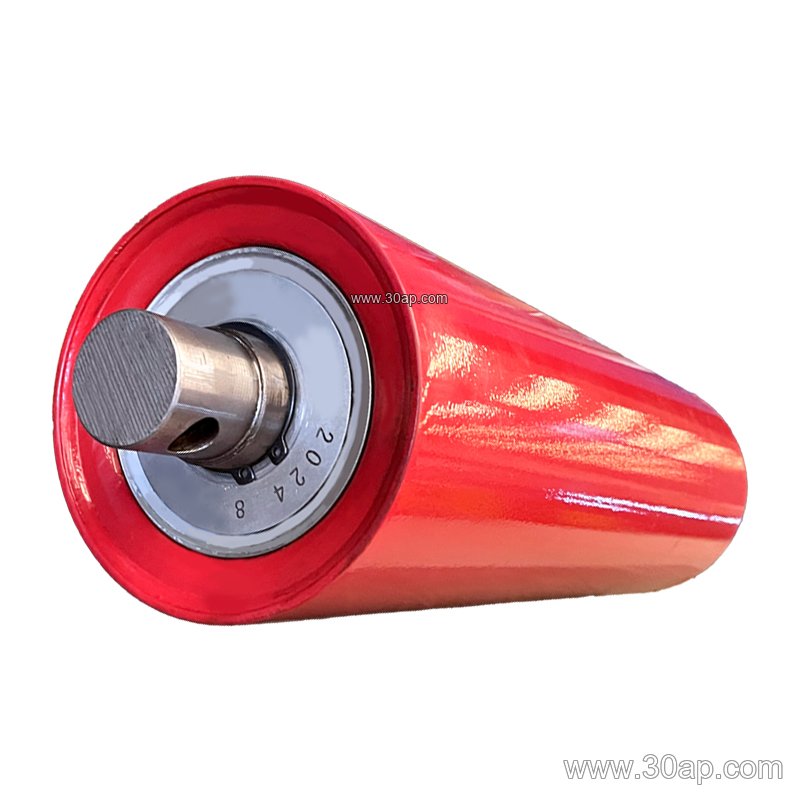
A typical unit combines a steel shaft, bearing housings, sealed bearings and a set of thick rubber rings or discs mounted on the shell. The rubber acts as a cushion, so the impact is spread over a wider area instead of being concentrated on a small spot of the belt. Common bearing sizes include 6205, 6305, 6306 and 6308, but the bearing is selected from the load and shaft design, not from belt width alone.
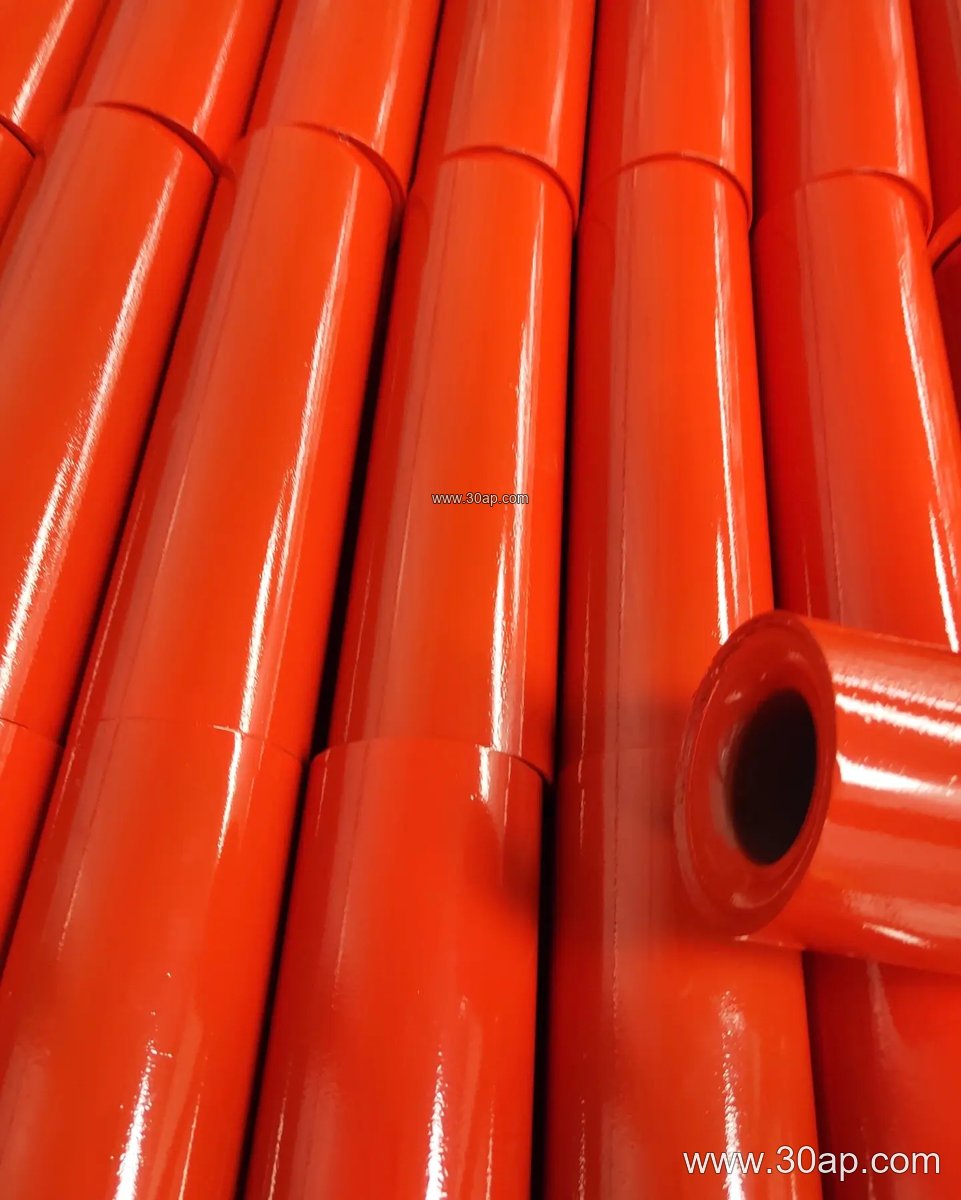
Rubber hardness and ring thickness matter as much as the steel parts. Softer rings absorb more shock; harder rings resist abrasion better. Buyers should ask how the rings are fixed, how the bearing is sealed, and whether the shaft end fits the existing conveyor bracket.
Where It Fits on the Conveyor
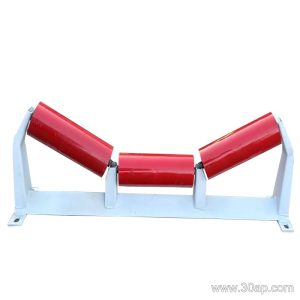
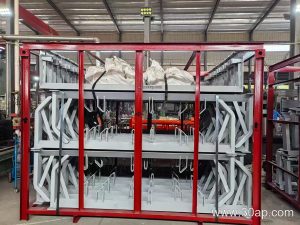
Impact idlers usually sit in the loading zone under the chute, often as part of a three-roll troughing set or a short impact bed. They are common in sand and gravel lines, crushing and screening circuits, iron ore and copper ore handling, power plant coal conveying, and port bulk terminals. They also appear on transfer points feeding a Rubber Conveyor Belt or a heavy-duty EP Conveyor Belt where lump size is large.
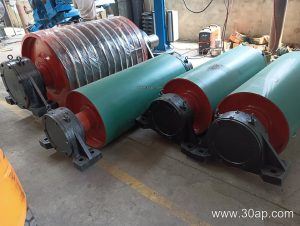
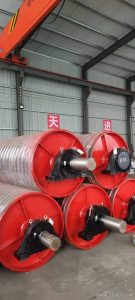
In the same plant, a conveyor pulley at the drive or tail end does a completely different job, and a bend pulley changes belt direction. Those parts are not alternatives to an impact idler. A troughing idler, a return roller and a rubber impact roller each serve a separate position on the conveyor.
Common Sizes and Configuration Notes
The table below gives typical reference values. Actual roller length depends on belt width, trough angle and the roll arrangement; side rolls and centre rolls can differ. These are examples, not fixed matches.
| Item | Common Reference |
|---|---|
| Roller diameter | Ø89, Ø102, Ø108, Ø127, Ø133, Ø159, Ø178 mm |
| Belt width | B500, B650, B800, B1000, B1200, B1400, B1600 mm |
| Trough angle | 20°, 30°, 35°, 45° |
| Roll set | single roll, two-roll, three-roll troughing |
| Roller surface | rubber ring, rubber disc |
| Bearing | 6204, 6205, 6305, 6306, 6308, 6310 |
| Typical roller length at B800 | about 315 mm for a three-roll set |
| Typical roller length at B1200 | about 465 mm for a three-roll set |
For a very wide belt, for example a 1800mm or 2000mm conveyor, the impact section is usually designed as a group of rollers rather than a single long roll. A 1200mm wide conveyor belt and a 1500mm wide conveyor belt may use the same ring style but different roll lengths and different bracket spacing.
Selection and Maintenance Points for Buyers
- Match the roller to the drop height and lump size, not only to belt width.
- Check shaft diameter and bracket dimensions against the existing conveyor bracket before ordering.
- Confirm the sealing arrangement for dusty or wet conditions; coal and cement dust are hard on bearings.
- Inspect rubber rings for cuts and flattening during routine shutdowns, and replace worn rings before they expose the shell.
- Keep the impact section aligned so the belt does not track to one side.
On a coal mining conveyor or a quarry conveyor, the impact zone is often the first place where belt damage appears. A properly chosen rubber impact idler reduces that risk and protects the belt until the next scheduled maintenance stop. For plants that also run a flame retardant conveyor belt, a heat resistant conveyor belt or an abrasion resistant conveyor belt, the impact roller should be specified together with the belt so the load point support and the belt cover work as one system.
Related equipment such as the conveyor pulley, idler roller, conveyor bracket and the belt itself should be reviewed as a set when a new transfer point is designed. Sizing the impact section correctly at the start is cheaper than replacing belts and rollers later.