What a Heavy-Duty Lagged Pulley Does
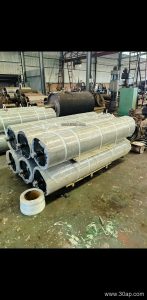
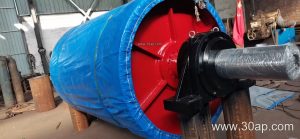
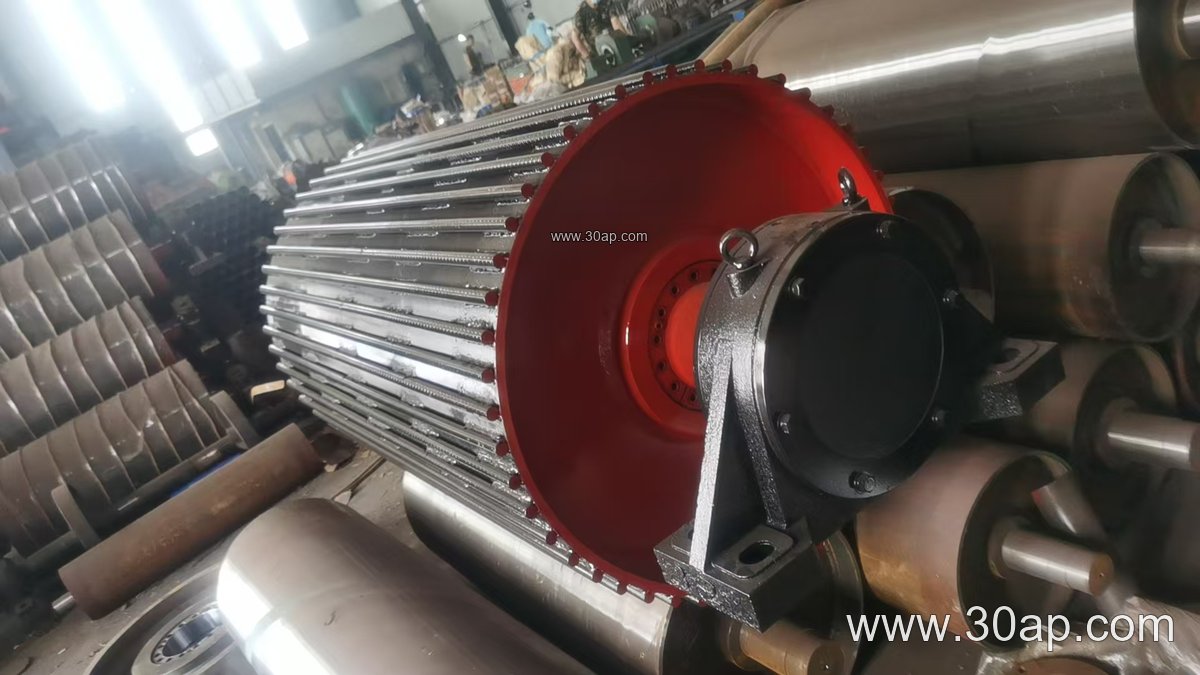
A heavy-duty lagged pulley is the robust, rubber-covered drum at the heart of an industrial conveyor drive, tail, or bend station. Its job is to transfer torque, maintain belt tension, and keep the belt tracking correctly under high loads. In a stone crushing line or a cement clinker transport circuit, this drum must survive abrasive dust, shock loading, and continuous operation. The lagging, a sacrificial rubber layer bonded to the shell, increases friction between the drum and the conveyor belt, protecting both components from slip and premature wear.
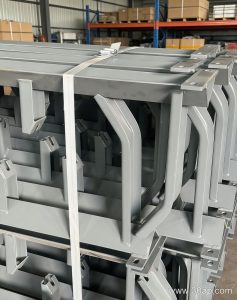
Unlike a plain steel shell, the lagged version gives the belt a reliable grip even when the surface is damp or dusty. This is why operators in coal handling, ore beneficiation, and aggregate production specify a heavy-duty lagged drum rather than a standard pulley. For high-torque drives, the lagged shell is often paired with a compatible conveyor pulley bearing assembly and a sturdy conveyor bracket to absorb vibration.
Construction and Surface Options
The core is typically a welded steel cylinder machined to balance at operating speed. Shafts are sized by torque and radial load, not by belt width alone. Common shaft diameters include Ø80, Ø100, Ø120, Ø140, and Ø160 mm, with larger sizes for high-capacity drives. The lagging is applied by hot vulcanization, cold bonding, or casting, depending on the required adhesion and wear life.
Surface patterns matter. Diamond lagging improves traction and sheds water, while herringbone (chevron) lagging helps center the belt on the drum. Ceramic lagging offers exceptional abrasion resistance for iron ore and quarry duty. Plain rubber lagging is a cost-effective choice for less aggressive service. Lagging thickness commonly ranges from 8 mm to 20 mm, with 10 mm or 12 mm often selected for general heavy-duty work.
- Shell diameter: Ø500, Ø630, Ø800, Ø1000, Ø1250 mm and beyond
- Face width: slightly wider than the belt, e.g., B800 belt with about 950 mm face
- Lagging: hot-vulcanized rubber, diamond, herringbone, or ceramic
- Bearing housing: heavy-duty cast or fabricated, grease-lubricated
Where It Fits in the Conveyor
Position determines function. A drive pulley at the head transmits power; a tail pulley at the loading end returns the belt; a bend pulley changes direction along the route. A heavy-duty lagged pulley is often specified for the drive position, where slip risk is highest, but tail and bend positions may also use lagging to protect the belt and improve tracking. In a coal mining conveyor or a power plant coal yard, the drive drum must handle frequent starts and heavy belt tension.
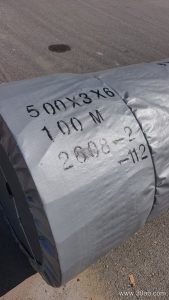
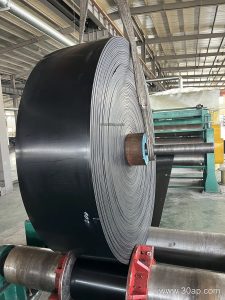
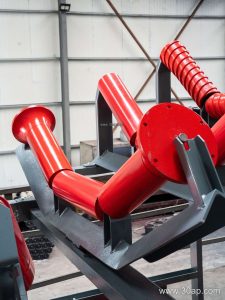
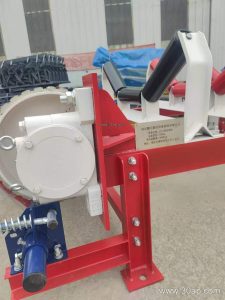
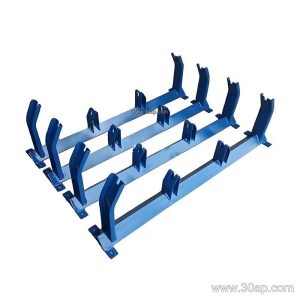
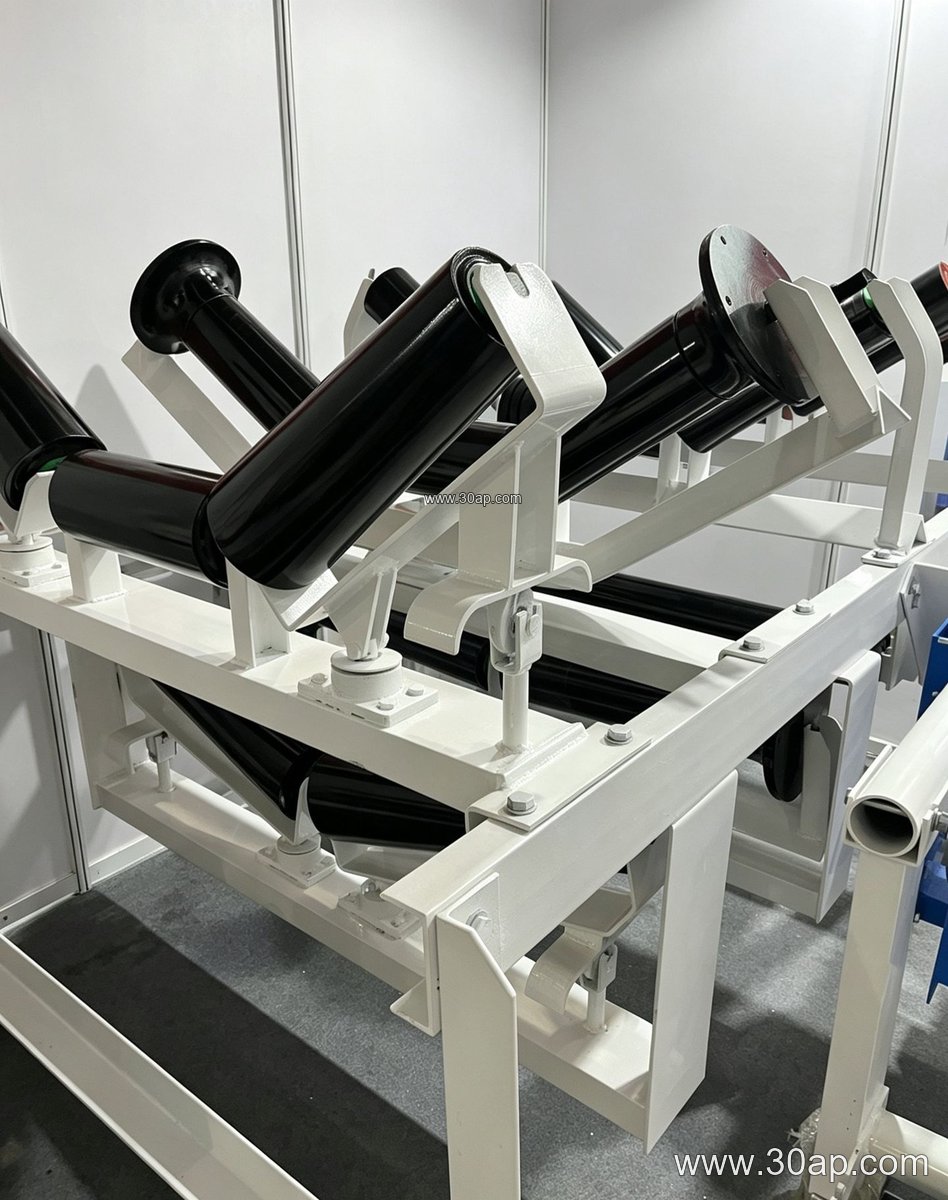
The drum works alongside idler roller sets that support the belt and reduce sag. Selecting the right lagged drum means matching its diameter and face width to the belt specification, such as a 1200 mm wide EP conveyor belt or a steel cord belt in a long overland system. A B1200 × Ø1000 combination is common in medium-to-large drives, while a B800 × Ø500 setup suits smaller sections. These are reference examples, not fixed rules, because each conveyor is designed around its own load profile.
Buyer Checklist
Before ordering, confirm the belt width, belt type, and required traction. The belt may be an abrasion resistant conveyor belt in a quarry, a flame retardant conveyor belt underground, or a heat resistant conveyor belt near a kiln. Each demands different lagging compounds and hardness. Ask for the shaft diameter based on calculated torque, not assumed from belt width. Verify the bearing type, lubrication method, and whether the pulley is welded or bolted.
For maintenance, inspect lagging wear at regular intervals. Worn or glazed rubber reduces friction and can cause belt slip, especially in wet conditions. Replace lagging before the shell is exposed. Keep the drum clean and check bolt torque on the bearing housing. A well-maintained heavy-duty lagged pulley extends the service life of the entire conveyor, from the loading point to the discharge.
For more technical guidance on matching drums with conveyor belts and rollers, visit www.example.com/conveyor-pulley or contact our engineering team for a design review.