What a 2000mm Belt Is and Where It Fits
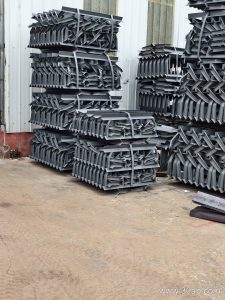
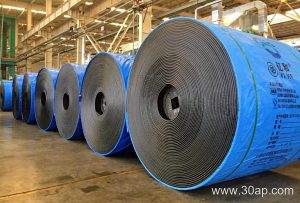
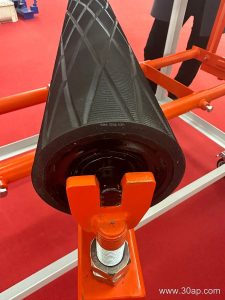
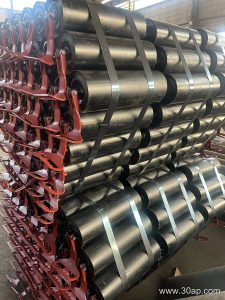
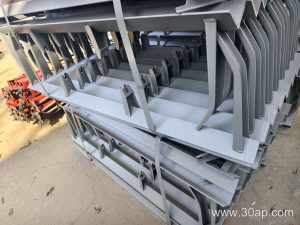
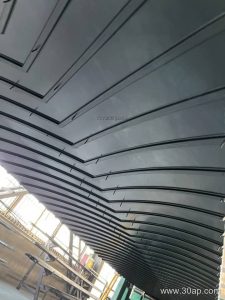
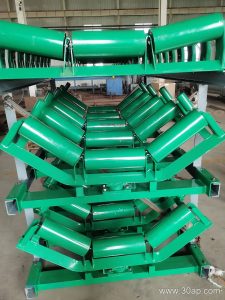
A 2000mm conveyor belt is a wide belting product built for high-capacity conveying systems. With a nominal width of two meters, it is typically found on main-line conveyors in mines, coal preparation plants, cement works, power stations, ports and large sand and gravel yards, where a single stream must carry a heavy tonnage without excessive belt speed. In practice, the belt works together with conveyor pulleys, idler rollers and conveyor brackets sized for the same duty, so the width is only one part of the design envelope.
The product is often described simply as a wide conveyor belt or an extra-wide belt, but these are general descriptions rather than separate product categories. The construction behind a 2000mm belt can be fabric-cored or steel-cord reinforced, and the cover compound is selected for the material being carried.
Construction and Common Configurations
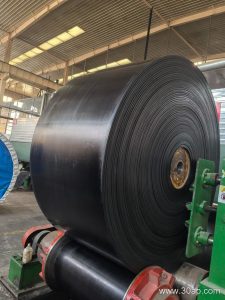
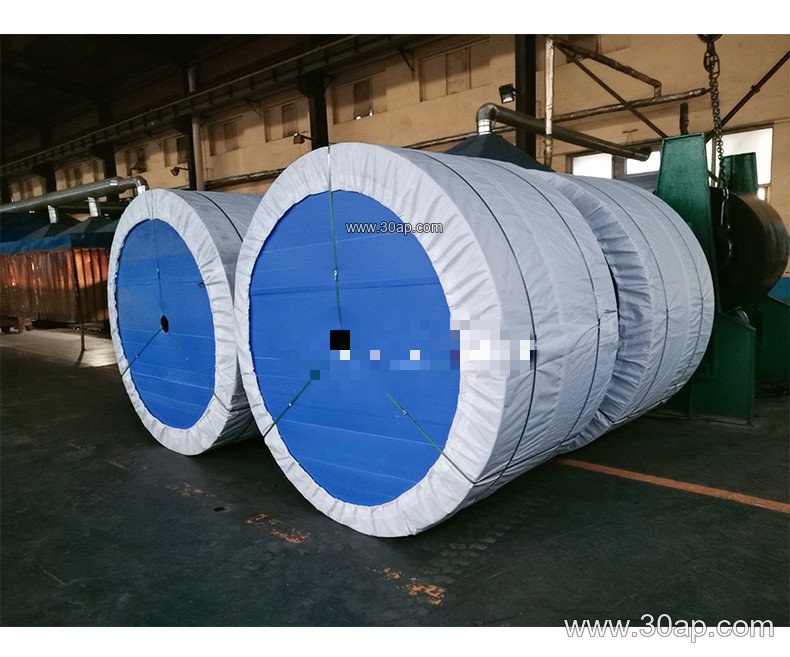
A wide belt is normally built from a carcass that carries the tension and a rubber cover that protects the carcass and grips the load. Fabric cores use multiple plies of EP or NN fabric; steel cord designs use brass-plated cords embedded in a rubber matrix. Cover thickness is often expressed as top plus bottom, for example 6+2 mm or 8+3 mm, and the carcass may have 2 to 6 plies in fabric constructions. These figures are typical references, not fixed universal specifications.
| Item | Common reference values |
|---|---|
| Belt width | 2000 mm (B2000) |
| Fabric core grades | EP200, EP315, EP400, EP500, EP630, EP800, EP1000, EP1250 |
| Steel cord grades | ST1000, ST1250, ST1600, ST2000 |
| Cover thickness | 4+2, 5+2, 6+2, 8+3 mm |
| Carcass plies | 2 to 6 layers, depending on design |
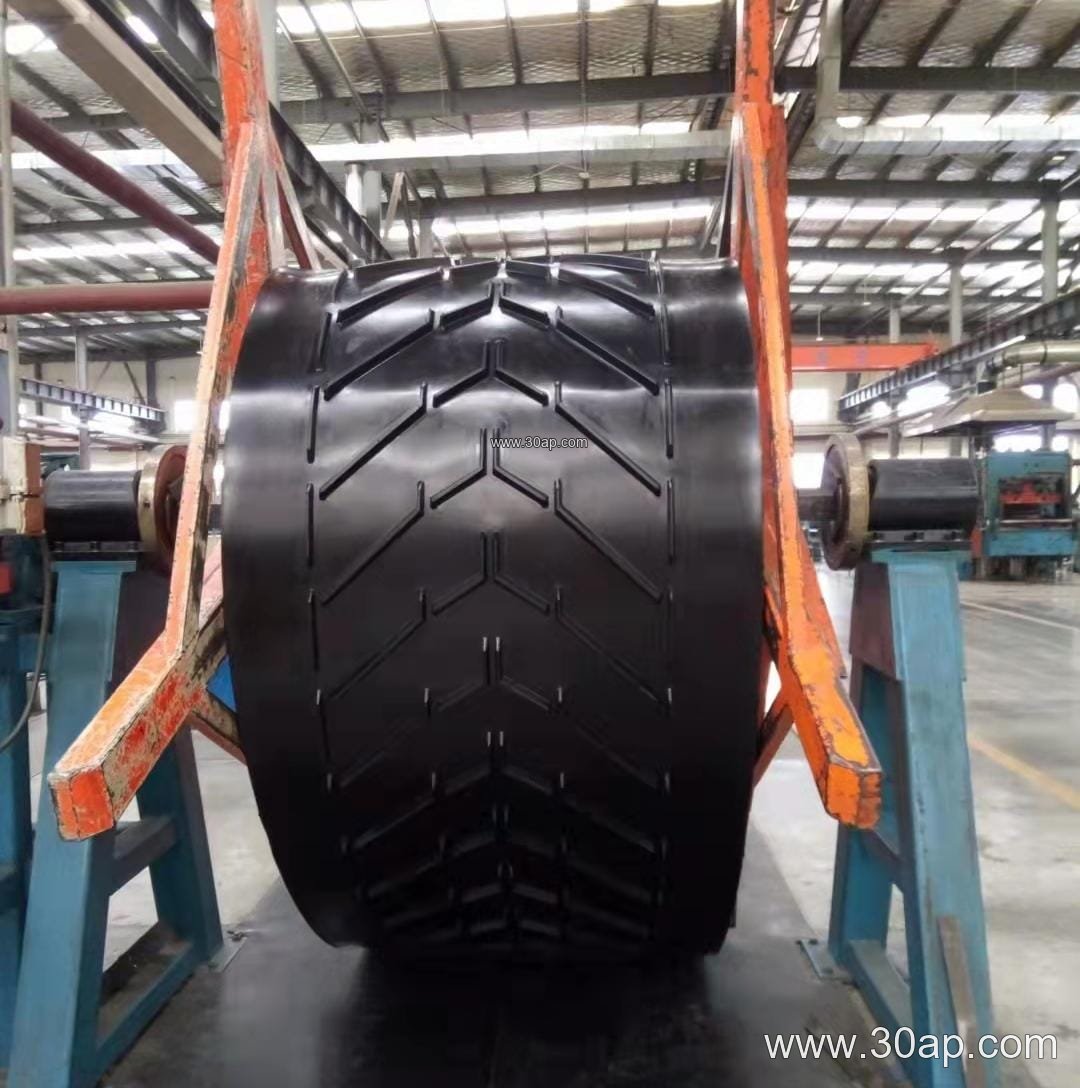
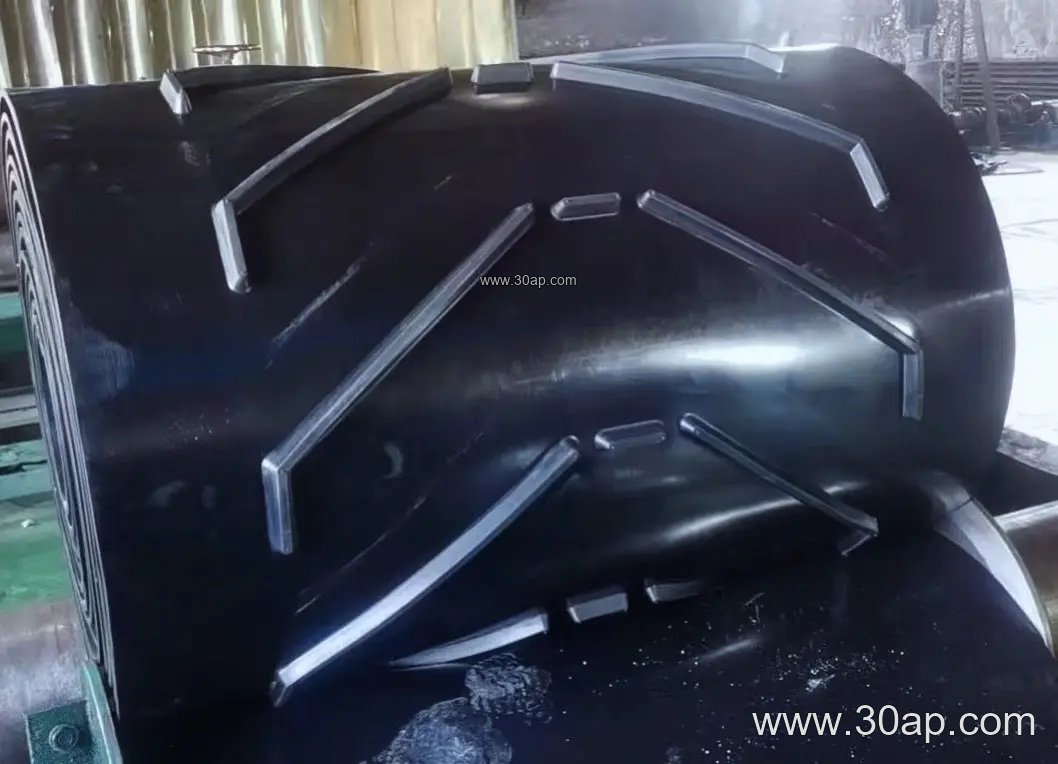
Surface and edge features matter on wide belts. A chevron conveyor belt with raised ribs can help hold material on an incline, while a corrugated sidewall belt with cleats contains the load at the edges. Skirted belts are used where a rubber skirt seals the transfer point. For dusty or underground work, anti-static and flame retardant grades are often requested.
Applications Across Industries
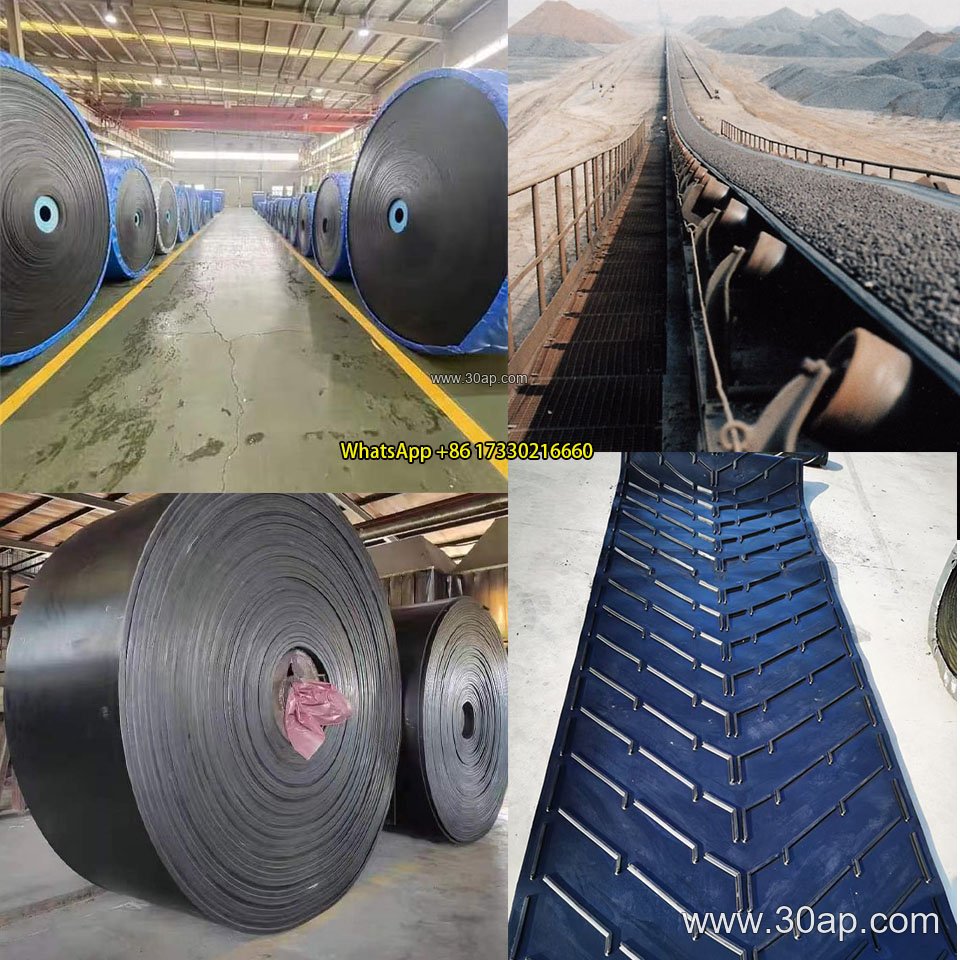
In mining and quarrying, a 2000mm belt is frequently used on primary haulage or crusher feed lines, where rock and ore arrive in large lumps. A heavy-duty mining conveyor belt in this width usually combines an abrasion resistant cover with a strong fabric or steel cord carcass. Coal mining conveyors often call for flame retardant and anti-static properties, while cement plants may prefer heat resistant belting for clinker-adjacent sections.
Ports and ship loading terminals use wide belts to move bulk material at high rates. Power plants handling coal, and sand and gravel operations feeding screens, are other typical users. In each case, the conveyor pulley diameters, idler roller spacing and conveyor bracket layout should be checked against the belt’s own tension rating and minimum pulley requirements rather than assumed from width alone.
Selection Points for Buyers
- Confirm the actual duty: material type, lump size, moisture, temperature and whether oil or chemicals are present.
- Match the carcass grade to the calculated tension. An EP1000 or EP1250 fabric belt and an ST1600 or ST2000 steel cord belt serve different tension ranges.
- Choose the cover compound for wear, heat, oil, cold or fire risk; an abrasion resistant grade is common for hard rock, while a heat resistant grade suits hot clinker or ash.
- Check the minimum pulley diameter recommended for the selected carcass, and confirm idler roller and conveyor bracket spacing for the load.
- Decide whether an open belt, a chevron pattern or a sidewall design best keeps material on the line.
For replacement work, record the existing belt’s width, cover thickness, carcass type and splice method before ordering. A 2000mm belt is a substantial component, so handling, storage and splicing equipment should be planned in advance.
Maintenance and Long-Term Use
Wide belts reward attention to tracking. Misalignment at conveyor pulleys, worn idler rollers or loose conveyor brackets can cause edge damage that is costly to repair. Inspect covers for cuts and embedded material, check splice condition regularly, and keep the belt clean at transfer points. Where a rubber conveyor belt operates in abrasive service, cover wear is the usual life limit; in hot service, cover hardening and cracking are the warning signs.
With the right carcass grade, cover compound and compatible components, a 2000mm conveyor belt can serve as the backbone of a high-capacity bulk handling line in mining, cement, power and aggregate operations.