What a Vertical Guide Roller Does
A vertical guide roller is a small but critical component on many belt conveyors, mounted at the edges of the belt path to keep the conveyor belt from wandering sideways. Unlike the carrying idler roller that supports the loaded belt from below, this roller stands vertically, usually in pairs, and contacts the belt edge only when tracking drifts. In quarry, cement plant, and bulk material handling lines, a well-placed vertical guide roller reduces edge damage and helps the belt stay centered through transfer points and curves.
Construction and Mounting
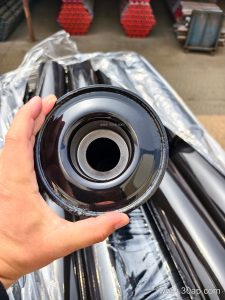
The roller body is typically a steel tube fitted with sealed bearings, a shaft, and a protective end cap. Some designs use a nylon or rubber surface to soften contact with the belt edge. The unit is fixed to a conveyor bracket or a dedicated frame, and the position is adjustable so maintenance crews can set a small running clearance. The vertical guide roller does not carry the main belt load; its job is lateral guidance, so bearing selection is usually modest compared with the heavy carrying idlers.
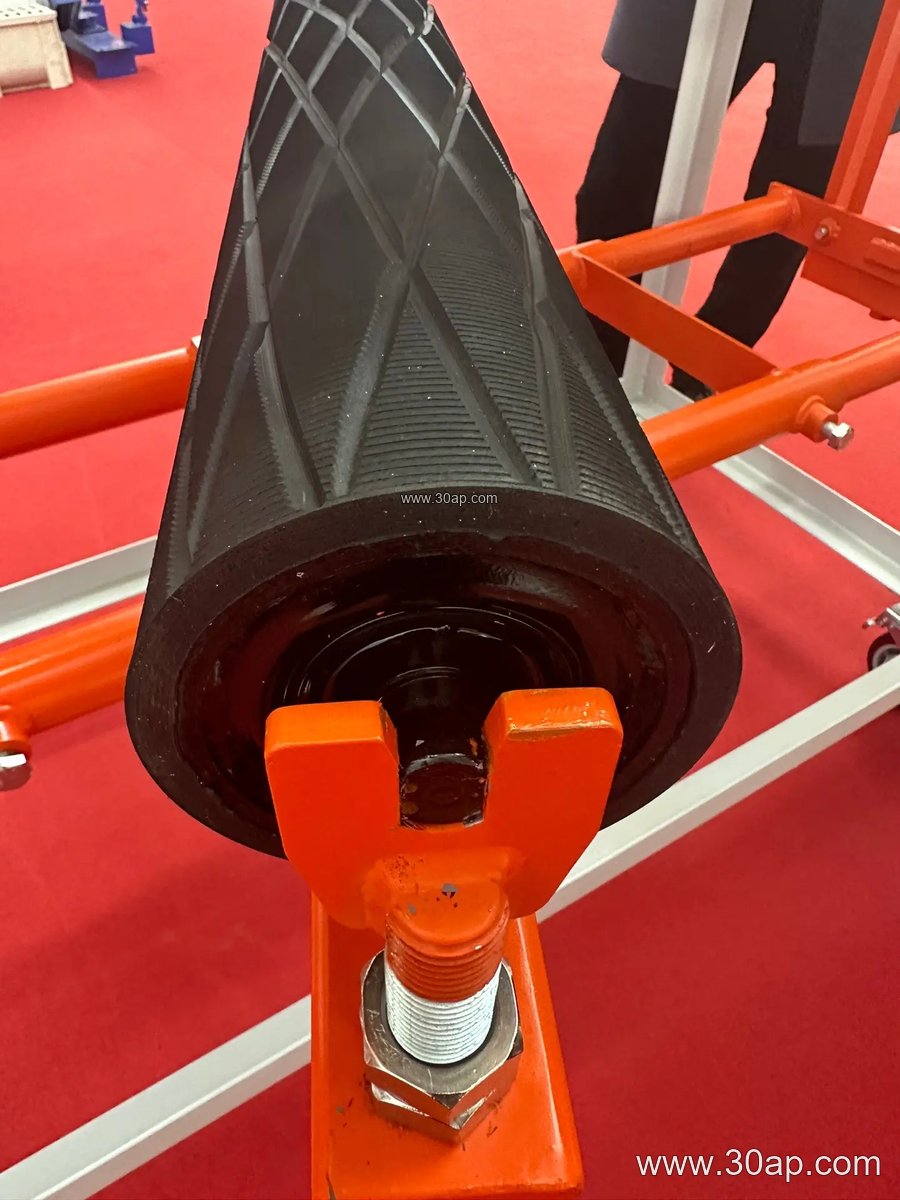
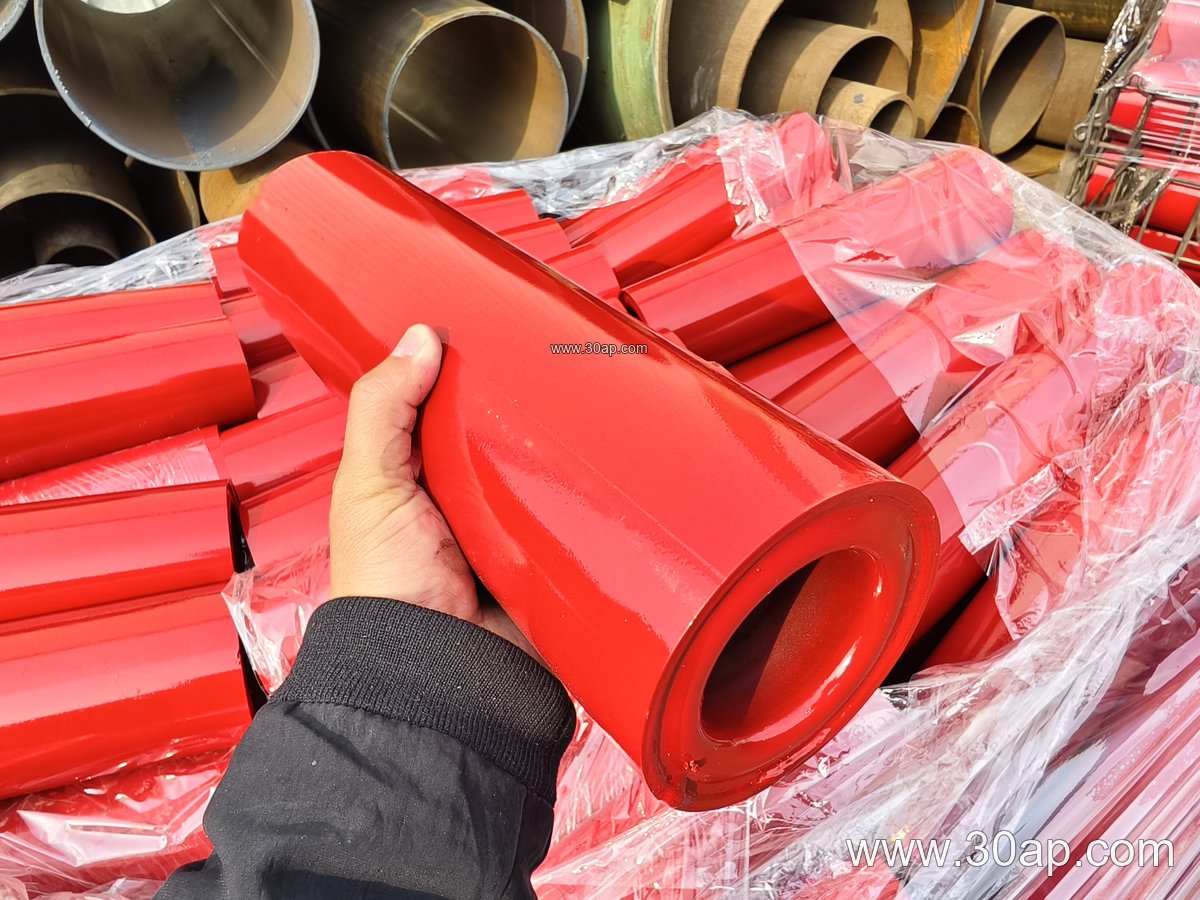
Where It Fits in the Conveyor Layout
These rollers are common on the entry and exit of a conveyor pulley, near loading chutes, and along the straight sections of a long overland or plant conveyor. In an iron ore or coal mining conveyor line, they are often installed just before the tail pulley to guide the belt into the pulley center. In a limestone quarry or aggregate conveyor, they help hold the belt in place where material impact and off-center loading push the belt sideways. They are also seen on pipe conveyor belt systems and corrugated sidewall belt installations where edge alignment matters.
Common Sizes and Selection Points
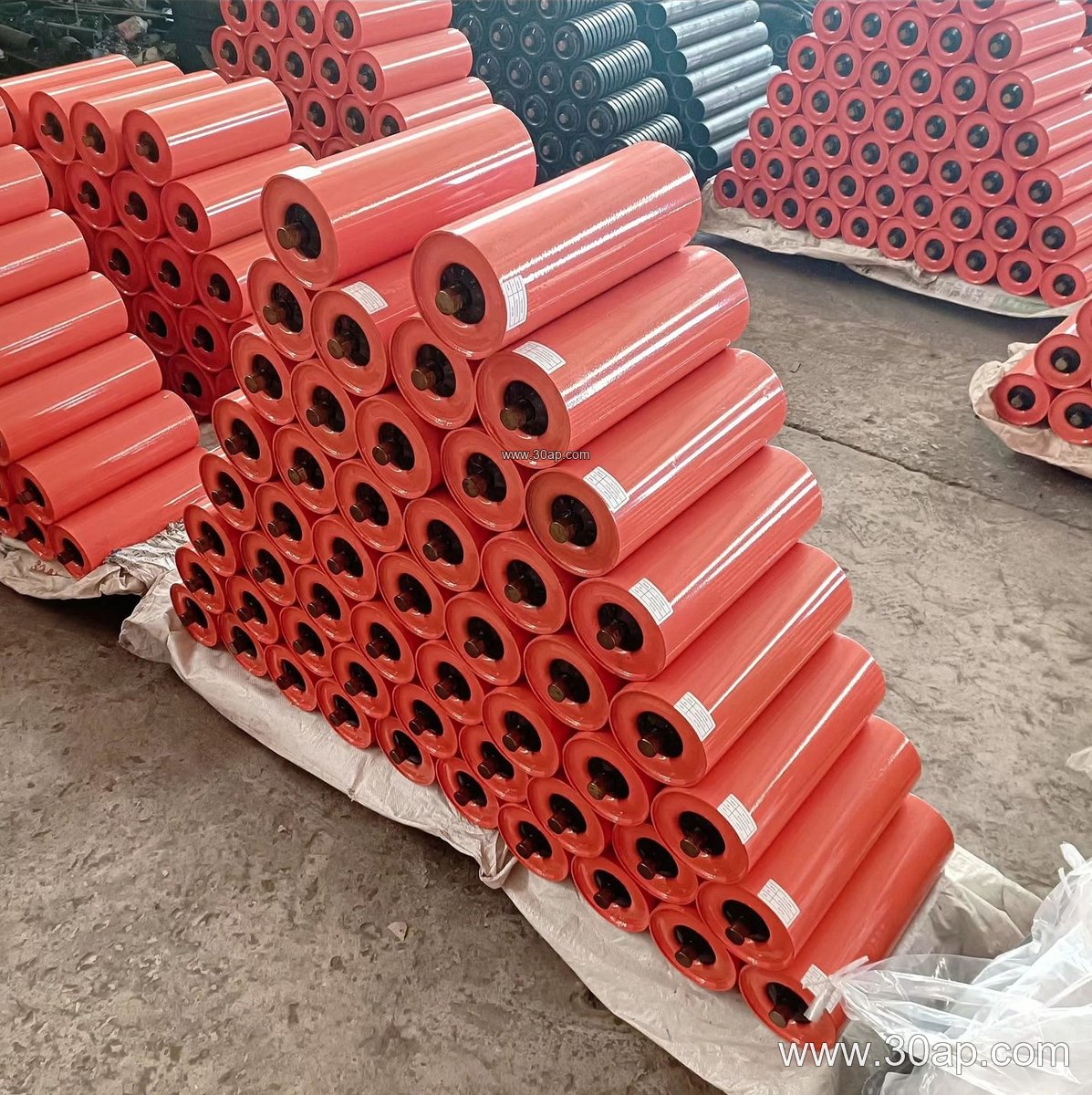
Vertical guide rollers are often supplied with small roller diameters and shaft sizes matched to the frame design. The table below shows typical reference ranges, not fixed combinations. Final sizing depends on belt width, belt speed, and the mounting space available.
| Parameter | Common reference range |
|---|---|
| Roller diameter | Ø63 mm, Ø76 mm, Ø89 mm, Ø102 mm, Ø108 mm |
| Belt width served | B500 to B1800 in many plant conveyors; B2000 and wider by design |
| Bearing options | 6204, 6205, 6305, 6306 |
| Surface form | Plain steel, nylon, rubber-covered |
| Mounting | Adjustable bracket, welded frame, bolted plate |
A buyer should confirm the belt width, the clearance between the belt edge and the roller, and the shaft fixing method. For a 1000mm or 1200mm conveyor belt, small guide rollers are common; for a 1800mm or 2000mm wide belt, the bracket and shaft must be heavier. The roller should be aligned so that it touches the belt only during drift, not continuously.
Working With the Rest of the Conveyor
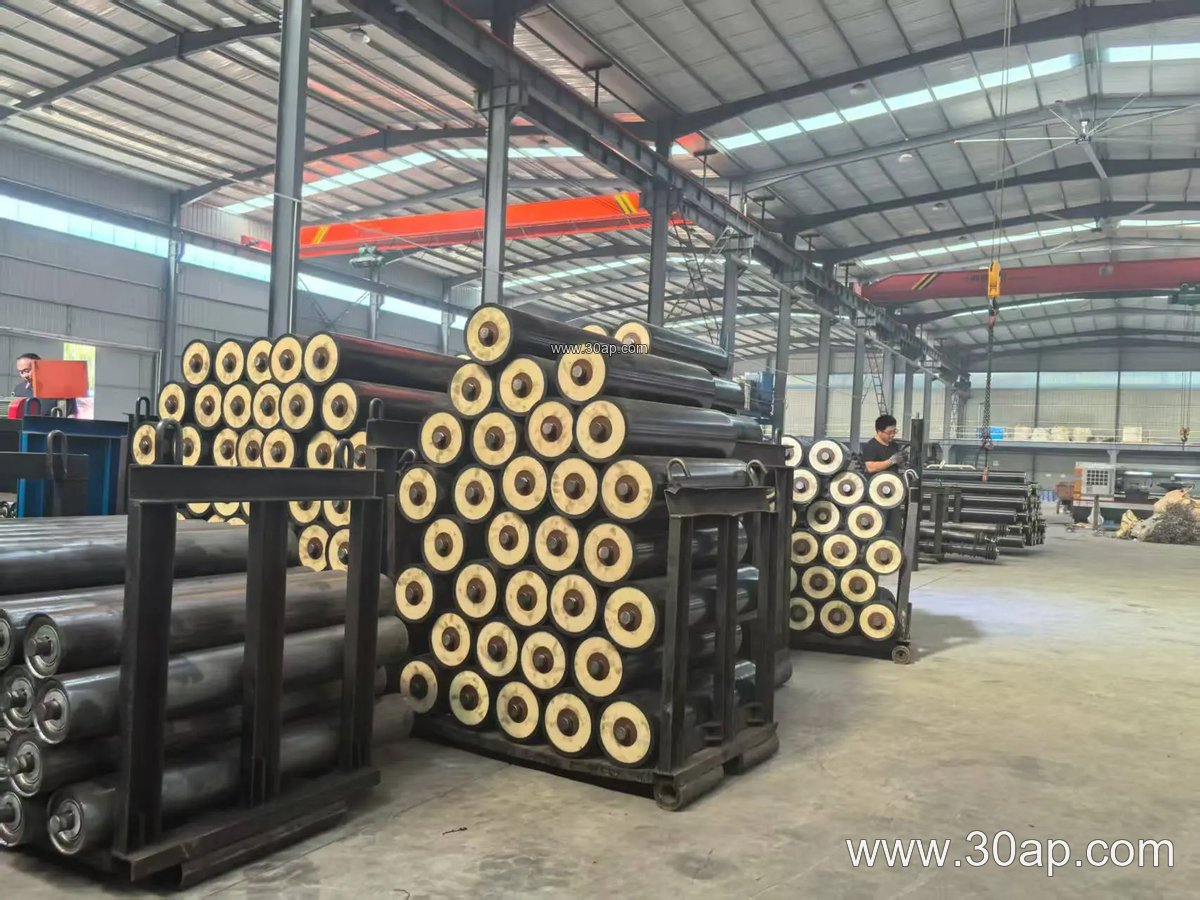
The vertical guide roller works best alongside a proper training idler set, a clean conveyor pulley, and a squared frame. On a heavy-duty mining conveyor belt, a misaligned pulley or worn skirt rubber can push the belt against the guide roller and wear it quickly. In cement and power plant coal handling, dust and fine material can enter the bearing area, so sealed designs and periodic inspection matter. Matching the guide roller to the belt type, whether an EP conveyor belt, a steel cord conveyor belt, or a flame retardant conveyor belt for underground service, helps avoid edge cutting and premature failure.
Buyer Checklist
- Confirm belt width and the required roller diameter and shaft size.
- Check the mounting bracket and the adjustment range.
- Choose the surface form for the belt edge and the environment.
- Verify bearing sealing for dusty or wet conditions.
- Plan a simple inspection routine for alignment and wear.
For more conveyor components, visit www.beltsupplier.com and review conveyor idler roller, conveyor pulley, and conveyor bracket options to complete the system.