What a Parallel Idler Bracket Does
A parallel idler bracket is the stationary support that holds a flat run of idler rollers level across the conveyor frame, usually on the carrying side where the belt must stay flat rather than troughed. It keeps the rollers square to the belt path, so the conveyor belt tracks evenly and the load sits on a consistent line of contact. Where a troughed bracket lifts the belt edges, a parallel idler bracket keeps the roll face horizontal, which suits transition zones, flat carrying sections, and inspection or transfer points.
The same item is often called a flat idler bracket or a horizontal idler support frame. Those names describe the same product; they are not a different bracket type. In a plant, the parallel bracket and the troughed bracket work as a pair, but one does not replace the other.
How the Bracket Is Built
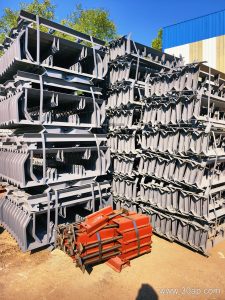
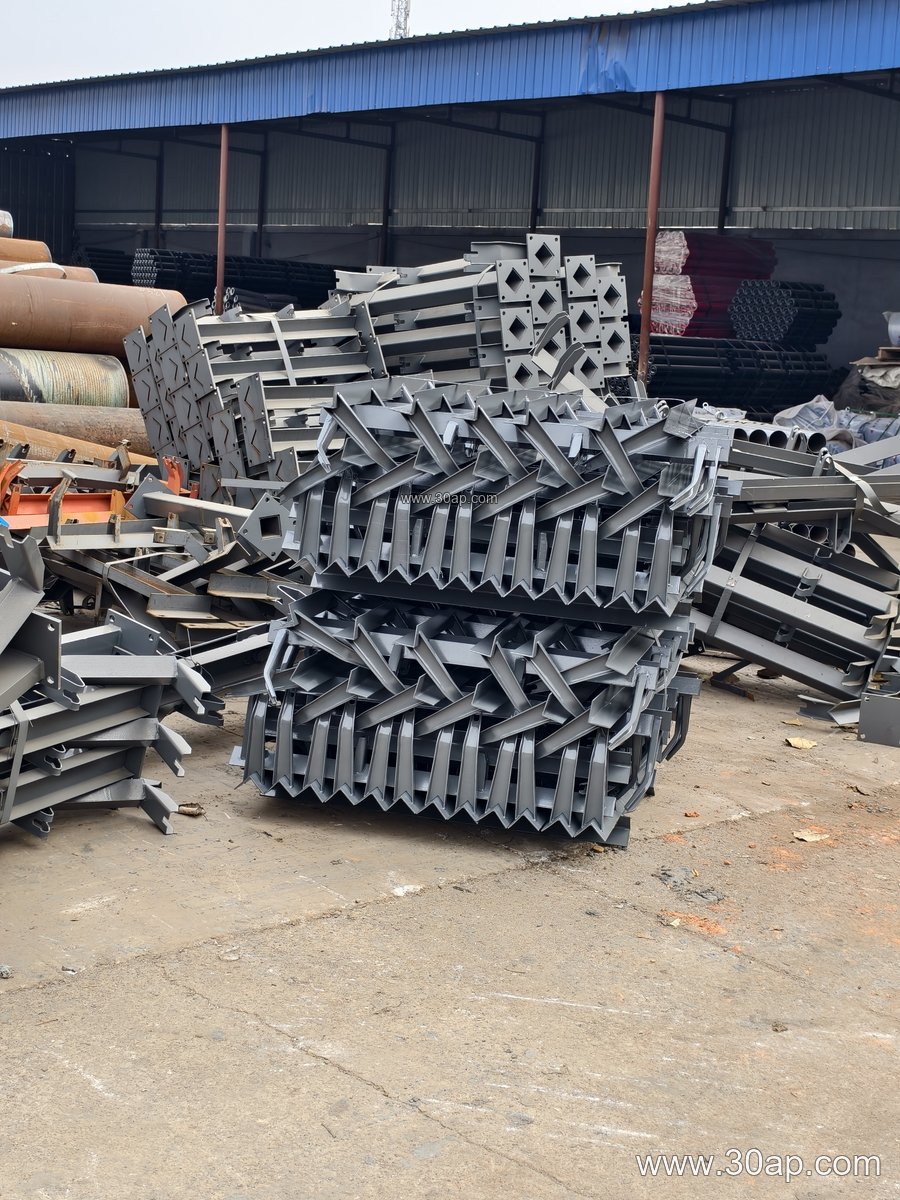
Most units are fabricated from angle steel, channel steel, or folded steel plate, cut and drilled to match the frame width and the roller shaft spacing. The cross member carries the mounting slots for the idler roller ends, and the two feet bolt to the stringer or to a base plate. Powder coating or galvanizing is common for dusty or damp service.
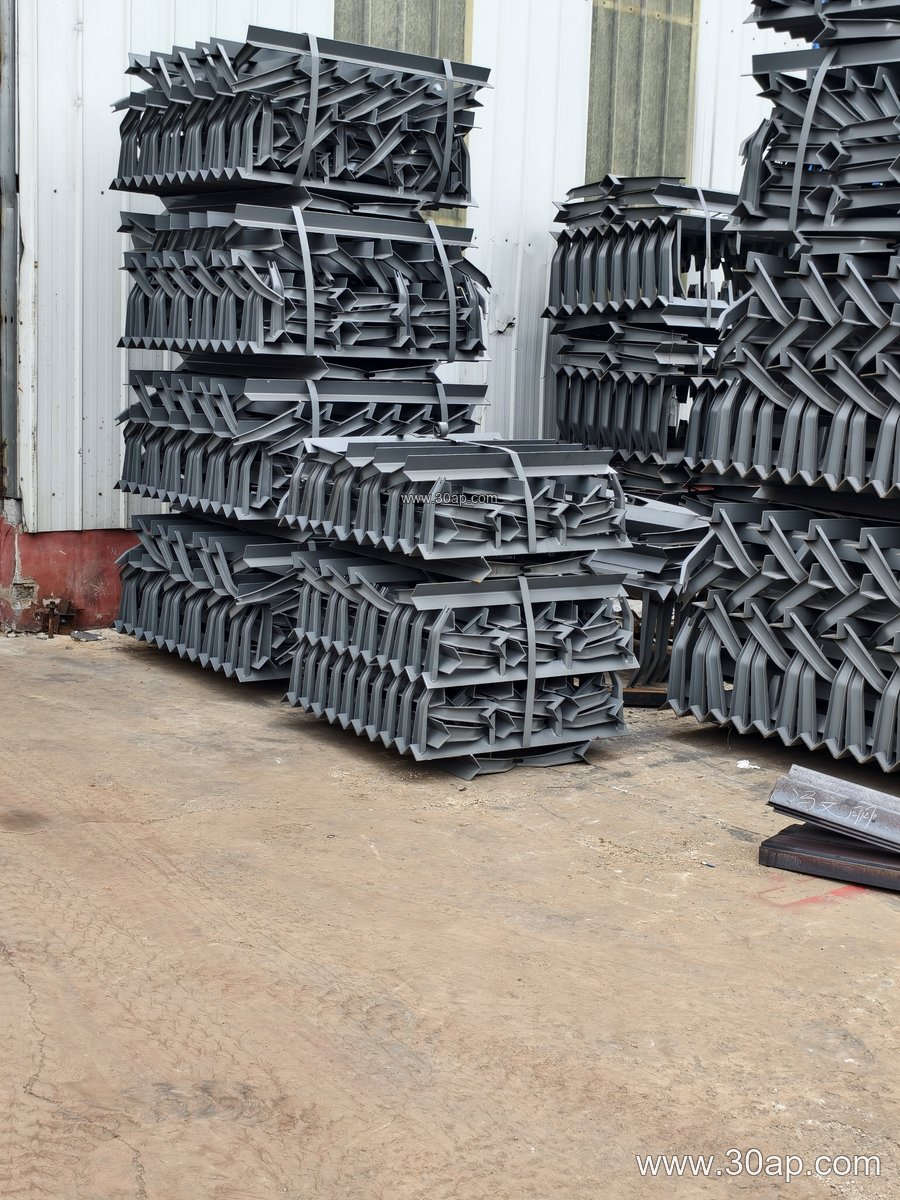
Build quality shows in three places: the flatness of the mounting face, the alignment of the two end supports, and the stiffness of the cross member under load. A bracket that flexes will allow the roller line to sag, and the conveyor belt will wear unevenly. Welds should be continuous at load-bearing joints, and hole positions should be checked against the roller shaft before the frame is assembled.
Where It Fits in a Conveying Line
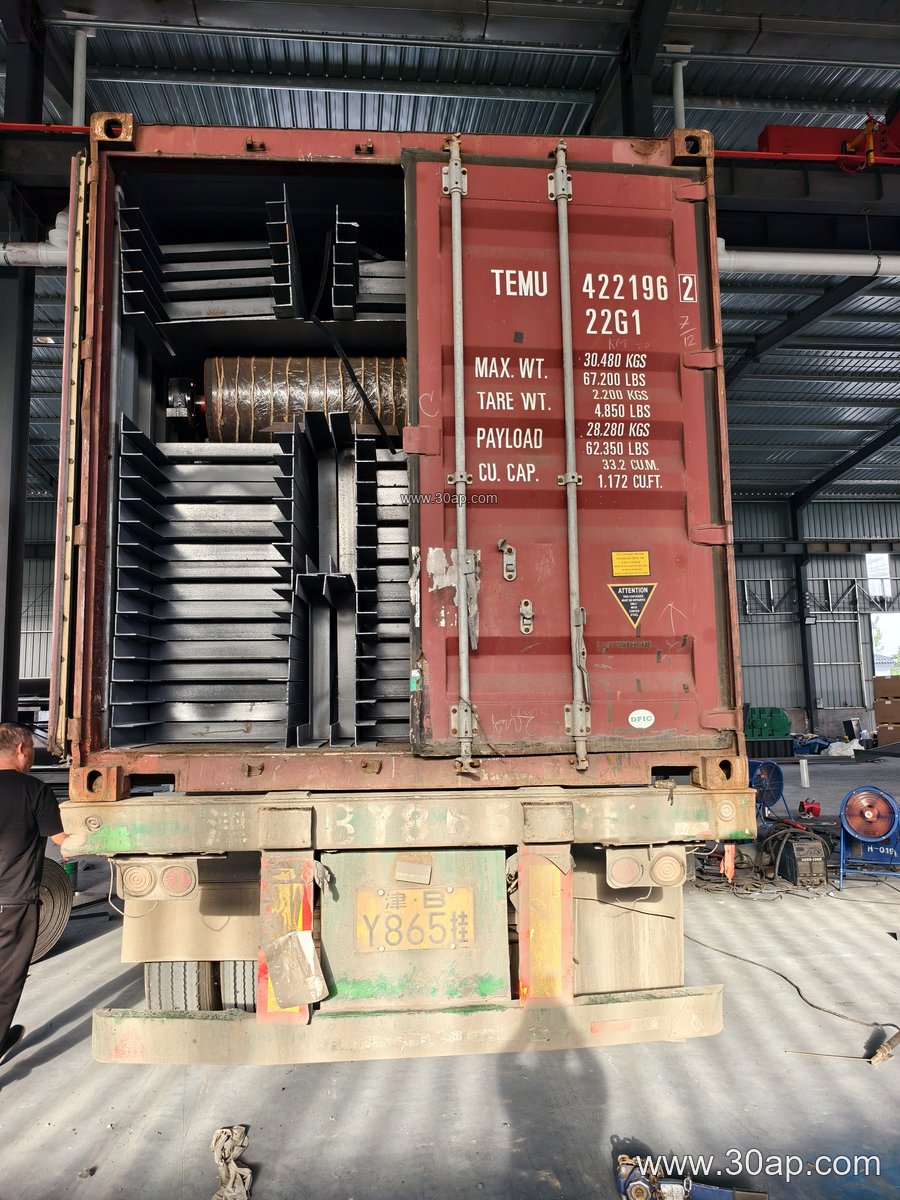
Parallel brackets appear in a range of bulk handling settings. In a coal preparation plant they support flat carry sections ahead of transfer chutes; in a limestone quarry or crushing and screening line they sit at loading points where a flat belt is easier to seal; in a cement plant or power station coal yard they carry the belt through flat runs and inspection walkways. Sand and gravel plants, fertilizer handling, and grain silos use the same principle wherever a horizontal belt section is required.
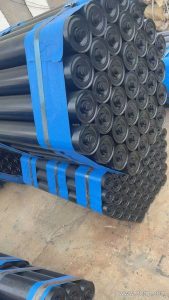
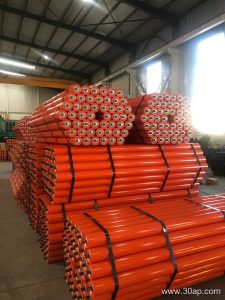
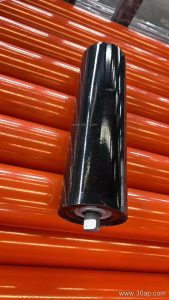
A typical arrangement pairs the bracket with idler rollers of a matching shaft and roll diameter. The choice of roller diameter follows belt speed, load, and belt width rather than a single fixed rule. Common roller diameters include Ø89, Ø108, Ø133, Ø159, and Ø194 mm, and belt widths range from B500 up to B2200 mm in standard frames. The bracket must be drilled for the specific combination, because mounting hole spacing and cross member length change with belt width and frame design.
Selection Notes for Buyers
Start with the belt width and the roller diameter, then confirm the shaft end type and the mounting hole centers. A bracket ordered for one frame width will not fit another, even when the roller diameter is the same.
- Belt width: B500, B650, B800, B1000, B1200, B1400, B1600, B1800, B2000, B2200 mm are common reference widths; confirm the actual frame.
- Roller diameter: Ø89, Ø108, Ø133, Ø159, Ø194 mm are typical; match the bracket slot to the shaft.
- Material and finish: angle, channel, or folded plate, with paint or galvanized finish for the site conditions.
- Mounting: bolt-on feet or welded base, depending on the conveyor frame.
Note that a parallel bracket is not a substitute for a return bracket or a V-shaped return support; those serve the return run and have different geometry. Likewise, a bend pulley or tail pulley is a separate component and should not be confused with the bracket that carries the rollers.
Installation and Maintenance
Set the bracket square to the belt centerline and check that both ends sit at the same height. A straight edge across the roller tops will show any twist. Tighten the frame bolts evenly, and recheck alignment after the first few hours of running, since new belts settle. During routine inspection, look for loose bolts, cracked welds, and worn mounting slots. Keep the area under the bracket clear so spilled material does not push the frame out of line.
For a replacement, record the belt width, roller diameter, hole spacing, and frame hole pattern before ordering. These details matter more than a model number alone, and they keep the parallel idler bracket matched to the rest of the conveyor structure.