What a Conveyor Bracket Does on the Line
A conveyor bracket is the structural link between the conveyor frame and the rollers that carry the belt. In a quarry, a cement plant, or a power plant coal yard, the bracket holds the idler roller at the right height and angle so the conveyor belt runs smoothly under load. It is a small component, but a poorly matched bracket can cause belt misalignment, edge wear, and premature roller failure. Buyers often treat it as a simple steel part, yet the bracket geometry directly affects trough depth, load capacity, and maintenance time.
How the Bracket Is Built
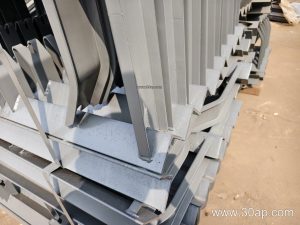
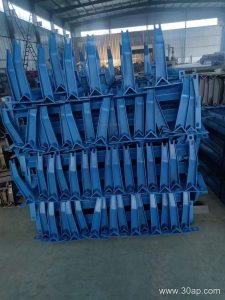
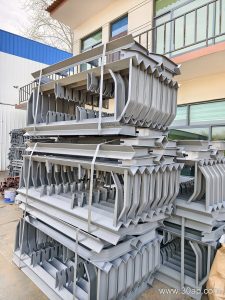
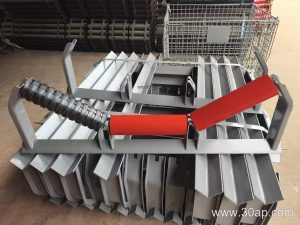
Most brackets are fabricated from angle steel, channel steel, or folded steel plate. The frame side is drilled or slotted to match the conveyor stringer, while the roller seating area is shaped to hold the idler shaft. Common forms include fixed trough brackets, transition brackets near the head and tail, return brackets, V-return brackets, impact brackets, self-aligning brackets, and adjustable types. The material and thickness are usually selected according to belt width, lump size, and the duty cycle of the plant.
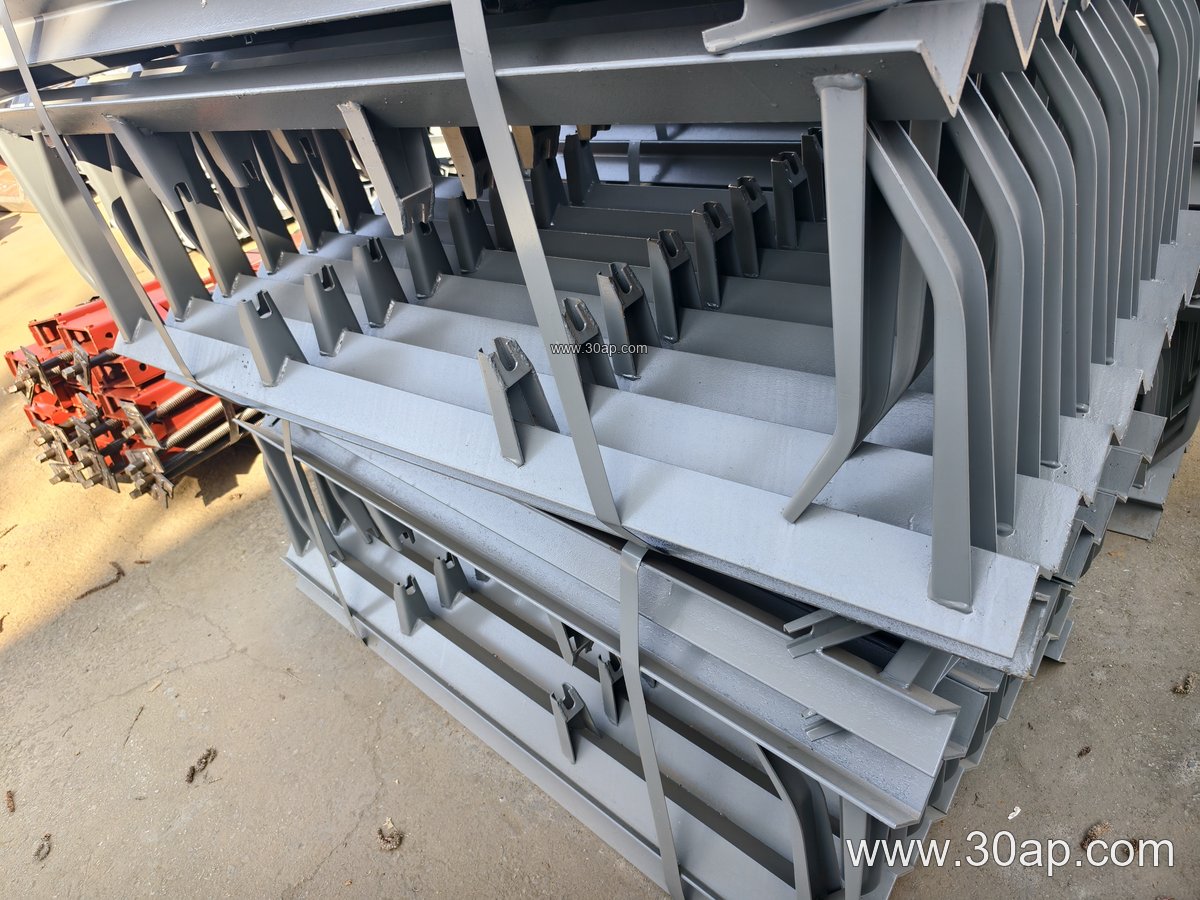
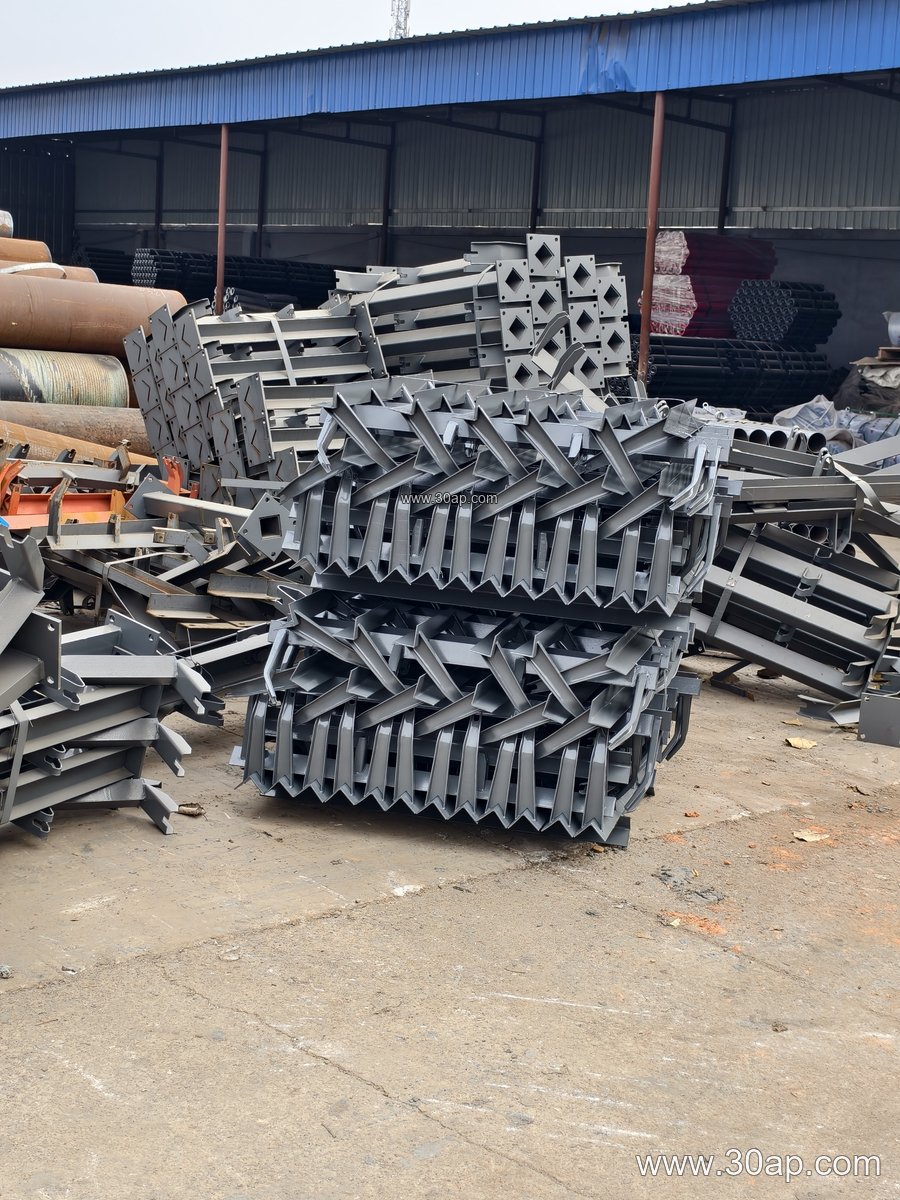
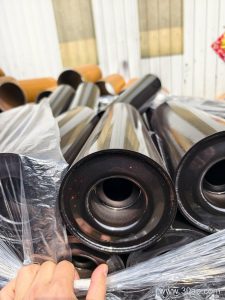
For reference only, common belt width ranges include B500, B650, B800, B1000, B1200, B1400, B1600, B1800, B2000, B2200. Trough angles of 20, 30, 35, and 45 degrees are typical, and adjustable brackets can be set between these angles. Idler diameters such as Ø89, Ø108, Ø133, Ø159, and Ø194 appear across different duty levels. A combination like B800, 35 degrees, Ø108 is common in aggregate lines, while B1200, 45 degrees, Ø133 may suit heavier bulk material. These are reference examples, not fixed rules; mounting hole spacing and beam length change with belt width and trough angle.
Where It Fits in Bulk Handling
In a limestone quarry or a sand and gravel line, the bracket keeps the trough idlers aligned through the loading zone, where the belt receives crusher output and impact loads. In a coal washing plant or a power plant coal handling system, flame retardant and anti-static belts are often used, and the bracket must hold the roller firmly to avoid spark risk from misalignment. In a cement plant, heat resistant and abrasion resistant belts carry clinker and raw meal, so brackets near the kiln discharge area need to tolerate vibration and dust buildup. A conveyor bracket also appears on pipe conveyor and corrugated sidewall belt systems, where the frame geometry is more complex.
Adjustable Versus Fixed Brackets
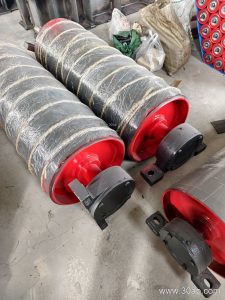
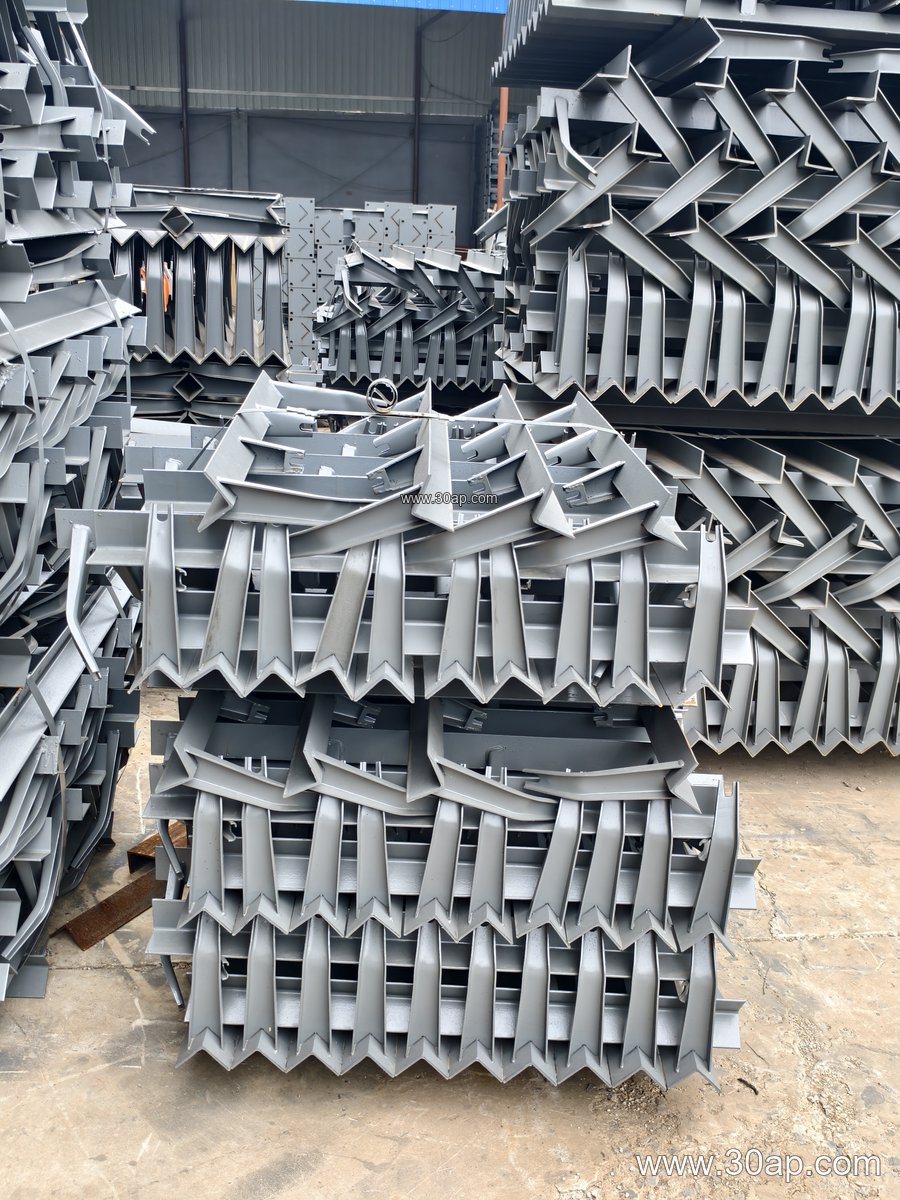
Fixed brackets are simple and rigid, and they suit lines where the belt width, trough angle, and material flow rarely change. Adjustable brackets allow the trough angle to be changed, which helps during commissioning or when a plant switches between products. A transition bracket is used near the pulley to guide the belt from a flat profile into a trough, and it should not be confused with a bend pulley or a tail pulley, which are different components. Self-aligning brackets and forward-leaning brackets are chosen where belt tracking is a concern, while impact brackets are placed under loading points to absorb shock.
Buyer Checklist
- Confirm belt width, trough angle, and idler shaft diameter before ordering; do not assume one belt width matches one roller size.
- Check the mounting hole pattern against the existing stringer or frame.
- Match the steel grade and surface treatment to the environment, such as wet washing plants or dusty cement lines.
- Ask whether the bracket is fixed or adjustable, and whether it is designed for carrying, return, or impact duty.
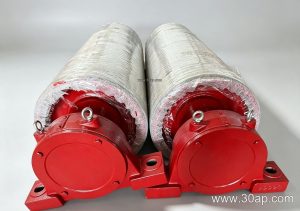
- Review the interaction with the conveyor belt, idler roller, and conveyor pulley so the belt path stays smooth.
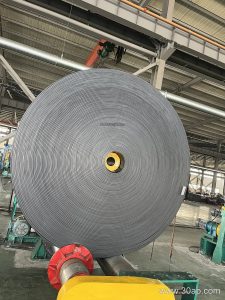
For plants running EP Conveyor Belt, Steel Cord Conveyor Belt, or Flame Retardant Conveyor Belt, the bracket should be selected together with the roller and belt specification, not in isolation. A well-chosen conveyor bracket reduces downtime and keeps the belt centered, which matters in any bulk material handling operation.