What a Lagged Pulley Does on a Conveyor
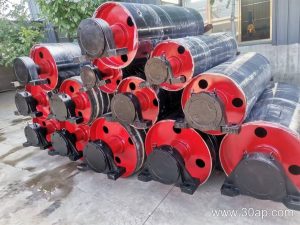
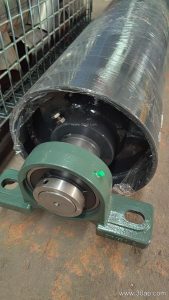
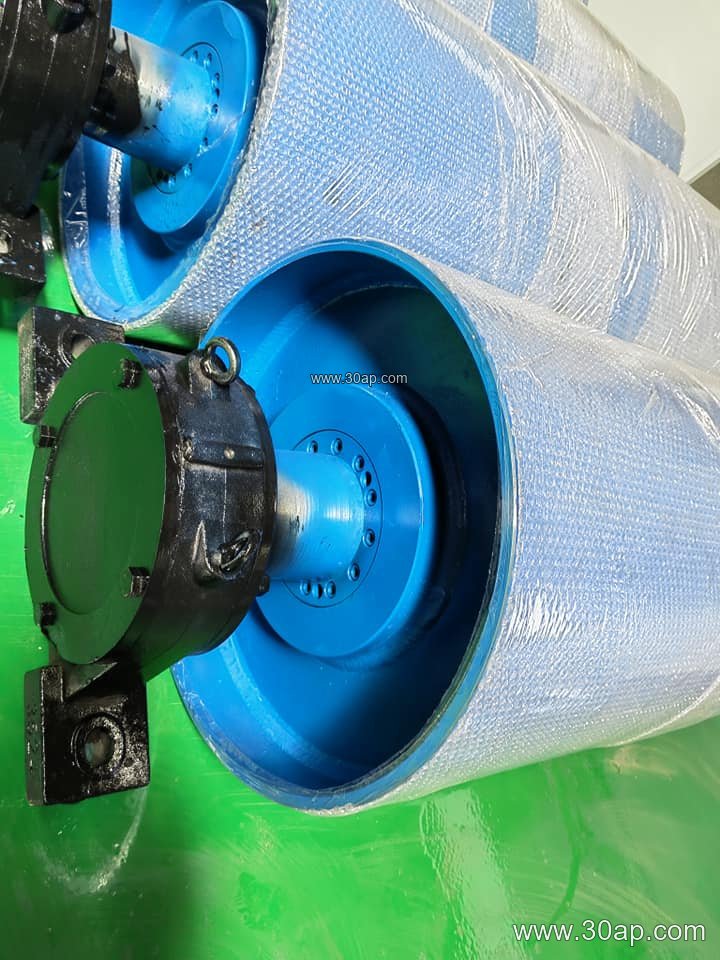
A conveyor belt lagged pulley is a conveyor pulley whose shell is covered with a rubber or ceramic layer to raise friction between the drum and the belt. On a quarry conveyor, the difference between a smooth shell and a properly lagged one shows up quickly in slip, belt tracking and the amount of material that ends up on the ground. The lagging also protects the shell from abrasive fines and helps shed water and mud in wet conditions.
This article covers the lagged pulley as a complete unit, including shell, shaft, hubs, bearings and the covering itself. Drive, tail and bend pulleys are separate positions with different duties, and a lagged surface is chosen for each position according to what it must do.
How the Lagging Is Built
Most units start as a steel shell welded to end discs, with the shaft pressed or keyed into the hubs. The covering is then applied in one of several ways. Cold-bonded rubber is common for general duty, while hot-vulcanized rubber gives a stronger bond for high-torque drives. Diamond and herringbone patterns improve grip and water drainage, and ceramic tiles are used where abrasion is severe.
Common lagging thicknesses are 8, 10, 12, 15 and 20 mm, selected with the drive load and the belt surface in mind. The pulley face is usually wider than the belt. For example, a B800 belt typically runs on a face of about 950 mm, and a B1200 belt on about 1400 mm. Diameter is not fixed by belt width; a B800 × Ø500 drive unit and a B800 × Ø630 tail unit can both exist on the same conveyor, and shaft size is set by torque and bearing load rather than by belt width alone.
Where Lagged Pulleys Are Used
Two locations where the lagged version is common are aggregate crushing and screening lines, and port bulk terminals. In a crushing circuit, the head or drive pulley must transmit high torque to a heavily loaded belt carrying rock, so a diamond or herringbone lagging reduces slip. At a port, a lagged tail or bend pulley helps the belt run true when salty air and rain make the surface wet.
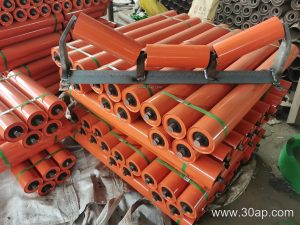
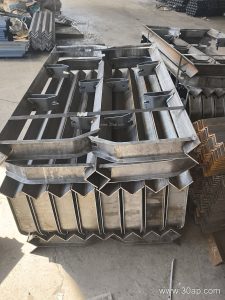
The same logic applies in cement plants and power stations handling clinker or coal, where a flame retardant conveyor belt may run alongside an abrasion resistant conveyor belt on the same route. A lagged pulley works with the belt, the idler roller frames and the conveyor bracket assemblies to keep the line stable.
Surface Options and Position
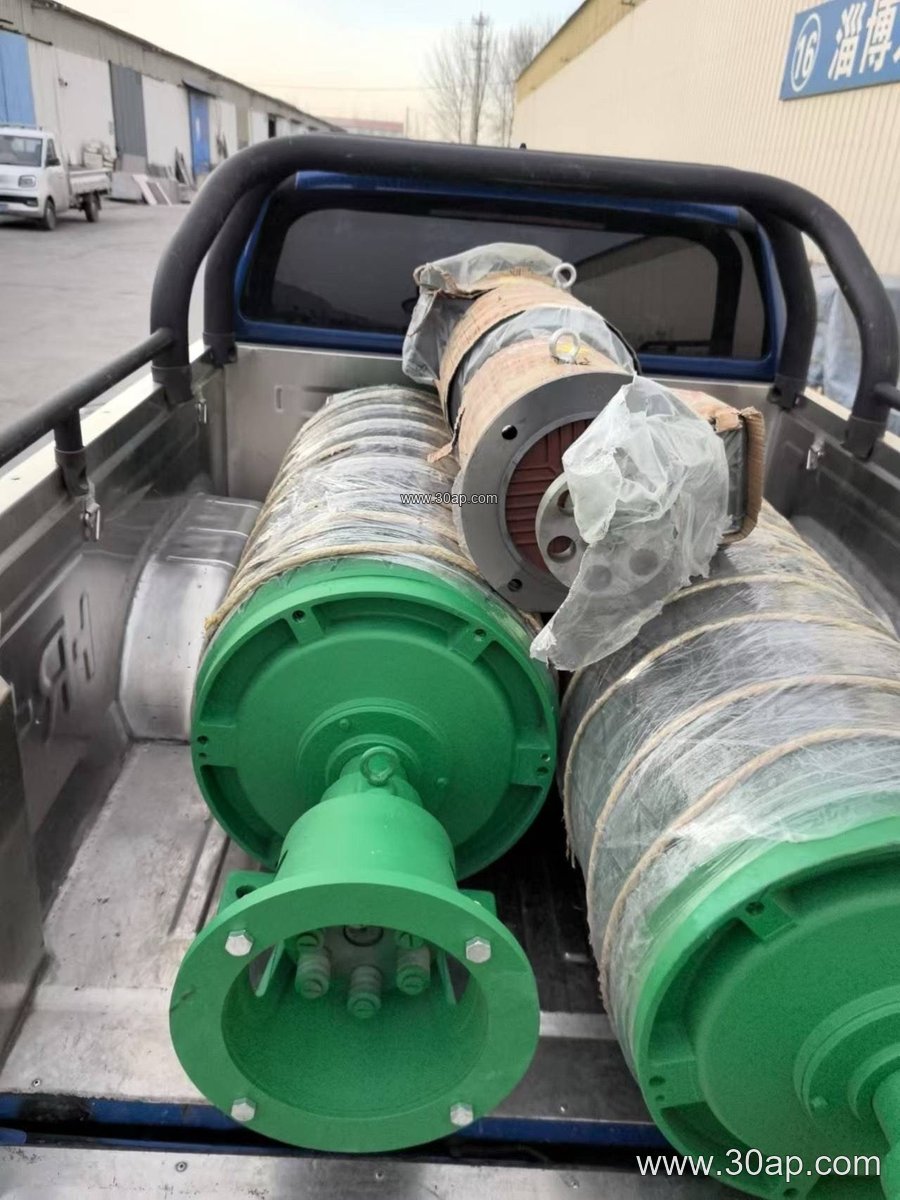
The surface should match the position. Drive and head pulleys benefit most from a patterned lagging because grip is the priority. Tail and tension pulleys often use a plain rubber cover to avoid trapping material. Bend and snub pulleys may be lagged lightly or left smooth, depending on belt wrap and load. Ceramic lagging is reserved for abrasive duty where rubber wears too fast.
- Plain rubber: general duty, tail and bend positions
- Diamond or herringbone: drive and head positions, wet or dusty belts
- Ceramic: high abrasion, heavy ore and rock
- Hot-vulcanized: high torque and long service life
Buyer Checklist
Before ordering, confirm the belt width, the pulley diameter, the shaft diameter, the bearing type and the lagging thickness. Check the belt speed and the drive power, since these set the torque the lagging must carry. Ask how the covering is bonded, because a cold-bonded surface and a hot-vulcanized one behave differently under load. Also confirm face width and whether the pulley will be balanced for the running speed.
On site, inspect lagging wear at each shutdown. Worn grooves, missing ceramic tiles or a polished rubber surface are signs that grip is falling. Re-lagging a conveyor pulley is often cheaper than replacing the whole drum, and it keeps the belt tracking as the line ages.
For matching belts and components, see the pulley and belt ranges at beltconveyorparts.com and the drum selection notes at beltconveyorparts.com/conveyor-pulley. A lagged pulley is only one part of the line, but it is the part that decides whether the drive torque reaches the belt.