What an Impact Idler Bracket Does
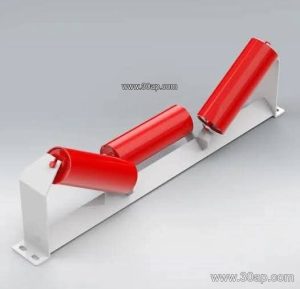
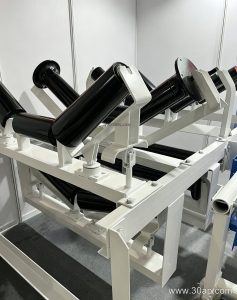
An impact idler bracket is a support frame that holds impact idler rollers at the loading point of a conveyor belt. Its main job is to absorb the shock of falling material and keep the belt from sagging or being damaged when ore, coal, or aggregate drops onto it. In a quarry or a coal mining conveyor line, this bracket often sits directly under the transfer chute, where the belt takes the hardest hit.
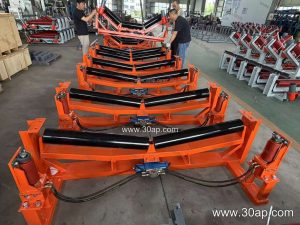
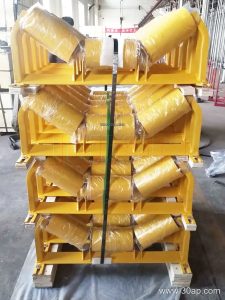
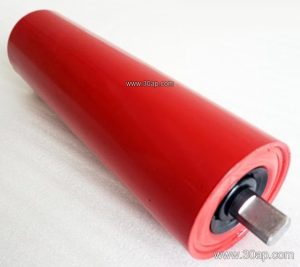
The bracket is usually made from angle steel, channel steel, or folded steel plate. It is designed to carry impact idler rollers with rubber or polymer rings that cushion the load. The bracket itself must be strong enough to resist vibration and repeated impact without bending. A well-built impact idler bracket helps extend the life of the conveyor belt and reduces downtime in crushing and screening circuits.
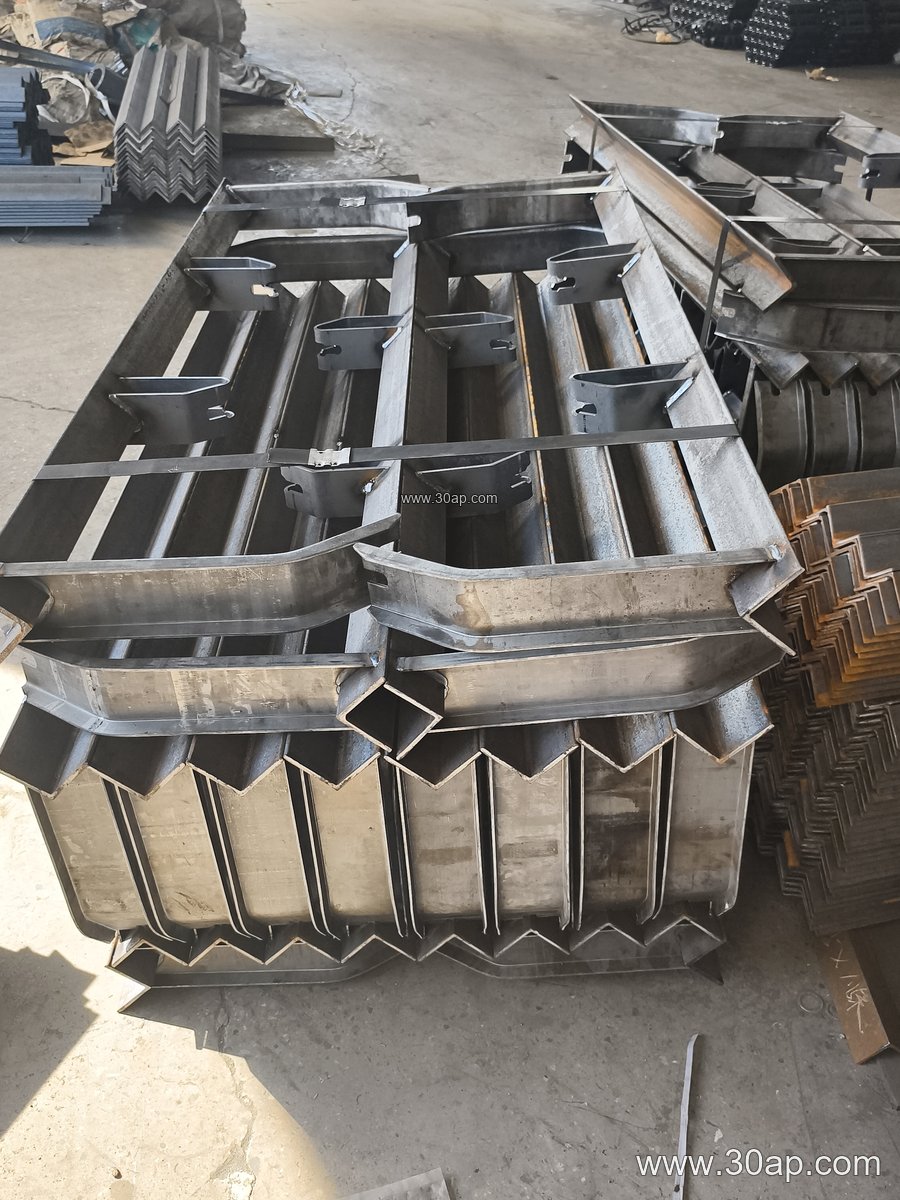
Construction and Mounting Position
Most impact idler brackets are fixed to the conveyor frame with bolts, and their height and angle are set to match the trough angle of the belt. Common trough angles are 20, 30, 35, and 45 degrees. The bracket may be a simple fixed type or an adjustable type that allows the trough angle to be changed within a range. The mounting hole distance and crossbeam length are determined by belt width and trough angle, so they are not universal.
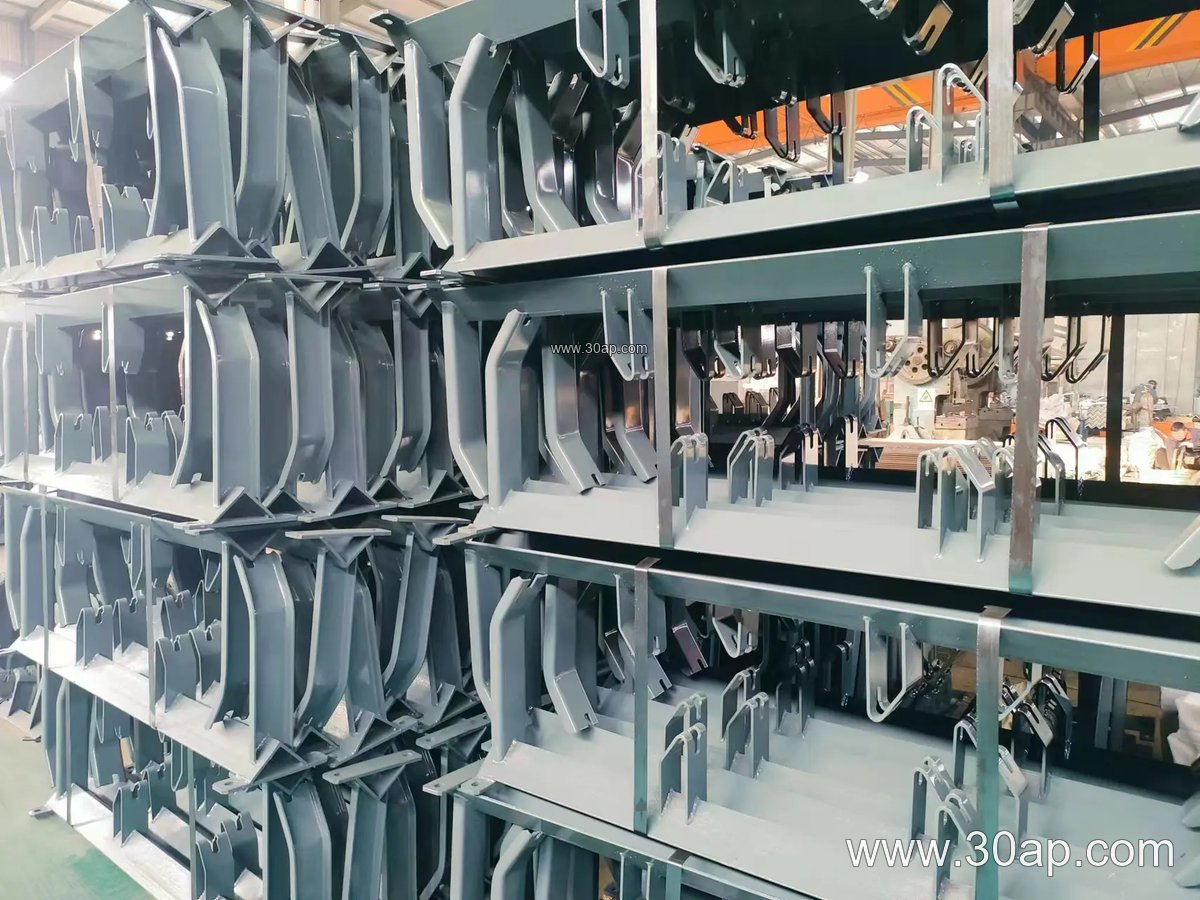
The impact idler bracket is typically installed just after the feed point, often in a series of two or three units to spread the impact energy. In a cement plant or power plant coal handling system, this bracket works together with a heavy-duty conveyor belt to handle sharp and abrasive materials. The bracket must be aligned with the conveyor pulley and the idler roller to avoid belt misalignment.
Where It Is Used
You will find impact idler brackets in mines, quarries, aggregate plants, and bulk material handling terminals. In an iron ore or copper ore operation, the bracket supports the belt under the primary crusher discharge. In a coal mining conveyor, it helps protect the belt from large lumps. The bracket is also used in sand making plants and stone crushing lines, where the feed material is heavy and irregular.
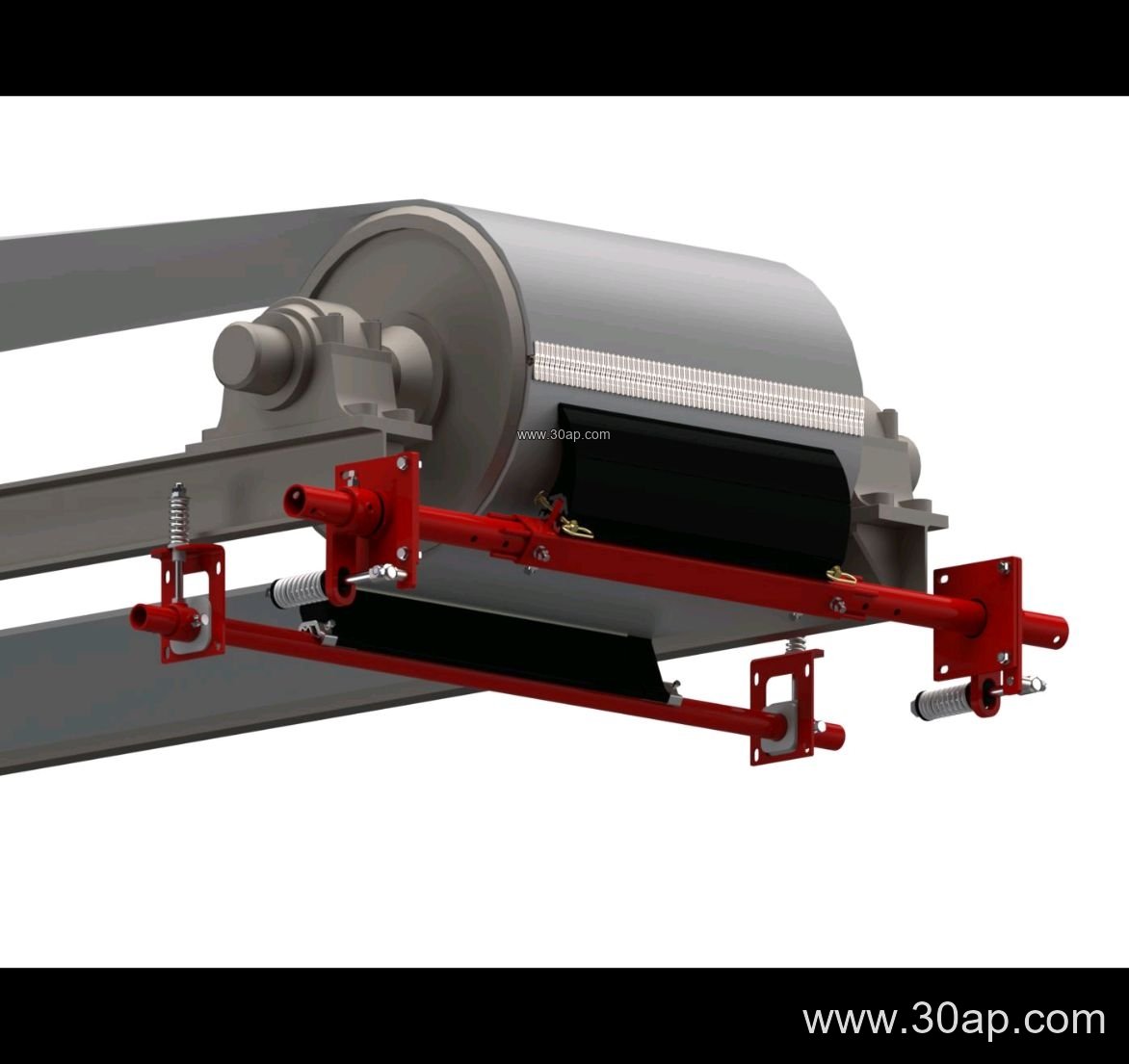
It is not a replacement for a conveyor pulley or a drive pulley; those are different components. The impact idler bracket is a specific support for impact idlers, and it should be selected to match the belt width, trough angle, and roller diameter. For example, a B800 belt with a 35-degree trough may use Ø108 impact rollers, while a B1200 belt with a 45-degree trough may use Ø133 rollers. These are common combinations, but the final choice depends on the conveyor design.
Selection Tips for Buyers
When choosing an impact idler bracket, consider the belt width, the trough angle, and the roller diameter. The bracket must fit the conveyor frame and the idler roller mounting dimensions. Check the material and thickness of the bracket; heavier steel is better for high-impact areas. Adjustable brackets are useful if you want to fine-tune the trough angle or if the belt may be changed later.
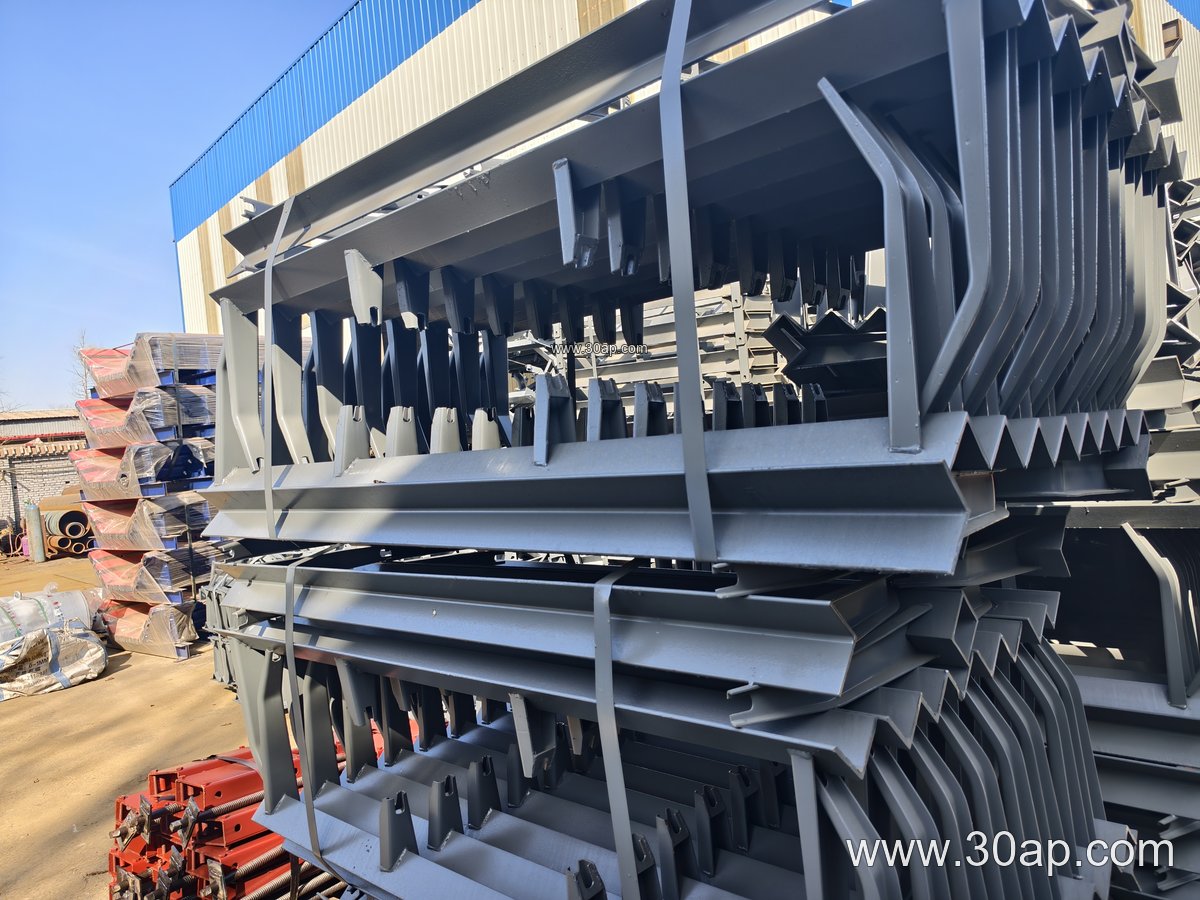
Also think about the conveyor belt type. A flame retardant conveyor belt or an abrasion resistant conveyor belt may need different impact protection. In underground mining, a fire resistant conveyor belt is often required, and the bracket should be compatible with the idler rollers used there. The bracket itself does not contact the belt directly, but it must hold the idlers firmly so they can do their job.
Maintenance and Compatibility
Regular inspection of the impact idler bracket is important. Check for loose bolts, bent steel, or worn mounting holes. Replace any bracket that shows cracks or deformation. Keep the idler rollers turning freely; a stuck roller can wear the belt quickly. In a port or ship loading facility, the bracket may be exposed to salt air, so a painted or galvanized finish can help.
Remember that an impact idler bracket is not the same as a bend pulley bracket or a tail pulley bracket. Each has its own function. Use the correct bracket for the correct location, and consult the conveyor design for the right dimensions. For more information on conveyor components, visit our site for conveyor belt and idler roller guidance.