What a Coal Mine Belt Conveyor Pulley Does
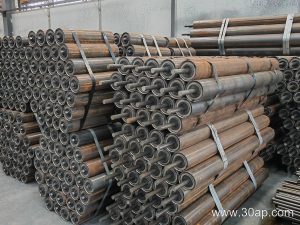
A coal mine belt conveyor pulley is the rotating drum that drives, tensions, or redirects the conveyor belt in a coal haulage system. In underground coal mining and surface coal handling, these pulleys work with a flame retardant conveyor belt and idler roller sets to keep coal moving from the face to the preparation plant or stockpile. The pulley is not a passive part; it transfers torque, maintains belt tension, and helps the belt track correctly under heavy loads. Drive pulleys at the head end transmit power, tail pulleys at the loading end provide tension, and bend pulleys change belt direction around take-ups or transfer points.
Construction and Surface Options
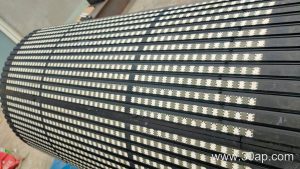
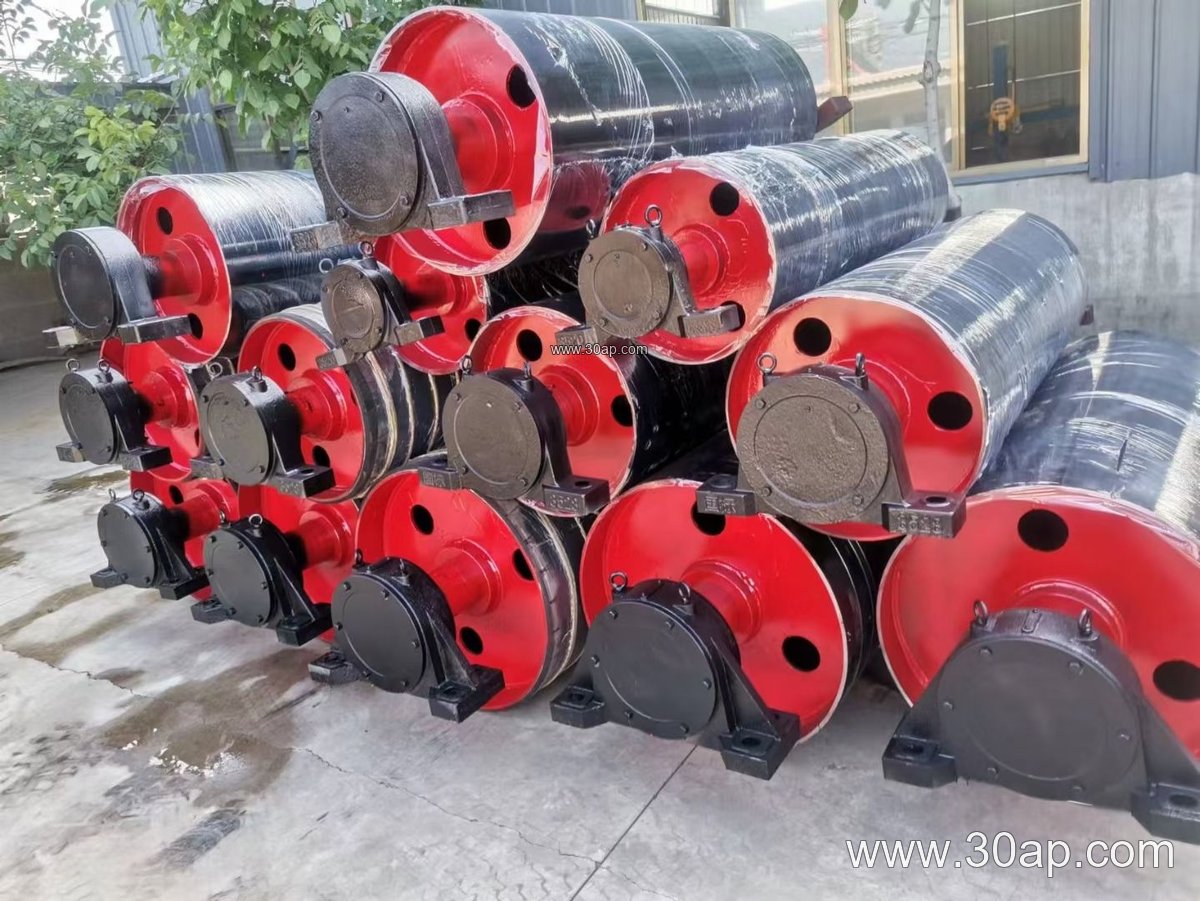
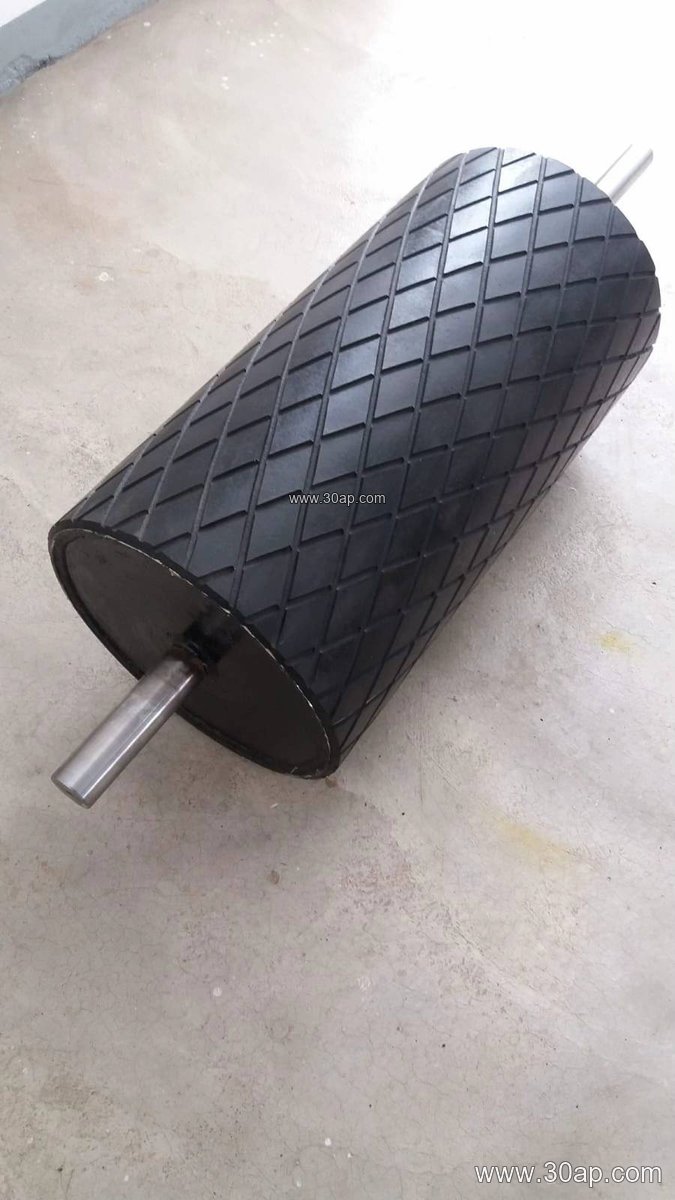
A typical coal mine belt conveyor pulley uses a welded steel drum with a shaft, hub, and bearing housing. The shell may be plain or covered with rubber, ceramic, or diamond pattern lagging to improve grip and reduce slip. Lagging thickness commonly ranges from 8 mm to 20 mm depending on the duty. For coal operations, flame retardant and anti-static properties are often required for the belt and lagging materials. The pulley face width is usually wider than the belt, for example a B1200 belt may use a pulley face of about 1400 mm, while a B800 belt may use about 950 mm. Diameters vary by design and load, with common sizes including Ø500, Ø630, Ø800, Ø1000, and Ø1250. Shaft diameters are determined by torque and load, not by belt width alone; typical shaft sizes include Ø80, Ø100, Ø120, Ø140, and Ø160.
Common Pulley Types and Reference Sizes
The table below shows reference combinations, not fixed rules. A coal mine may use different diameters for the same belt width depending on tension and space.
| Pulley Type | Reference Belt Width | Reference Diameter | Typical Surface |
|---|---|---|---|
| Drive pulley | B800 | Ø500 | Diamond lagging |
| Drive pulley | B1200 | Ø1000 | Rubber lagging |
| Tail pulley | B1000 | Ø630 | Plain or rubber |
| Bend pulley | B1400 | Ø800 | Plain |
| Take-up pulley | B650 | Ø400 | Rubber lagging |
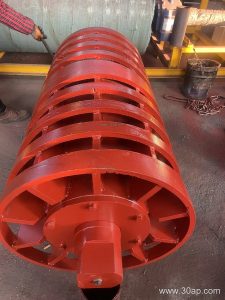
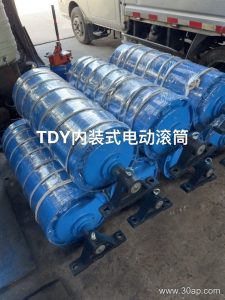
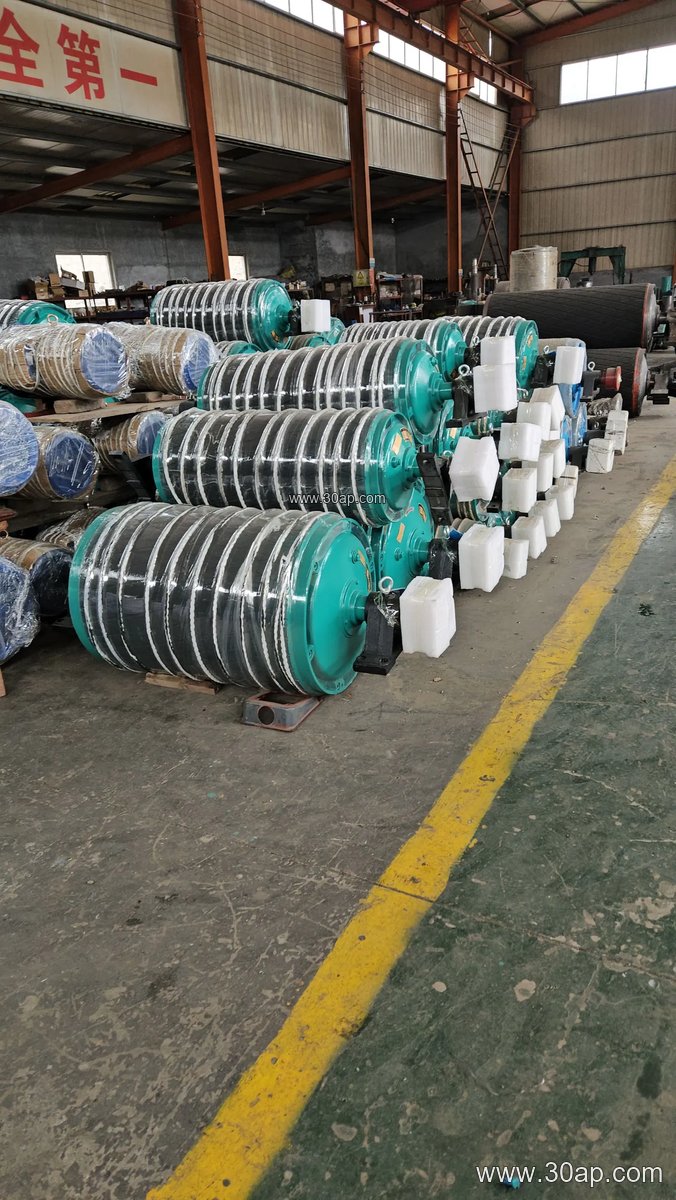
Other types such as the electric pulley or wing pulley are used in specific transfer or cleaning duties, but they are not replacements for a drive or tail pulley in the main coal haulage line.
Where It Fits in Coal Mining and Handling
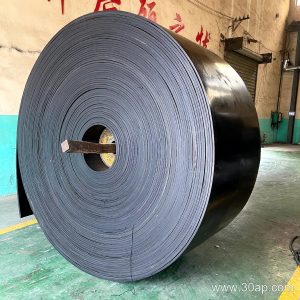
In an underground coal mining conveyor belt system, the drive pulley is often located at the transfer point or drift, while the tail pulley sits near the feeder breaker. Bend pulleys are used around take-up towers and vertical curves. In a coal preparation plant or power plant coal yard, the same pulley types handle coal from stockpile to boiler or wash plant. The pulley must match the conveyor belt, whether it is a steel cord conveyor belt for long haulage or a multi-ply fabric core conveyor belt for shorter runs. A heavy-duty mining conveyor belt with high abrasion resistance is common where coal contains rock or shale.
Buyer Checklist for Coal Mine Pulley Selection
- Confirm the pulley role: drive, tail, bend, take-up, or snub. These are not interchangeable names; each has a different load and tension duty.
- Match pulley face width to belt width with a margin, for example B1000 belt with about 1150 mm face.
- Specify lagging type and thickness based on slip risk and coal dust conditions. Flame retardant and anti-static lagging may be needed underground.
- Provide shaft diameter based on torque calculation, not only belt width. Common shaft sizes include Ø70, Ø90, Ø110, and Ø130.
- Check bearing housing and conveyor bracket dimensions for alignment with the conveyor frame.
- For underground coal mining conveyor belt systems, verify that the pulley and lagging materials meet the mine’s fire safety requirements.
Working with the conveyor belt supplier and pulley manufacturer early helps avoid mismatch between belt tension, pulley diameter, and shaft load. A coal mine belt conveyor pulley that is correctly sized for the drive, tail, or bend position will reduce belt slip, extend lagging life, and keep coal flowing through the mine and preparation plant.