What an Impact Idler Bracket Does
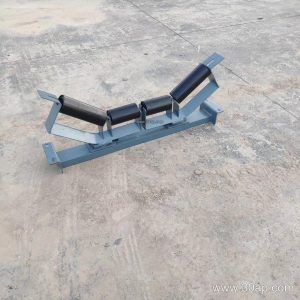
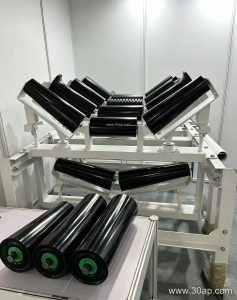
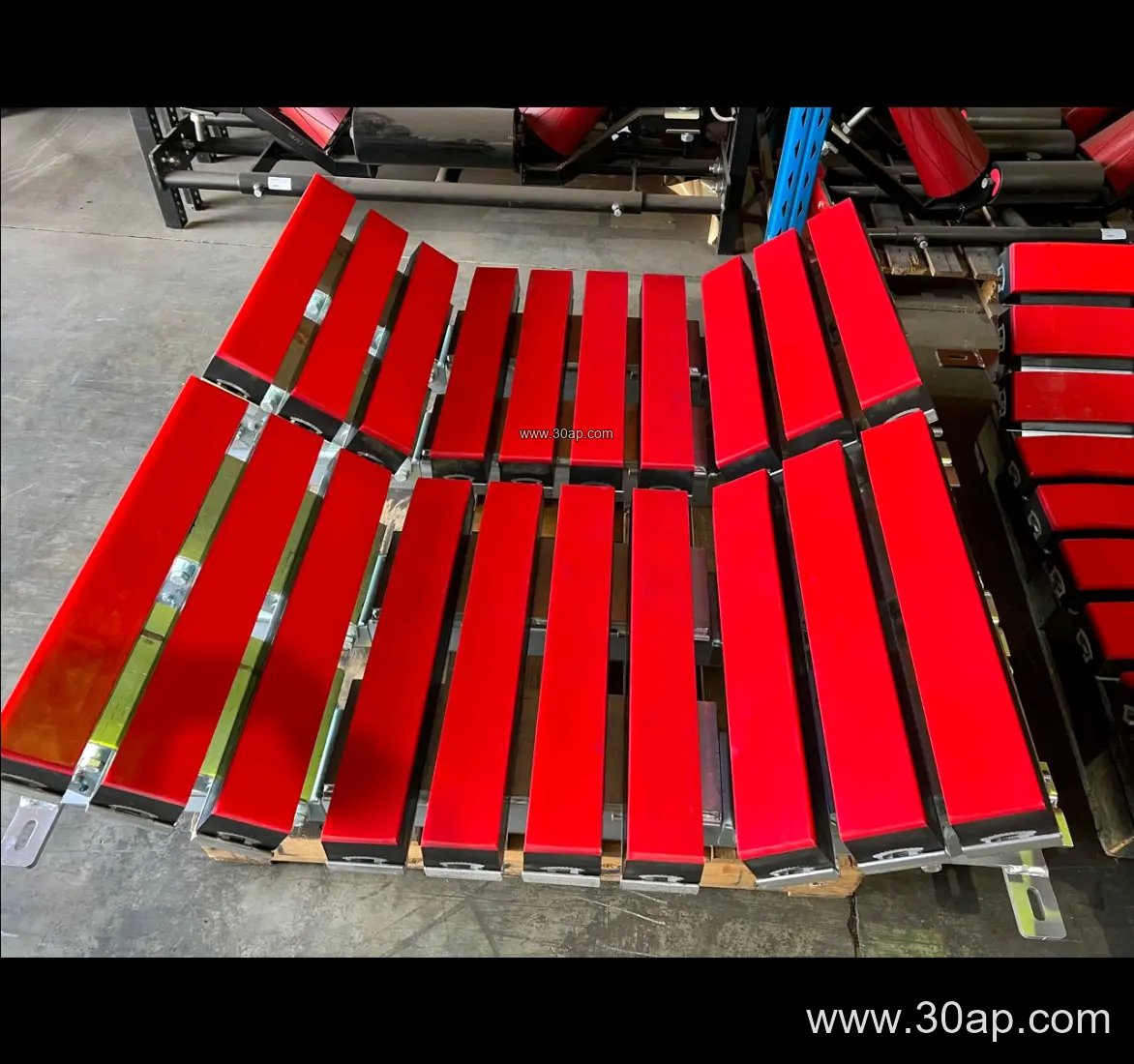
An impact idler bracket is the support that holds impact idler rollers in place directly beneath a conveyor loading point. Where a standard troughing frame carries the belt along the run, this bracket sits at the transfer chute and absorbs the first force of falling material. In a quarry, a crusher discharge, or a coal handling line at a power plant, the belt takes repeated hammering as rock, ore, or clinker drops onto it. The bracket keeps the impact rollers at the correct height and angle so the belt is cushioned rather than pinched between the load and a rigid frame.
The same component is also described as an impact roller support bracket or a buffer idler bracket. It is not a substitute for a troughing idler frame, a return bracket, or a self-aligning bracket; each has its own position and job on the conveyor structure.
How the Bracket Is Built
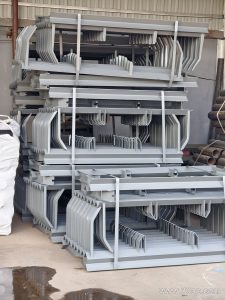
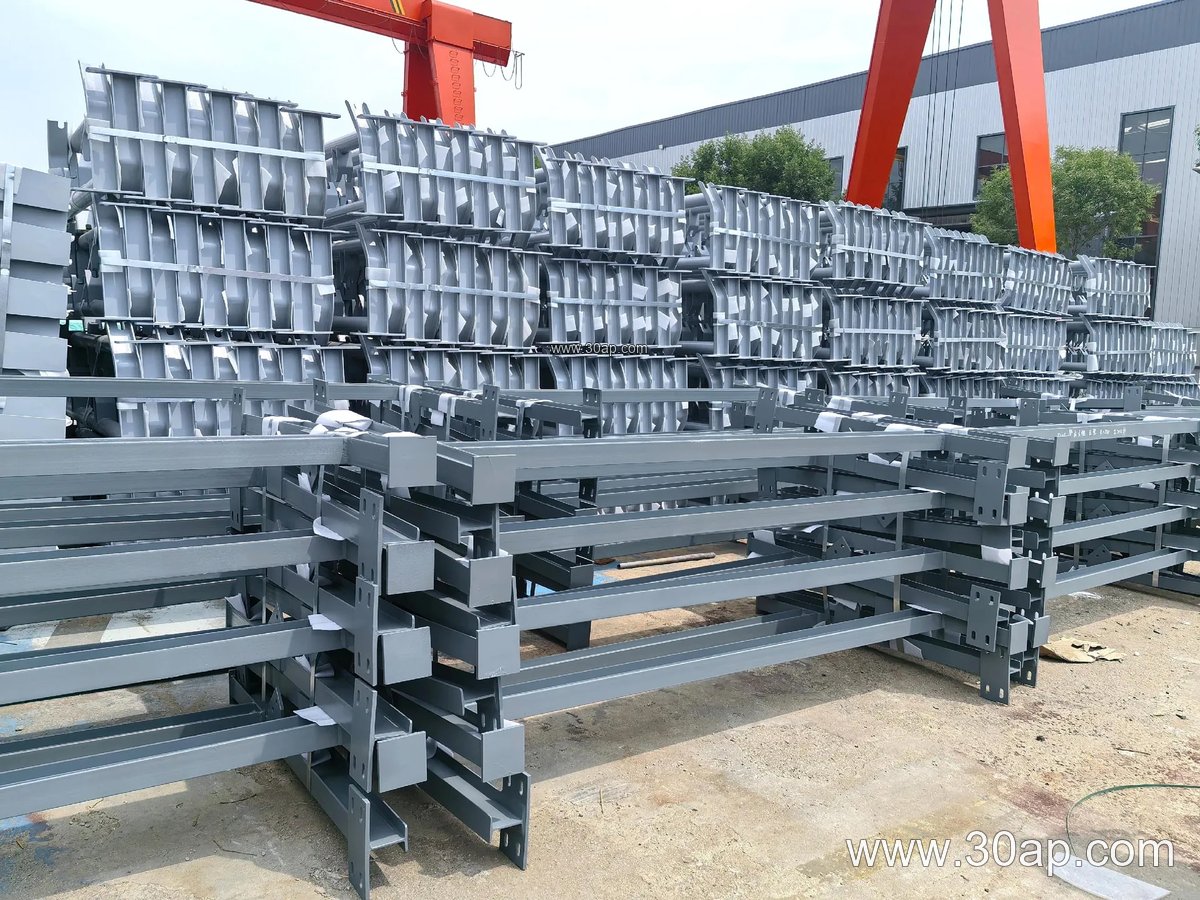
Most impact idler brackets are fabricated from angle steel, channel steel, or folded steel plate. The frame is welded or bolted into a rigid unit with mounting holes that match the conveyor stringer spacing. Because the bracket must survive shock loads, the welds and plate thickness matter more than cosmetic finish. Rubber rings or cushioning elements on the impact rollers work together with the bracket to spread the falling energy.
A bracket is usually matched to a belt width, a trough angle, and a roller diameter. Typical combinations look like this, and the figures are common references rather than fixed rules:
| Belt width | Trough angle | Roller diameter | Typical duty |
|---|---|---|---|
| B650 | 30 degrees | Ø89 | Small aggregate lines |
| B800 | 35 degrees | Ø108 | Sand and gravel plants |
| B1000 | 35 degrees | Ø133 | Cement and coal handling |
| B1200 | 45 degrees | Ø133 | Iron ore and heavy bulk |
| B1400 | 35 degrees | Ø159 | Port and stockyard conveyors |
| B1600 | 45 degrees | Ø159 | Large primary crushing |
Mounting hole spacing and crossbeam length change with belt width and trough angle, so they should be confirmed against the actual conveyor drawing. A B1200 frame at 45 degrees will not share the same hole pattern as a B1200 frame at 30 degrees. Adjustable versions allow the trough angle to be set between common positions such as 20, 30, 35, and 45 degrees, which helps when a loading zone is being reworked.
Where It Fits on the Conveyor
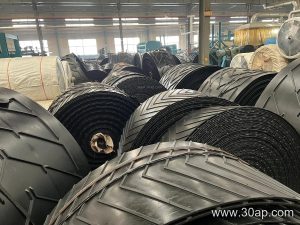
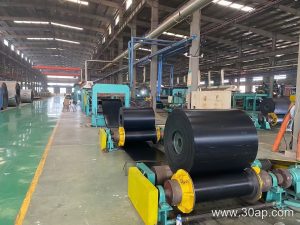
The bracket is installed at the feed point, just downstream of the skirtboards or the transfer chute. It usually works alongside a skirted conveyor belt or a corrugated sidewall belt that keeps material centered during the drop. On a long overland line carrying iron ore or copper ore, a series of impact brackets may be spaced under the load zone, followed by standard troughing idlers. The transition from impact support to normal carrying idlers should be gradual so the belt does not kink.
In a coal mining conveyor or an underground coal mining conveyor, flame retardant conveyor belt and anti-static conveyor belt are common, and the bracket must be positioned so the belt edge does not rub the frame. In a cement plant, heat resistant conveyor belt may be used near kiln discharge, and the bracket layout should leave room for the belt to expand and contract. Whatever the material, the impact bracket stays at the loading point; it does not replace the drive pulley, tail pulley, or bend pulley, which handle tension and direction changes.
Choosing the Right Bracket
- Confirm belt width and the actual trough angle used at the load zone.
- Match roller diameter to the impact roller series already on the conveyor.
- Check the stringer spacing and mounting hole pattern before ordering.
- Decide between fixed and adjustable designs depending on future changes.
- Consider the material drop height and lump size, since these drive the shock load.
Buyers often compare a fixed bracket with an adjustable one. The fixed type is simple and rigid, while the adjustable type lets maintenance crews correct the trough angle after the belt has been installed. Neither is automatically better; the choice depends on how much flexibility the plant expects. It also helps to review the conveyor bracket and conveyor bracket dimensions together with the idler roller supplier, because a mismatch in hole spacing can stall an installation.
Maintenance Notes
Inspect the bracket after the first weeks of operation, when bolts may loosen under vibration. Look for bent crossbeams, cracked welds, and worn mounting holes. Replace damaged impact rollers before the bracket itself deforms, since a seized roller can transfer shock directly into the frame. In dusty sites such as a lime kiln feed or a stone crushing line, clean the area around the bracket so material buildup does not force the belt against the structure. A bracket that is kept square and tight will protect the belt and the idler roller set for a long service life.