Understanding the Conveyor Bracket
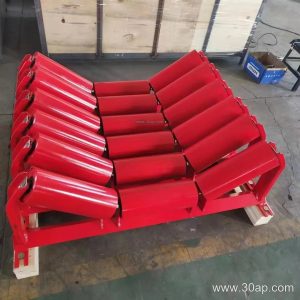
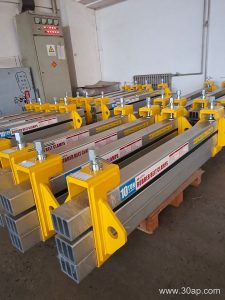
The conveyor bracket is the structural backbone of any belt or roller system, securing frames, guiding tracks, and absorbing dynamic loads. Choosing the wrong bracket causes misalignment, belt wear, and unplanned downtime.
Key Selection Criteria
- Material: Steel brackets for heavy loads; stainless for food or corrosive environments; aluminum for lightweight, high-speed lines.
- Adjustability: Slotted or multi-angle brackets allow fine-tuning of roller height and belt tension without re-welding.
- Load rating: Verify static and dynamic capacity against your product weight plus vibration factor.
Purchasing Advice
Always match the bracket’s bolt pattern to your existing frame’s rail spacing. Request galvanized or powder-coated finish for outdoor use. For angled transfers, opt for swivel brackets with locking pins to maintain repeatable positioning.
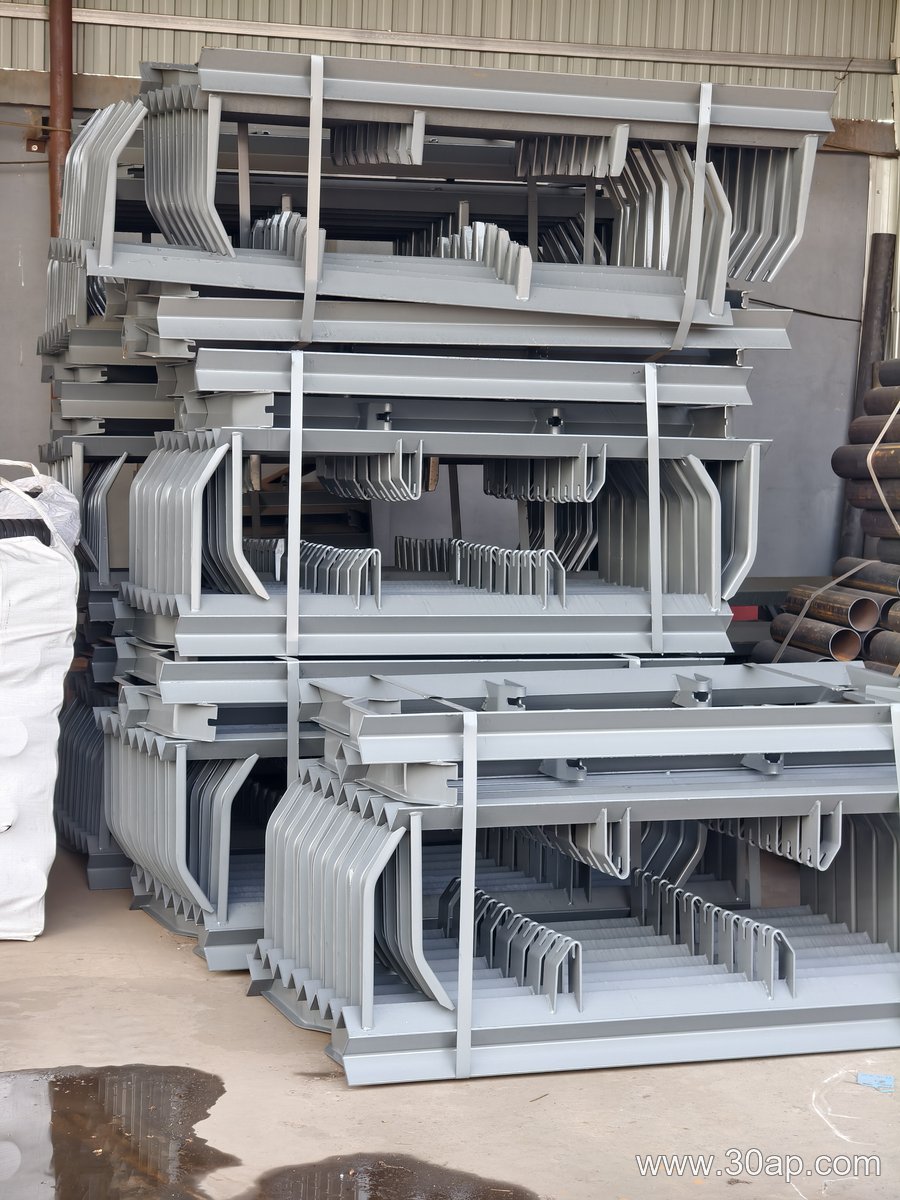
Finally, inspect wall thickness at the weld joints—cast brackets often crack under cyclic stress. Buy from suppliers who provide certified load charts and replacement gussets.
Why the Conveyor Belt Remains Your System’s Core
The conveyor belt is the single most critical component in any material handling line. A poorly selected belt causes downtime, product damage, and inflated energy costs. Before purchasing, evaluate belt material, carcass strength, and surface profile against your load type, temperature range, and chemical exposure.
Key Selection Factors
- Load weight and abrasiveness: Heavy, sharp materials demand rubber or multi-ply belts with reinforced covers; lighter goods may allow thermoplastic or fabric belts.
- Environmental conditions: Heat above 80°C requires heat-resistant compounds; oily or acidic environments need nitrile or PVC covers.
- Belt speed and tension: Confirm the belt’s rated working tension (kN/m) matches your drive pulley and take-up design.
Practical Purchasing Advice
Always request a flex test and splice sample from the supplier. Check that the belt’s edge treatment and thickness comply with ISO 15236 or DIN 22102 standards. Plan for spare stock of the same roll batch to avoid color or gauge mismatch. Calculate total cost per ton moved, not just initial price—energy-saving low-rolling-resistance belts often pay back within 18 months.
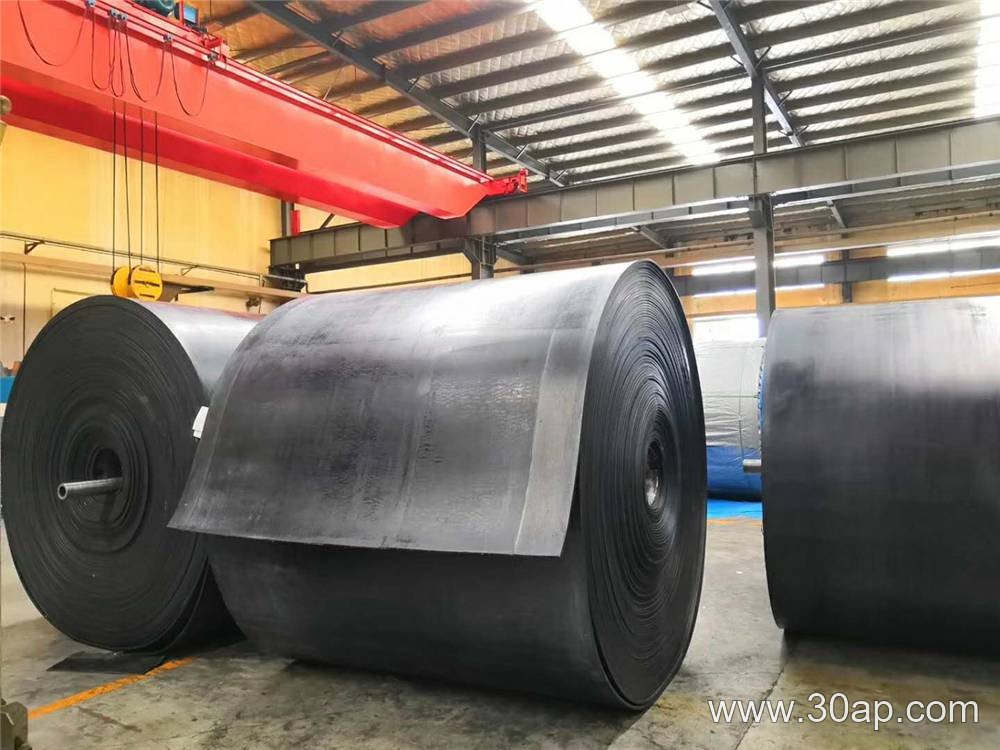
Finally, specify a belt with a proven tracking groove or v-guide if your conveyor is long or crowned pulleys are insufficient. For retrofits, measure the existing pulley diameter and lagging to avoid premature wear. When in doubt, request a site survey from the manufacturer to match the belt profile to your actual idler spacing.
Understanding the Idle Roller’s Critical Role
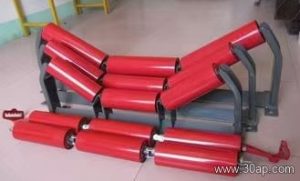
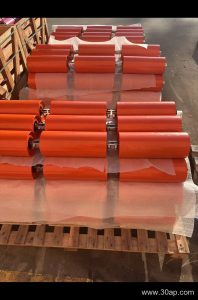
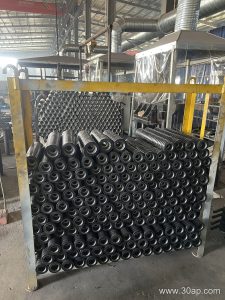
The idler roller is the unsung backbone of any bulk material handling conveyor. It supports the belt and cargo, minimizes friction, and maintains proper tracking. Choosing the wrong one leads to premature belt wear, increased downtime, and higher operating costs.
Key Selection Criteria
When specifying an idler roller, evaluate the following factors against your operational environment:
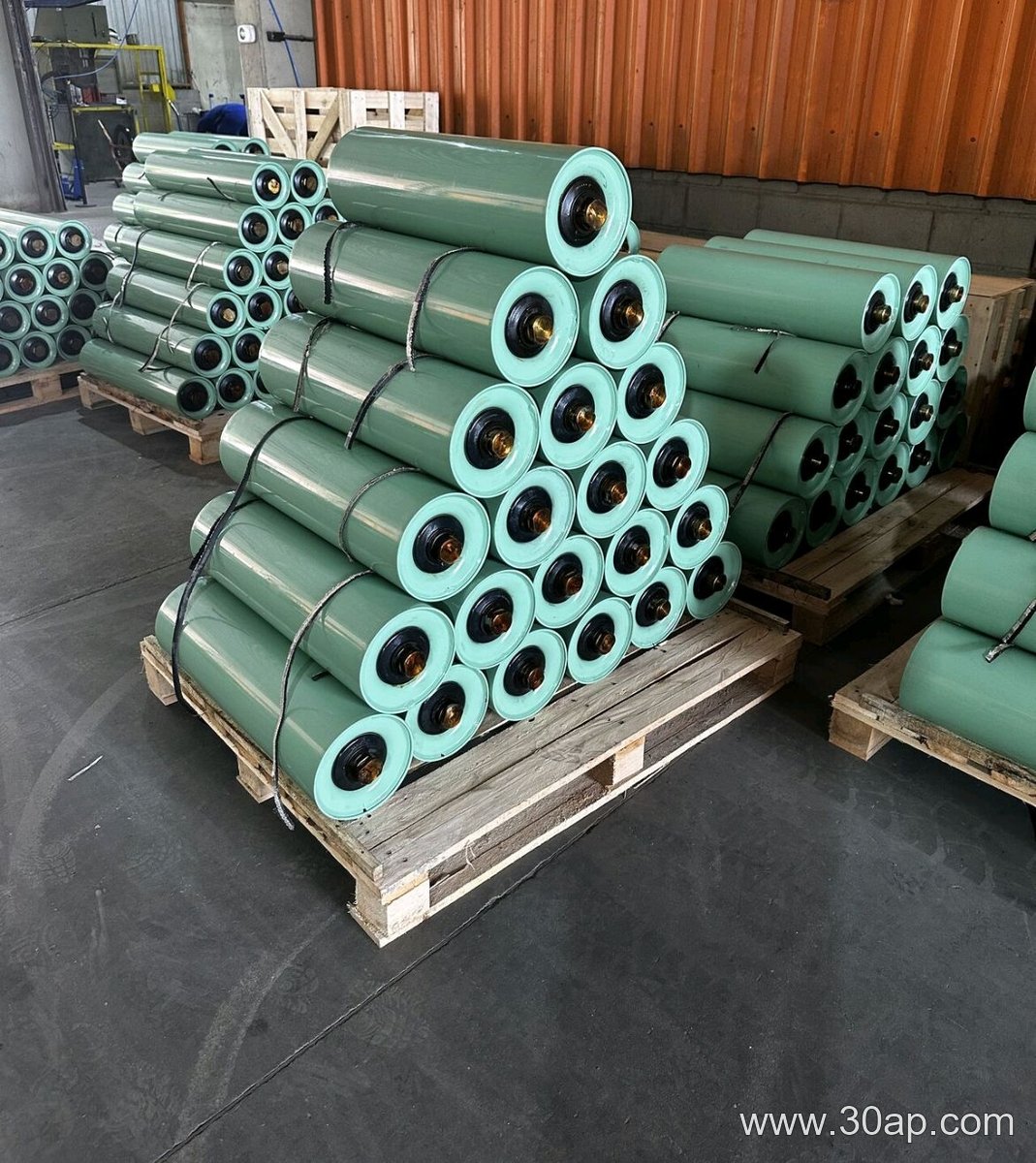
- Load rating: Match the roller’s dynamic capacity to your peak tonnage, not average flow.
- Diameter and shell thickness: Larger diameters reduce belt sag and impact stress, while thicker shells resist abrasion.
- Sealing system: For dusty or wet sites, choose labyrinth or contact seals to protect bearings.
- Bearing type: Deep-groove ball bearings suit moderate speeds; tapered rollers handle higher radial and thrust loads.
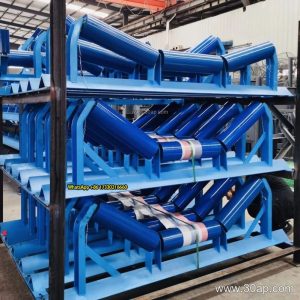
- Frame and mounting: Ensure the idler frame matches your existing trough angle (20°, 35°, or 45°) and belt width.
Purchasing Advice
Always request certified test data for idler roller runout and rolling resistance. Verify the supplier’s compliance with CEMA or ISO standards. For impact zones, specify a dedicated impact idler roller with rubber cushioning, never a standard unit. Also, consider future maintenance: choose rollers with replaceable bearings and shafts to reduce spare-part inventory.
Finally, compare total lifecycle cost—not just the upfront price. A high-quality idler roller with superior seals will outperform a cheaper alternative, cutting energy use and replacement frequency by up to 30%.
Why the Conveyor Pulley Determines System Uptime
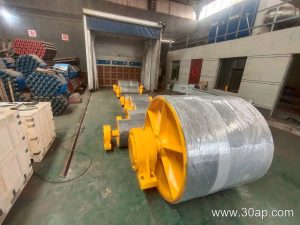
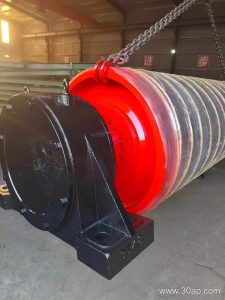
The conveyor pulley is the mechanical heart of any belt conveyor, transmitting drive torque and maintaining belt tension. A poorly chosen pulley leads to slippage, misalignment, and premature belt failure. For industrial buyers, prioritizing the pulley’s duty rating, shell thickness, and shaft diameter is the first step toward long-term operational stability.
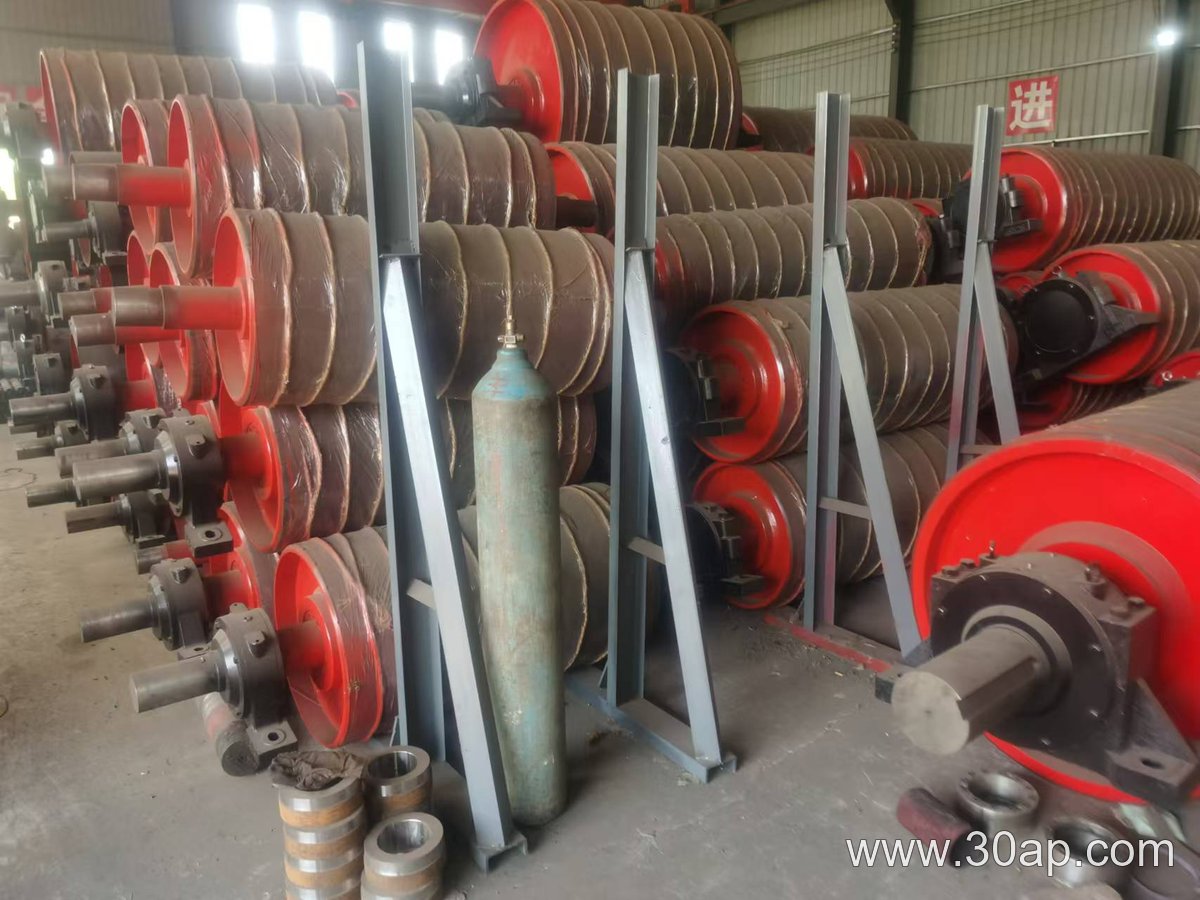
Key Design Considerations for Your Conveyor Pulley
- Duty classification: Match the pulley to CEMA or ISO standards based on belt tension and load—never oversize or undersize blindly.
- Lagging type: Choose ceramic lagging for high-slip wet conditions, or rubber lagging for general abrasive environments.
- Bearing and shaft selection: Verify the equivalent radial load and calculate fatigue life; use tapered bushings for easier maintenance.
Purchasing Advice for Conveyor Pulleys
- Request crown face profiles on drive pulleys to aid belt tracking.
- Inspect weld quality and dynamic balancing reports before acceptance.
- Specify replaceable end discs or removable hubs to reduce downtime costs.
- Always confirm the pulley’s maximum permissible shaft deflection under starting torque.
When in doubt, provide your conveyor’s full tension profile—not just motor power—to the manufacturer. A correctly engineered conveyor pulley reduces energy consumption, extends belt life, and ensures predictable material flow.