What a PVG Conveyor Belt Is
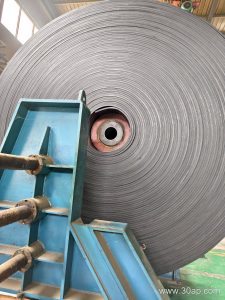
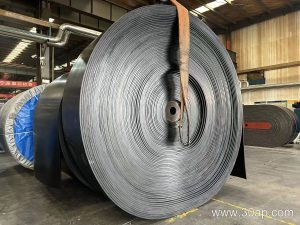
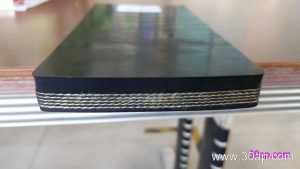
A PVG conveyor belt is a solid-woven fabric belt with polyvinyl chloride (PVC) covers, typically used in underground coal mining and other demanding bulk material handling where flame resistance and antistatic properties are required. The “G” in PVG often denotes grade or construction features, and the product is also known as a PVC/PVG solid woven conveyor belt. It is distinct from rubber-covered multiply belts such as EP or NN conveyor belts, though all are part of the same conveyor belt family.
Construction and Key Components
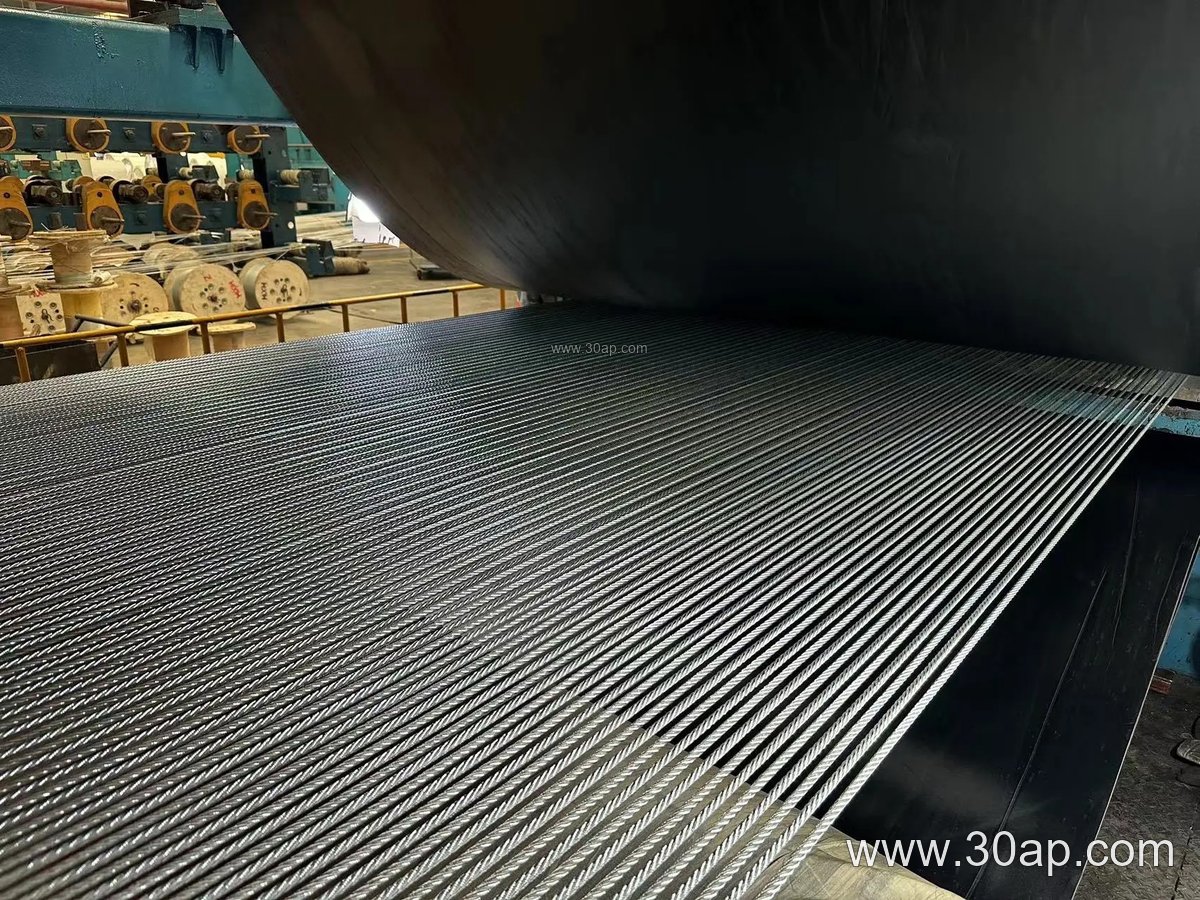
The belt is built around a solid-woven fabric core that provides tensile strength and resistance to impact and tearing. The core is impregnated and covered with PVC compounds that seal the fabric and deliver the required surface properties. Common constructions include:
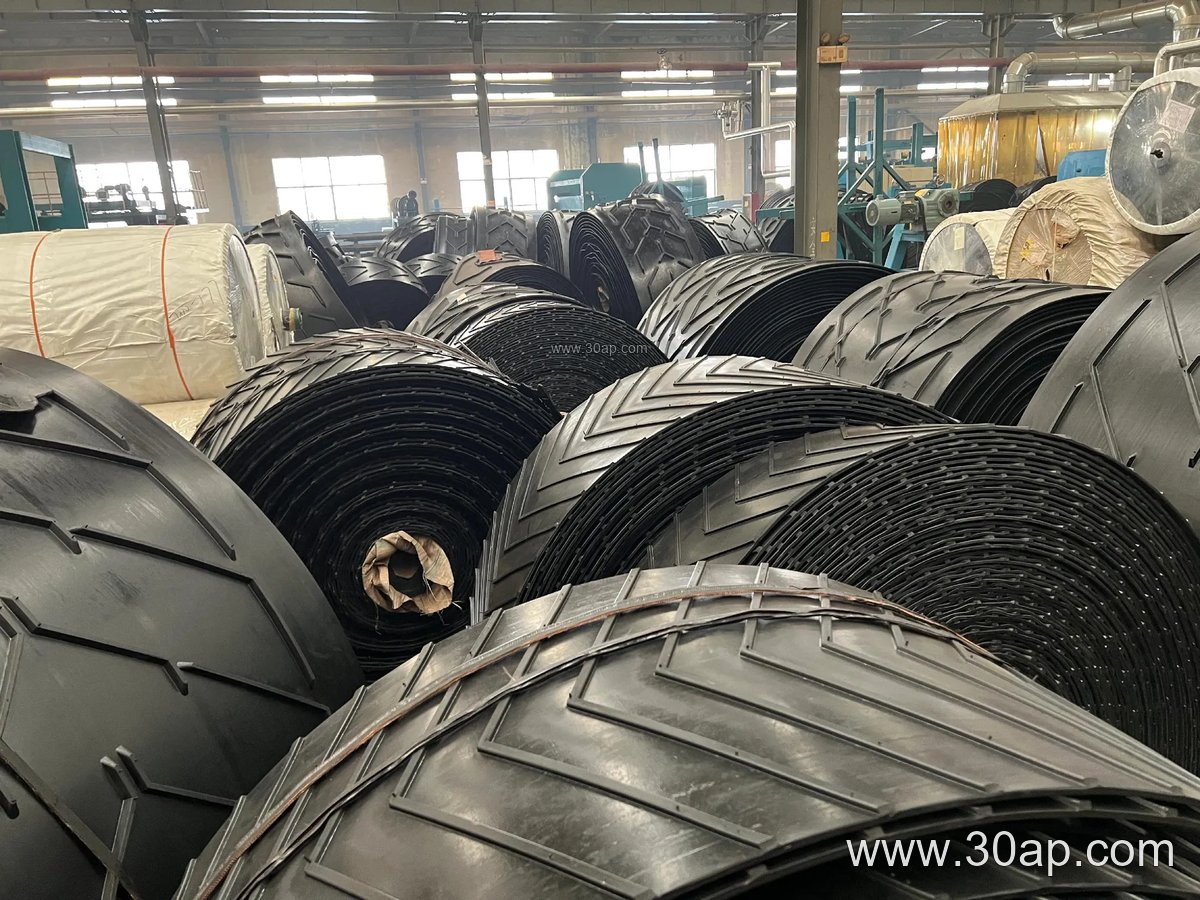
- Solid-woven fabric core with PVC impregnation
- Top and bottom PVC covers in various thicknesses
- Flame-retardant and antistatic additives for underground use
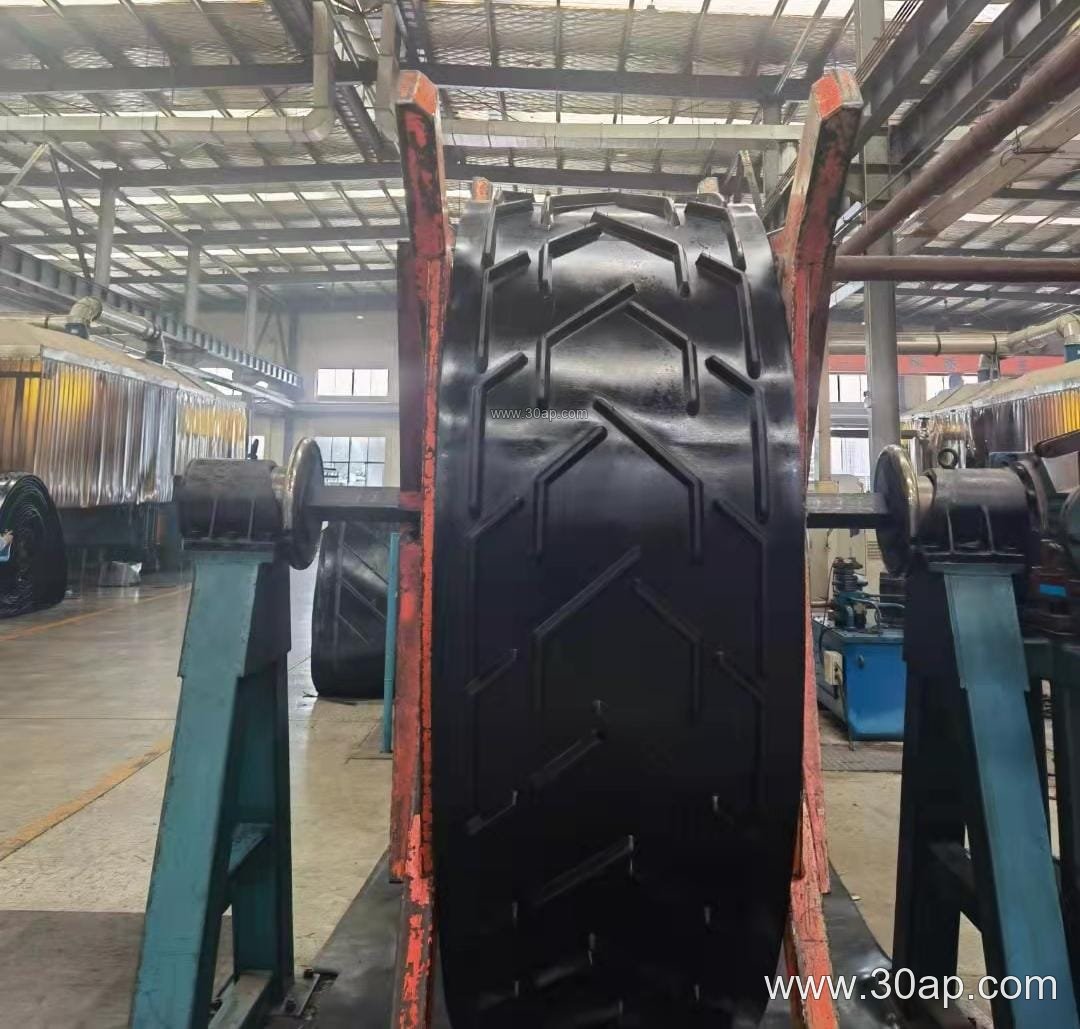
- Optional surface patterns such as chevron or cleated profiles for inclined conveying
Cover thickness and core strength are specified according to the application; typical cover combinations might be 3+1.5 mm, 4+2 mm, or 6+2 mm, and the number of fabric layers (where applicable) is usually 2 to 6. These values are reference data and should be confirmed with the manufacturer for the actual duty.
Where PVG Belts Are Used
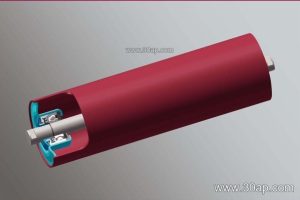
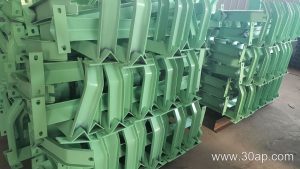
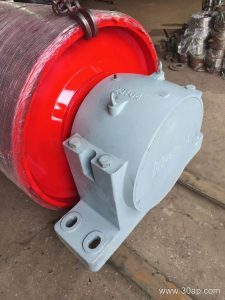
PVG conveyor belts are common in underground coal mines, power plants, cement plants, and other bulk handling operations where fire safety and static control are priorities. They suit main haulage and panel belts in mining, as well as transfer points and inclined sections in aggregate and sand plants. In these systems, the belt works together with conveyor pulleys (drive, tail, and bend pulleys), idler rollers, and conveyor brackets to form a complete conveyor. Drive, tail, and bend pulleys have different functions and are not interchangeable; the belt specification must match the pulley arrangement and loading conditions.
Typical Specifications and Parameters
PVG belts are available in a range of strengths and widths to suit different conveyor designs. The following table gives common examples; actual supply will depend on the manufacturer and project requirements.
| Parameter | Common Range / Examples |
|---|---|
| Belt width | B500, B650, B800, B1000, B1200, B1400, B1600, B1800, B2000 |
| Tensile strength (reference) | EP200, EP315, EP400, EP500, EP630, EP800, EP1000 (for equivalent constructions) |
| Cover thickness | 3+1.5 mm, 4+2 mm, 5+2 mm, 6+2 mm, 8+3 mm |
| Fabric layers (where applicable) | 2 to 6 layers |
| Surface options | Plain, chevron, cleated, or other patterns for inclined conveying |
Note that these are not universal specifications; the belt width does not dictate a single pulley diameter, and shaft dimensions must be determined from the conveyor design, not from belt width alone.
Selection and Buyer Considerations
When choosing a PVG conveyor belt, consider the material being conveyed, the operating environment, and the conveyor layout. Key factors include:
- Required flame resistance and antistatic performance for underground or hazardous areas
- Tensile strength to match the conveyor length, incline, and load
- Cover thickness and quality for abrasion, impact, and oil resistance as needed
- Compatibility with the drive pulley, tail pulley, and bend pulley arrangement
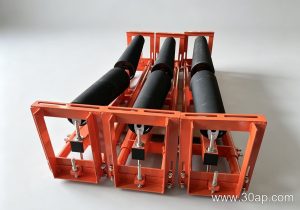
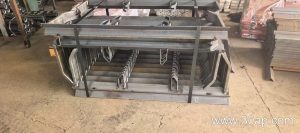
- Idler roller spacing and type, and conveyor bracket configuration
For comparison, EP conveyor belts and NN nylon conveyor belts are often used in surface applications where rubber covers are preferred, but they are not a substitute for PVG in underground coal mines. Other subtypes such as heat-resistant or oil-resistant belts serve specific conditions; the PVG belt remains the subject here.
Maintenance and Handling Tips
Proper installation and maintenance extend belt life. Ensure the belt is tracked correctly on the pulleys and idlers, and check for damage at transfer points. Keep the conveyor pulleys clean and aligned, and inspect idler rollers for seized bearings that can damage the belt edge. Use suitable conveyor brackets to maintain structure rigidity. Avoid excessive tension and impact loading, and store belts in a dry, shaded area away from ozone sources. For flame-retardant PVG belts, follow the manufacturer’s recommendations for repair and splicing to preserve safety properties.