What the Lower Self-Aligning Idler Does
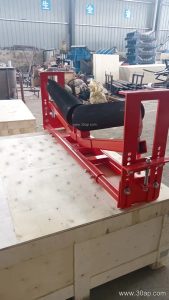
On the return run of a conveyor, the belt often wanders before it reaches the tail pulley. A lower self-aligning idler is a training roller mounted under the returning belt that pivots slightly when the belt drifts, steering it back toward the center line. In many plants it is simply called a self-training return roller or a lower training idler, and it belongs to the return-side group rather than to the carrying side. It is not a bend pulley, a drive pulley or a tail pulley; those are conveyor pulleys that transmit power or change belt direction, while this idler only supports and guides the belt.
Because the return strand carries no material load, the lower self-aligning idler usually works with a lighter frame than a carrying idler, but the tracking job is just as important. A belt that runs off-center can rub the conveyor bracket, fray the edge, and spill fines along the walkway. In a quarry, a coal preparation plant or a cement plant, that kind of drift quickly becomes a maintenance item.
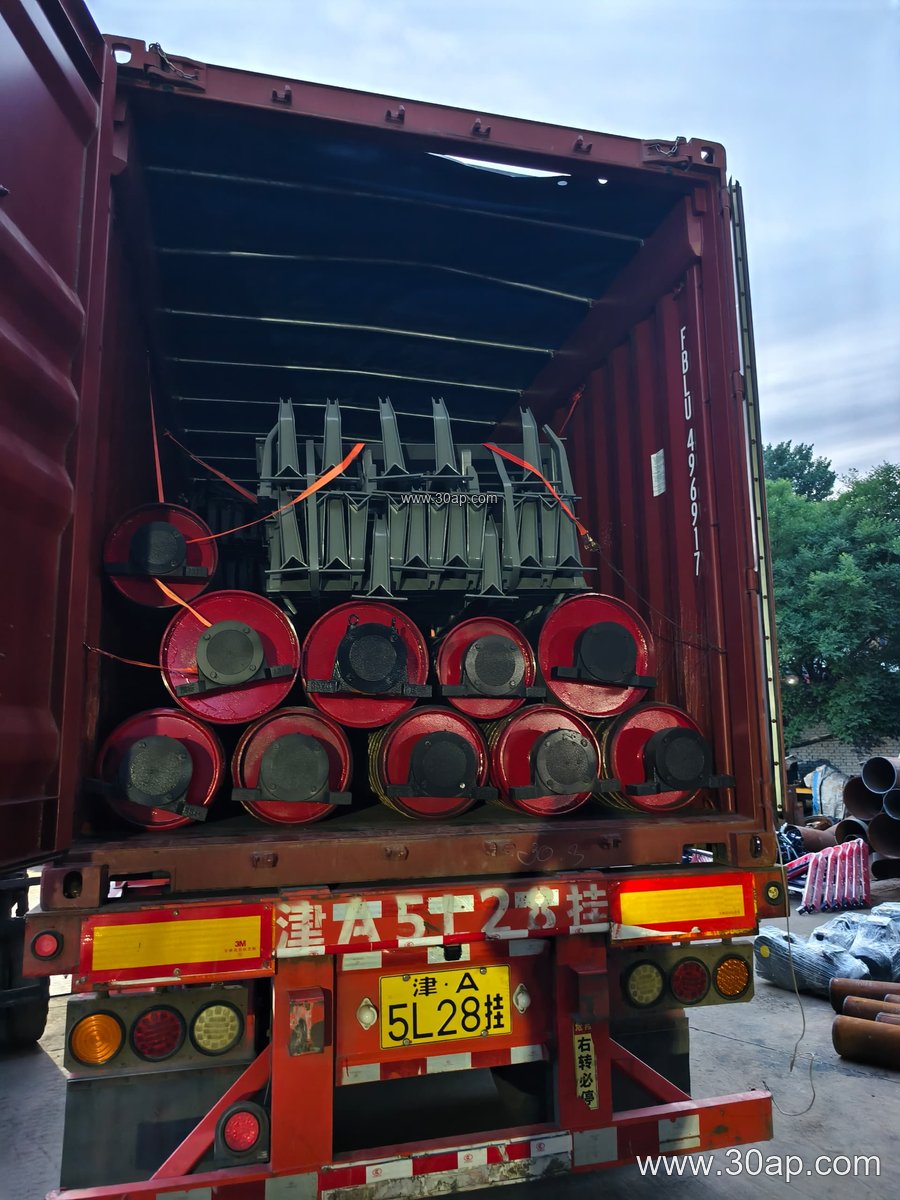
How the Training Action Is Built
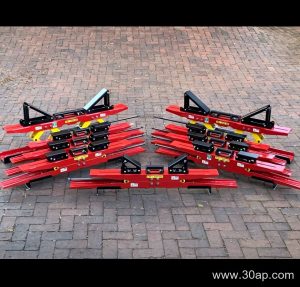
The roller body is normally a steel tube fitted with sealed bearings, and the assembly sits in a pivoting frame. When the belt touches a guide roller or an angled end roller, the frame rotates around a vertical axis, and the roller axis tilts slightly against the belt travel. That small angle produces a sideways force that nudges the belt back. Some designs use a friction training arrangement, and others use tapered end rollers; both are common ways to obtain the same correcting movement.
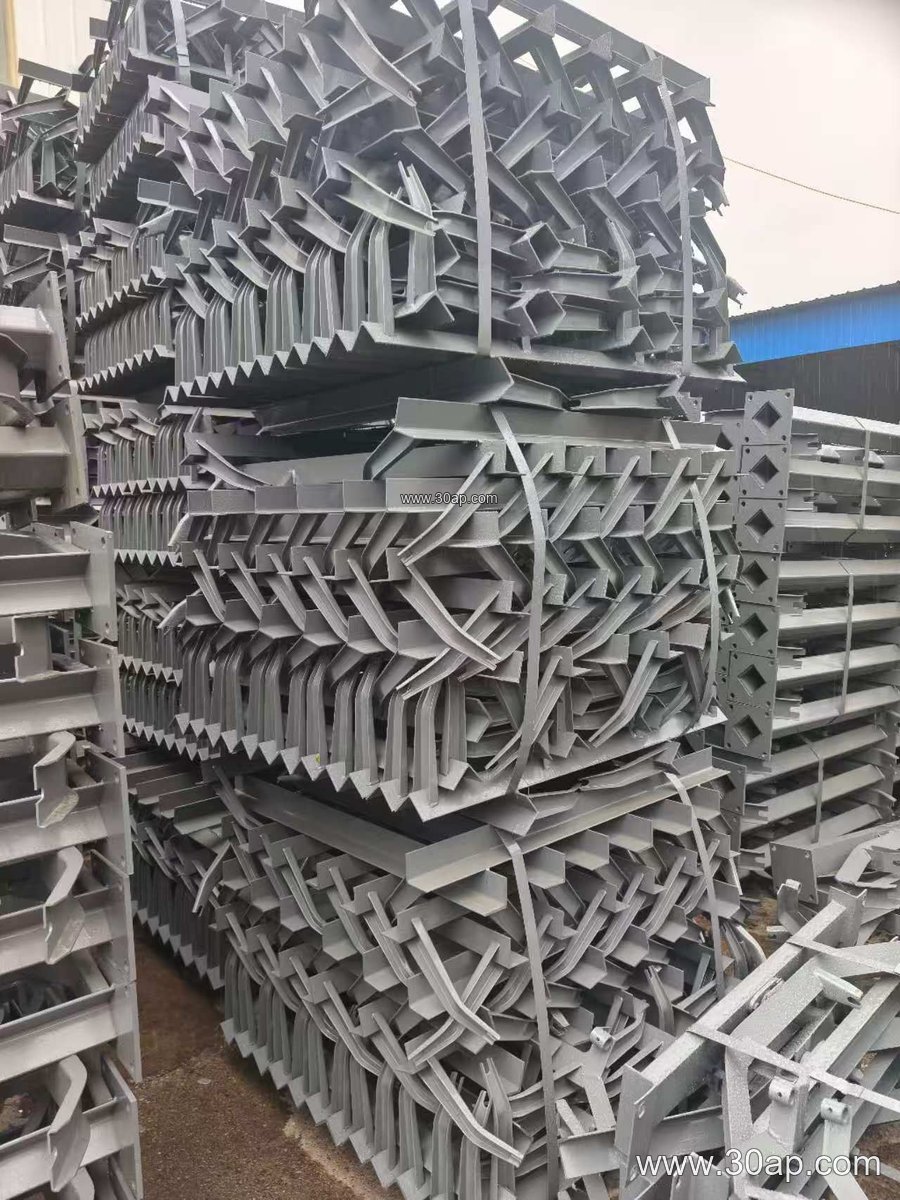
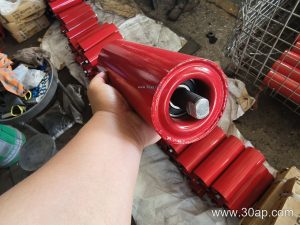
- Tube surface: plain steel, rubber-covered or ceramic-covered, depending on whether buildup or abrasion is a concern.
- Bearing seats: pressed housings with labyrinth or contact seals to keep out dust and water.
- Frame: welded steel with a pivot pin or swivel base that bolts to the conveyor bracket.
- Guide elements: vertical rollers or angled rollers that sense belt edge position.
Sealing quality matters more than many buyers expect. In a stone crushing line or a power plant coal yard, fine dust works into a poor seal and the bearing fails long before the tube wears out. A rubber-covered return roller can also reduce slip and noise on a fast return strand.
Where It Fits on the Conveyor
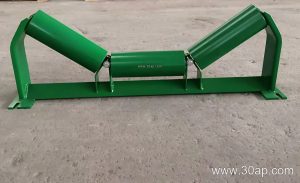
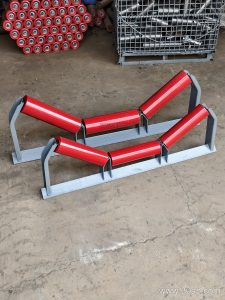
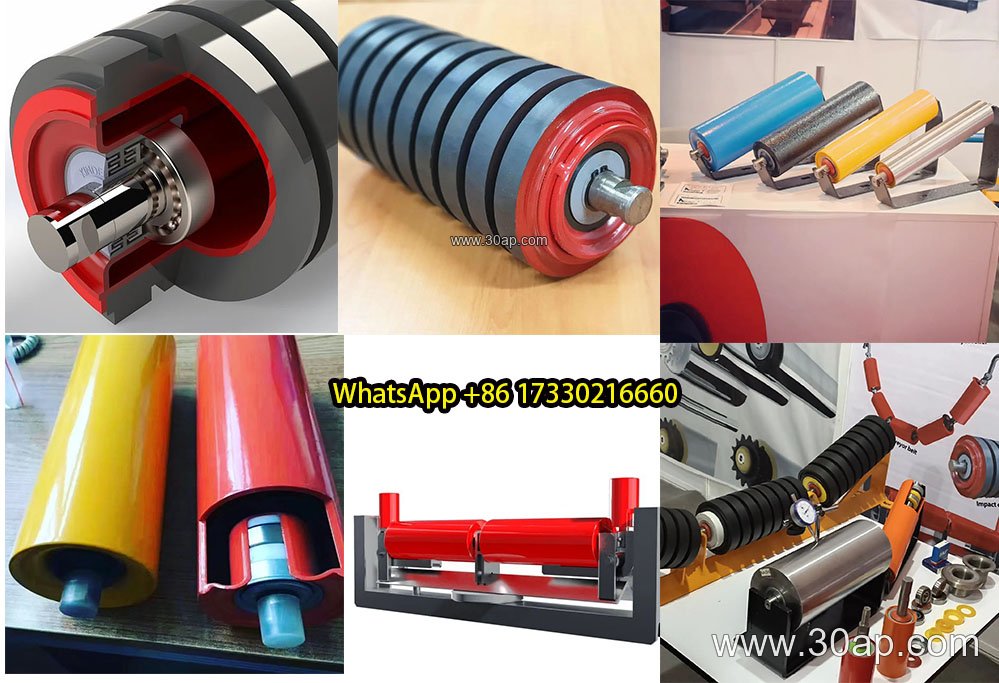
The usual position is the return side, spaced between plain flat return idlers and installed where belt drift has been observed. Typical sites include aggregate plants, iron ore and copper ore handling, sinter plants, port ship loaders and tunnel spoil lines. It is often paired with a V-return idler set for general support, but the V-return roller does not correct tracking by itself; the self-aligning unit is the one that responds to misalignment.
On a long overland or underground mining conveyor, installers may place several lower training idlers at intervals, especially before the tail pulley and after curves. A heavy-duty mining conveyor belt with a thick cover and high tension needs a robust pivot and a strong bracket, because the training force rises with belt tension.
Common Dimensions and Selection Notes
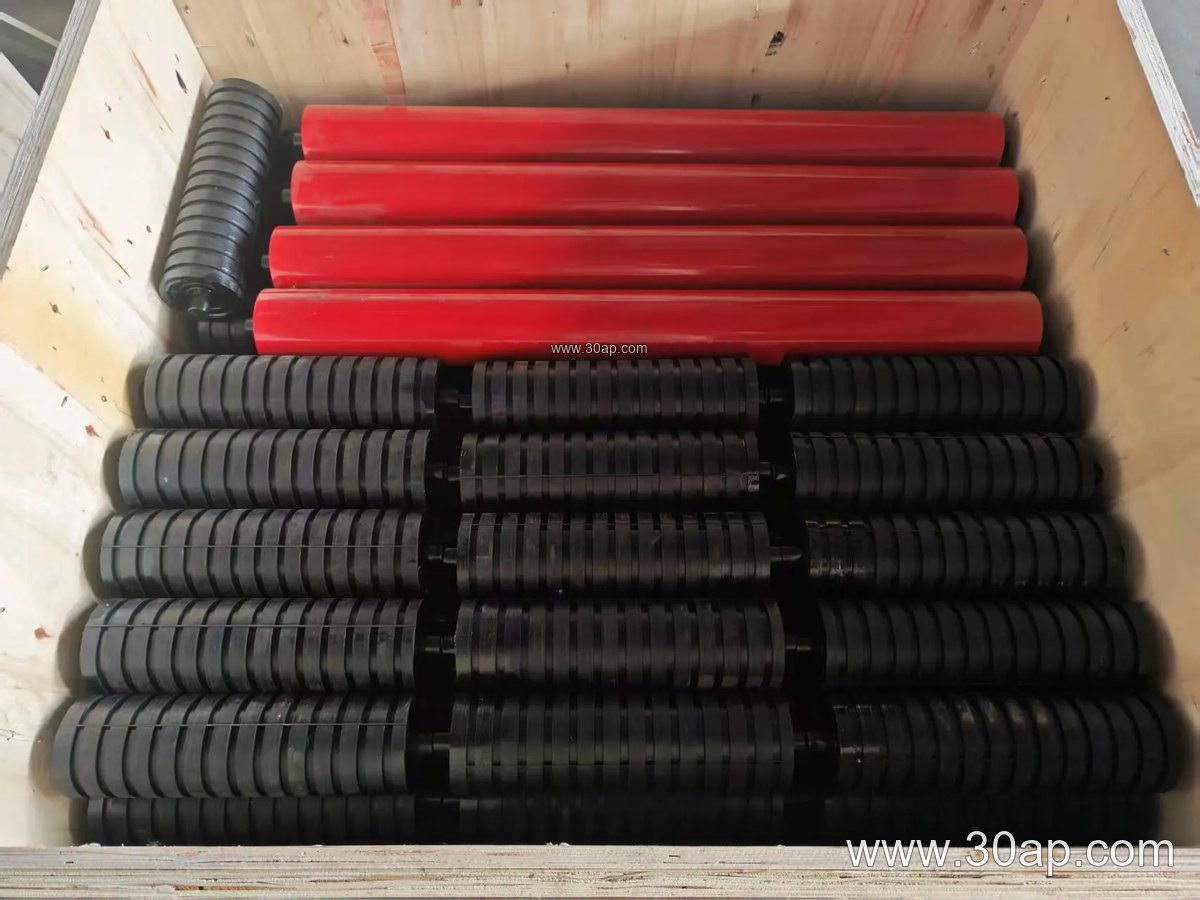
Lower self-aligning idlers are made in a range of roller diameters and belt widths. The table below shows common reference values; actual roller length and frame size follow the belt width, trough angle and return arrangement, so they should be confirmed with the conveyor design.
| Parameter | Common reference values |
|---|---|
| Roller diameter | Ø89, Ø102, Ø108, Ø127, Ø133, Ø159 mm |
| Belt width | B500, B650, B800, B1000, B1200, B1400, B1600 mm |
| Bearing | 6204, 6205, 6305, 6306, 6308 (matched by load and shaft design) |
| Roller surface | Steel tube, rubber ring, ceramic |
| Mounting | Bolted base or pivot frame on the conveyor bracket |
Do not assume that one belt width fixes one roller diameter or one shaft size. A B800 belt may use different roller diameters depending on load, speed and frame design. Buyers should give the belt width, belt type, return strand load, ambient conditions and the distance from the tail pulley so the supplier can propose a suitable unit.
Buyer Checklist
- Confirm the belt construction: an EP conveyor belt, a steel cord conveyor belt or a flame retardant conveyor belt for underground coal mining all place different demands on return support.
- Check the environment: wet, dusty, corrosive or high-temperature return runs call for matching seals and surface options.
- Review the pivot and guide rollers for wear allowance, since a stiff pivot will not train the belt.
- Make sure the idler frame matches the existing conveyor bracket hole pattern.
- Ask for the recommended inspection interval; training idlers should be checked for free movement and roller rotation.
For related components, plants often source the conveyor belt, idler roller and conveyor pulley together so that widths and mounting details stay consistent. A well-chosen lower self-aligning idler is a small part of the line, but it keeps the return belt centered and protects the edges of an abrasion resistant conveyor belt or a heavy-duty conveyor belt over years of service.