What a Cast-Welded Pulley Is
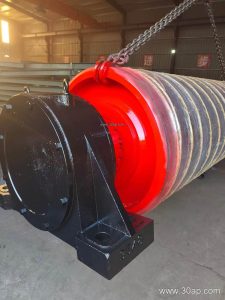
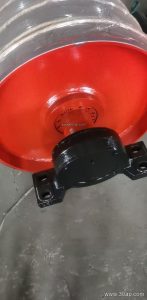
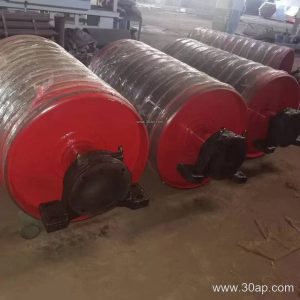
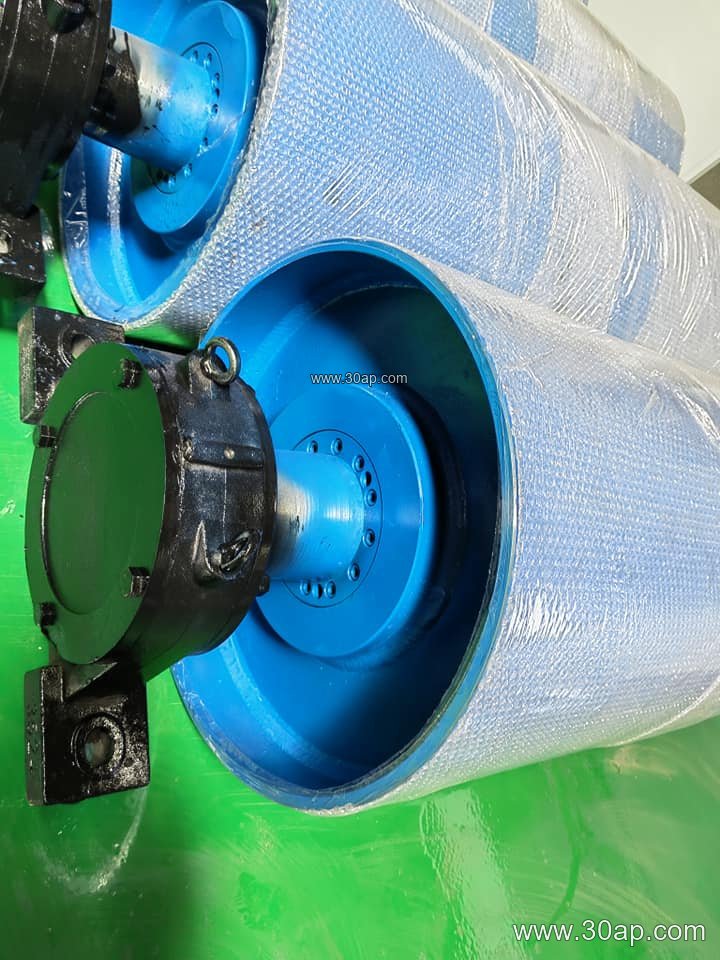
A cast-welded pulley is a conveyor pulley built by combining cast steel or cast iron components with a welded steel shell and end structures. In practice, the hubs, bearing housings, or end discs may be cast, while the cylindrical shell and the connection between the parts are welded. This hybrid approach gives designers the wear resistance and shape accuracy of castings at the load points, together with the toughness and repairability of welded fabrication. Buyers often meet the same product under the equivalent name cast-and-welded conveyor pulley, and both terms describe the same drum assembly.
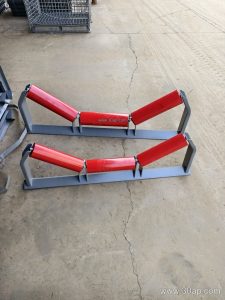
The pulley is not a standalone machine. It works with the conveyor belt, the idler roller set, the conveyor bracket, and the drive train, so its geometry and surface must match the whole conveyor layout.
How the Drum Is Built
The shell is usually rolled from steel plate and welded along the seam, then joined to cast end discs or hubs. After welding, the drum is machined so the outside diameter runs true and the shaft bore stays concentric. Dynamic balancing matters on wider or faster units, because unbalanced mass shortens bearing life and can cause belt tracking problems.
Key build details a buyer should confirm include:
- Shell plate thickness and material grade
- Cast end disc or hub design and weld preparation
- Shaft material, keyway, and locking arrangement
- Bearing type, seals, and lubrication route
- Surface finish and lagging attachment method
Castings are inspected for porosity before machining, since hidden voids near a weld can open up under cyclic load. A sound cast-welded pulley therefore depends as much on process control as on the drawing.
Where It Fits on the Conveyor
The same drum design can serve several positions, but these positions are not interchangeable. A drive pulley transmits torque and needs a grip surface and a shaft sized for the resulting torque. A tail pulley at the loading end guides the return belt and often carries impact and fines. A bend pulley changes belt direction and usually runs with lower tension. A take-up or tension pulley maintains belt slack, while a snub pulley increases wrap angle around the drive.
Typical industries include quarry and aggregate lines, cement plants handling clinker, power plant coal handling, iron ore and copper ore concentrators, and port bulk terminals. In a coal mining conveyor or a stone crushing circuit, the cast-welded drum often sits in a dusty, abrasive environment where a robust shell and good sealing matter more than a light weight.
For matching belt selections, a heavy-duty mining conveyor belt or an abrasion resistant conveyor belt may run over the same drum, while an EP conveyor belt or steel cord conveyor belt imposes different tension and diameter requirements. The pulley must be chosen for the belt it carries, not the other way round.
Sizes, Surfaces, and Reference Data
Dimensions follow the conveyor design. Face width is normally a little wider than the belt, and diameter is set by belt tension, wrap angle, and shaft strength. The values below are common reference points, not fixed rules, and any combination should be confirmed by calculation.
Common face width references
- B400 belt: about 500 mm face
- B500 belt: about 600 mm face
- B650 belt: about 750 mm face
- B800 belt: about 950 mm face
- B1000 belt: about 1150 mm face
- B1200 belt: about 1400 mm face
- B1400 belt: about 1600 mm face
- B1600 belt: about 1800 mm face
- B1800 belt: about 2000 mm face
- B2000 belt: about 2200 mm face
Diameter and shaft reference
Diameters such as Ø200, Ø315, Ø400, Ø500, Ø630, Ø800, Ø1000, and Ø1250 appear across light and heavy duties. Shaft ends commonly range from Ø50 to Ø200, but shaft size is determined by torque and bearing load, never by belt width alone. A B800 drum might use Ø500 in one conveyor and a larger diameter in another with higher tension.
Surface options
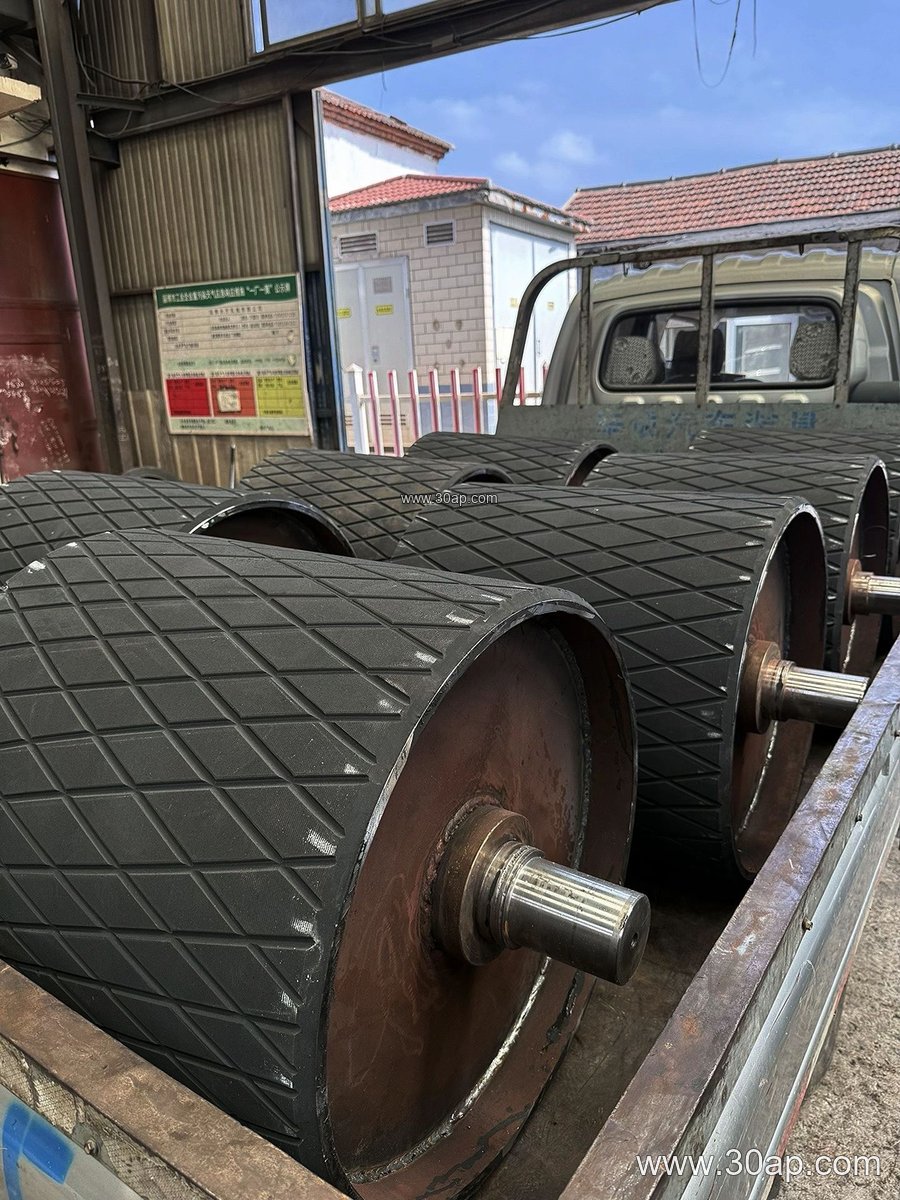
Plain, cast rubber, cold-bonded rubber, hot vulcanized rubber, diamond lagging, herringbone lagging, ceramic lagging, and flat rubber are all available. Lagging thickness is often 8, 10, 12, 15, or 20 mm. Diamond or herringbone patterns help shed water and fines on drive pulleys, while plain or flat surfaces suit bend and tail positions where grip is not the main concern.
What to Check Before Ordering
Start with the duty: belt width, belt type, maximum tension, speed, and the pulley position. Then confirm the shaft and bearing assembly can carry the load, and specify lagging only where it is needed. Ask for the weld and casting inspection records, the balancing grade, and the surface runout. On site, keep the drum aligned with the conveyor bracket, check belt tracking after installation, and monitor bearing temperature during the first weeks. A cast-welded pulley that is correctly matched to its belt and structure will run quietly and last through long shifts in demanding plants.