What a Ceramic Pulley Is
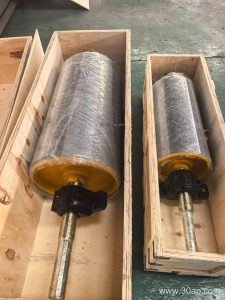
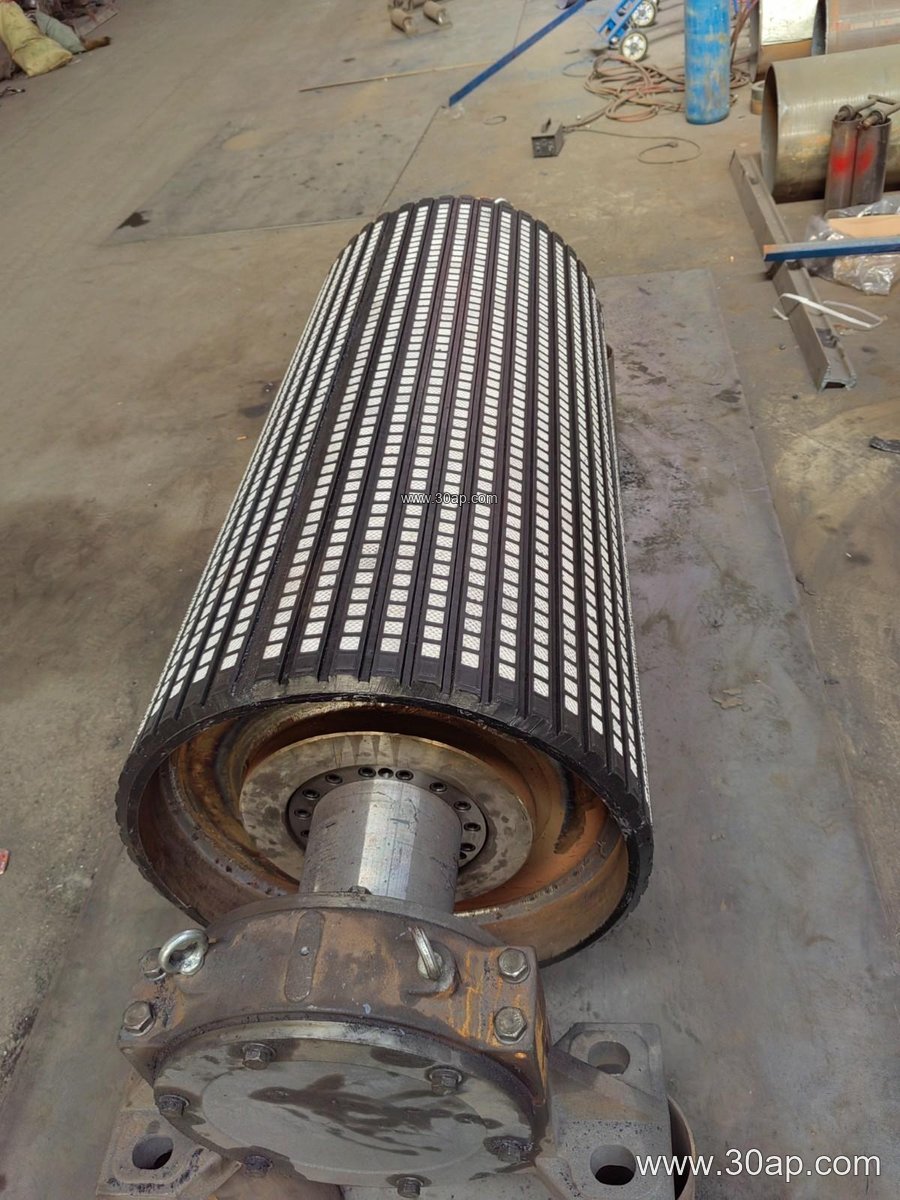
A ceramic pulley is a conveyor pulley whose outer surface is covered with ceramic tiles, usually bonded to a rubber lagging layer. This ceramic lagging provides exceptional grip and wear resistance, making the pulley suitable for high-tension, high-abrasion applications. In a belt conveyor system, the pulley that drives the belt is often called a drive pulley, while the one at the tail end is a tail pulley. A ceramic pulley is most commonly used as a drive pulley, but it can also serve as a bend pulley or take-up pulley where extra traction is needed. The ceramic surface is not a replacement for proper belt tensioning; it works with the conveyor belt to prevent slippage under heavy loads.
Construction and Surface Options
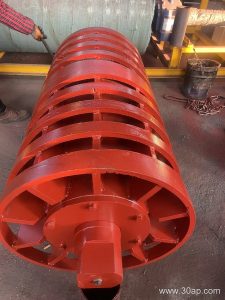
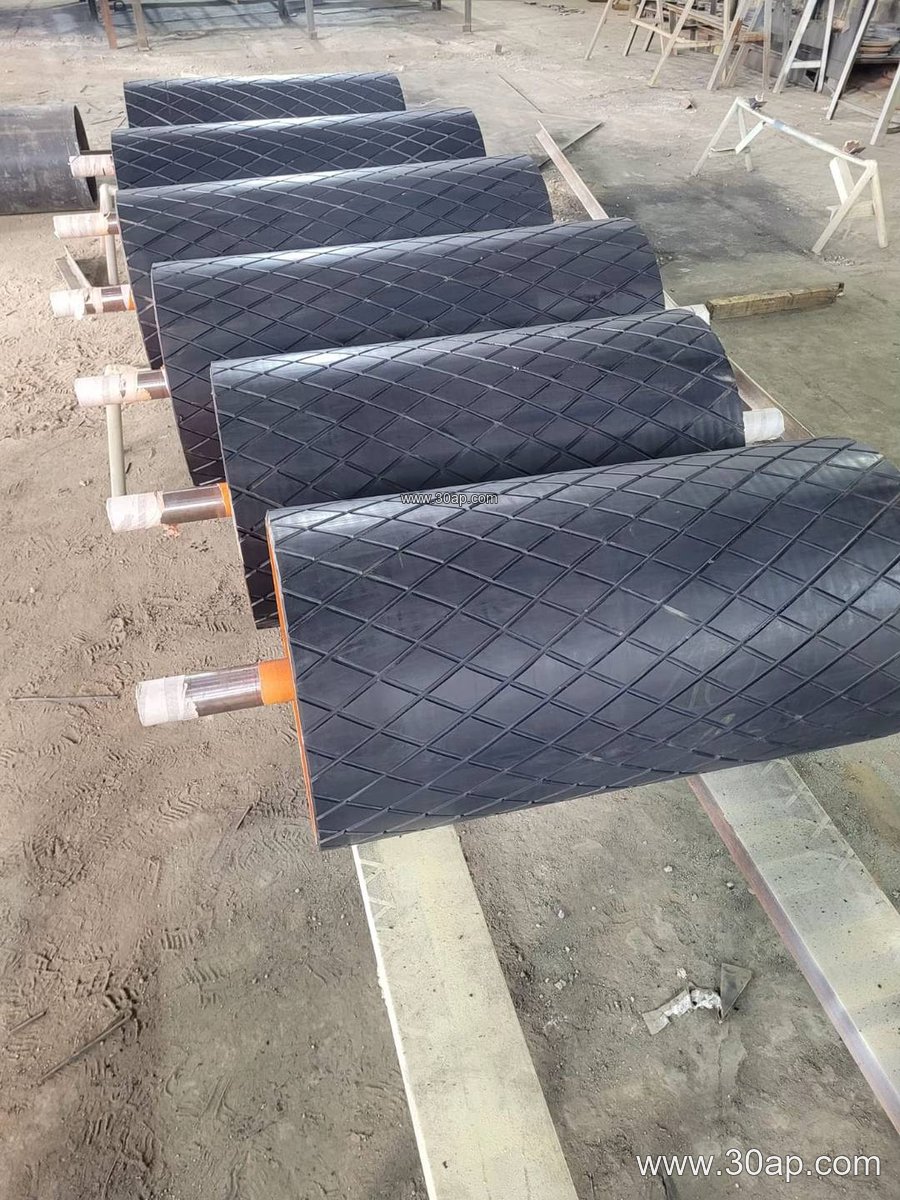
The ceramic pulley is built on a steel drum with a shaft, bearing housings, and a lagging layer. The ceramic tiles are embedded in rubber or directly bonded to the drum. Common surface forms include ceramic lagging with diamond pattern or plain tiles. The lagging thickness typically ranges from 8 mm to 20 mm, with 12 mm and 15 mm often chosen for abrasive conditions. The pulley diameter and face width are matched to the conveyor belt width and the required torque. For example, a B800 belt may use a pulley with a face width around 950 mm, while a B1200 belt might use a 1400 mm face width. Diameters such as Ø500, Ø630, Ø800, or Ø1000 are common, but the final choice depends on belt speed, tension, and shaft load. Shaft diameters are selected by torque and load, not by belt width alone; typical shaft sizes include Ø80, Ø100, Ø120, and Ø140. The ceramic pulley can be supplied as a drive pulley, tail pulley, or bend pulley, but these are not interchangeable—each position has its own design requirements.
Where Ceramic Pulleys Are Used
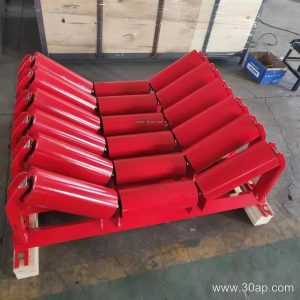
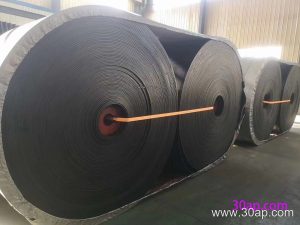
Ceramic pulleys are often found in harsh industries such as mining, coal preparation, cement plants, power plants, and quarry operations. In a coal mining conveyor system, a ceramic drive pulley helps maintain grip when the belt is wet or contaminated with fine particles. In a cement plant, the pulley may handle clinker or limestone with high abrasion. The ceramic surface also suits bulk material handling where the conveyor belt carries sharp rocks or ore. For example, an iron ore conveyor or a copper ore conveyor can benefit from the wear resistance of ceramic lagging. The pulley works together with idler rollers and conveyor brackets to keep the belt aligned and moving efficiently. While a ceramic pulley is not a substitute for a rubber conveyor belt or an EP conveyor belt, it complements them by improving traction at the drive point.
Key Parameters and Selection Tips
When specifying a ceramic pulley, consider the belt width, pulley diameter, face width, lagging thickness, and shaft size. The table below lists some common reference combinations, but these are not fixed rules—each conveyor design may require different values.
| Belt Width (mm) | Typical Face Width (mm) | Common Pulley Diameter (mm) | Lagging Thickness (mm) |
|---|---|---|---|
| B500 | 600 | Ø315, Ø400 | 8–12 |
| B650 | 750 | Ø400, Ø500 | 10–15 |
| B800 | 950 | Ø500, Ø630 | 10–15 |
| B1000 | 1150 | Ø630, Ø800 | 12–15 |
| B1200 | 1400 | Ø800, Ø1000 | 12–20 |
| B1400 | 1600 | Ø1000, Ø1250 | 15–20 |
These values are for reference only. The actual diameter and shaft size must be determined by the conveyor’s torque, belt tension, and load. A larger diameter can reduce belt stress but may increase cost and space requirements. The ceramic lagging thickness should be chosen based on the abrasiveness of the material and the required traction. For high-abrasion applications such as a quarry conveyor or a crusher conveyor, a thicker ceramic lagging (15–20 mm) may be appropriate. For less demanding duties, 8–12 mm may suffice.
Maintenance and Compatibility
Ceramic pulleys require less frequent lagging replacement than rubber-lagged pulleys in abrasive conditions, but they still need periodic inspection. Check for cracked or missing tiles and worn rubber between tiles. Keep the pulley clean and ensure the belt tension is correct to avoid slippage. The pulley should be compatible with the conveyor belt type—for instance, a steel cord conveyor belt or a fabric core conveyor belt may have different requirements for pulley diameter and lagging. In a coal mining conveyor system, a flame retardant conveyor belt may be used, and the ceramic pulley should be selected with appropriate static conductivity if required. Always follow the conveyor designer’s recommendations for pulley position, such as drive, tail, or bend, because these positions are not interchangeable. For more information on conveyor components, visit our site at www.example.com/conveyor-pulley or www.example.com/ceramic-pulley.