What a 1500mm Conveyor Belt Is
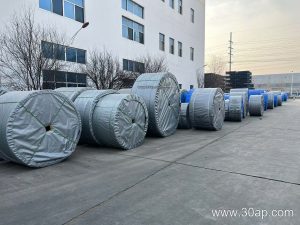
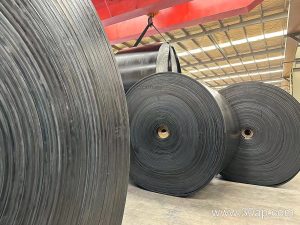
A 1500mm conveyor belt is a wide belt format used on high-capacity conveying systems where the belt surface spans 1500 millimeters across. It is also described as a 1500mm wide conveyor belt, and both names refer to the same product. This width sits in the wide-to-extra-wide range, above common 1000mm and 1200mm belts but below 1800mm and 2000mm designs. Because of the larger surface, the belt can carry more material per meter and is often paired with heavy frames, robust idler roller sets, and suitably sized conveyor pulleys.
Where the Width Fits
Belt width is a design choice, not a fixed rule. A 1500mm belt may run on systems that also use 1400mm or 1600mm belts, depending on the tonnage and the material. The table below shows common reference widths; actual supply depends on the project design.
- B500, B650, B800 — narrow to medium duty
- B1000, B1200, B1400 — medium to high capacity
- B1500 — wide, high-capacity service
- B1800, B2000 — extra-wide bulk handling
Construction and Material Options
The 1500mm conveyor belt is built around a carcass and a rubber cover. Buyers can choose among several carcass families, and the choice shapes strength, flexibility, and splice method.
Fabric Core Options
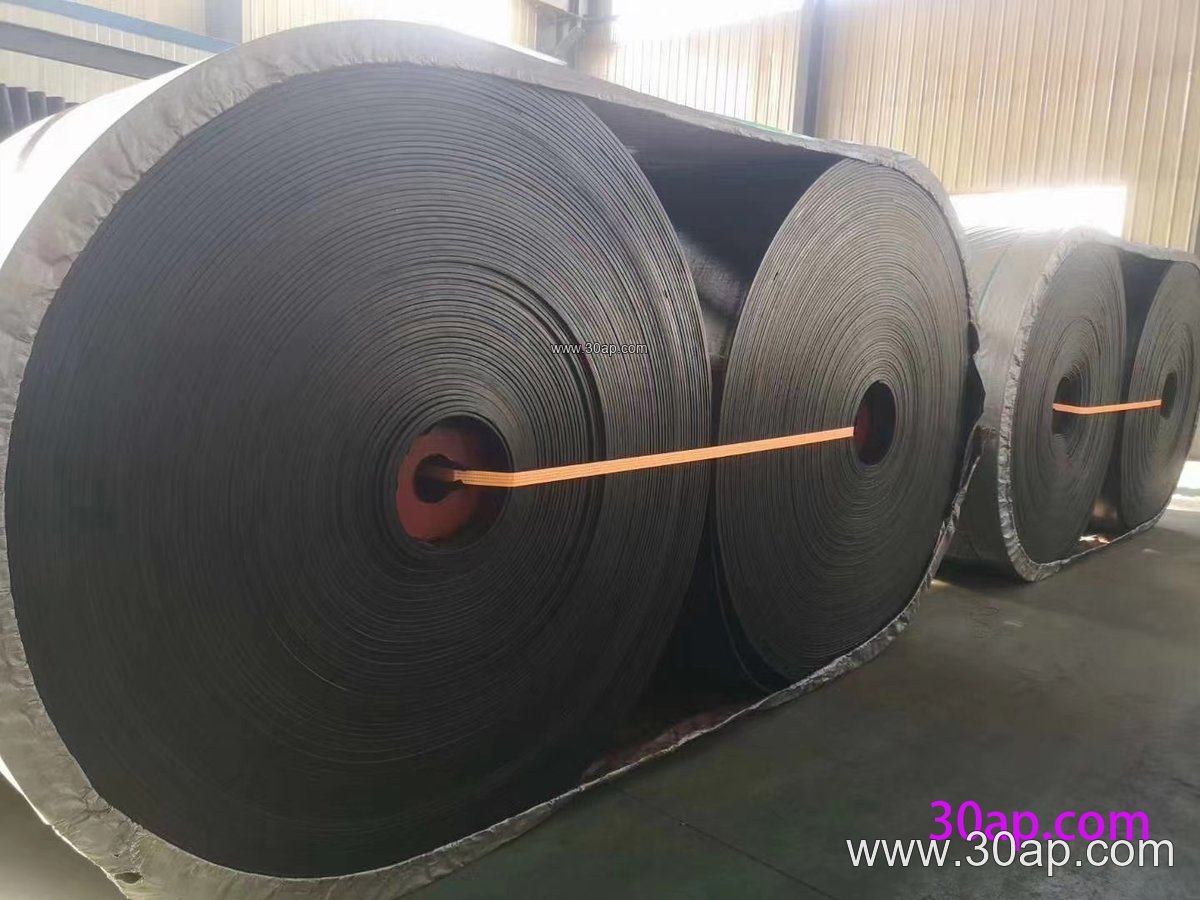
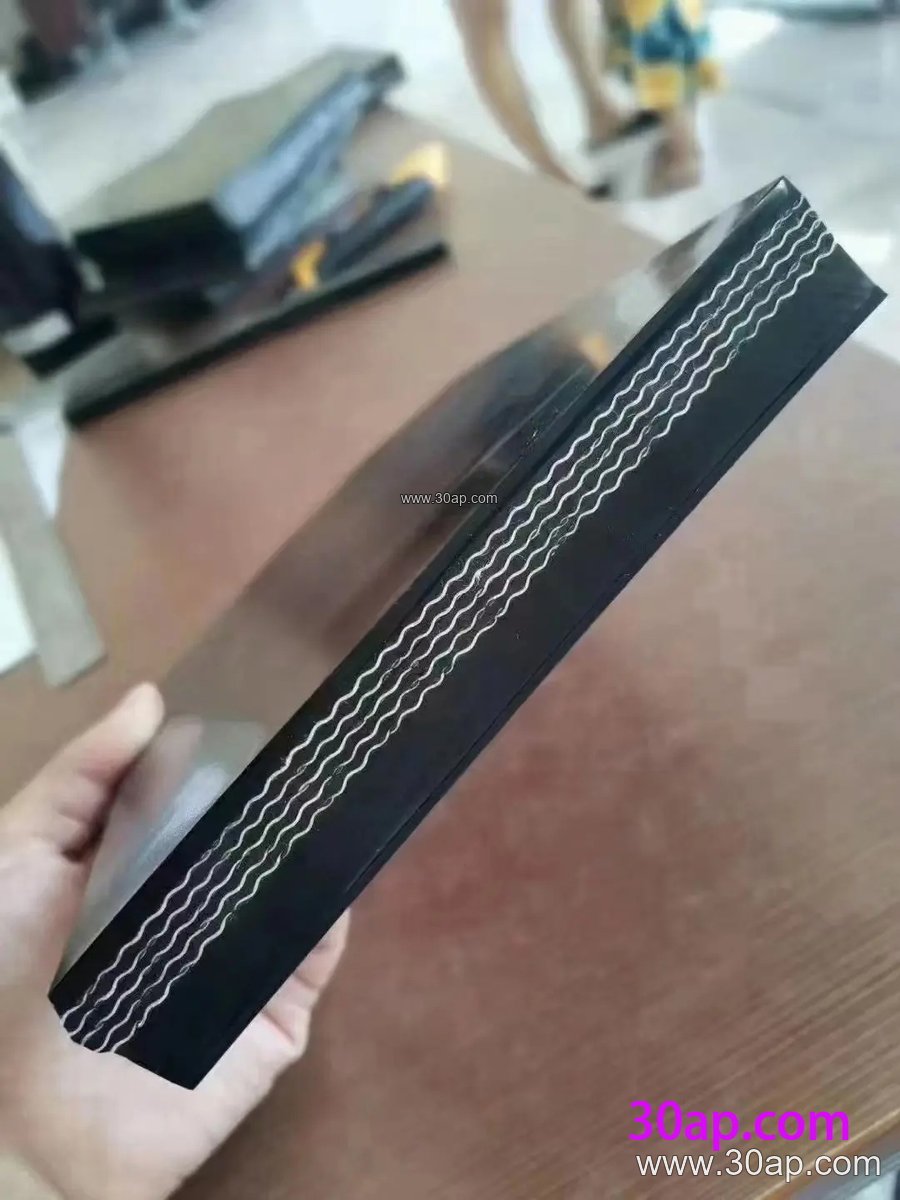
EP conveyor belts use polyester and nylon fabric, and NN belts use nylon fabric. A multi-ply fabric core conveyor belt with two to six plies is common in this width. Strength grades often run from EP200 through EP630, EP1000, and EP1250, and higher grades such as EP1600 or EP2000 may be specified for demanding duty. A fabric core conveyor belt of this type is a practical choice for general bulk material handling.
Steel Cord Options
For long distances and heavy loads, a steel cord conveyor belt such as ST1000, ST1600, or ST2500 can be specified. Steel cord construction offers high tensile strength with low stretch, which suits main haulage lines in mining and large plants.
Cover and Surface Forms
Cover rubber is usually described in top and bottom thickness, for example 4+2 mm, 5+2 mm, 6+2 mm, or 8+3 mm. Surface forms include plain, chevron, and corrugated sidewall. A chevron conveyor belt helps on inclines, while a corrugated sidewall conveyor belt contains material on steep or vertical paths. A skirted conveyor belt can also reduce spillage at transfer points.
Industries and Duty Conditions
Wide belts appear in mines, coal preparation plants, cement works, power stations, steel plants, quarries, sand and gravel yards, ports, and recycling facilities. In a coal mining conveyor belt system, flame retardant and anti-static properties are often requested. A heat resistant conveyor belt suits clinker or sinter handling, while an abrasion resistant conveyor belt is common for ore and rock. Oil resistant, cold resistant, and acid resistant grades cover other environments.
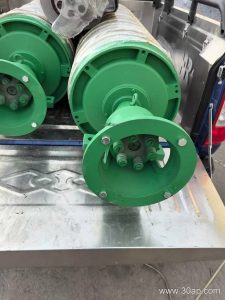
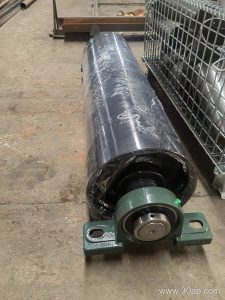
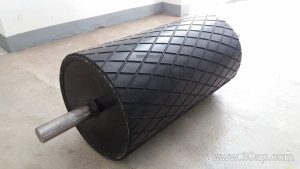
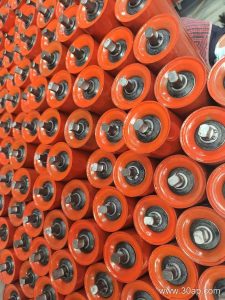
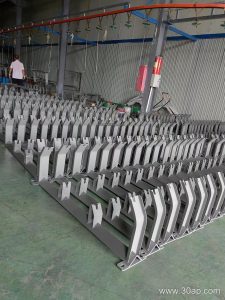
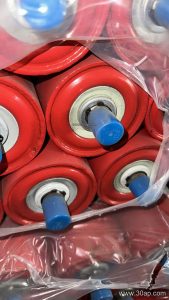
On the mechanical side, the belt works with an idler roller train, a conveyor pulley at the drive and tail positions, and a conveyor bracket system that holds the rollers. These parts are selected together with the belt, not by the belt width alone.
Selection Notes for Buyers
When specifying a 1500mm conveyor belt, confirm the material type, lump size, tonnage per hour, incline, and ambient conditions. Then match the carcass grade, cover thickness, and surface form to the duty. A mining conveyor belt for heavy ore may need a thick cover and a high-strength carcass; a cement plant line may favor heat resistance. For underground coal mining, flame retardant and anti-static grades are typically required by the site’s safety rules.
Also check pulley face width, roller spacing, and frame dimensions. A wide belt needs adequate support to avoid sag and edge damage. Splice method, whether mechanical or vulcanized, should be planned before delivery. Site conditions such as dust, moisture, and temperature affect cover choice as much as the tonnage does.
Care and Maintenance
Regular inspection of the belt edges, cover wear, and splice condition extends service life. Keep the idler roller and pulley surfaces clean, and check that the belt tracks centrally. Misalignment on a 1500mm wide conveyor belt can quickly damage edges, so training idlers and proper loading chutes matter. Store spare belts in a dry, shaded place and follow the manufacturer’s handling advice.