What an Endless Conveyor Belt Is
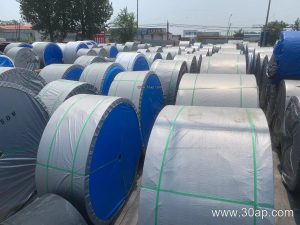
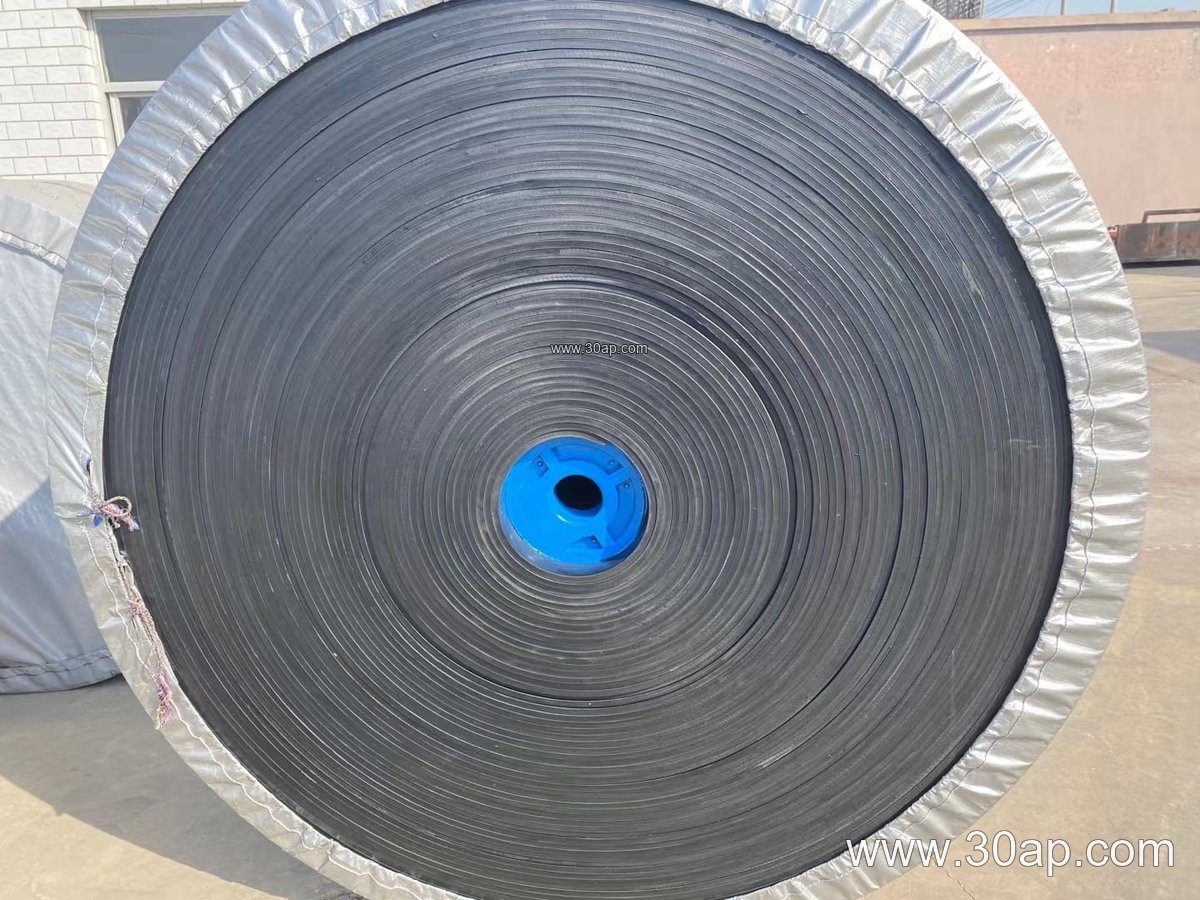
An endless conveyor belt is a belt that has been joined into a continuous loop before installation, so the carrying surface runs without a mechanical fastener splice in the normal working zone. Instead of closing the loop on site with metal hooks or plates, the belt arrives as a finished ring, which reduces snag points and keeps the top cover smooth along the full circuit. In mining, cement plants, power stations and sand and gravel yards, this construction is often chosen where a clean, low-maintenance loop matters more than the ability to shorten or lengthen the belt later.
The same product also appears under the term endless belting, and both names describe the same finished loop rather than a different belt family. The carcass and cover still follow the usual choices, such as EP conveyor belt or NN conveyor belt fabric, steel cord, PVC or PVG constructions, with heat resistant, oil resistant, flame retardant and abrasion resistant covers available for the duty at hand.
How the Loop Is Built
Manufacturers usually produce a length of belt, then join the ends by vulcanizing the splice in a press. The steps include squaring the ends, stripping cover and carcass plies to a stepped pattern, applying uncured rubber, and curing under heat and pressure. A well-made joint should be close in thickness and flexibility to the rest of the belt, so it passes over pulleys without lifting or thumping.
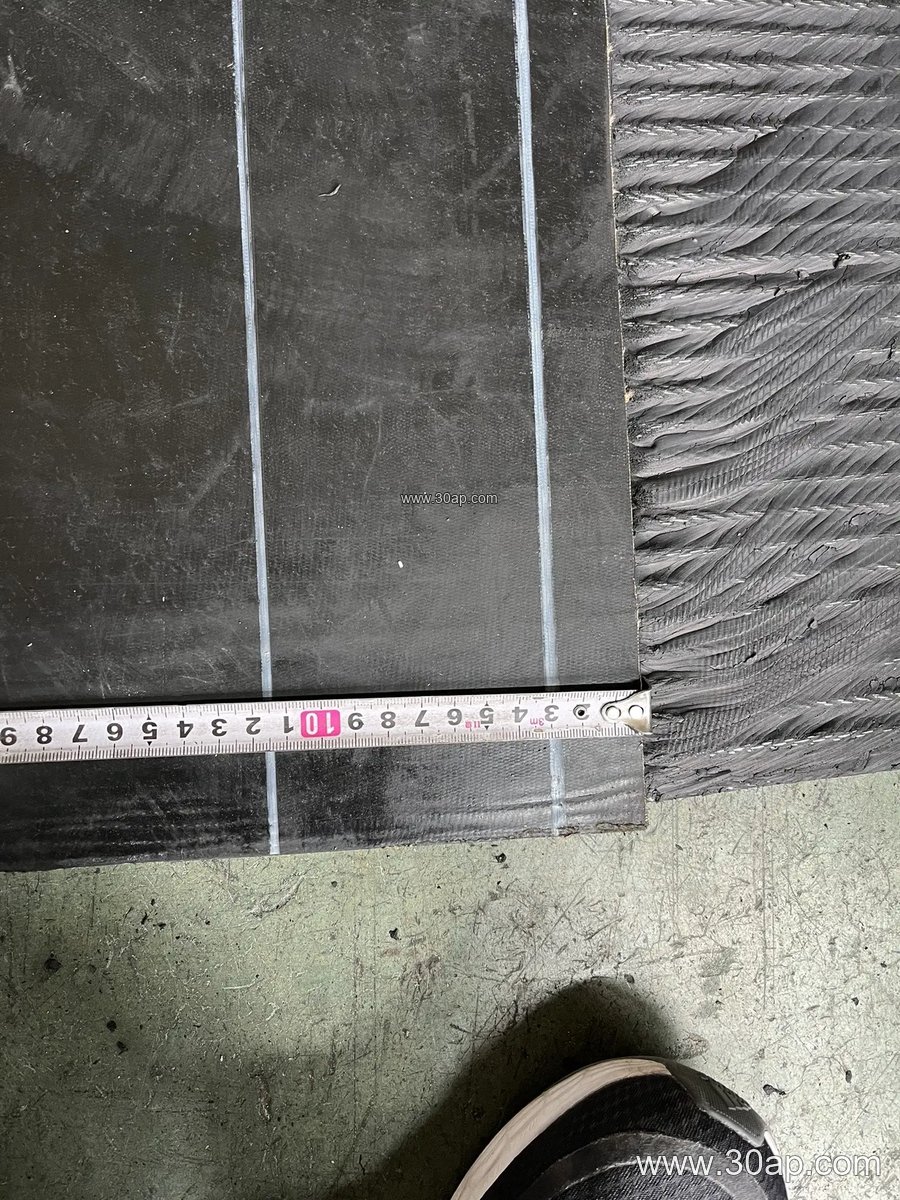
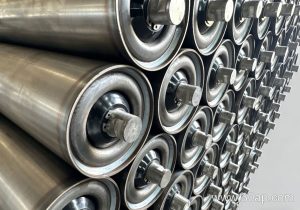
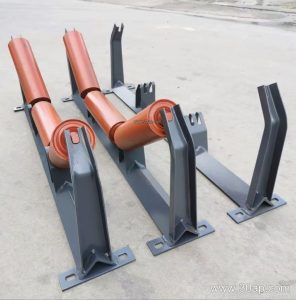
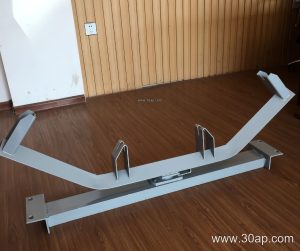
The carcass may use multi-ply fabric core, with two to six plies being common in general service, or steel cord for long, high-tension runs. Cover thickness is normally quoted as top plus bottom, for example 4+2 mm or 6+2 mm, and the correct figure depends on lump size, drop height and abrasion. A conveyor pulley at the head and a tail pulley at the return end guide the loop, while idler roller sets support the carrying and return strands and conveyor bracket frames hold them in line.
Where It Fits in the Plant
Continuous loops suit fixed routes where the center distance is known and the belt is not expected to be shortened. Typical duties include:
- Coal handling and underground mining conveyor lines where a flush joint lowers the risk of catching on structure
- Cement and clinker transport with heat resistant grades on the hot sections
- Power plant coal and ash circuits with flame retardant and anti-static covers
- Quarry and aggregate lines feeding crushers, screens and stockpiles
- Port and ship loading systems handling bulk material at high capacity
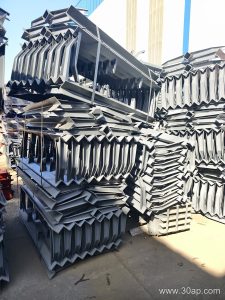
For steep inclines, a chevron conveyor belt or a corrugated sidewall belt can be supplied as an endless loop where the cleats or walls are vulcanized in place. Pipe conveyor belt and skirted belt designs are other options when material containment matters, but they solve different handling problems and should not be treated as substitutes for a standard flat loop.
Common Specifications and Reference Data
The figures below are reference values, not fixed supply promises. Final belt width, strength grade and cover thickness are set by the conveyor design, the material and the duty cycle.
| Parameter | Typical reference values |
|---|---|
| Fabric grades | EP200, EP315, EP400, EP500, EP630, EP800, EP1000, EP1250; NN100 to NN400 |
| Steel cord grades | ST1000, ST1250, ST1600, ST2000, ST2500, ST3150 |
| Belt width | B500, B650, B800, B1000, B1200, B1400, B1600, B1800, B2000 |
| Cover thickness | 3+1.5, 4+2, 5+2, 6+2, 8+3 mm |
| Carcass plies | Usually 2 to 6 plies in fabric construction |
Width and pulley diameter are matched through the conveyor design, not by a single rule. A wider belt does not automatically require one particular pulley size, and shaft diameter follows the calculated loads rather than belt width alone.
Buyer Checklist
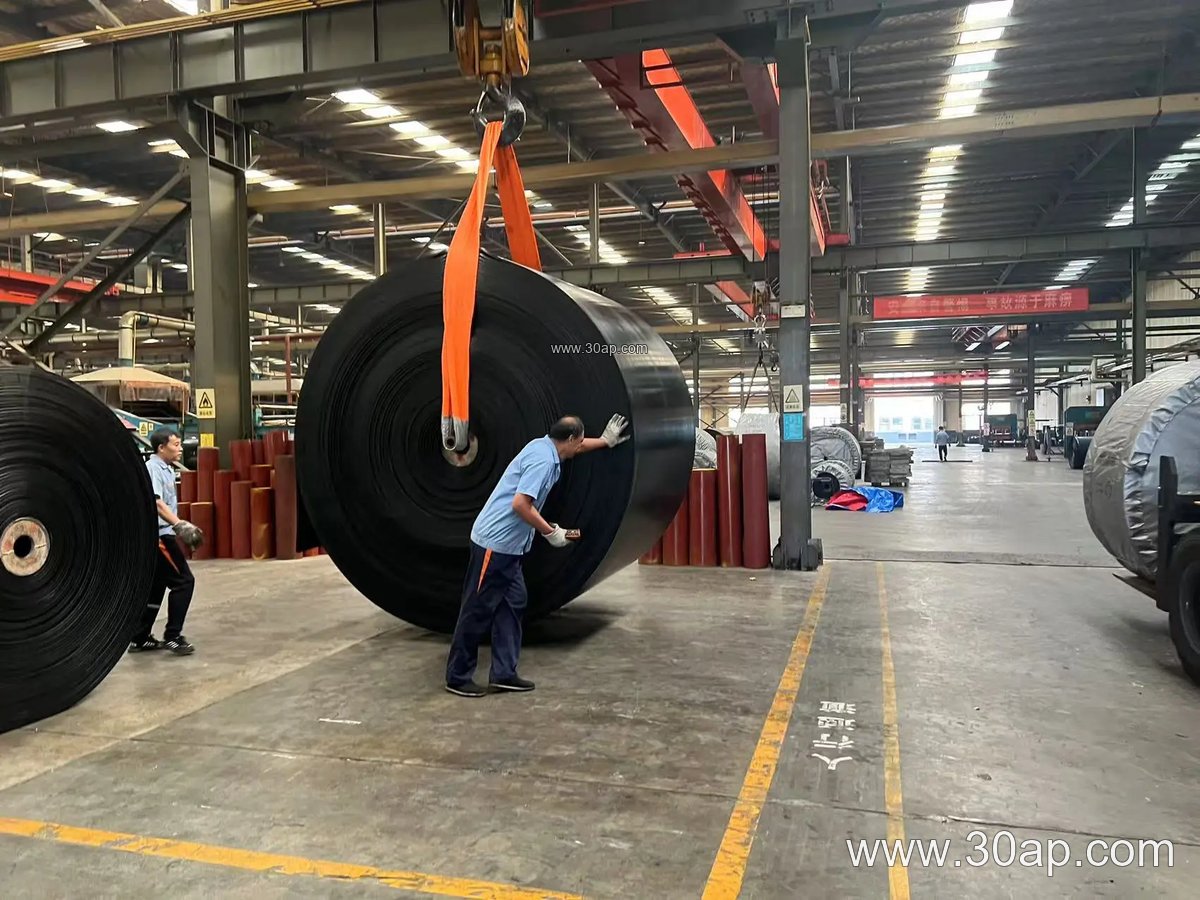
Before ordering, confirm the center distance, the take-up travel and the method of installation, because an endless loop cannot be shortened without re-splicing. State the material, lump size, temperature, moisture and any oil or chemical exposure so the cover compound can be selected. Ask how the joint is made and whether the splice strength is quoted for the carcass type. For underground work, request flame retardant and anti-static properties in writing, and check that the PVG or PVC grade suits the local rules.
Also review the pulley lagging, idler roller spacing and loading point impact beds, since a good belt can still fail early on poor support. Spare parts planning should include a spare loop or a field splice kit, and storage should keep the ring supported and away from ozone sources and direct sunlight. With the right carcass, cover and joint, an endless belt gives long, quiet service in the toughest bulk handling routes.