What a Conveyor Belt Idler Does on the Line
A conveyor belt idler is the rotating roller assembly that supports the belt between the head and tail ends of a conveyor. Often called an idler roller, it carries the weight of the belt and the material on it, keeps the belt tracking in a stable path, and reduces friction so the drive system does not have to work harder than necessary. In a quarry, a coal handling plant, or a cement kiln feed line, these rollers are among the most numerous wear parts on the whole conveyor, which is why their selection and upkeep deserve attention.
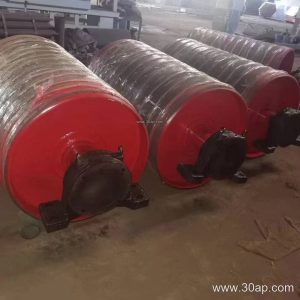
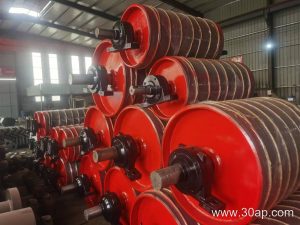
The idler is not the same as a conveyor pulley. Drive, tail, and bend pulleys transmit power and change belt direction, while idlers simply support the belt along the carrying and return runs. Mixing up these components leads to wrong spare parts and unnecessary downtime, so buyers should keep the two categories separate when ordering.
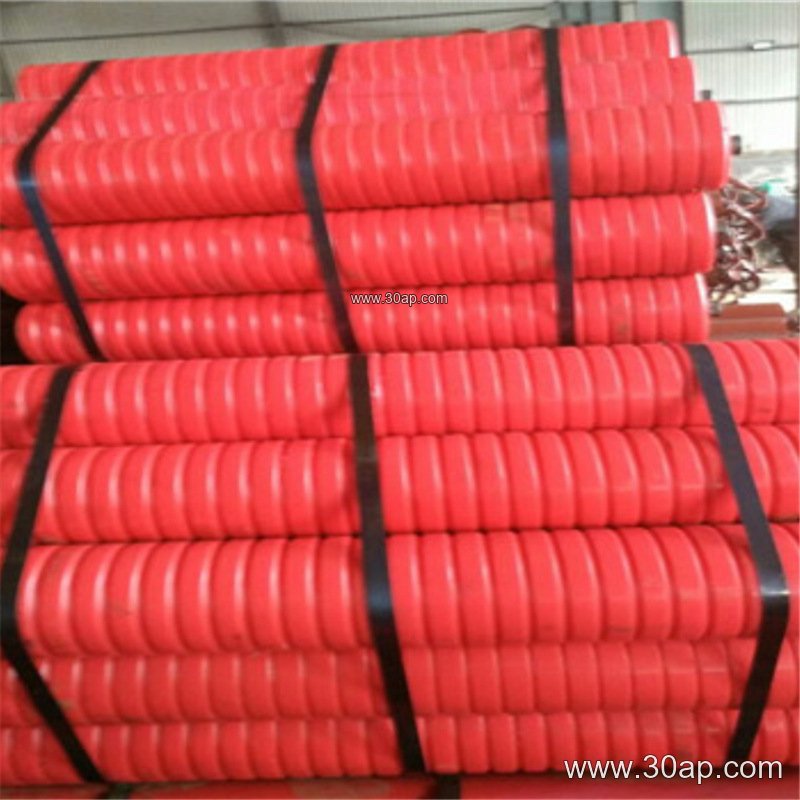
How an Idler Roller Is Built
A typical idler roller consists of a steel tube shell, a shaft, bearing housings at each end, and a sealing arrangement that keeps dust and moisture away from the bearings. The shell may be plain steel, nylon-coated, ceramic-covered, or fitted with rubber rings for impact absorption. Bearing sizes are matched to the load and speed of the conveyor, and common bearings include 6204, 6205, 6305, 6306, 6308, and 6310. A bearing number is not tied to one roller diameter, so the same bearing may appear in several idler designs.
Sealing quality often decides service life in dusty environments such as a limestone mine or a sand and gravel plant. Labyrinth seals and multi-stage dust guards are common ways to protect the bearing cavity. The shaft ends usually sit in a conveyor bracket or frame, and the bracket style must match the idler group being used.
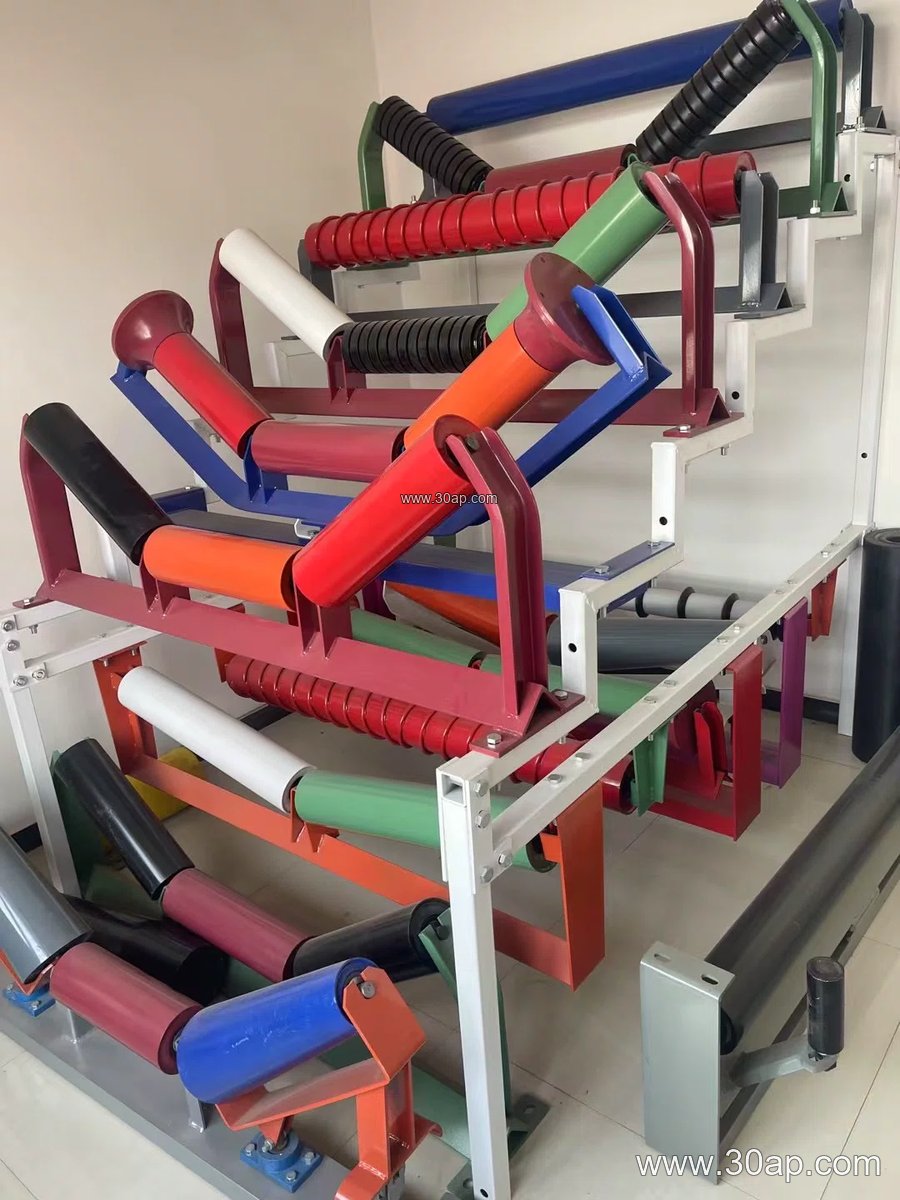
Common Idler Types and Where They Sit
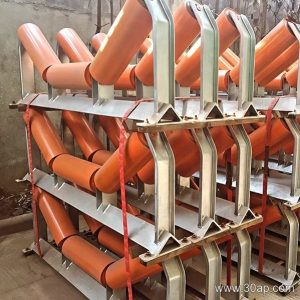
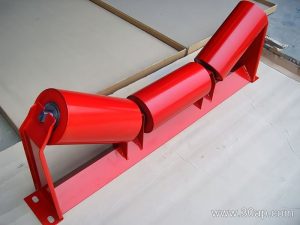
Carrying idlers are usually arranged as a single roller, a two-roll set, or a three-roll troughing set. Troughing idlers form the belt into a trough so bulk material stays centered. Transition idlers ease the belt from the flat pulley area into the trough section. On the return side, flat return idlers, V-return idlers, and spiral return idlers keep the empty belt supported and help shed sticky material.
Impact idlers with rubber rings are placed under loading points to absorb the force of falling rock or ore. Self-aligning idlers, including friction and tapered designs, help correct belt drift on long runs. Comb idlers are sometimes used where sticky material tends to build up on the shell. Each type has a specific job, and none of them replaces a drive or tail pulley.
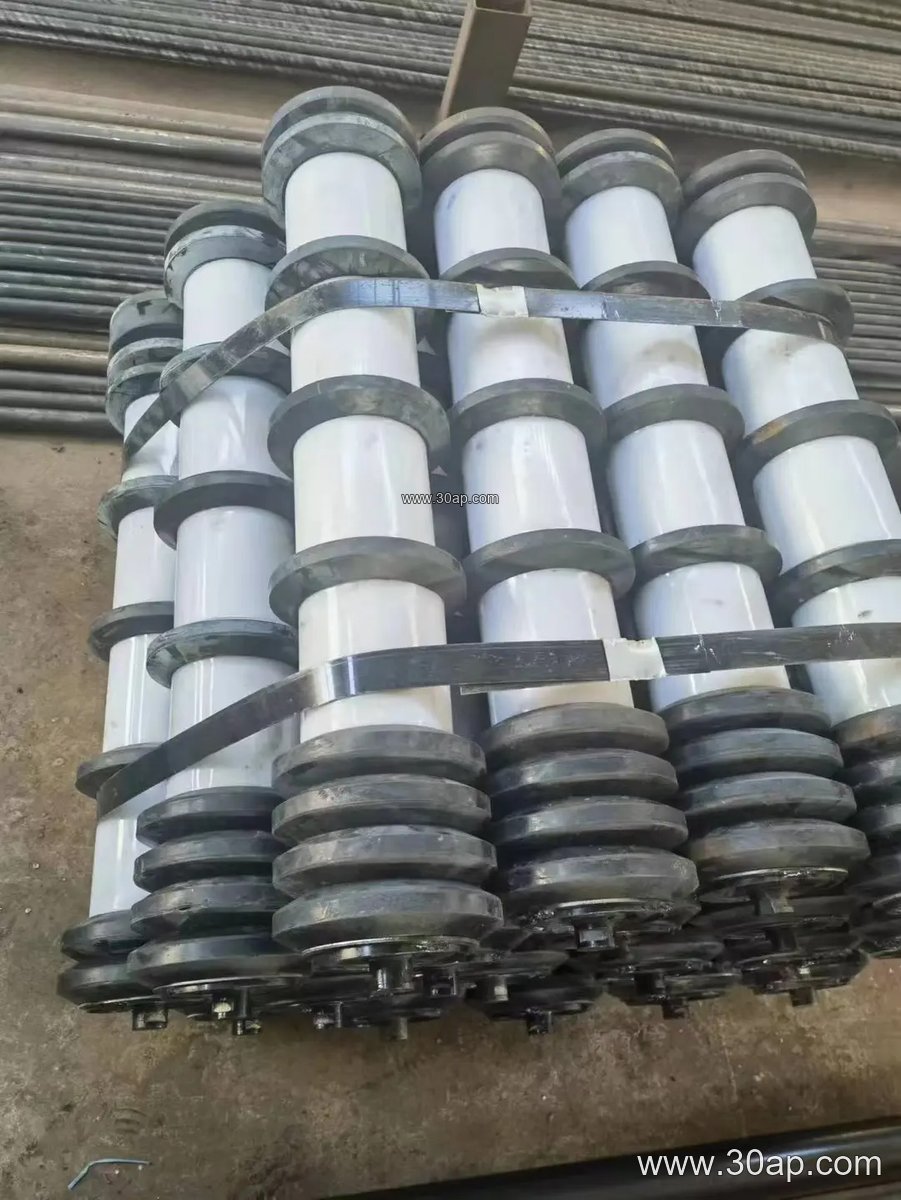
Matching Roller Diameter, Belt Width, and Trough Angle
Roller diameter and belt width are related but not locked together. A wider belt generally needs a longer roller and a stronger frame, while the diameter is chosen from load, speed, and available space. Typical roller diameters include Ø63, Ø76, Ø89, Ø102, Ø108, Ø127, Ø133, Ø159, Ø178, Ø194, and Ø219 mm. Belt widths commonly range from B400 and B500 up to B2000 and B2400, with B650, B800, B1000, and B1200 being very common in aggregate and cement plants.
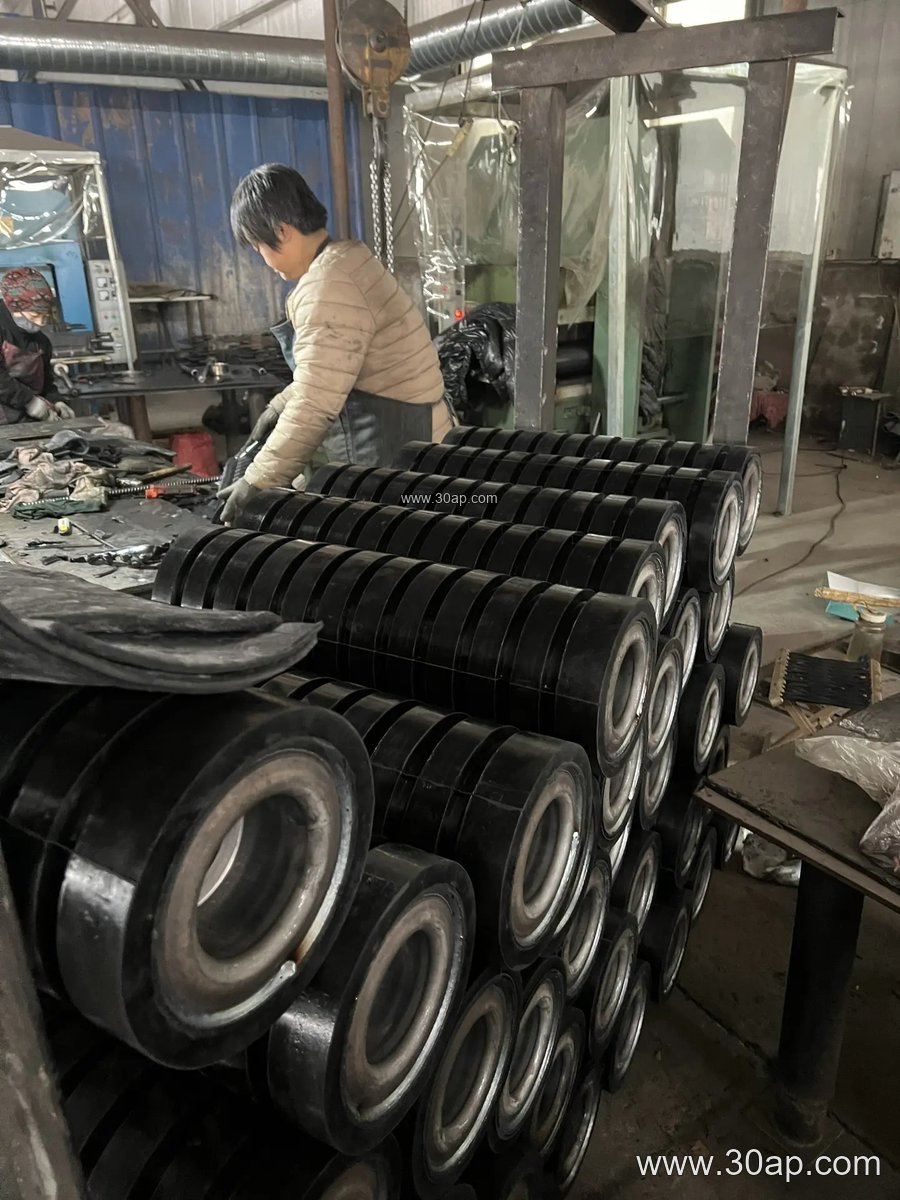
Trough angles of 20, 30, 35, and 45 degrees change how deeply the belt is cupped and how well it holds material. A 35-degree trough is widely used for bulk material, while a 45-degree set may suit fine, free-flowing cargo. Roller length also varies with belt width and trough angle; a three-roll troughing set for B800 often uses rollers around 315 mm long, but side rollers and center rollers can differ, so the drawing and application should guide the final choice.
Where These Rollers Are Used
Idlers appear wherever a conveyor belt runs. In a coal mining operation or a power plant coal yard, flame retardant and anti-static belt constructions are common, and the idlers must handle fine coal dust. In an iron ore or copper ore terminal, heavy-duty rollers and impact idlers under the loading chute protect the belt from lump shock. Cement plants, crushing and screening circuits, and port ship loading systems all rely on well-sealed idlers to keep the line running.
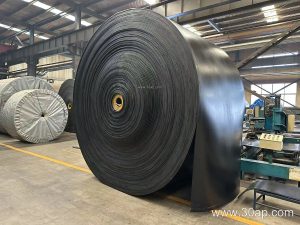
The belt itself may be an EP conveyor belt, an NN conveyor belt, a steel cord conveyor belt, or a fabric core conveyor belt. Heat resistant conveyor belt grades suit clinker and sinter lines, while abrasion resistant conveyor belt covers are common in quarry and aggregate duty. The idler selection should reflect the belt type, the material, and the environment rather than following a single formula.
Buyer Checklist Before Ordering
- Confirm the idler type and its position on the conveyor, not just the roller diameter.
- Record belt width, trough angle, and the roller length required for the frame.
- Check the bracket or frame mounting style and shaft end dimensions.
- Match bearing and seal protection to dust, moisture, and temperature.
- State the belt construction, such as EP200 or ST1600, so the roller load rating fits the duty.
Well-chosen conveyor belt idlers reduce belt wear, lower energy use, and keep material moving through the plant. For spare parts planning, keep a small stock of the most common roller sizes used on each conveyor and review wear at loading points and transfer towers first.