What a Conveyor Carrying Bracket Does on the Load Side
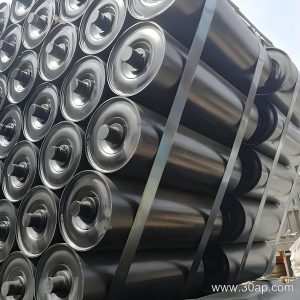
A conveyor carrying bracket is the structural support that holds the troughing idlers under the loaded strand of a belt conveyor. It sits between the main stringers and the idler frames, keeping the carrying rollers at the correct height and trough angle so the belt forms a stable cradle for bulk material. Without a rigid, well-aligned bracket, the belt sags, material spills, and the idler bearings wear unevenly. In a quarry, a cement plant, or a power plant coal yard, this small steel component quietly determines how smoothly the whole line runs.
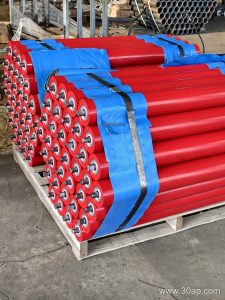
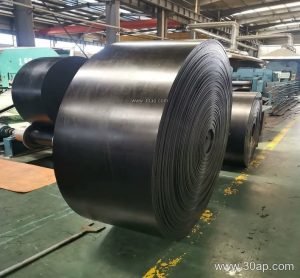
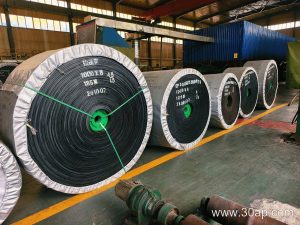
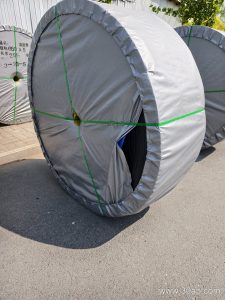
The bracket works together with the conveyor belt, the idler roller set, and the conveyor pulley at each end of the run. Drive, tail, and bend pulleys set belt tension and direction; the carrying bracket only supports the load-carrying span. That division of labor matters when specifying spare parts, because a bracket problem should never be solved by changing a pulley.
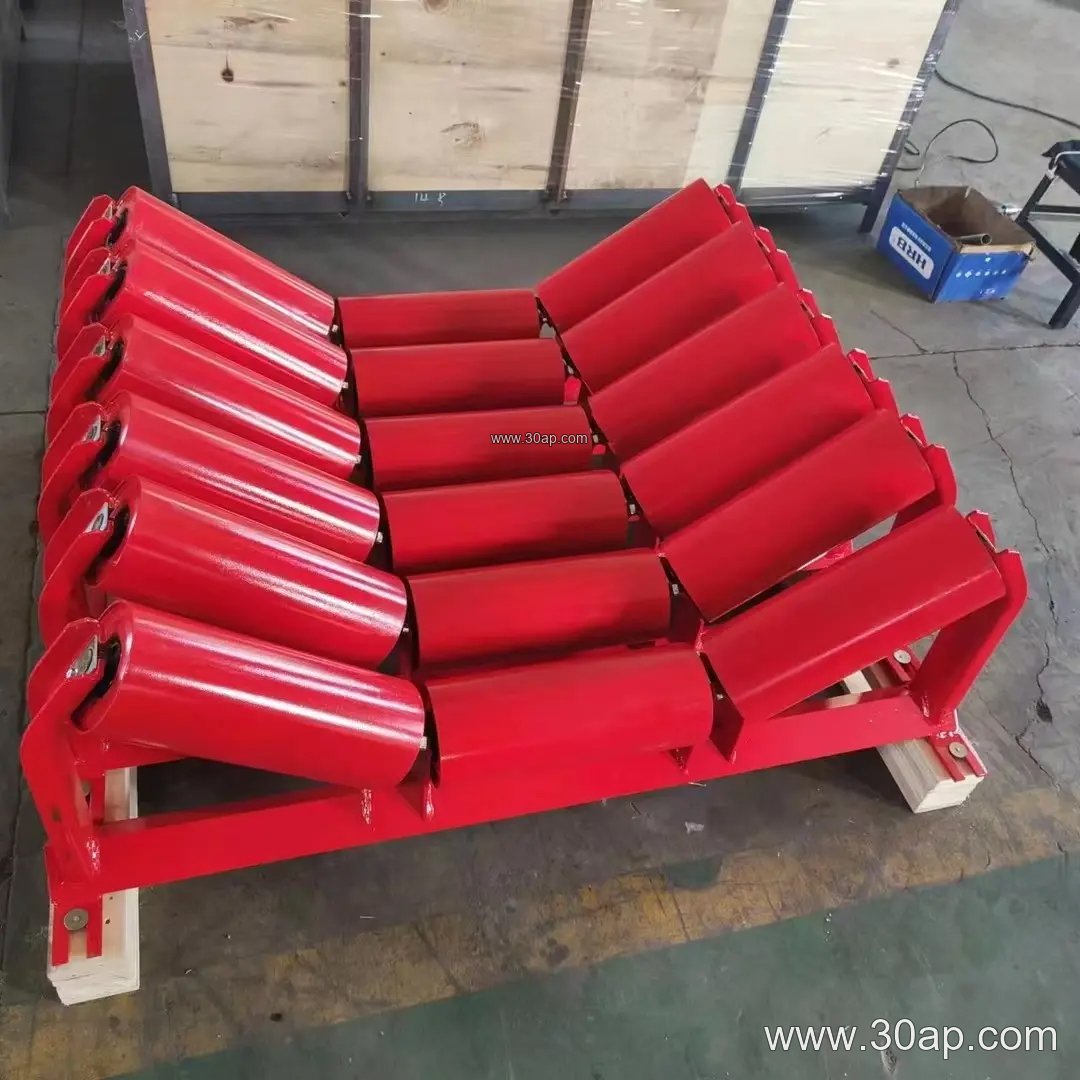
Construction and Mounting Position
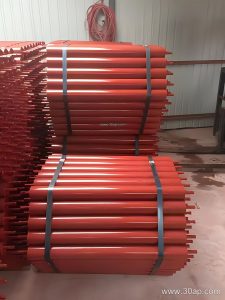
Most carrying brackets are fabricated from angle steel, channel steel, or folded steel plate. The frame usually includes a horizontal crossbeam and two inclined wings that locate the side idlers. Bolt slots or drilled holes allow the bracket to be fixed to the conveyor stringer, and the wing angle defines the trough profile. Common shop practice uses welded assemblies for heavy-duty mining duty and bolted assemblies where site adjustment is expected.
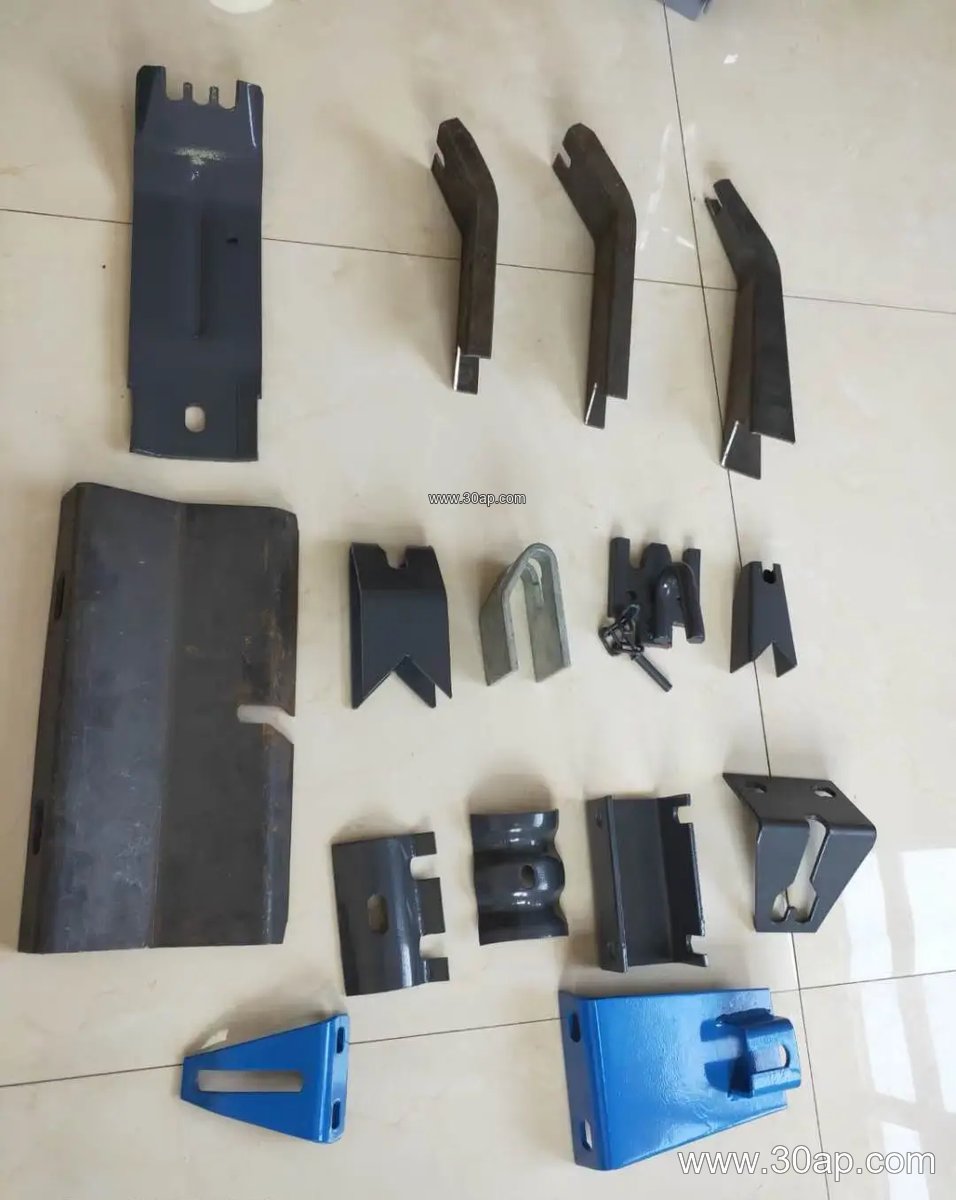
- Crossbeam: carries the center idler and transfers vertical load to the stringers.
- Inclined wings: position the side idlers at the chosen trough angle.
- Mounting feet: bolt to the stringer; hole spacing varies with belt width and frame design.
- Optional features: impact bars for loading zones, self-aligning pivots, or forward-tilted idler seats.
Installation height and hole pitch are determined by the conveyor design, not by a single universal number. Always confirm the stringer spacing and idler shaft centers before ordering.
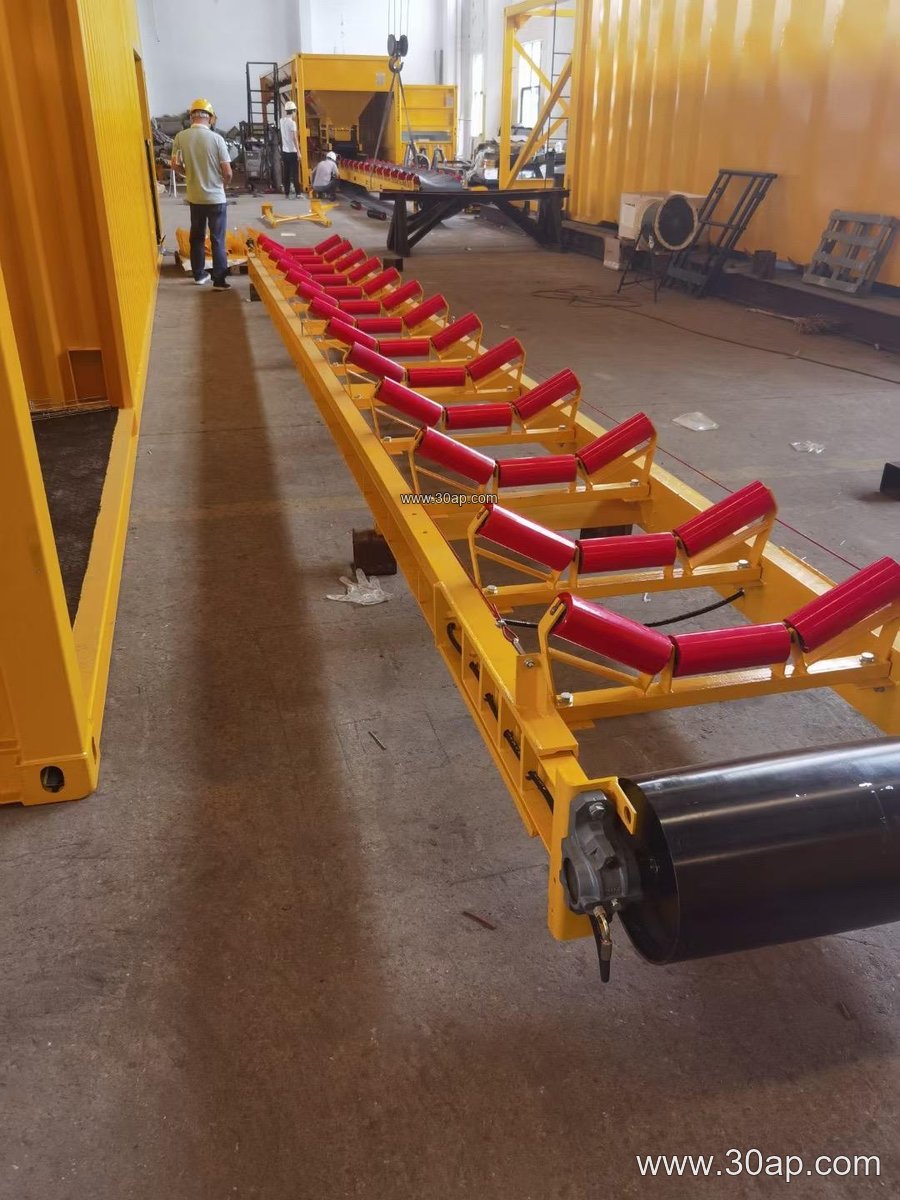
Trough Angle and Belt Width Pairing
The trough angle controls how deeply the belt curves and how much material it can hold. A 20-degree bracket suits gentle troughing and thin belts; 35 degrees is a common middle ground for aggregate and cement service; 45 degrees gives extra capacity on wide belts handling loose bulk material. Adjustable brackets let maintenance teams move between these angles on site.
Belt width and idler diameter should be matched as a set. A B800 frame with 35 degrees and Ø108 idlers behaves very differently from a B1200 frame at 45 degrees with Ø133 rollers. Wider belts such as B1400, B1600, or B1800 usually need longer crossbeams and heavier section steel. None of these combinations is mandatory; they are reference points for design review.
| Belt Width | Typical Trough Angle | Common Idler Diameter | Typical Bracket Material |
|---|---|---|---|
| B500 | 20°–30° | Ø89 | Angle steel |
| B650 | 30° | Ø89–Ø108 | Angle steel |
| B800 | 30°–35° | Ø108 | Channel steel |
| B1000 | 35° | Ø108–Ø133 | Channel steel |
| B1200 | 35°–45° | Ø133 | Folded plate |
| B1400 | 35°–45° | Ø133–Ø159 | Folded plate |
| B1600 | 35°–45° | Ø159 | Heavy channel |
| B1800 | 35°–45° | Ø159–Ø194 | Heavy channel |
These figures are indicative only. Final selection depends on belt tension, material density, and transition distance.
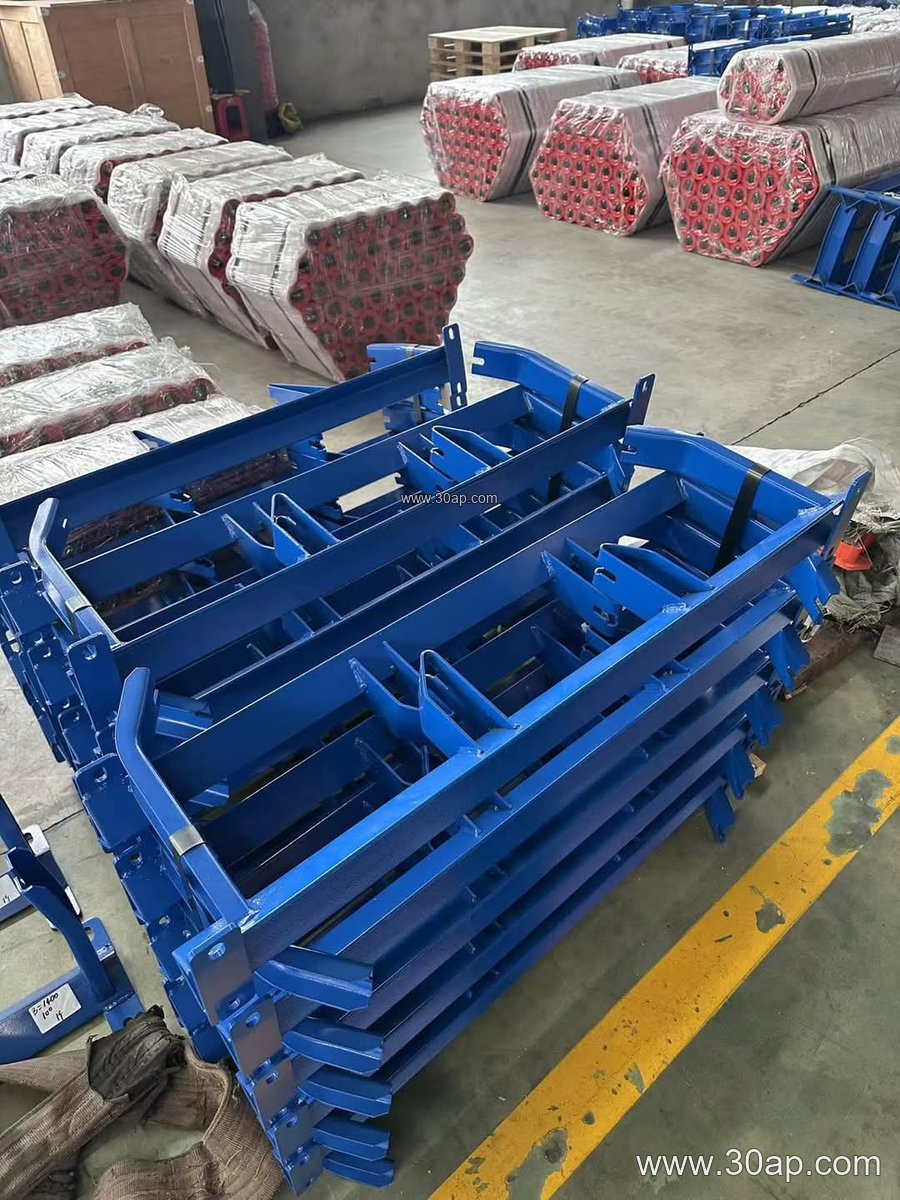
Where the Bracket Earns Its Keep
In a limestone quarry, carrying brackets under a crusher discharge must absorb impact, so impact-resistant frames with rubber buffers are often chosen. In a coal-fired power plant, flame retardant conveyor belt on the load side runs over standard troughing brackets, while the return side uses a different frame type. In an iron ore terminal, heavy-duty brackets with thick channel steel support wide belts moving thousands of tonnes per hour. Sand and gravel lines, fertilizer plants, and grain silos each bring their own loading pattern, but the bracket’s job stays the same: hold the idlers steady and keep the belt profile true.
Buyer Checklist
- Confirm belt width and stringer hole spacing before ordering.
- State the required trough angle, or ask for an adjustable version if the profile may change.
- Match idler shaft diameter to the bracket seat; do not assume a shaft size from belt width alone.
- For loading zones, ask about impact brackets rather than standard carrying frames.
- Check surface treatment, since dusty or wet sites shorten the life of painted steel.
- Keep a small stock of spare brackets; replacing one worn frame is faster than re-aligning a whole idler station.
A well-chosen carrying bracket is inexpensive compared with the belt and pulleys it supports, yet it protects both. Review the frame drawing against the actual conveyor, and the line will run straighter for longer.