Deploying a Diamond Grooved Lagged Pulley in Clinker Transport
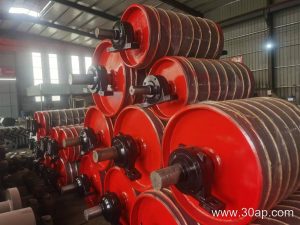
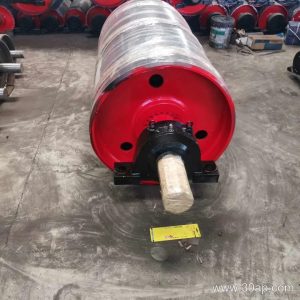
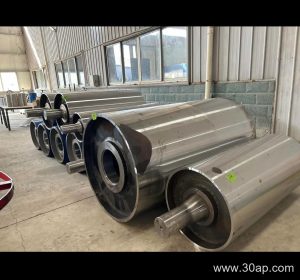
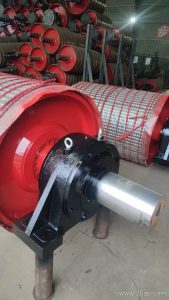
How does a cement plant maintain belt traction when abrasive clinker dust coats every surface? The answer lies in selecting a diamond grooved lagged pulley for critical drive positions. The diamond pattern channels fine dust away from the nip point, preventing slippage.
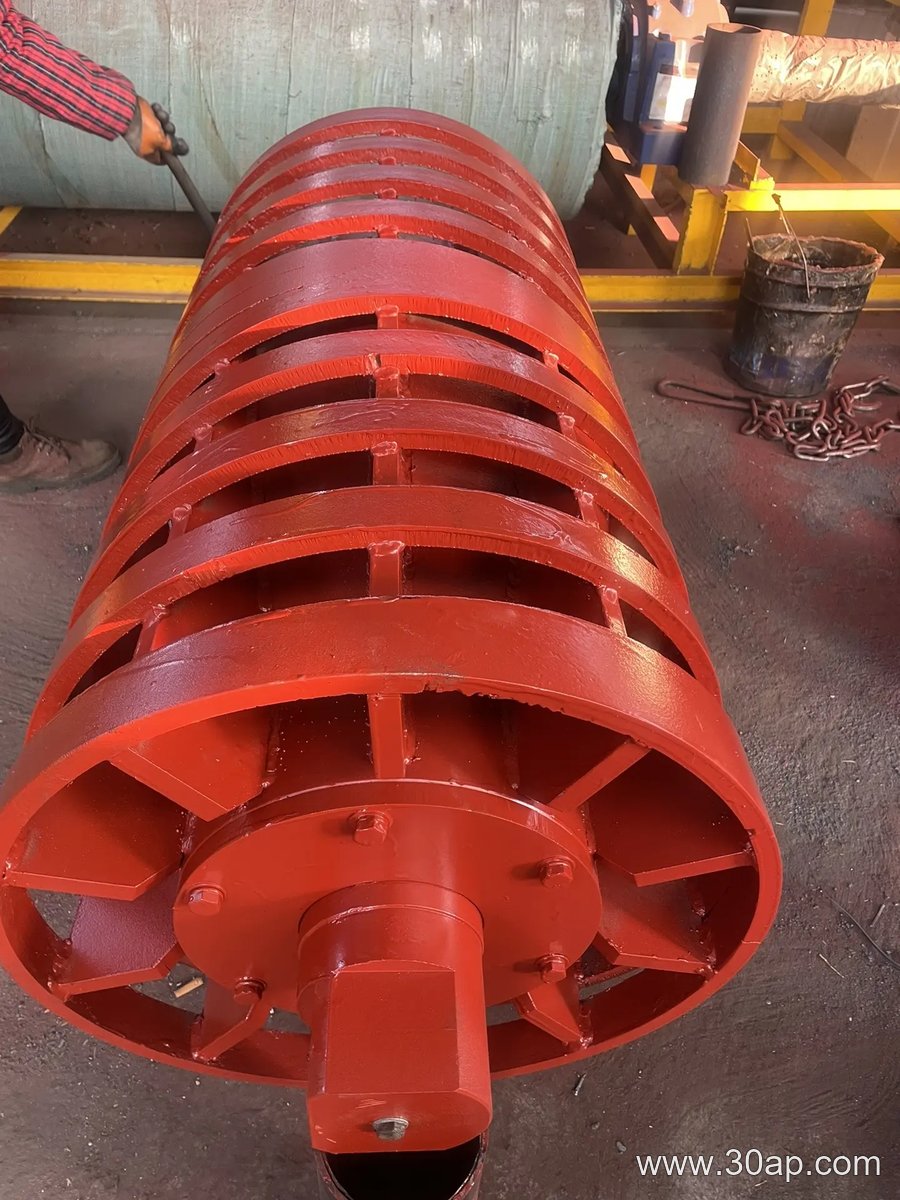
- Pattern channels prevent material buildup between belt and shell
- Rubber lagging absorbs high impact from clinker loading
- Friction coefficients remain stable despite fine abrasive dust
Plant engineers rely on this design to reduce maintenance intervals and protect drive components.
Cement Clinker Handling and Conveyor Bracket Geometry
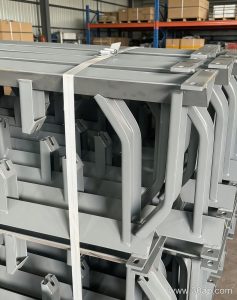
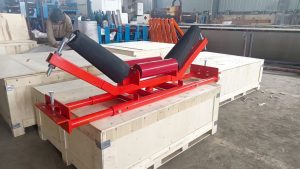
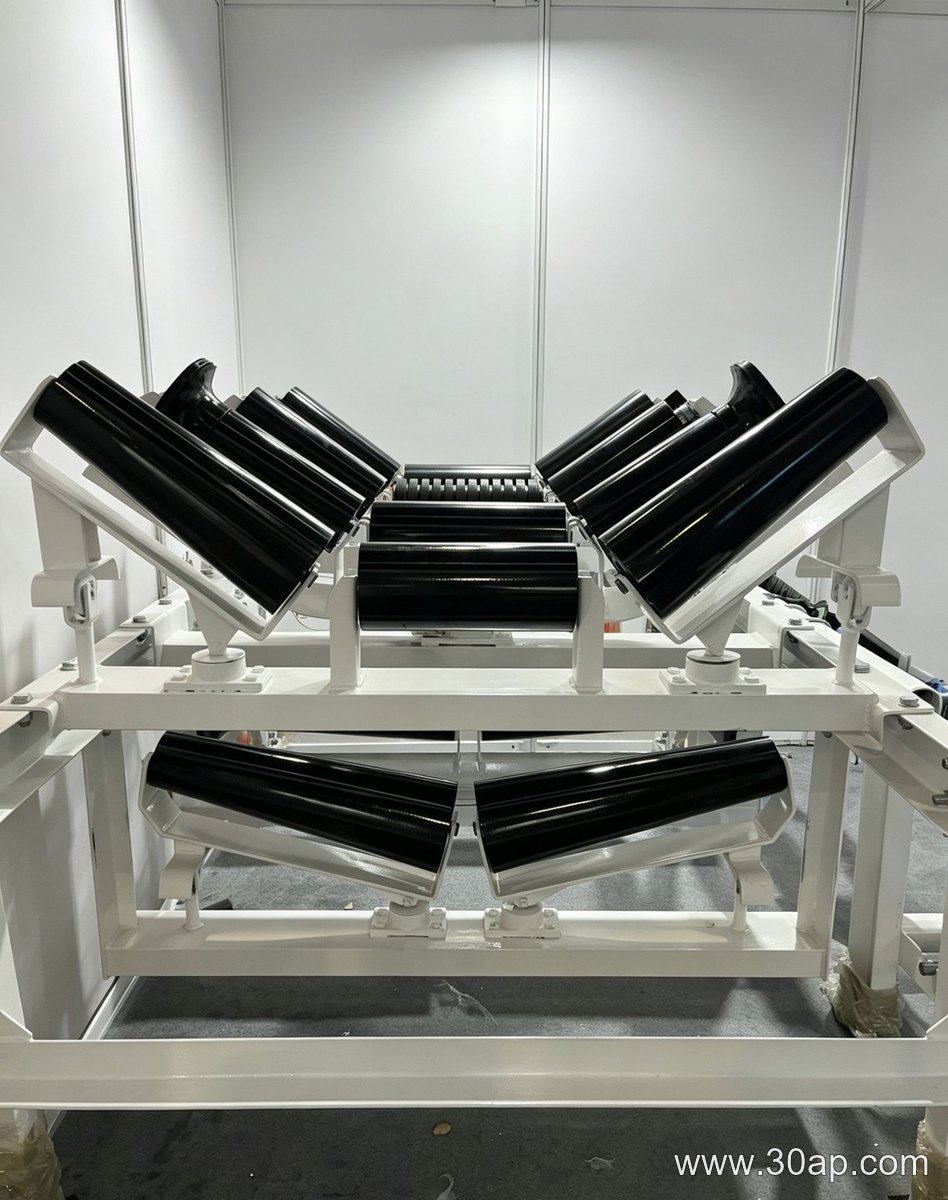
In a cement plant, clinker transport pushes every conveyor bracket to its mechanical limit. High temperatures, abrasive dust, and heavy impact forces demand careful design choices. A properly engineered conveyor bracket must prevent fines from packing into internal pockets while maintaining structural rigidity under continuous vibration.
Managing Fine Accumulation
- Design open angle profiles to let clinker dust shed freely.
- Avoid enclosed gussets where fine cement powder can bake and cake.
- Specify protective coatings that resist thermal shock and abrasive wear.
Understanding Conveyor Belt Abrasion Resistance Mechanisms
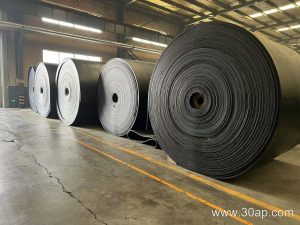
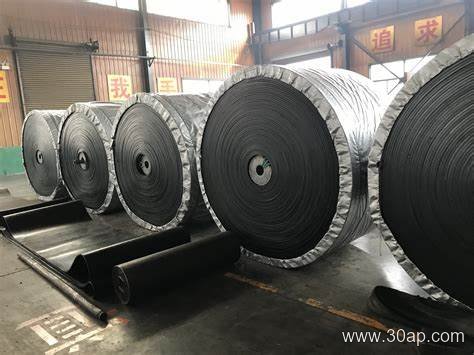
A conveyor belt operating in a dusty quarry faces continuous friction from sharp granite aggregate. The performance of the top rubber cover depends heavily on its polymer matrix formulation and filler dispersion. High-grade rubber compounds resist gouging and wear by absorbing mechanical stress without tearing. Engineers specify abrasion-resistant rubber covers to extend service life when handling dense mineral loads over extended operational hours.
Handling Crushed Ore Demands Robust Idler Roller Construction
In a heavy mineral-processing plant, an idler roller must withstand severe impact forces from jagged copper or iron ore chunks tumbling onto the belt. Engineers evaluating these components must account for high bulk density and abrasive dust.
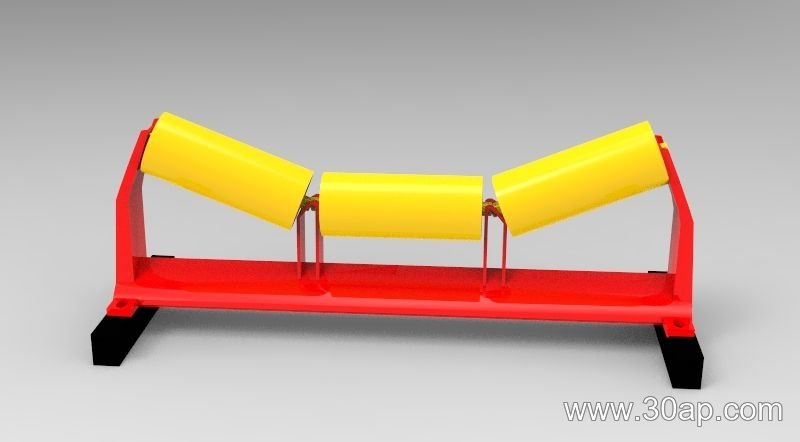
- Select heavy-gauge steel shells to resist sharp ore impacts.
- Ensure multi-labyrinth sealing prevents fine mineral dust from reaching internal bearings.
- Verify dynamic balance limits to reduce rotational vibration under heavy load.