What a Ceramic Lagged Pulley Is
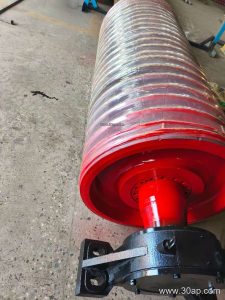
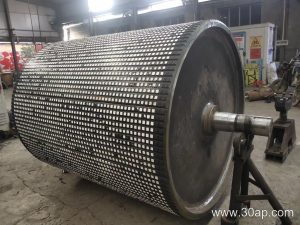
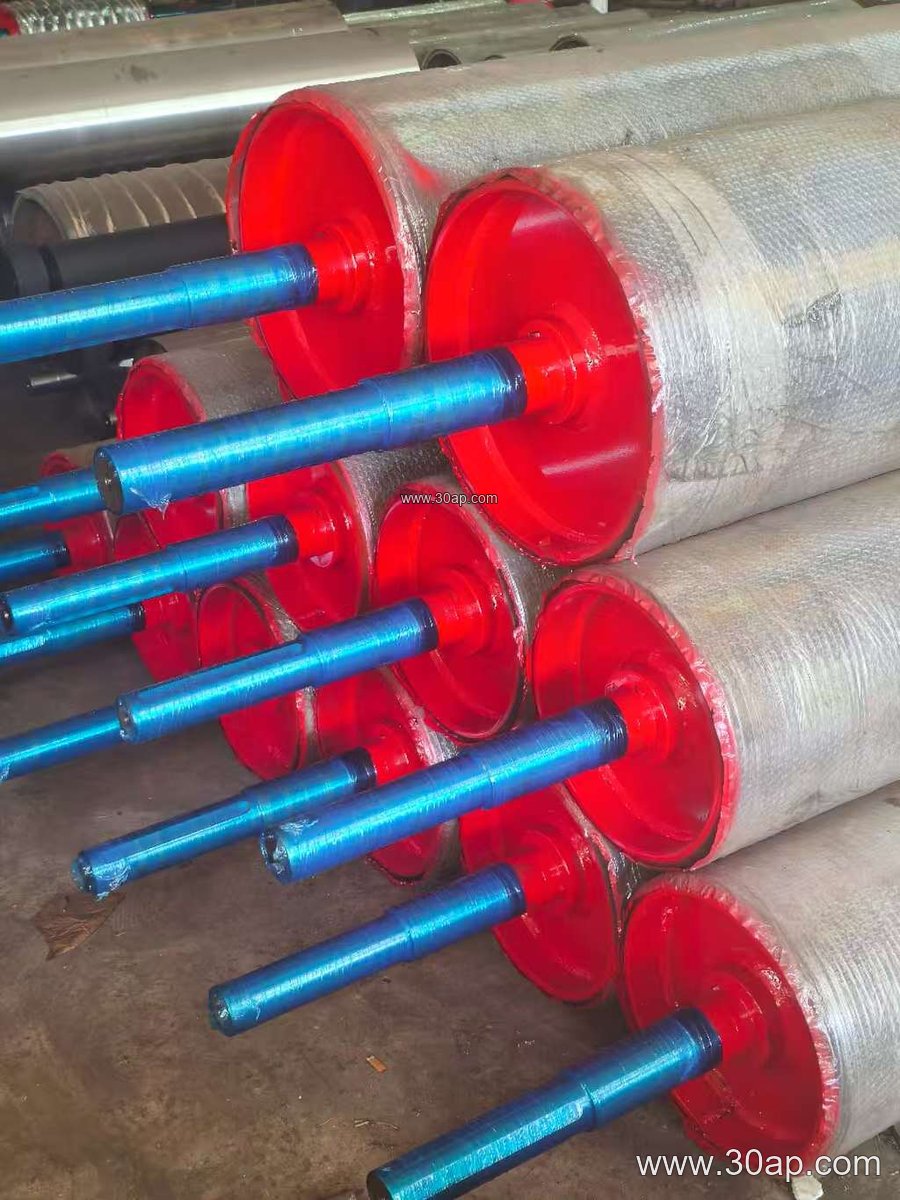
A ceramic lagged pulley is a conveyor pulley whose outer surface is covered with ceramic tiles embedded in a rubber or polymer backing. This ceramic lagging creates a high-friction, wear-resistant shell that improves grip between the pulley and the conveyor belt. It is a specialized form of conveyor pulley used where standard rubber lagging would wear too quickly or lose traction under demanding conditions. In plants handling abrasive bulk materials, a ceramic lagged pulley helps maintain drive efficiency and reduces belt slip.
Construction and Surface Details
The lagging is built from small ceramic squares or rectangles with raised profiles, bonded into a rubber matrix. The ceramic provides hardness and abrasion resistance, while the rubber backing absorbs impact and flexes with the pulley shell. Common lagging thicknesses include 8 mm, 10 mm, 12 mm, 15 mm, and 20 mm, selected according to belt tension and material abrasiveness. The pulley body itself is usually welded steel, with shaft diameters determined by torque and load rather than belt width alone. For example, a B800 × Ø500 ceramic lagged pulley may use a shaft sized by the drive calculation, not a fixed rule. Surface patterns can be flat ceramic tiles or raised ceramic buttons, depending on the grip required.
Where It Fits in the Conveyor System
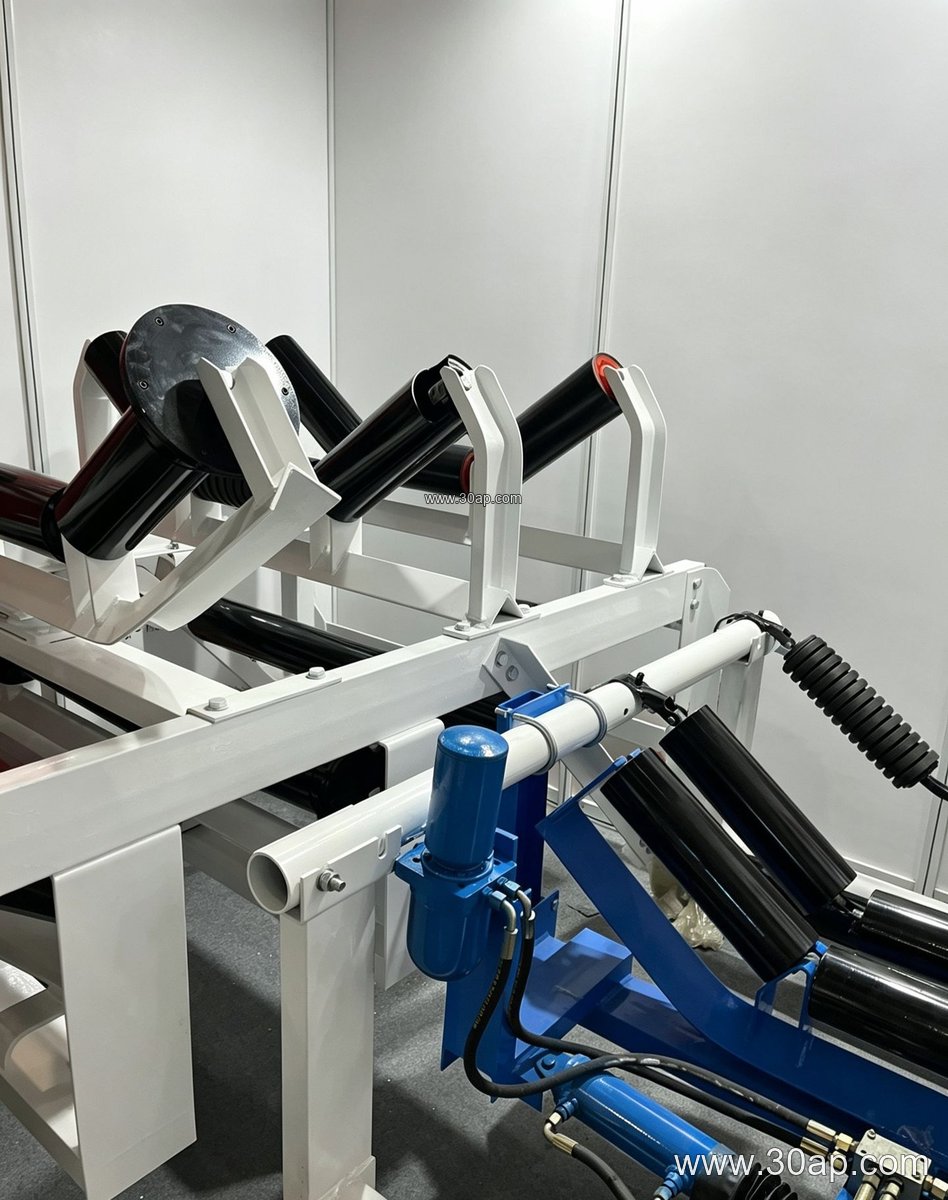
Ceramic lagged pulleys are most often specified for drive pulleys, where traction is critical, and for bend or tail positions in abrasive service. In a quarry conveyor belt line, for instance, the drive pulley may be ceramic lagged to prevent slip under wet, gritty conditions. The same pulley type can appear on a coal mining conveyor belt or in a cement plant clinker transport system. It is not a replacement for a tail pulley or bend pulley by name; rather, the ceramic lagging is a surface option applied to the pulley that needs extra grip and wear life. When compared with a standard rubber lagged drive pulley, the ceramic version typically lasts longer in high-abrasion zones.
Industries and Operating Conditions
You will find ceramic lagged pulleys in limestone mines, iron ore plants, coal preparation facilities, and power plant coal handling systems. They suit conveyor belts carrying sharp, heavy, or wet materials that would quickly wear plain rubber lagging. In a sand and aggregate line, a ceramic lagged pulley on the head drive helps maintain consistent belt speed despite dust and moisture. The ceramic surface also resists grooving and polishing, which can occur with ordinary lagging under high tension. For systems using a steel cord conveyor belt or a heavy-duty mining conveyor belt, the pulley lagging must match the belt’s demands and the drive power.
Selection and Sizing Notes
When choosing a ceramic lagged pulley, consider belt width, pulley diameter, lagging thickness, and shaft load. Common belt widths range from B400 to B2400, and pulley diameters from Ø200 to Ø1800. A few example combinations include B650 × Ø400, B1000 × Ø630, and B1400 × Ø800. These are reference pairings, not fixed rules; the final diameter depends on belt speed, tension, and wrap angle. Lagging thickness is often 10 mm or 12 mm for moderate duty, and 15 mm or 20 mm for severe abrasion. The pulley face width usually exceeds the belt width by about 100 to 200 mm, so a B1200 belt might use a pulley face around 1400 mm. Always confirm shaft diameter by torque calculation, as values like Ø80 or Ø120 are not tied to a single belt width.
Maintenance and Buyer Checklist
Inspect ceramic lagging for cracked or missing tiles and for rubber undercutting. Replace lagging when tile loss exceeds a small percentage of the surface or when grip deteriorates. Keep the pulley clean and aligned with the conveyor belt to avoid edge wear. Buyers should ask for the lagging thickness, ceramic tile size and pattern, pulley diameter, face width, shaft diameter, and balancing grade. Also confirm the pulley’s position in the conveyor—drive, tail, bend, or take-up—because the duty differs. For abrasive service, a ceramic lagged pulley often outperforms a plain rubber lagged pulley, but it should be specified as part of the whole conveyor pulley assembly, including bearings and conveyor bracket interfaces. Matching the pulley to the right conveyor belt, whether an abrasion resistant conveyor belt or a heat resistant conveyor belt, ensures the lagging delivers its intended life.