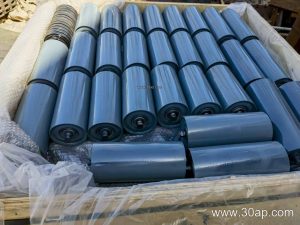
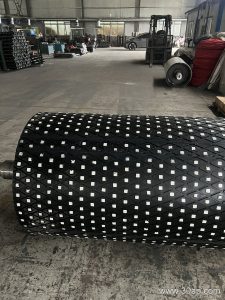
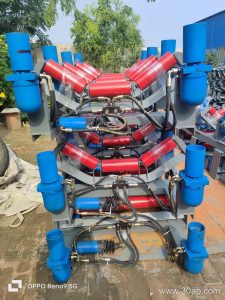
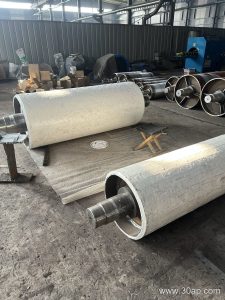
What a Disc Idler Is
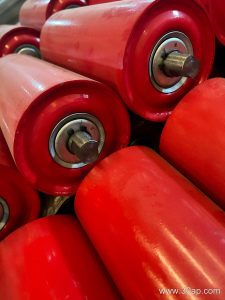
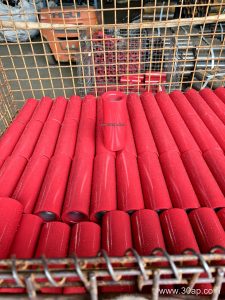
A disc idler is a type of conveyor idler roller built with a series of rubber or polymer discs mounted along a steel shaft or tube, instead of a single continuous roller shell. Each disc acts as a small, flexible contact point under the conveyor belt. Because the discs are spaced apart, the idler can absorb impact, reduce material buildup between the belt and the roller, and keep the belt tracking more steadily in dusty or wet conditions. In many plants it is also called a rubber disc idler or disc return roller, and these names describe the same product.
The disc idler should not be confused with drive, tail, or bend pulleys, which are large drum-type components that transmit power or change belt direction. A disc idler is a carrying or return support element in the conveyor line. It works together with the conveyor belt, conveyor bracket, and conveyor pulley to keep the whole system running smoothly.
Construction and Common Forms
Most disc idlers combine a steel shaft, sealed bearing housings, and a set of discs fixed to the shaft. The discs are often made of wear-resistant rubber, and some designs use a steel tube core with rubber discs pressed on. Bearing sizes commonly include 6204, 6205, 6305, 6306, and 6308, but the correct bearing depends on load, speed, and shaft design rather than on belt width alone.
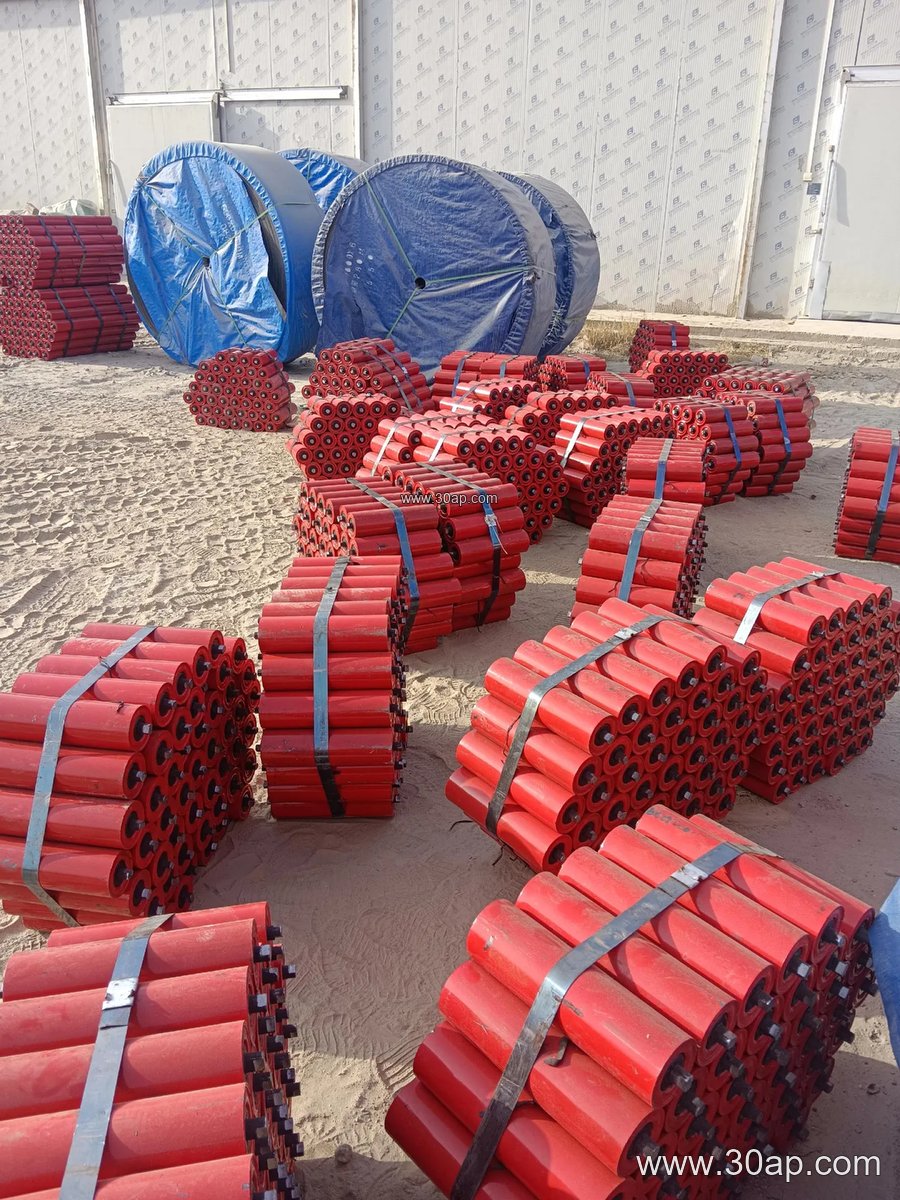
Disc idlers appear in several arrangements depending on where they sit in the conveyor:
- Return-side disc idlers, often used under the empty belt to shed sticky material
- Impact disc idlers, placed at loading points to cushion falling material
- Troughing disc idler sets, where discs are arranged in a three-roll or two-roll trough
- Self-aligning disc idlers, which help correct belt wander on long runs
Common roller diameters for idlers in this family include Ø89, Ø108, Ø127, Ø133, Ø159, and Ø178 mm. Belt widths served range from B500 and B650 up to B1400 and B1600, with roller length set by belt width, trough angle, and roll configuration. A three-roll troughing set for B800 might use a center roll around 315 mm long, while a B1200 set commonly uses rolls near 465 mm, though side rolls and center rolls can differ. Trough angles are usually 20, 30, 35, or 45 degrees, and a small forward tilt of about 1.5 to 2 degrees is sometimes used on training idlers.
Where Disc Idlers Are Used
Disc idlers are common in quarry and aggregate lines, where dust and small spillage quickly pack around ordinary rollers. They also suit cement plants, coal handling sections of power stations, and fertilizer or grain conveyors where sticky or fibrous material tends to wrap around a plain roller shell. In a stone crushing circuit, a disc idler under the discharge zone can reduce the chance of fines building up on the return side.
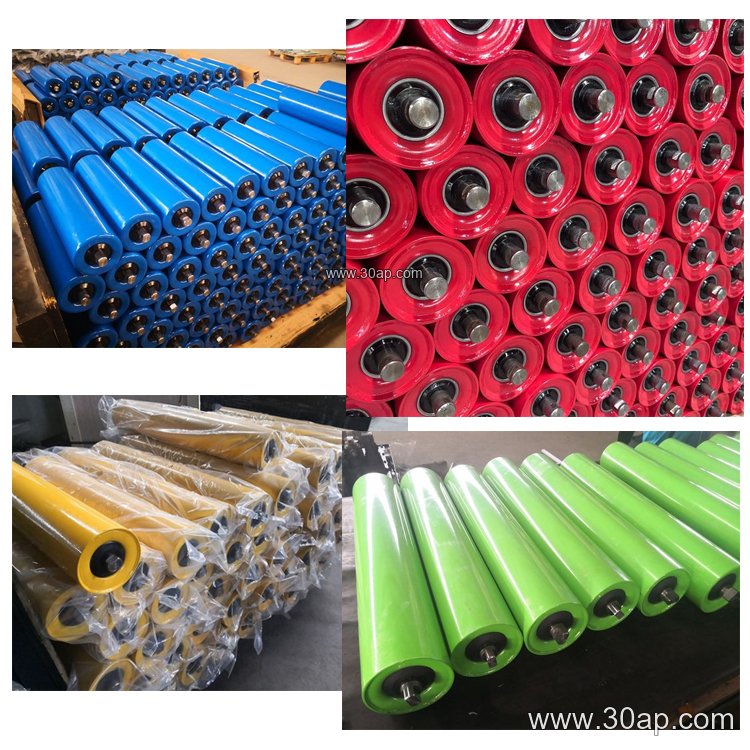
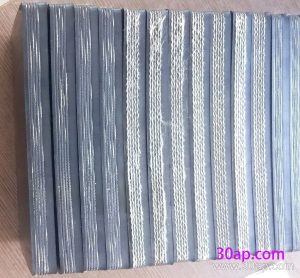
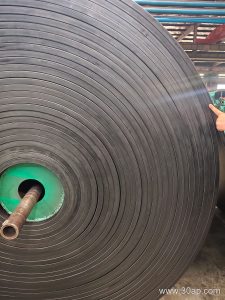
They are frequently paired with a rubber conveyor belt or an EP conveyor belt on medium-duty lines, and with a heavy-duty mining conveyor belt where impact loads are higher. The open disc profile lets material fall away instead of being trapped, which is why many maintenance teams choose this style at transfer points and in wet or muddy conditions.
Selection Points for Buyers
When specifying a disc idler, confirm the belt width, the trough angle, the roll diameter, and the shaft and bearing arrangement. Check whether the idler is for the carrying side or the return side, and whether impact resistance or self-aligning behavior is needed. Disc hardness, disc spacing, and disc diameter matter in sticky service, while seal quality matters in dusty plants. Buyers should also confirm the mounting dimensions match the existing conveyor bracket and frame.
Routine inspection of disc wear, bearing play, and material buildup will extend service life. A disc idler is not a universal replacement for every roller type, but in the right position it can reduce cleaning labor and keep the belt running steadily.