What a Coal Conveyor Pulley Does on the Line
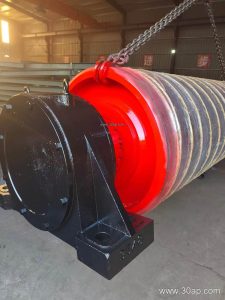
A coal conveyor pulley is the rotating drum that turns the belt, carries its tension, and sets the path of the loaded strand. In a coal handling circuit it works alongside the belt, idler roller sets, and conveyor bracket frames, but its job is distinct: it transfers drive torque or redirects the belt rather than supporting the load between stations. Because coal dust, fines, and occasional wet loads are normal, the drum must be built for grit as much as for tonnage.
Buyers often meet this component in preparation plants, power station coal yards, and ship loading terminals. A common request is a drum sized for a B1200 belt with a Ø1000 shell, or a B800 unit with a Ø500 shell, but those pairings are design choices, not rules. Diameter follows belt tension, wrap angle, and belt stiffness; it is not locked to width.
Construction Details That Matter Underground and Above Ground
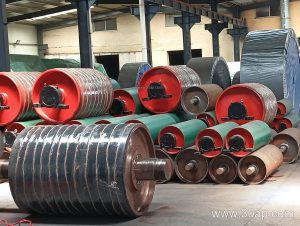
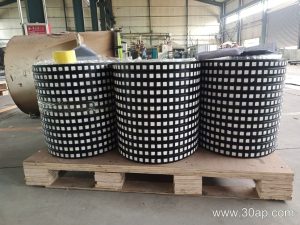
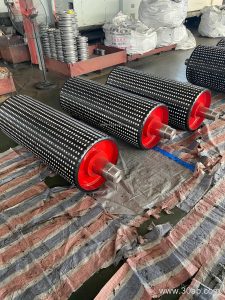
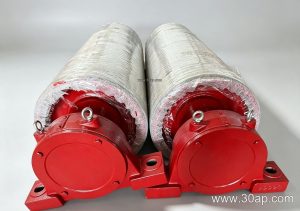
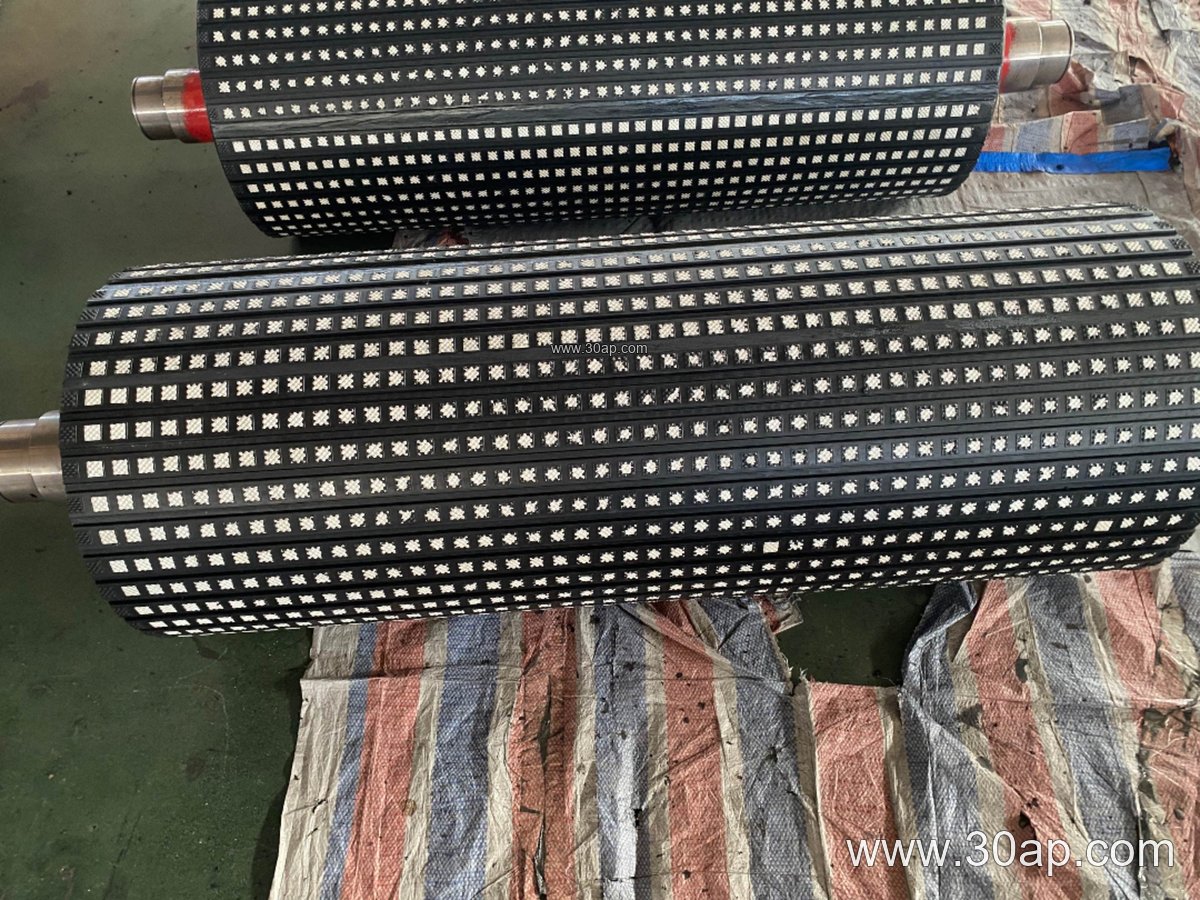
The shell is usually a rolled steel cylinder machined true and welded to end discs, with a shaft pressed or keyed through the centre. Hub connections, locking assemblies, and bearing housings determine how serviceable the unit will be. Lagging is where most specification decisions happen. Plain shells suit clean, lightly loaded runs, while rubber lagging in 8, 10, 12, 15, or 20 mm thickness improves grip on wet coal. Diamond and herringbone patterns help shed water; ceramic tiles resist wear in high-slip positions.
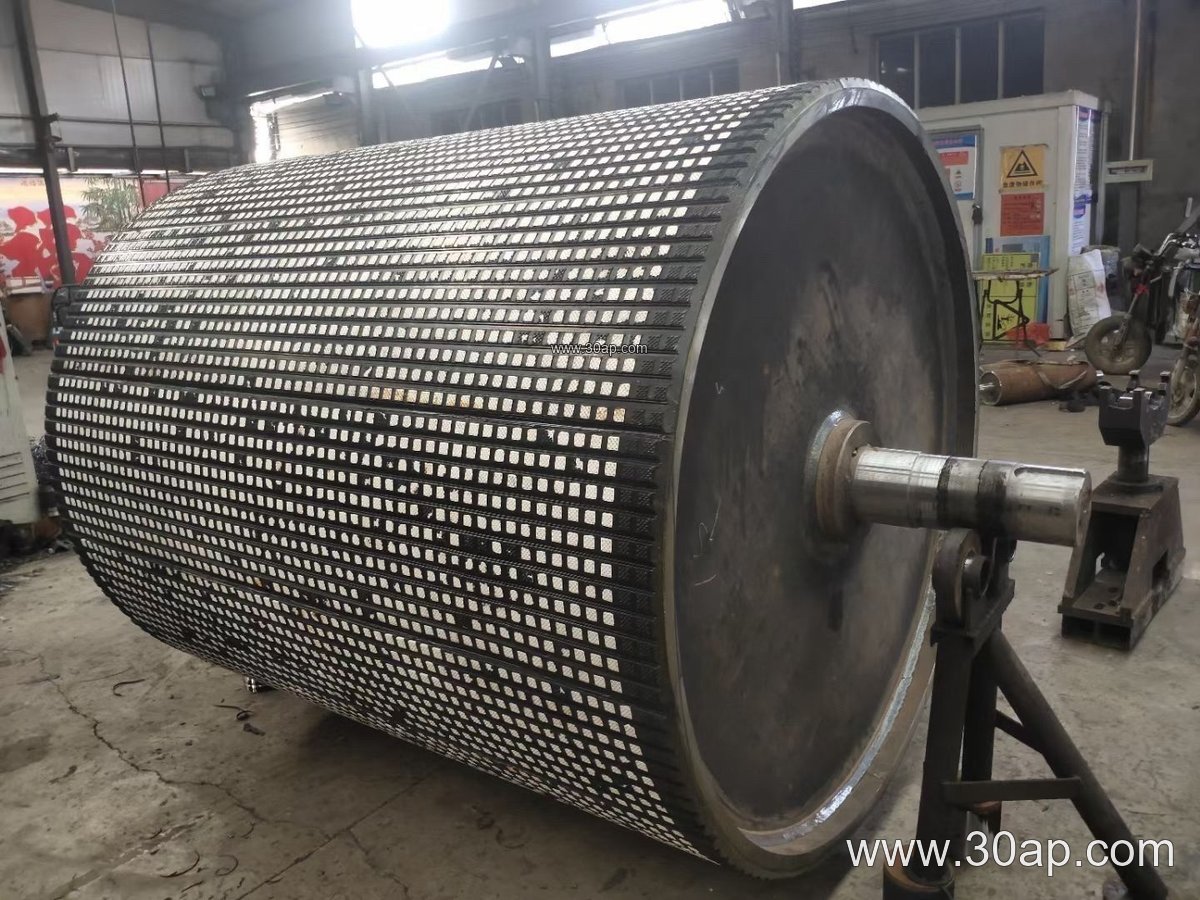
For underground coal mining conveyor belt systems, flame retardant and anti-static properties are frequently requested for the belt and related components, and the drum’s lagging should be chosen with the same fire-conscious thinking. A coal mining conveyor belt running in a confined roadway also benefits from predictable tracking, so shell concentricity and end disc alignment deserve attention at inspection.
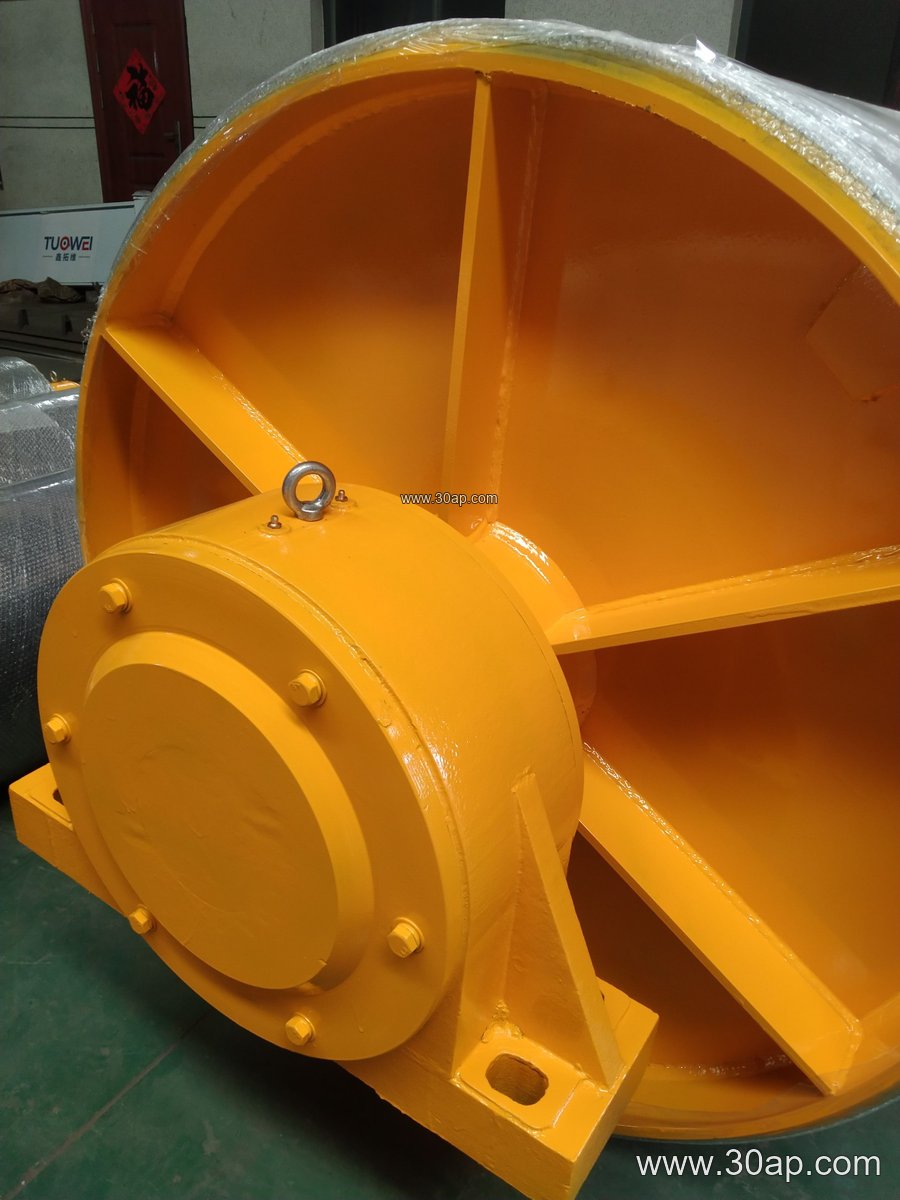
Matching the Pulley to Its Position
Position changes the duty. A drive or head pulley transmits power and usually carries the highest tension, so larger shafts and heavier lagging are common. A tail pulley at the loading point sees impact and fines ingress and often uses a slightly crowned or well-lagged face to keep the belt centred. Bend and take-up pulleys redirect the belt at lower loads, but their bearing selection still needs to account for continuous tension.
- Head and drive positions: torque transfer, lagging grip, shaft strength.
- Tail positions: impact tolerance, sealing against dust, belt centring.
- Bend and take-up positions: smooth rotation, bearing life, frame fit.
Do not treat these as interchangeable. A bend drum cannot simply replace a drive drum, and a tail drum is not a substitute for a head drum. When comparing, note that a wing pulley is sometimes used at tail or take-up points to shed sticky material, but it is a different subtype and not a universal replacement.
Sizes, Shafts, and Face Width
Shell face width normally exceeds belt width so the belt does not run off the edge. Typical references include B650 with about 750 mm face, B1000 with about 1150 mm, B1400 with about 1600 mm, and B1800 with about 2000 mm. Diameters commonly range from Ø200 up to Ø1600 or more, while shaft diameters such as Ø80, Ø100, Ø120, Ø140, and Ø160 are selected by torque and radial load, never by belt width alone.
| Reference item | Common range |
|---|---|
| Belt width | B400 to B2400 |
| Shell diameter | Ø200 to Ø1800 |
| Lagging thickness | 8, 10, 12, 15, 20 mm |
| Shaft diameter | Ø50 to Ø200 |
| Surface forms | Plain, rubber lagged, diamond, herringbone, ceramic |
These are reference values for discussion, not verified universal specifications. Final sizing comes from the conveyor design engineer.
Buyer Checklist Before Ordering
Confirm the belt width and the required face width, the operating tension, the wrap angle, and the ambient conditions. Ask whether the lagging needs to be cold bonded or hot vulcanised, and whether a removable lagging strip is preferred for maintenance. Check bearing type, sealing arrangement, and lubrication access. In a quarry conveyor belt line or a cement plant clinker run, abrasive dust may call for a high abrasion resistant conveyor belt and a harder lagging, while a coal yard may prioritise flame retardant conveyor belt behaviour and wet grip.
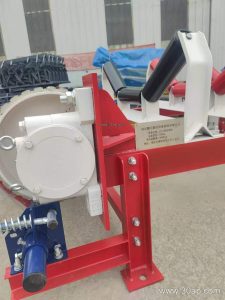
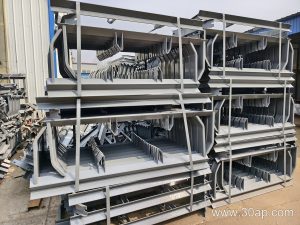
Also verify mounting details against the conveyor bracket and frame drawing, and confirm that the shaft fits the existing bearing housing. If the line uses an EP conveyor belt or a steel cord conveyor belt, note the belt’s stiffness and minimum pulley diameter recommendation before locking the shell size. Keep spare lagging and fasteners on hand, and inspect for shell wear, loose lagging, and bearing temperature at each shutdown. A well-matched coal conveyor pulley keeps the belt tracking, protects the splice, and reduces unplanned stops in mines, power plants, and aggregate operations alike.