Conveyor Pulley: Key to Efficient Material Handling
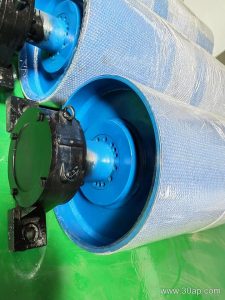
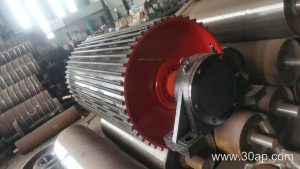
A conveyor pulley drives and tensions the belt. Choose the right one for reliability and uptime.
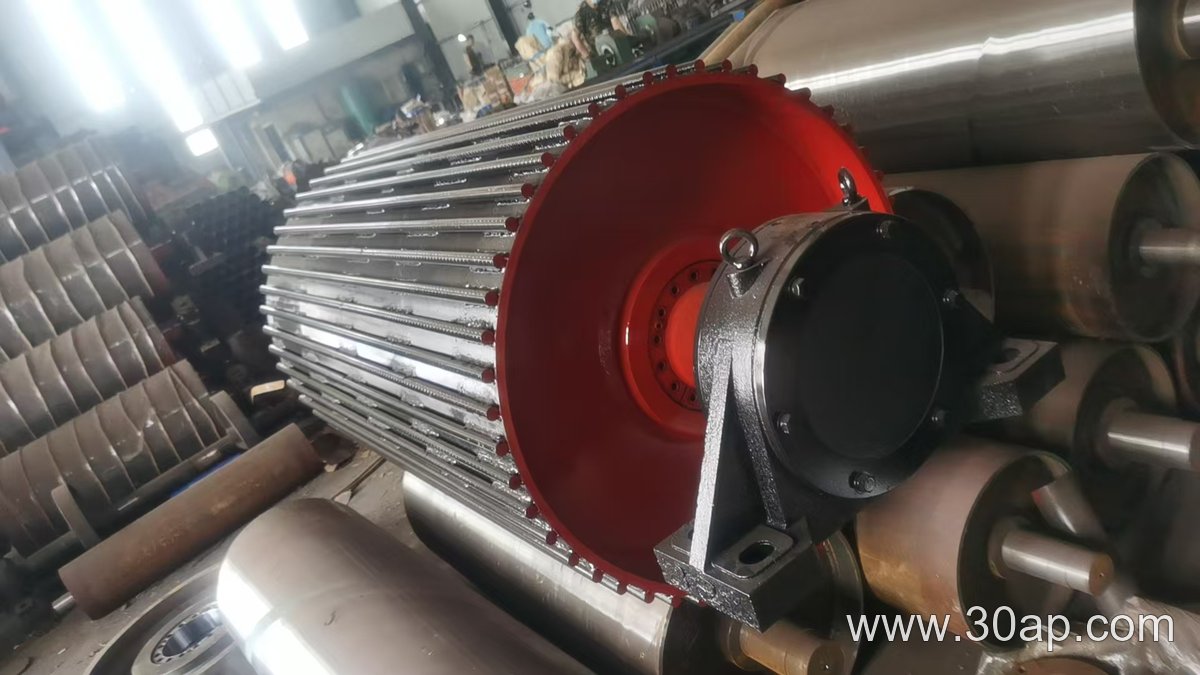
Selection Factors
- Belt width and load capacity
- Pulley diameter and face length
- Lagging type for grip
- Bearing and shaft size
Purchasing Advice
Verify drum balance, weld quality, and lagging bond. Request load ratings and material certificates. Compare total cost, not just price.
Conveyor Bracket Essentials
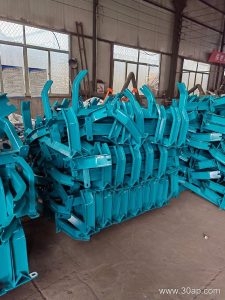
A conveyor bracket supports rollers, idlers, and frames, ensuring alignment and load stability. Choose mild steel for general use or stainless steel for washdown areas.
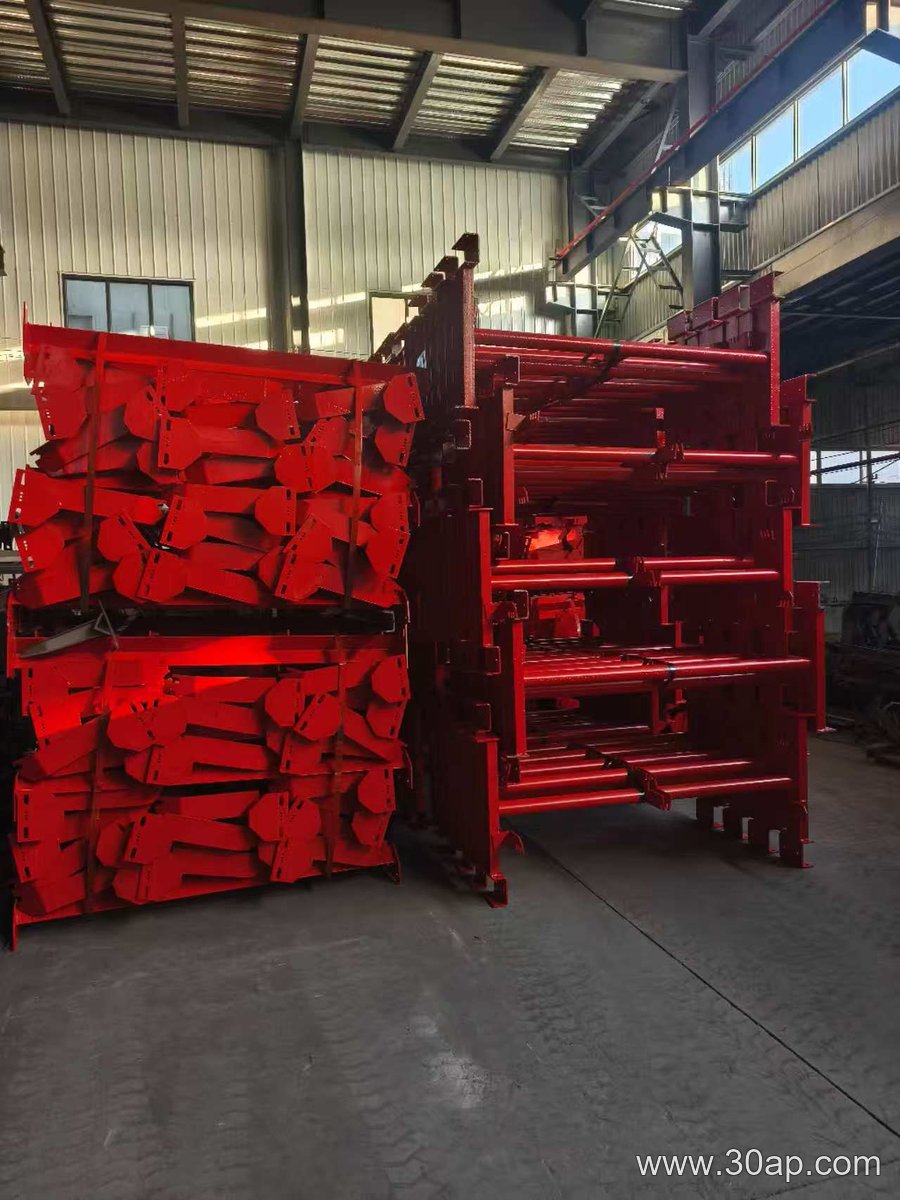
Selection Tips
- Match bolt holes and slot spacing to your conveyor frame.
- Verify load rating and corrosion resistance.
- Prefer adjustable brackets for tensioning.
Purchasing Advice
Buy from suppliers offering dimensional drawings and material certificates. Confirm finish, tolerances, and lead time before ordering.
Conveyor Belt Selection and Purchasing Guide
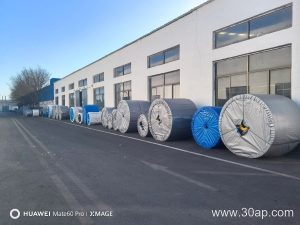
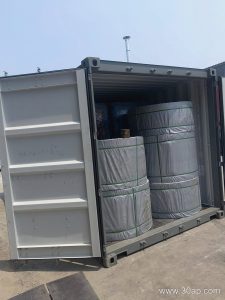
A conveyor belt is the core of any material handling system. Choose the right belt to cut downtime and shipping costs.
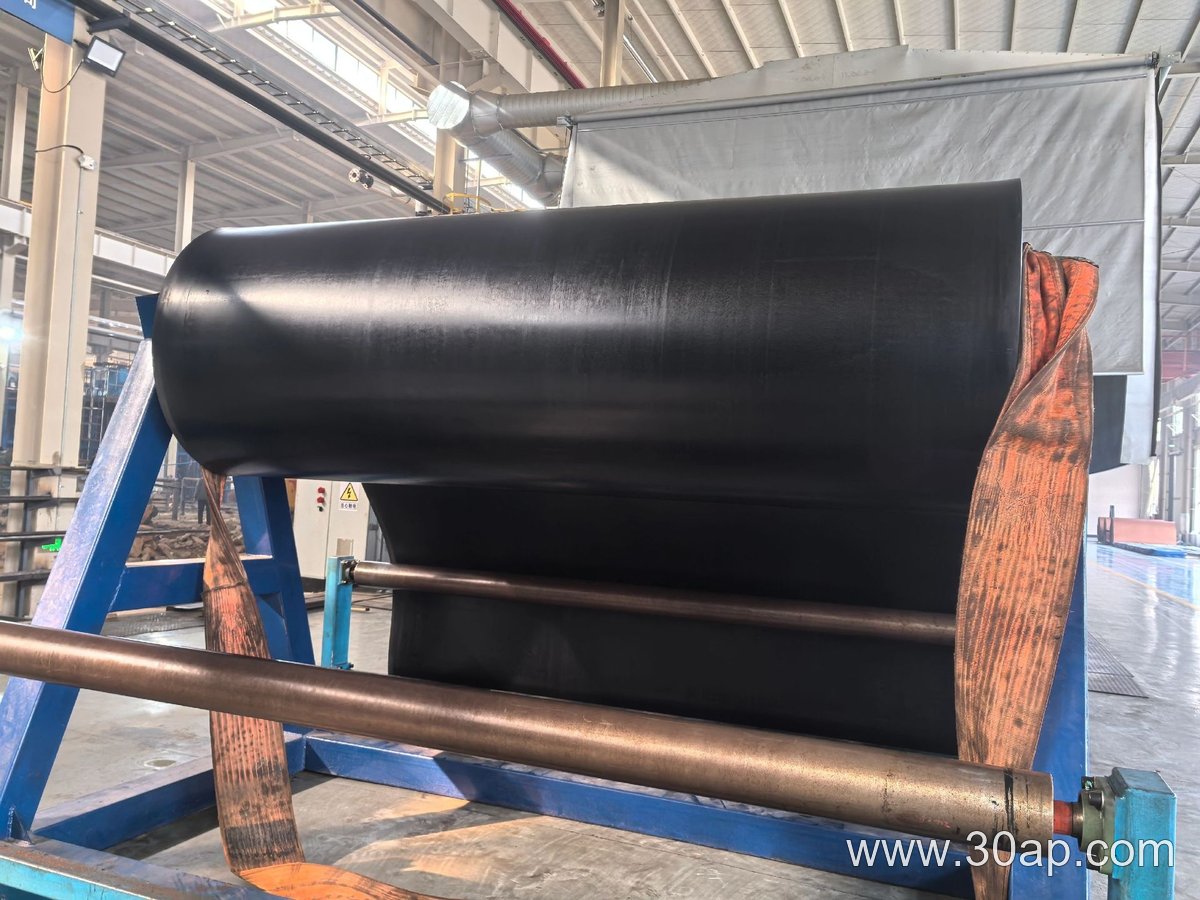
Key Selection Factors
- Load weight, speed, and incline
- Material: rubber, PVC, or steel
- Belt width, ply, and cover grade
Purchasing Advice
Confirm ISO or DIN standards, request test reports, and compare warranty and lead times before ordering.
Idler Roller: The Backbone of Conveyor Efficiency
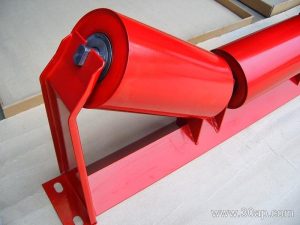
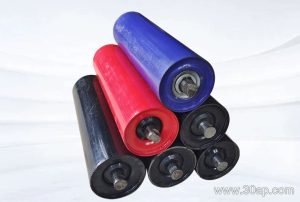
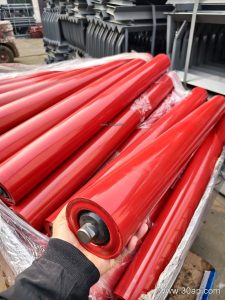
An idler roller supports the belt and reduces friction, directly affecting conveyor uptime and energy cost. Choose the right unit to avoid premature wear and costly downtime.
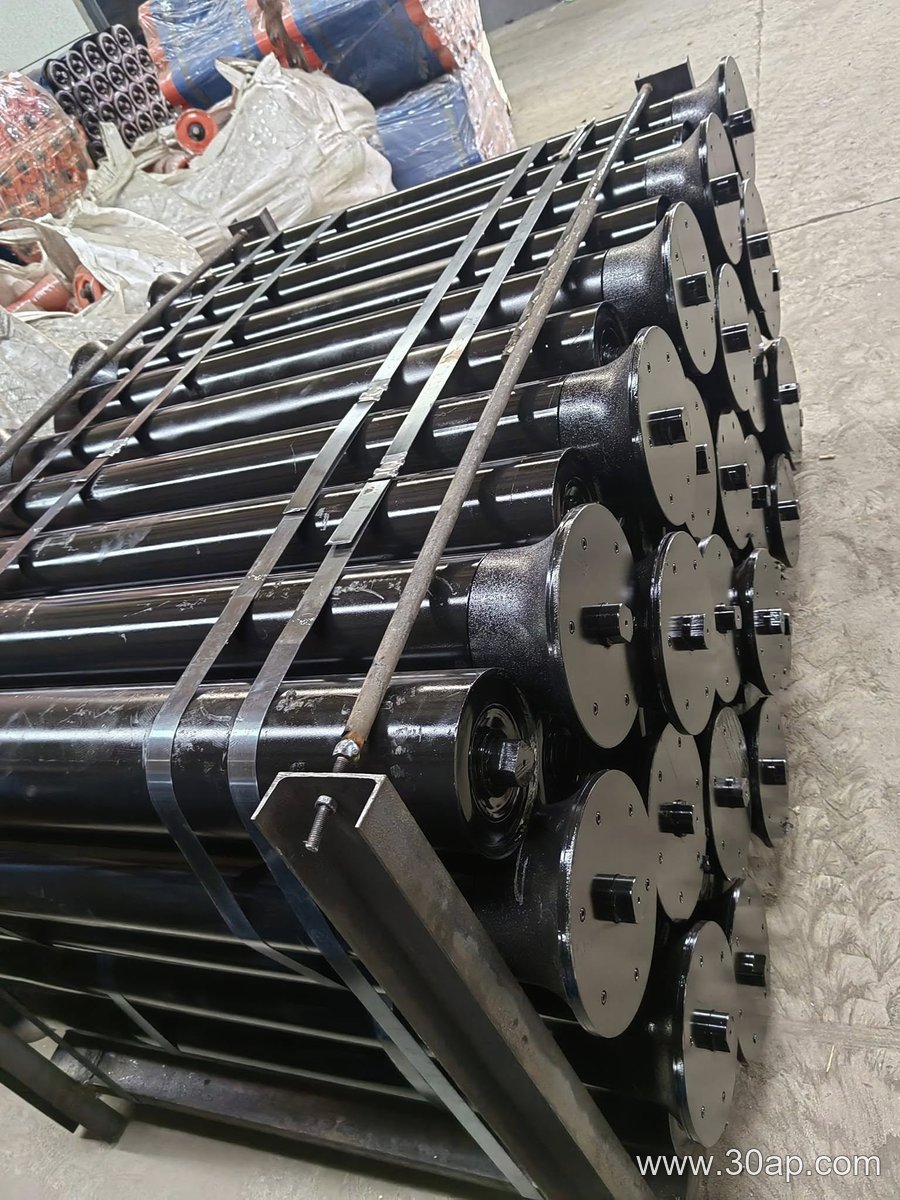
Key Selection Factors
- Load capacity and belt width
- Bearing type: sealed vs. open
- Shell material: steel, stainless, or polymer
- Environmental conditions: dust, moisture, temperature
Purchasing Advice
Verify shaft tolerance and runout. Request load-life data, not just dimensions. For continuous duty, prioritize sealed bearings and corrosion-resistant shells. Confirm interchangeability with your existing frames before ordering.