What a Conveyor Idler Frame Does
A conveyor idler frame is the structural support that holds idler rollers in position along a belt conveyor. It keeps each roller at the correct height, angle, and spacing so the conveyor belt can travel smoothly under load. The frame itself does not drive or redirect the belt; that job belongs to the conveyor pulley at the head, tail, or bend section. Instead, the idler frame carries the weight of the belt, the material on it, and the rollers themselves. In practice, the frame is often called a roller bracket or idler bracket, but the function is the same: locate and support the idlers.
Because the frame connects directly to the conveyor structure, it affects belt alignment, roller life, and maintenance access. A poorly fitted frame can cause the belt to wander, increase roller wear, or make replacement awkward. A well-designed frame keeps the idlers stable and lets the belt run true.
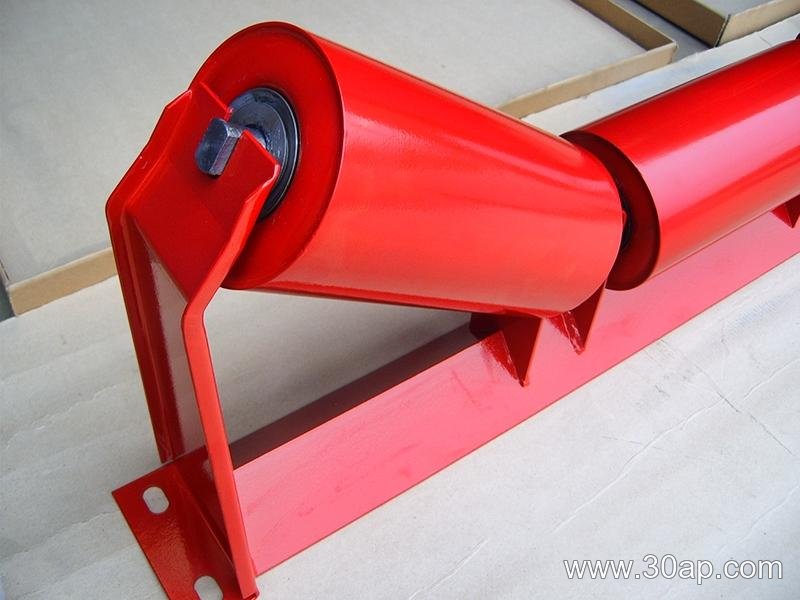
How the Frame Is Built
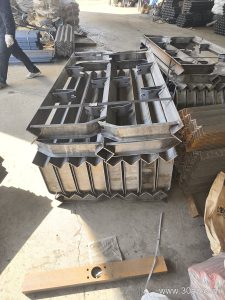
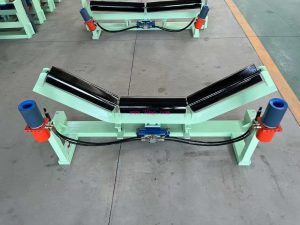
Most conveyor idler frames are made from angle steel, channel steel, or folded steel plate. The choice depends on the load, the belt width, and the environment. A typical troughing frame has two or three roller positions set at a trough angle, while a return frame may hold a single flat roller or a V-shaped pair. The frame usually includes mounting holes or slots that match the conveyor stringer spacing.
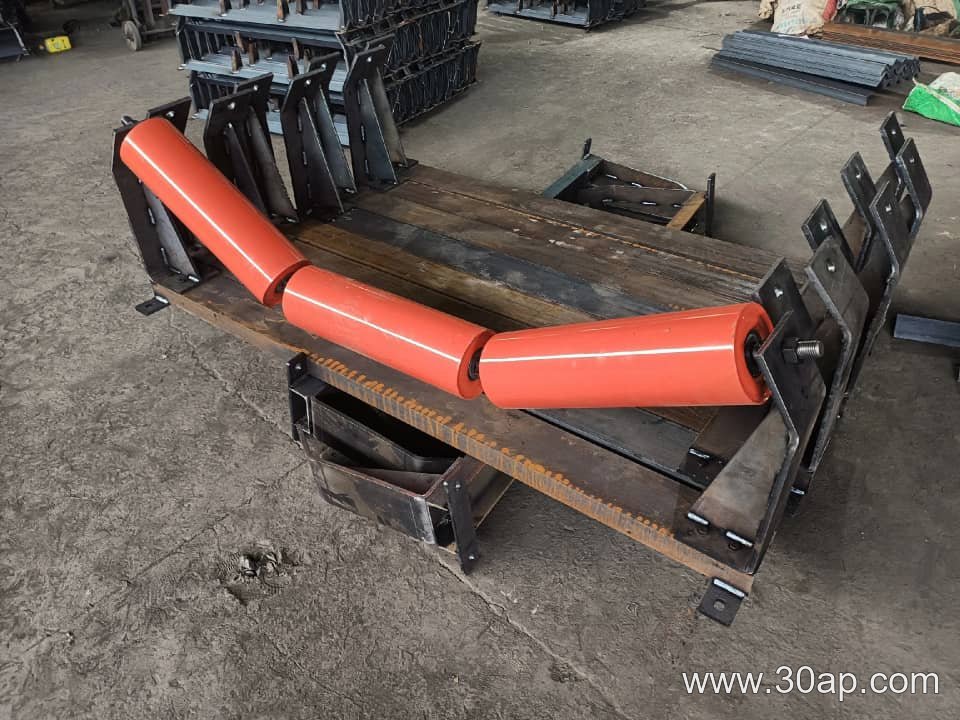
Common trough angles include 20, 30, 35, and 45 degrees. Adjustable frames allow the angle to be changed within a range, which can help when the material flow or belt training needs fine tuning. Some frames also include a forward tilt of about 1.5 to 2 degrees for the side rollers, a feature used to help center the belt. The frame may be fixed or adjustable, depending on the conveyor design and the operator’s preference.
Materials and finish vary with the application. In dusty or wet conditions, frames may be painted, galvanized, or otherwise protected. The frame must be strong enough to resist bending under the weight of the belt and its load, but it should not be so heavy that installation becomes difficult.
Where Idler Frames Are Used
Conveyor idler frames appear wherever a belt conveyor needs reliable roller support. In a quarry or sand and gravel line, they carry the belt through crushing and screening circuits. In a coal washing plant, they support the belt as it moves wet, heavy material. In a cement plant or power station coal yard, they keep the belt aligned through long transfer points. Other applications include fertilizer handling, grain silos, and tunnel muck removal.
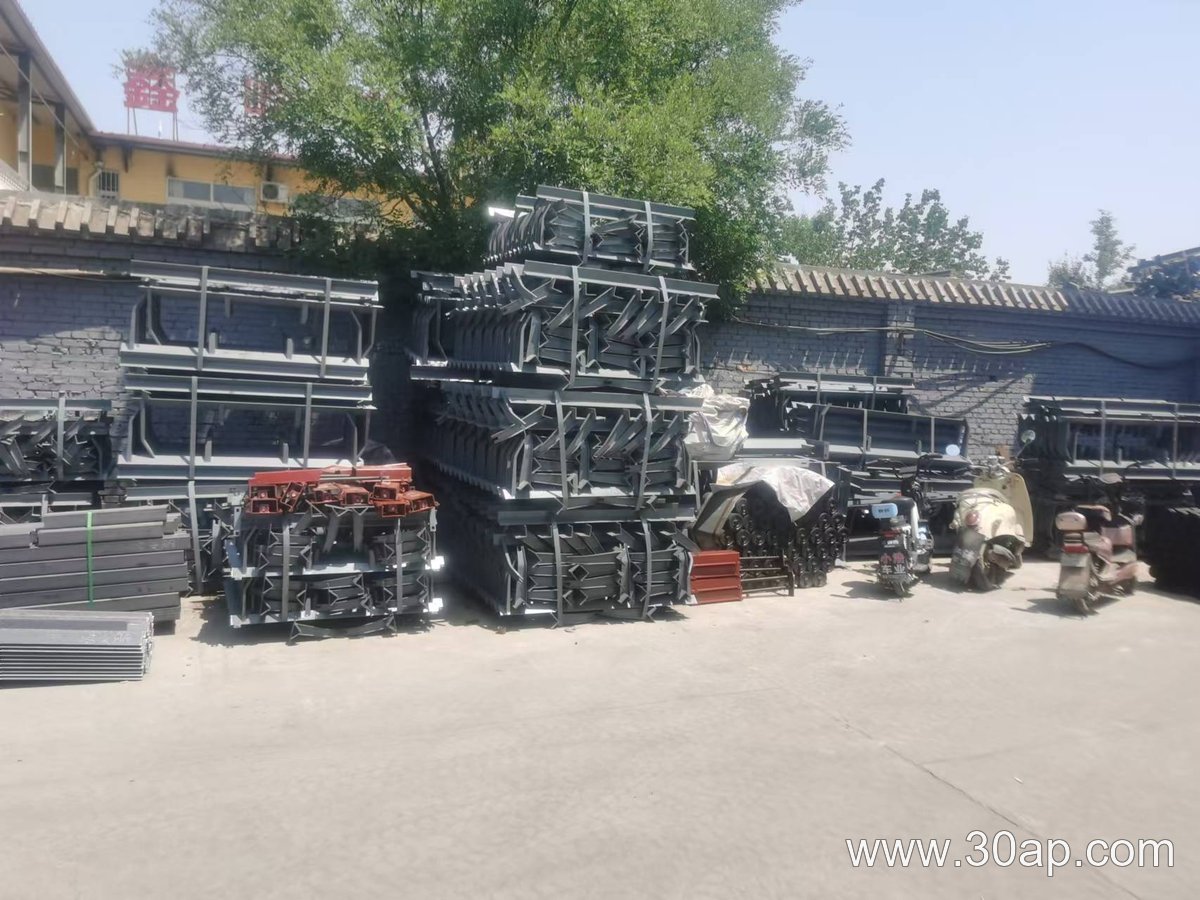
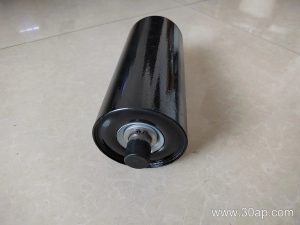
Each location has its own demands. A primary crusher discharge may need extra impact support, while a long overland conveyor may need frames that hold the belt steady through curves and inclines. The frame must match the belt width, the roller diameter, and the load profile. For example, a B800 belt with a 35 degree trough and Ø108 rollers is a common combination, but it is not the only one. A B1200 belt may use a 45 degree trough with Ø133 rollers, or a B650 belt may use a 30 degree trough with Ø89 rollers. These are reference examples, not fixed rules. The correct match depends on the conveyor design, the material, and the required capacity.
What Buyers Should Check
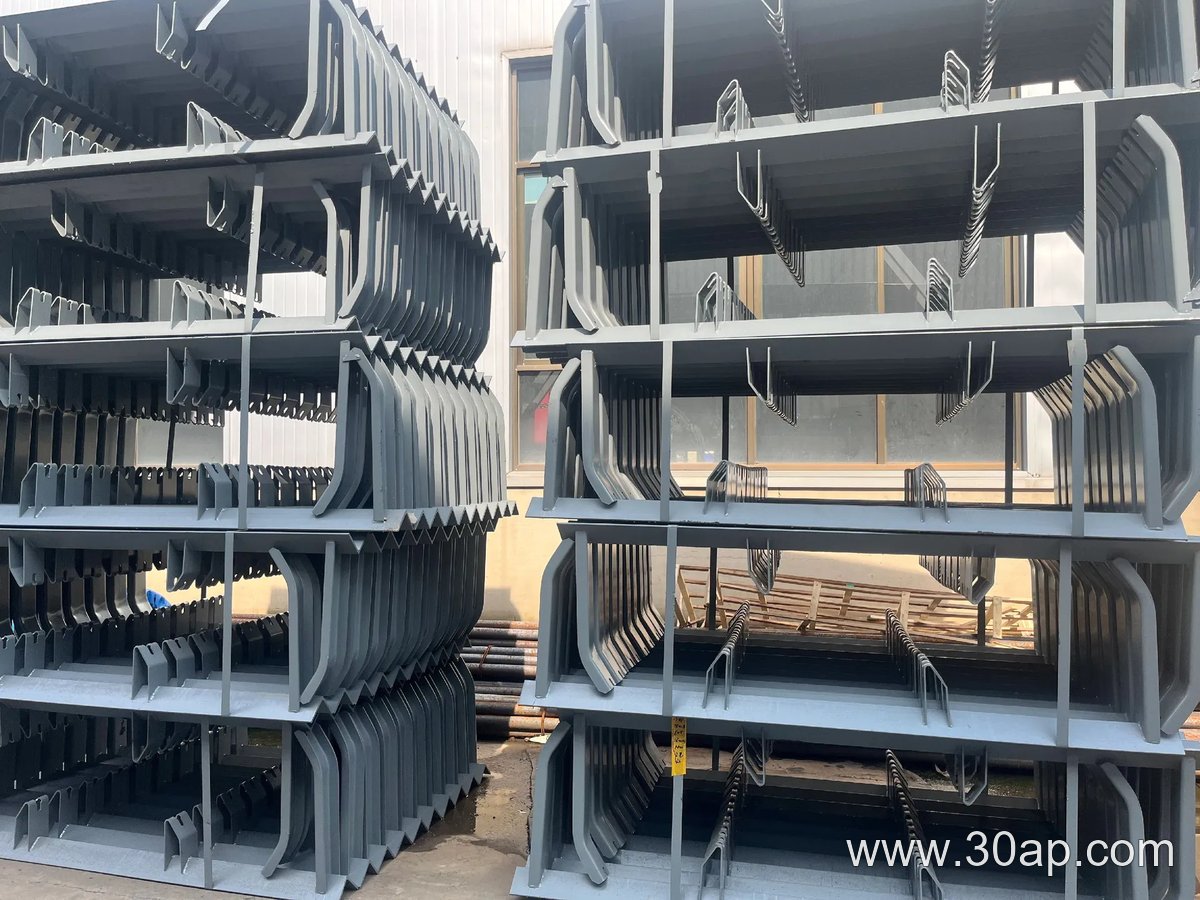
When selecting a conveyor idler frame, start with the belt width and the conveyor layout. The frame must fit the stringer spacing and the idler roller dimensions. Check the trough angle and whether a fixed or adjustable frame is needed. For return runs, decide between a flat return frame and a V-return frame, which can help with belt training. If the conveyor has a transition zone, a transition frame may be required to support the belt as it changes shape.
Also consider the roller diameter and shaft size. A frame designed for Ø89 rollers will not accept Ø159 rollers without modification. The mounting hole spacing and crossbeam length change with belt width and trough angle, so these should be confirmed against the actual conveyor drawing. Do not assume that one belt width always uses one pulley diameter or one frame size. The frame, the idler roller, and the conveyor pulley all work together, but they are separate components with separate selection criteria.
Finally, think about maintenance. A frame that allows quick roller replacement saves time during shutdowns. Adjustable frames can help when the belt needs re-training after a change in load or alignment. Whether the frame is made from angle steel, channel, or folded plate, the key is a secure fit and a straight, stable support for every idler roller.