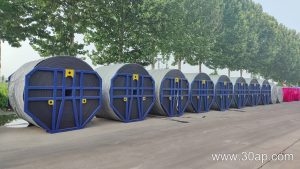
What an Oil Resistant Conveyor Belt Is
An oil resistant conveyor belt is a rubber conveyor belt engineered to withstand contact with mineral oils, vegetable oils, solvents, and oily process residues without excessive swelling, hardening, or cover cracking. In plants that handle oily scrap, machined parts, oily sand, or vegetable oil residues, a standard rubber belt can soften and delaminate within months. The oil resistant conveyor belt uses a cover compound and often a barrier layer that limit hydrocarbon penetration, protecting the fabric core or steel cord carcass underneath.
Buyers often search for this product as an oil resistant rubber conveyor belt, and the two names describe the same item. It is not a replacement for a heat resistant conveyor belt or a flame retardant conveyor belt; those are separate constructions for different risks. Where an application combines oil exposure with heat or fire risk, the specification should address both properties explicitly.
Construction and Compound Choices
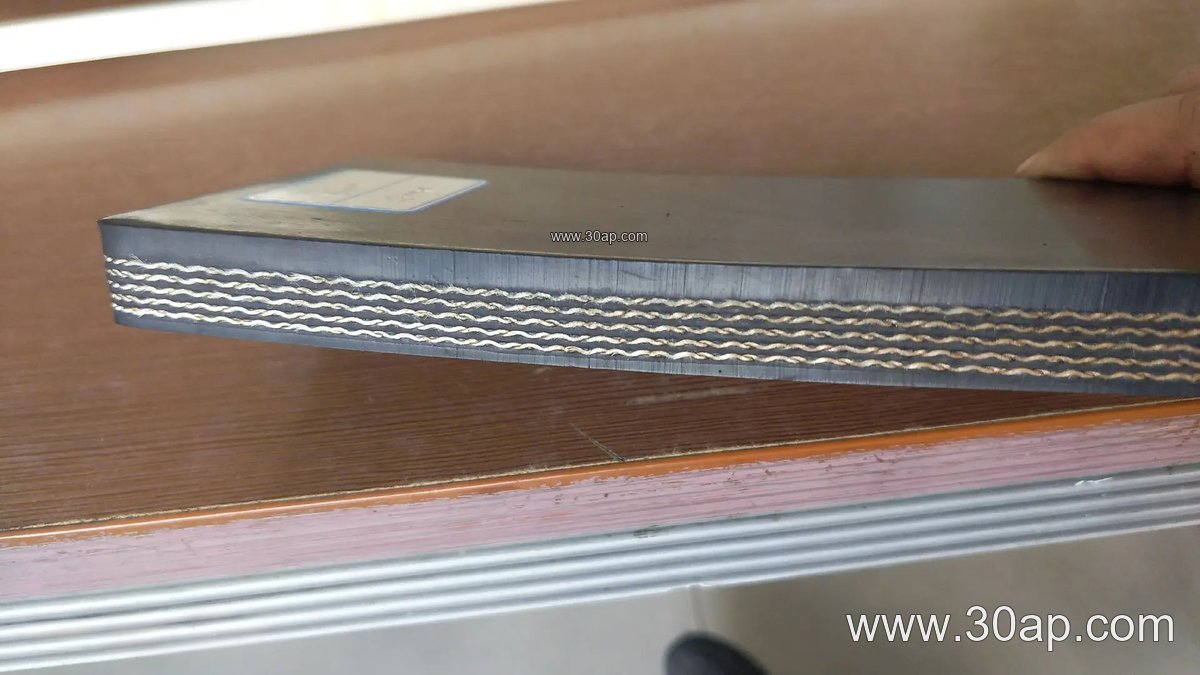
The belt usually combines an oil resistant top cover, a thinner oil resistant bottom cover, and a carcass. Carcass options follow the same families as general-purpose belting:
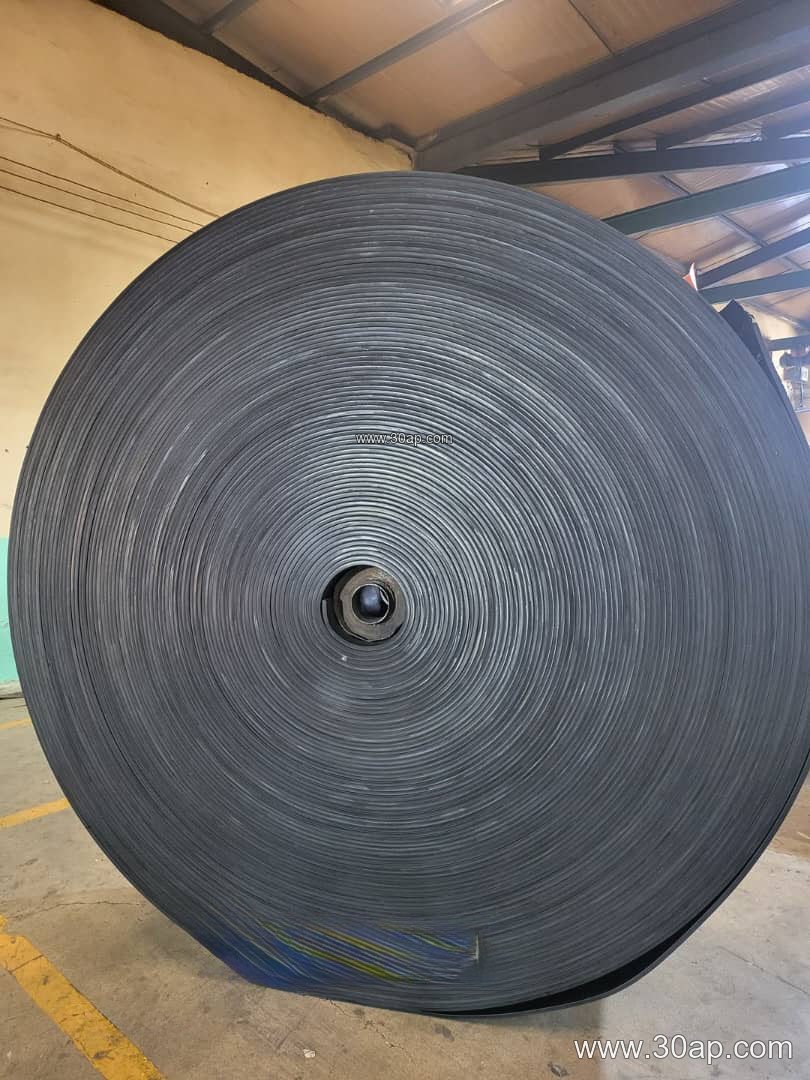
- Fabric core conveyor belt with EP or NN plies, common in general factory and recycling service
- Multi-ply fabric core conveyor belt for wider, heavier loads
- Steel cord conveyor belt for long runs and high tension in mining and port terminals
Nitrile-based cover compounds are common because they resist swelling in mineral and vegetable oils. Some designs add an oil barrier film between cover and carcass. Cover thickness is usually stated as top plus bottom, for example 4+2 mm, 5+2 mm, or 6+2 mm, with 3+1.5 mm used on lighter duties. Ply counts commonly run from 2 to 6 depending on load and belt width. These values are typical references, not fixed promises; final construction is confirmed by the manufacturer against the actual duty.
Where It Fits in the Plant
Oil resistance matters in many industries beyond the obvious oil-handling lines. Recycling conveyor belts often carry oily packaging and mixed waste. Cement plants may move oily kiln dust or lubricant-contaminated clinker. Steel plant conveyor belts handle oily scale and machined scrap. Power plant conveyor belts can see fuel residues, while sand and gravel operations may deal with oil-soaked aggregate after equipment leaks. Workshops, scrap yards, and food processing lines that handle vegetable oil also use this belt type.
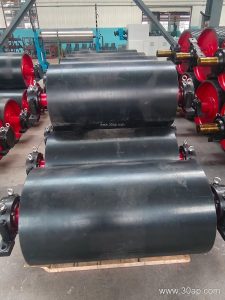
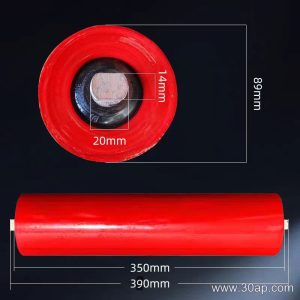
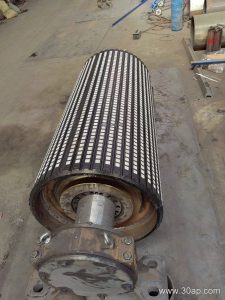
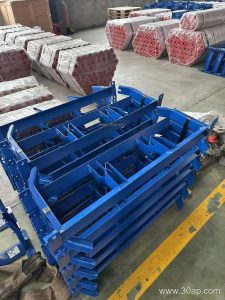
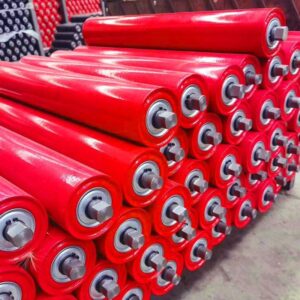
In these layouts the belt works with conveyor pulleys at the head and tail, idler rollers along the carrying side, and conveyor brackets that hold the frame together. Drive, tail, and bend pulleys each have their own function and are not interchangeable; the belt specification must suit the pulley diameters and tensions the designer has chosen. An oil resistant belt can be supplied as an endless conveyor belt for fixed-length circuits, or with mechanical fasteners where the belt must be replaced quickly.
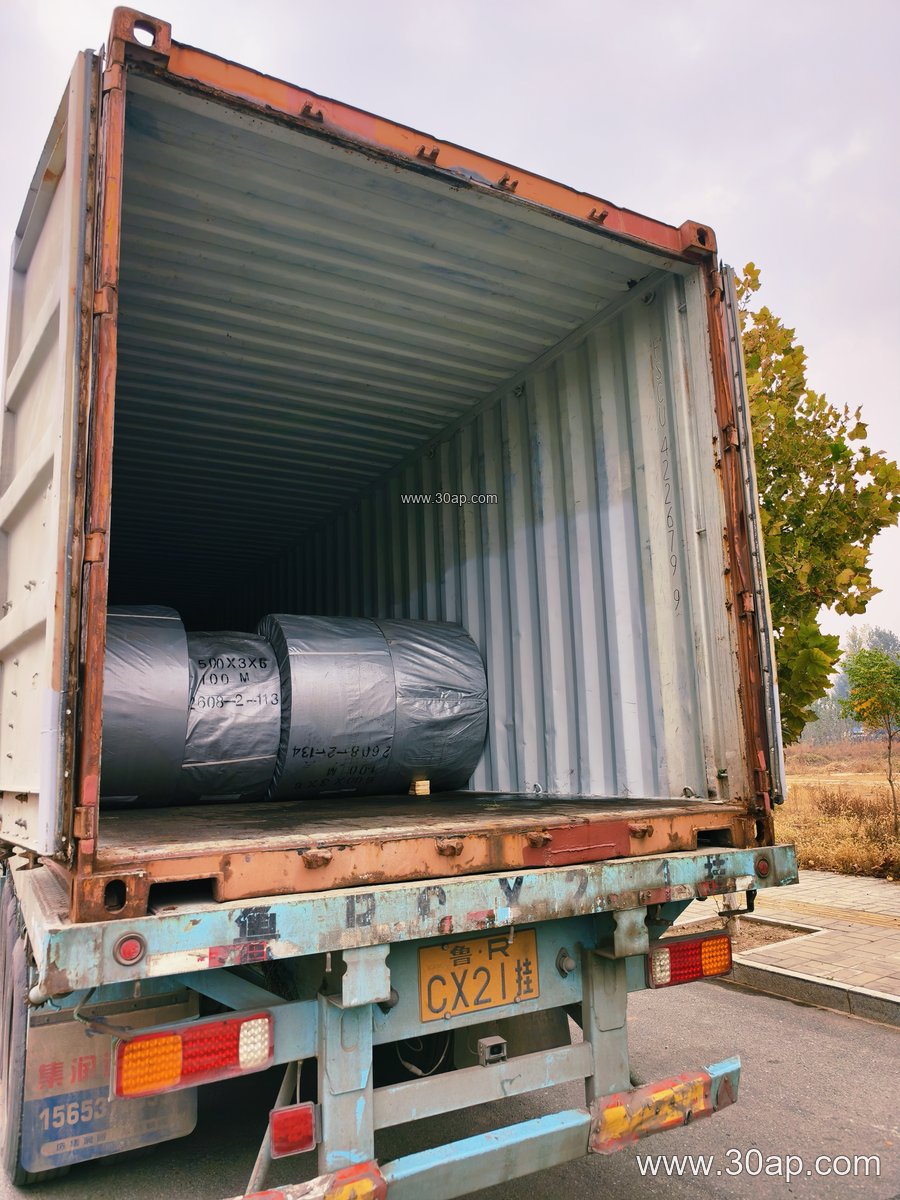
Typical Reference Data
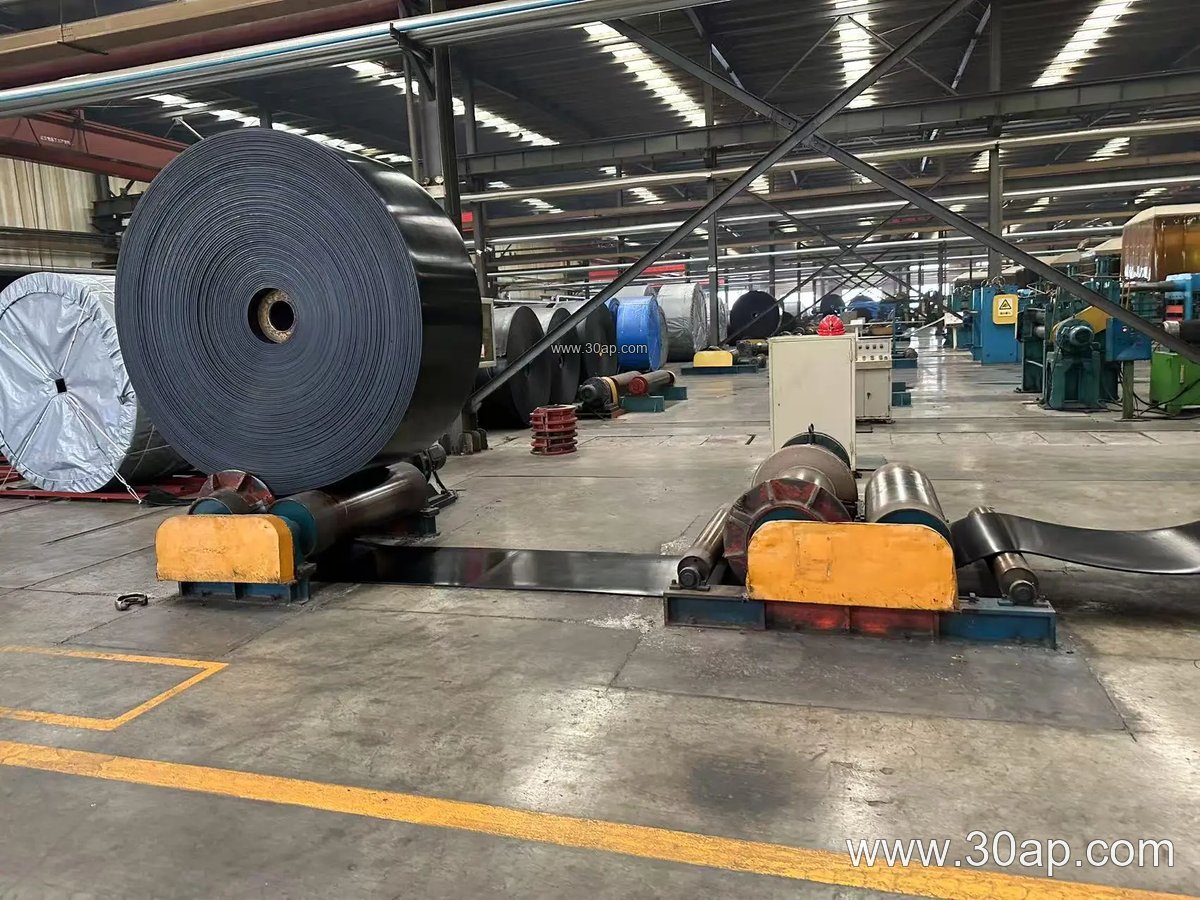
The table below shows common reference values. It is a starting point for discussion, not a catalogue of guaranteed combinations.
| Item | Common reference values |
|---|---|
| Belt type | EP conveyor belt, NN conveyor belt, steel cord conveyor belt |
| Strength grade | EP200, EP315, EP400, EP500, EP630, EP800, EP1000 |
| Belt width | B500, B650, B800, B1000, B1200, B1400, B1600 |
| Cover thickness | 3+1.5 mm, 4+2 mm, 5+2 mm, 6+2 mm, 8+3 mm |
| Carcass plies | 2 to 6 plies |
| Surface form | Flat, chevron conveyor belt, or corrugated sidewall conveyor belt where needed |
A chevron or corrugated sidewall version is chosen when the incline is steep or material must be contained, but the oil resistant cover remains the defining feature. Width and strength are selected from the conveyor design, not from a single fixed rule. A B800 belt may run on one pulley diameter in one plant and a different diameter in another; shaft sizing comes from the drive calculation, never from belt width alone.
Selection and Maintenance Notes
Start with the oil type and exposure time. Mineral oil, diesel, hydraulic fluid, and vegetable oil attack rubber differently, and splash contact is milder than continuous immersion. State the temperature range as well, since some oils are hot when they contact the belt. Then confirm the tension, troughing angle, and pulley diameters with the conveyor designer. An abrasion resistant conveyor belt may be preferred where oily material is also sharp and gritty; the two properties can be combined in one cover compound if the supplier confirms it.
- Check cover swelling and hardness during the first weeks of service.
- Keep idler rollers turning freely so oily material does not pack against the belt.
- Inspect splice integrity more often on lines with solvent exposure.
- Clean spillage promptly; standing oil pools shorten cover life.
- Record belt width, grade, and cover thickness so replacements match the original design.
For buyers comparing quotes, ask for the cover compound family, ply construction, cover thickness, and the intended oil contact condition. A clear specification on those points is more useful than a single headline strength number, and it helps ensure the oil resistant conveyor belt delivered actually matches the duty it will face.