What a Coal Mine Conveyor Pulley Does
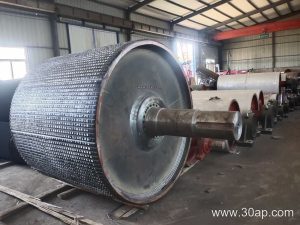
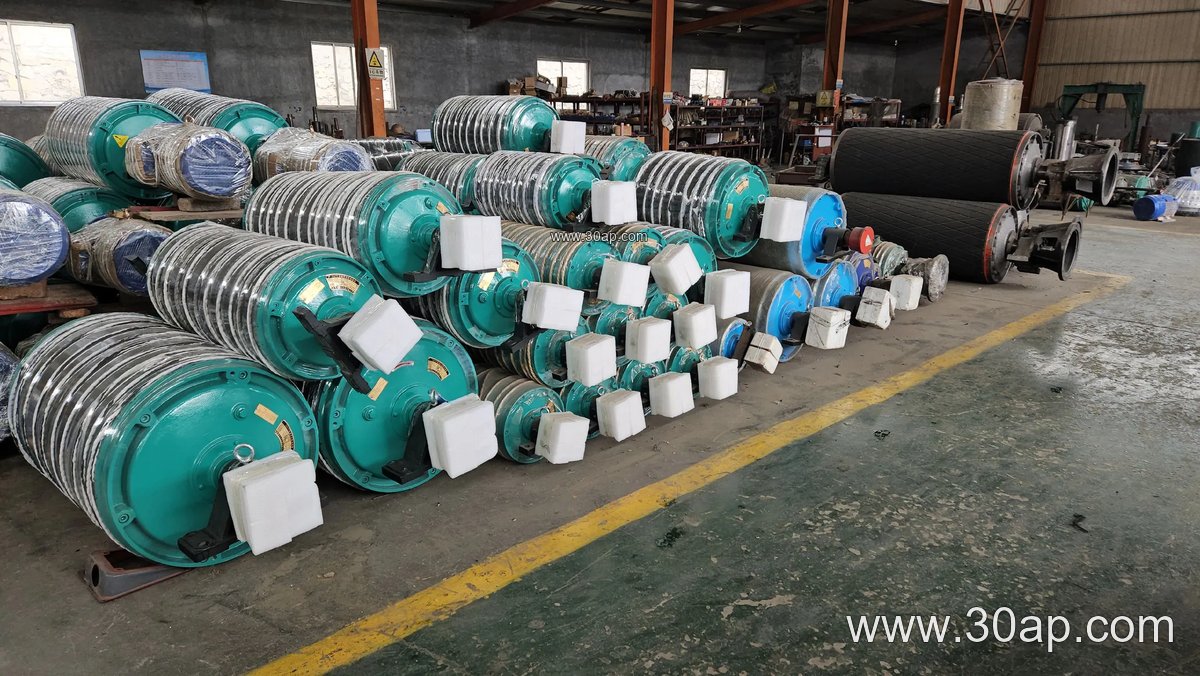
In a coal mining conveyor system, the coal mine conveyor pulley is the rotating component that drives, redirects, or tensions the conveyor belt. Unlike an idler roller that supports the belt along its carrying run, the pulley transmits power and controls belt tracking at key transition points. It is commonly built as a drive pulley at the head, a tail pulley at the loading end, or a bend pulley where the belt changes direction. Each position imposes different loads, so the same pulley design is rarely suitable for all three roles.
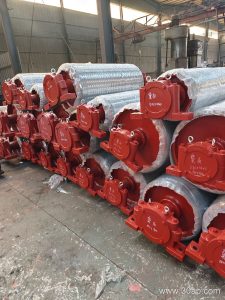
The pulley body typically consists of a cylindrical shell, end discs, a shaft, and a lagging surface. The shaft is sized by torque and radial load rather than belt width alone. Common shaft diameters include Ø50, Ø60, Ø80, Ø100, Ø120, and Ø160 mm, but final selection depends on the conveyor’s power and tension calculations. The shell face width usually exceeds the belt width to allow for mistracking; for example, a B800 belt often runs on a pulley with roughly 950 mm face width, while a B1200 system may use a 1400 mm face. These are reference relationships, not fixed pairings.
Construction Details and Surface Options
Most coal mine conveyor pulleys use a welded steel shell with machined end discs. Lagging protects the shell and improves friction between the pulley and the conveyor belt. Common surface forms include plain steel, hot-vulcanized rubber, cold-bonded rubber, diamond grooving, chevron grooving, and ceramic lagging. Lagging thickness is often 8, 10, 12, 15, or 20 mm, chosen according to the required coefficient of friction and the abrasiveness of the coal.
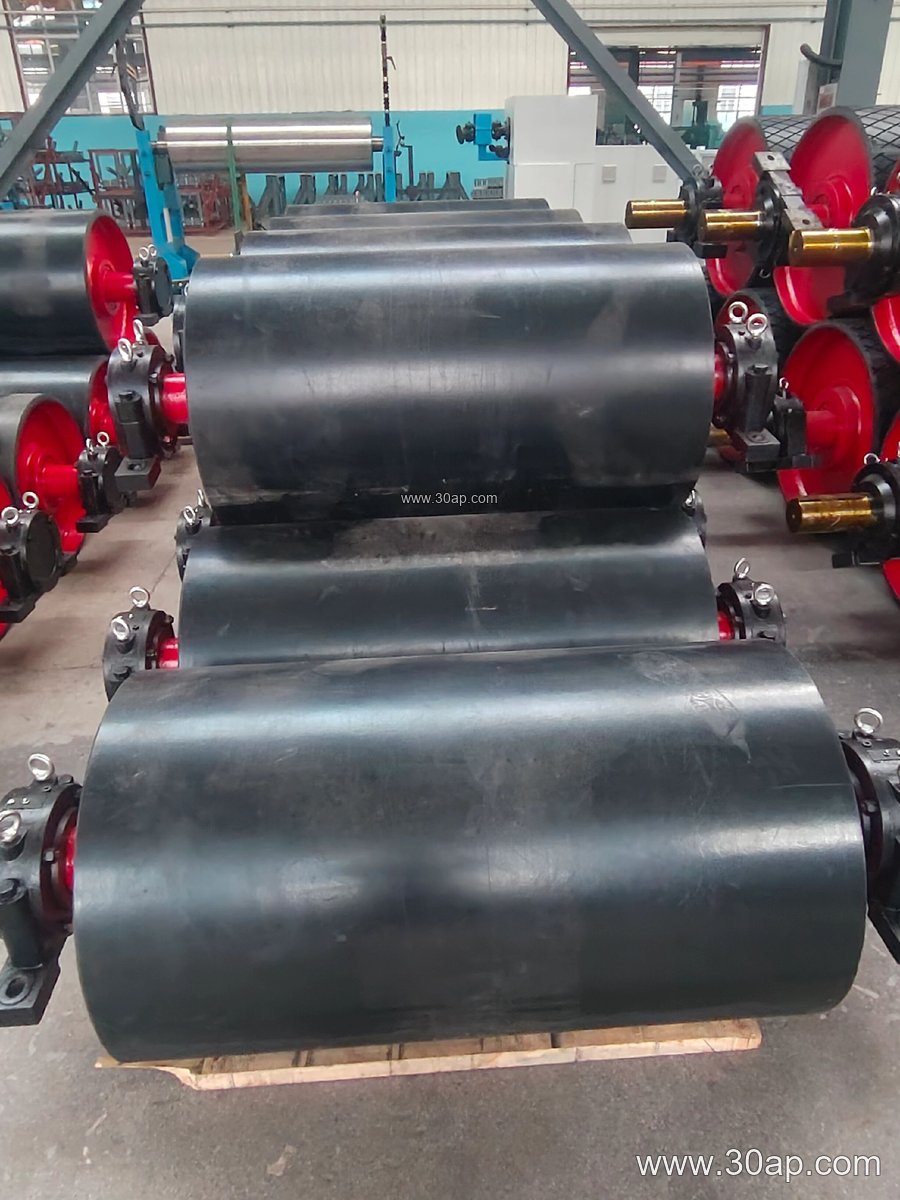
For underground coal mining conveyor belts that must meet flame retardant requirements, the lagging material should also be selected with fire resistance in mind. A flame retardant conveyor belt and a matching pulley lagging help reduce ignition risk in enclosed spaces. In contrast, a bend pulley used only for direction change may use a thinner plain or rubber surface because it carries less torque than the head drive pulley. This distinction matters: drive, tail, and bend pulleys are not interchangeable, and specifying one type for another position can lead to belt slip or premature wear.
Where Coal Mine Conveyor Pulleys Are Used
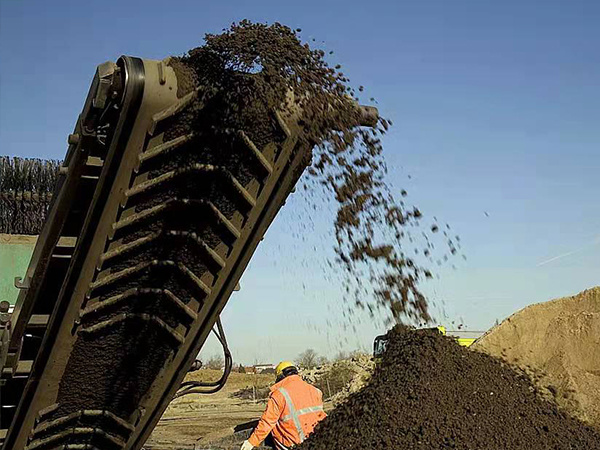
These pulleys appear in coal handling systems at power plants, coal preparation plants, and underground mining sections. In a typical coal mining conveyor line, the head pulley drives a flame retardant conveyor belt or a PVG conveyor belt, while the tail pulley keeps tension at the loading point. Bend pulleys guide the belt around take-up systems and transfer towers. In surface operations, a quarry conveyor belt or a heavy-duty mining conveyor belt may run alongside coal mine conveyor pulleys on the same site, but the pulley specification should follow the actual duty.
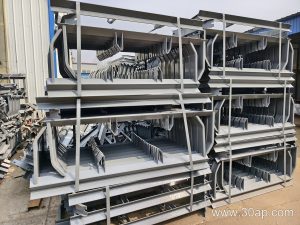
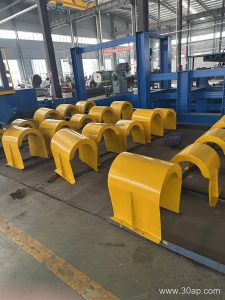
Related components such as the conveyor bracket and conveyor pulley frame must align with the pulley shaft and bearing housing. A mismatch in bracket height or bolt pattern can cause misalignment, which accelerates lagging wear and belt edge damage. Buyers should confirm the mounting dimensions, bearing type, and shaft end configuration before ordering.
Specification and Selection Notes
When selecting a coal mine conveyor pulley, consider belt width, pulley diameter, shaft diameter, lagging type, and bearing size as a group. The table below shows common reference ranges; actual values are determined by conveyor design.
| Parameter | Common Reference Range | Notes |
|---|---|---|
| Belt width (B) | B400 to B2400 | Pulley face width usually exceeds belt width |
| Pulley diameter | Ø200 to Ø1800 | Selected by belt tension and wrap angle |
| Shaft diameter | Ø50 to Ø200 | Based on torque and load, not belt width alone |
| Lagging thickness | 8, 10, 12, 15, 20 mm | Thicker for high-traction drive pulleys |
| Surface form | Plain, rubber, diamond, chevron, ceramic | Match to material and slip risk |
Do not assume that a B1200 belt must use a Ø1000 pulley or that a B800 belt requires a Ø500 pulley. Those combinations are examples, not rules. A coal mine conveyor pulley for a high-tension main drive may need a larger diameter and a thicker lagging than a tail pulley on the same belt. For abrasive coal with rock inclusions, an abrasion resistant conveyor belt and a ceramic-lagged pulley can work together, but the pulley surface should not be harder than necessary, as that may wear the belt cover.
Buyer Checklist
- Confirm the pulley position: drive, tail, bend, take-up, or snub.
- Provide belt width, belt type (for example, flame retardant conveyor belt or steel cord conveyor belt), and operating tension.
- State the required lagging form and thickness, not just “rubber lagging.”
- Check shaft diameter and bearing housing against the conveyor bracket drawing.
- Ask for dynamic balance and runout tolerances where high speed is involved.
- Plan a spare pulley or spare lagging for critical drives to reduce downtime.
Routine inspection of the coal mine conveyor pulley should include lagging wear, shaft seal condition, and belt tracking at the pulley. A worn lagging surface reduces friction and can cause belt slip, especially on a drive pulley handling wet coal. Re-lagging or replacing the pulley before the shell is damaged is usually more economical than repairing a scored shell. For more information on matching pulleys with conveyor belts and idler rollers, visit beltconveyorparts.com and review the selection data for your specific coal handling line.