What an Idler Bracket Does on a Conveyor
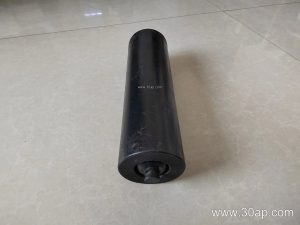
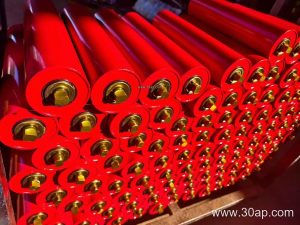
An idler bracket is the structural component that holds a conveyor idler roller in position and sets its angle relative to the belt. On a troughing run, the bracket carries the three-roll assembly that shapes the belt into a trough; on the return side, it supports the rolls that keep the belt from sagging. The bracket itself does not rotate, but its alignment and stiffness decide how evenly the belt sits, how much the idler roller wears, and whether material stays centered on the line.
Because the bracket ties the idler to the conveyor frame, it is often the first place where misalignment shows up as edge wear, spillage, or a wandering belt. In a quarry or a crushing circuit, a small amount of bracket deflection under load can change the trough profile enough to affect tracking on the whole strand.
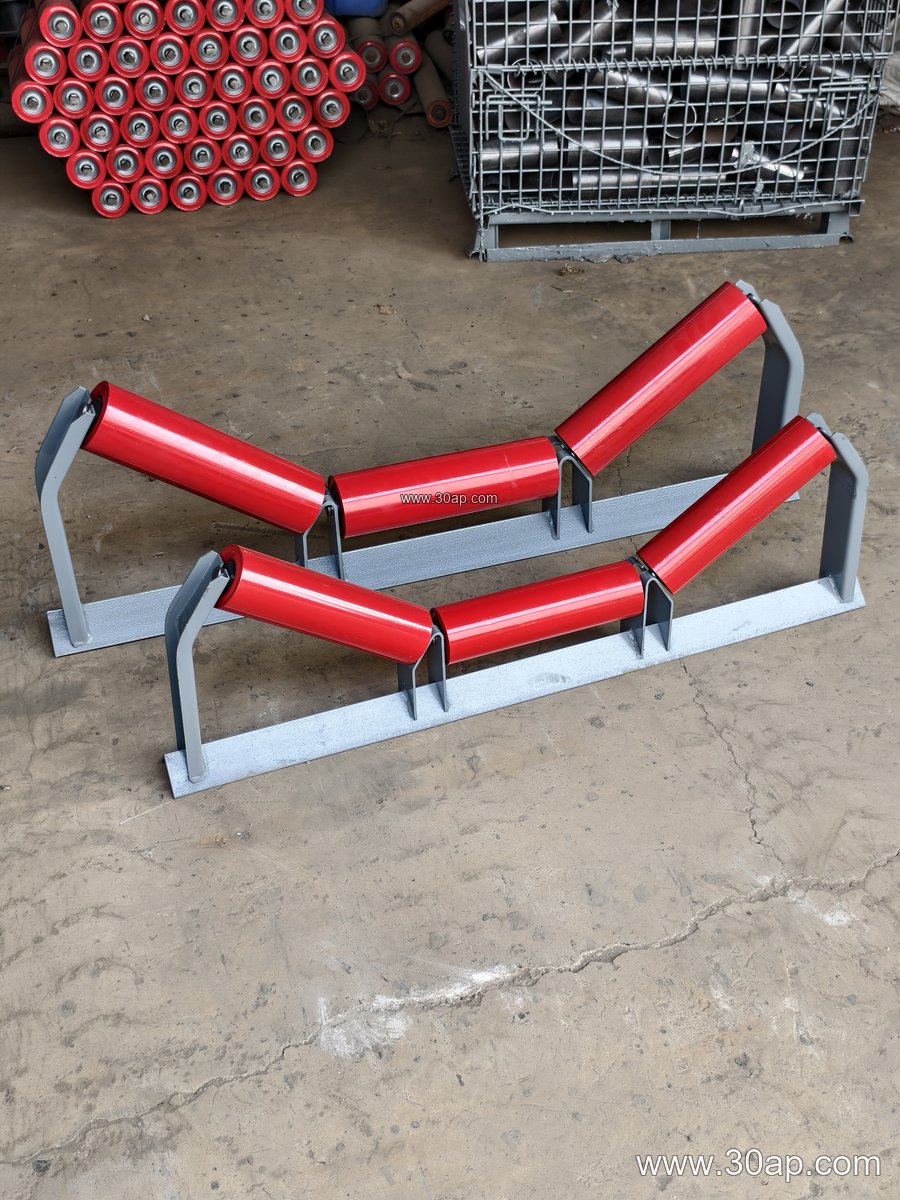
How the Bracket Is Built
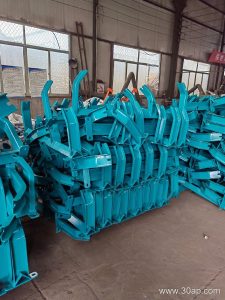
Most brackets are fabricated from angle steel, channel steel, or folded steel plate, then drilled or punched for the idler shaft and bolted to the frame. A troughing bracket usually has two inclined arms and a center position, welded or bolted together so the three rolls sit at the required trough angle. Return brackets are simpler, often a flat or V-shaped saddle that holds one or two rolls.
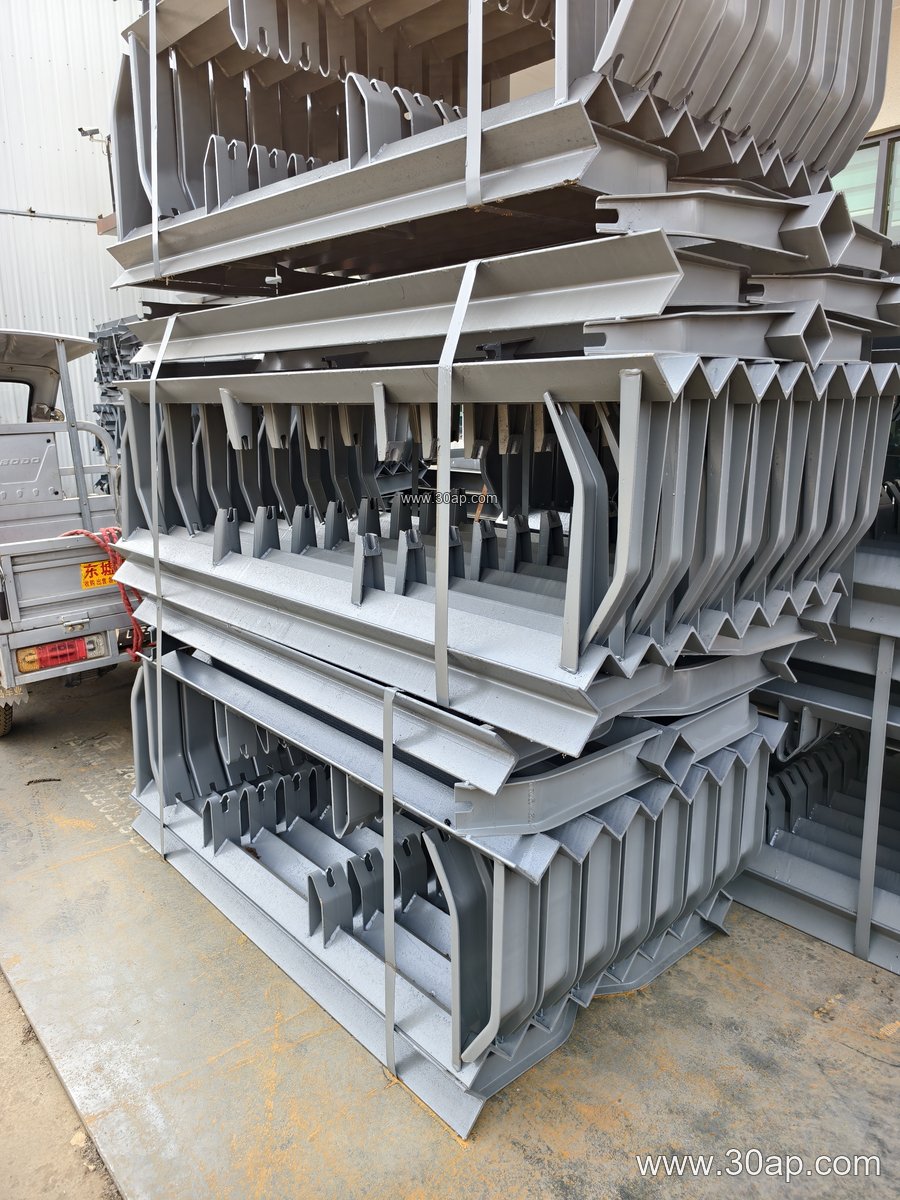
Common construction details include slotted mounting holes for lateral adjustment, gusseted corners for stiffness, and hot-dip galvanized or painted finishes for outdoor service. The materials and finish should suit the site: a wash plant, a cement plant, and a port terminal all expose brackets to different moisture, dust, and chemical conditions.
Bracket Types and Where They Fit
- Troughing brackets carry the upper belt and are the most common form on bulk material lines.
- Transition brackets sit near the head or tail pulley, where the belt changes from flat to troughed.
- Return brackets support the empty strand; V-return versions help center the belt.
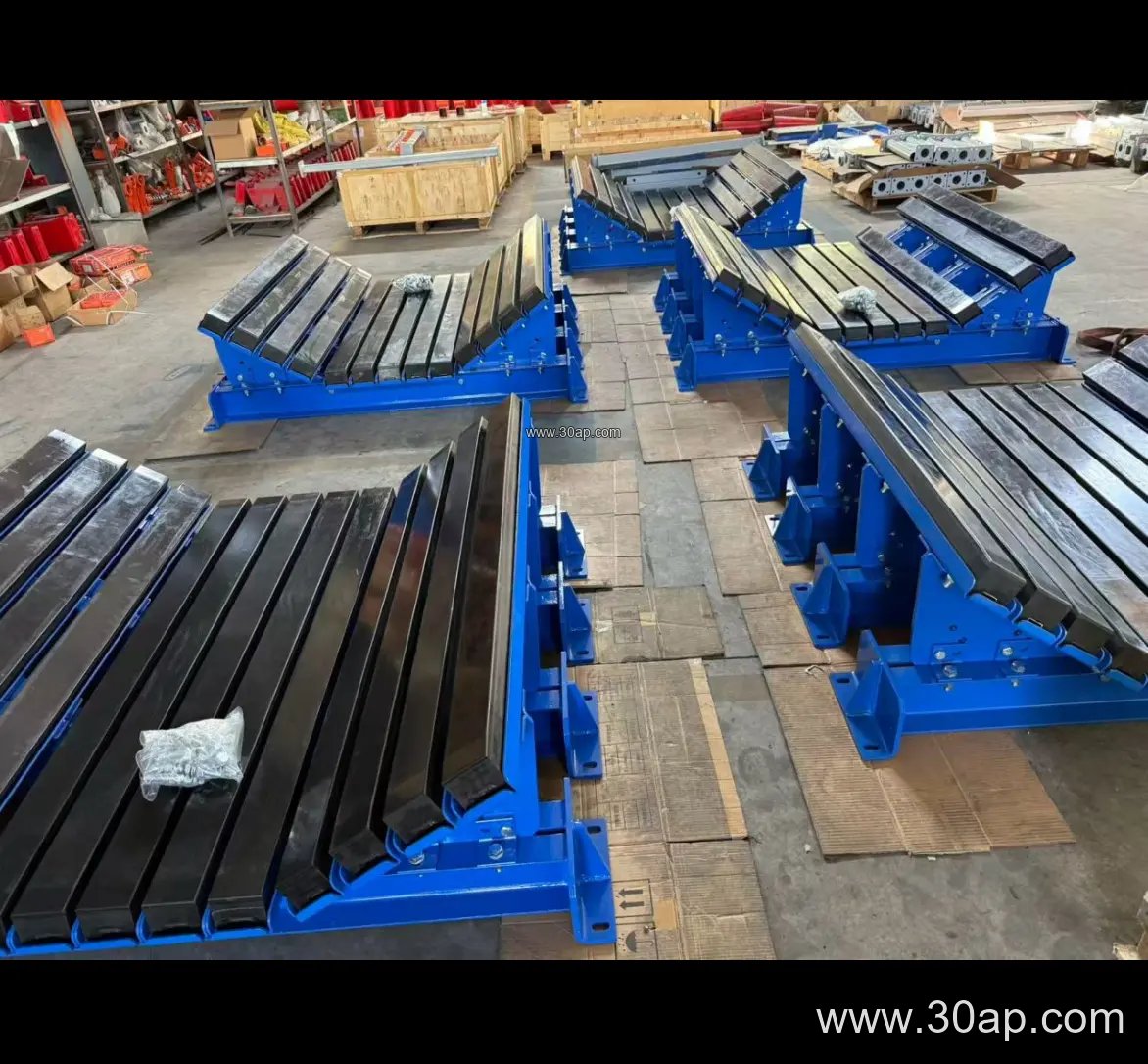
- Impact brackets are placed under loading points and are built heavier to absorb falling material.
- Self-aligning brackets allow the idler to pivot slightly so the belt corrects its own tracking.
Adjustable brackets let maintenance crews change the trough angle between roughly 20 and 45 degrees without replacing the frame, which is useful when a line handles more than one material. Forward-tilted brackets, typically set around 1.5 to 2 degrees, are used to encourage belt tracking in one direction. A fixed bracket is simpler and cheaper, but it locks the geometry in place.
Matching Bracket to Belt and Roll
Bracket selection starts with belt width and idler diameter, not with a single fixed rule. A B800 belt with a 35-degree trough and Ø108 rolls is a common combination, while a B1200 line running 45 degrees may use Ø133 rolls. Wider belts such as B1600 or B1800 need longer crossbeams and heavier brackets, and the mounting hole spacing changes with both width and trough angle. The table below shows typical reference pairings; actual values are set by design.
| Belt width | Typical trough angle | Common roll diameter |
|---|---|---|
| B500 / B650 | 20–30 degrees | Ø89 |
| B800 / B1000 | 30–35 degrees | Ø108 |
| B1200 / B1400 | 35–45 degrees | Ø133 |
| B1600 / B1800 | 35–45 degrees | Ø159 |
| B2000 and above | 35–45 degrees | Ø194 |
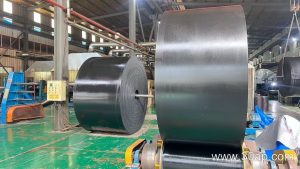
Belt construction matters too. A heavy Steel Cord Conveyor Belt on an iron ore line tracks differently from a lighter EP Conveyor Belt in a sand plant, and the bracket stiffness should follow the load. Where a Chevron Conveyor Belt or a Corrugated Sidewall Conveyor Belt runs, check that the bracket and roll clear the raised profile.
Buyer Checklist
- Confirm belt width, trough angle, and idler diameter together, not in isolation.
- Ask for the mounting hole pattern and crossbeam length for the actual frame.
- Match the finish to the site: wash-down areas, coastal ports, and dusty cement lines differ.
- For loading zones, specify impact-rated brackets and check the drop height.
- Keep spare brackets for the most heavily loaded positions, since these wear or bend first.
Inspect brackets during routine idler changes. A bent arm or elongated hole is easier to replace than a damaged conveyor pulley or a torn belt, and correcting it early keeps the whole conveyor bracket set working as intended. For plants handling abrasive rock or coal, pairing sound brackets with an Abrasion Resistant Conveyor Belt and correctly spaced idler rollers reduces the chance of edge damage and extends service life.