What a Drive Lagged Pulley Does
A drive lagged pulley is the powered drum at the head of a conveyor that grips the belt and pulls the entire load. The word “lagged” refers to the rubber or ceramic layer bonded to the drum shell. Without that layer, a bare steel face would slip once the belt carried enough tonnage. The lagging raises friction between drum and belt, so the drive can transmit torque without excessive tension. In most plants the drive pulley is the largest and heaviest drum on the machine, and it is usually the one that determines how much belt tension the system needs.
Buyers sometimes confuse this component with a tail or bend pulley. Those are non-driven drums that only support and redirect the belt. A tail pulley sits at the loading end and a bend pulley changes belt direction; neither transmits drive torque. Only the head drive drum is expected to pull, which is why its lagging and shaft design receive the most attention in a specification.
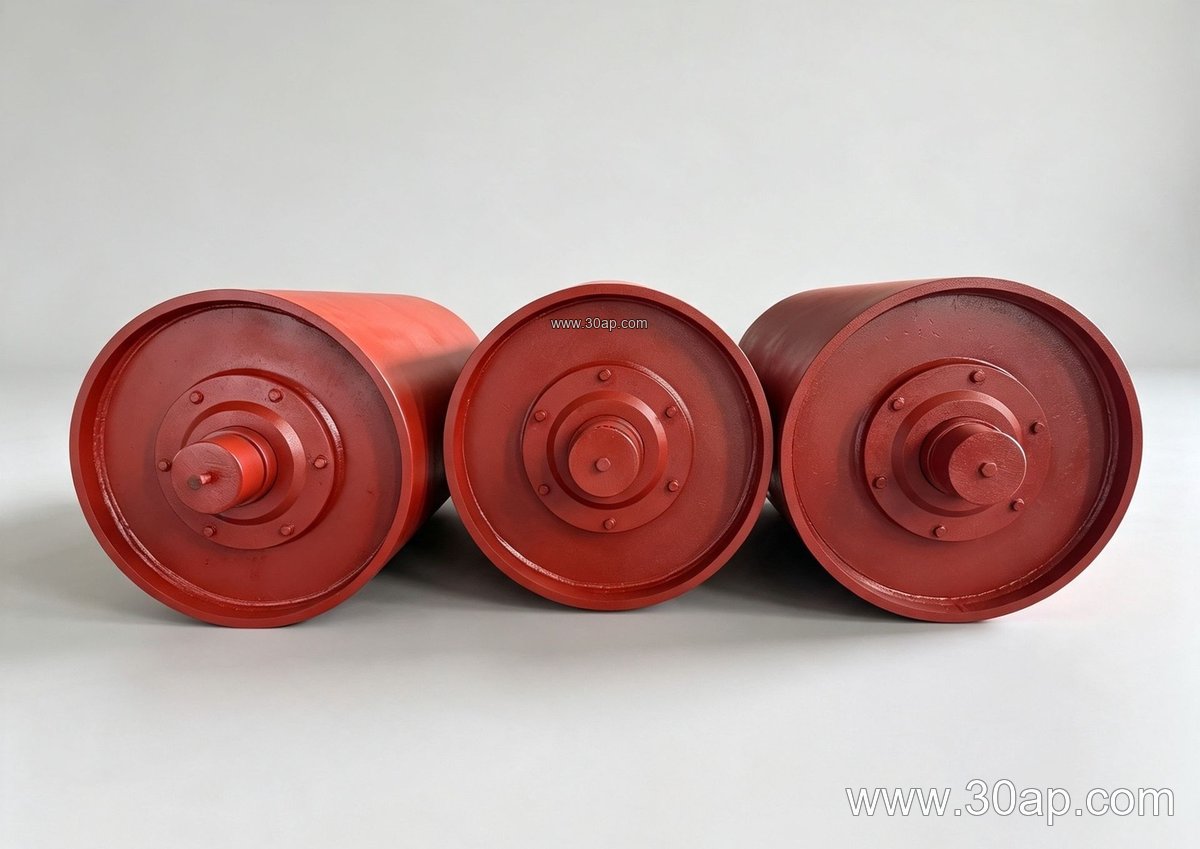
Construction and Surface Options
The core is a welded steel shell with dished or flat end plates, machined hubs, and a shaft sized for the torque and radial load. Common shell diameters for this duty run from Ø400 up to Ø1250 and beyond, while face width normally exceeds belt width so the belt is fully supported. Typical combinations include B800 × Ø500, B1200 × Ø1000, and B1400 × Ø800, but these are design examples rather than fixed pairings. Shaft diameter is calculated from torque and bearing load, commonly falling in the Ø80 to Ø200 range.
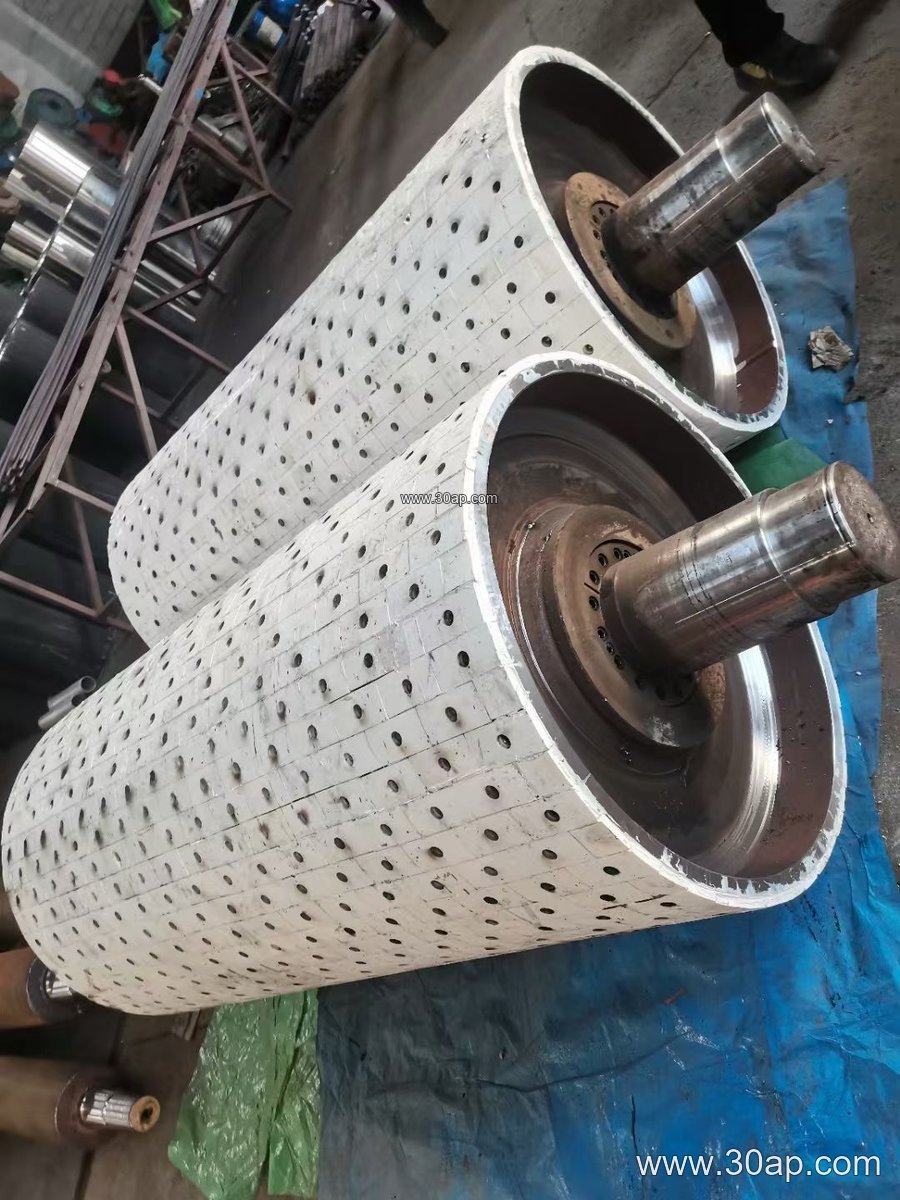
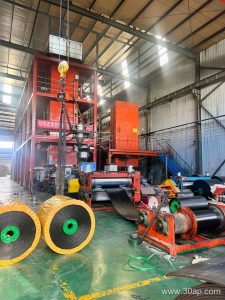
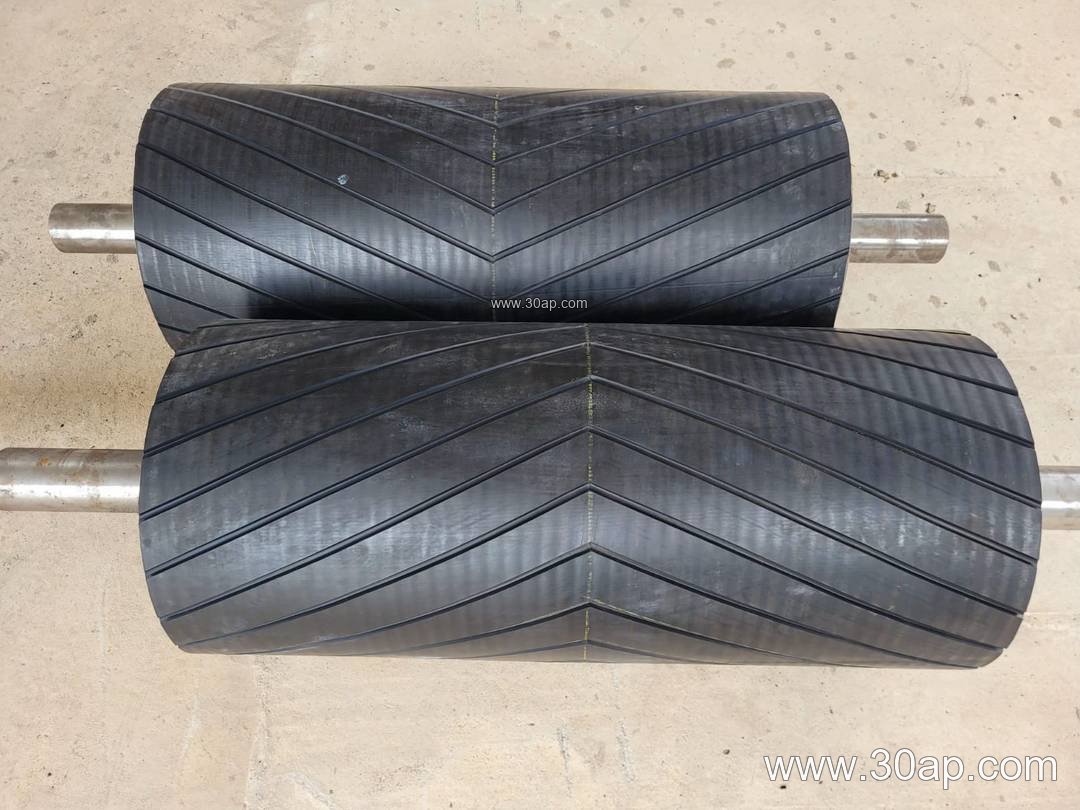
Lagging comes in several forms. Plain rubber is the general-purpose choice; diamond grooved rubber sheds water and fines; chevron lagging suits wet or sticky material; ceramic tiles handle highly abrasive ore and sinter; hot vulcanized rubber gives the strongest bond for heavy-duty service. Thickness is often 8, 10, 12, 15, or 20 mm depending on belt tension and expected wear. A mining conveyor belt carrying iron ore or copper ore will usually call for thicker, harder lagging than a light aggregate line.
Where It Fits in the Plant
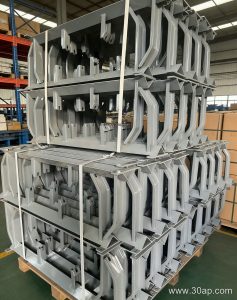
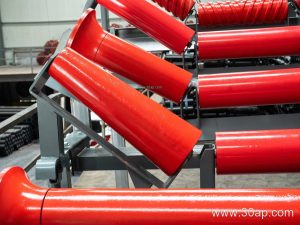
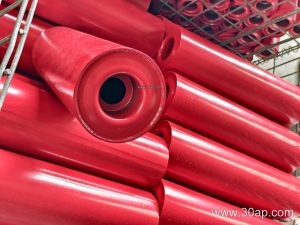
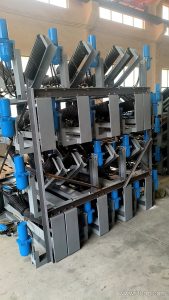
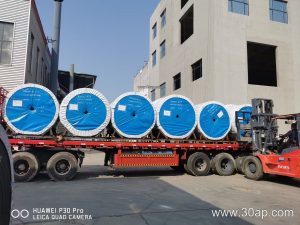
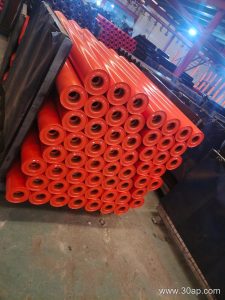
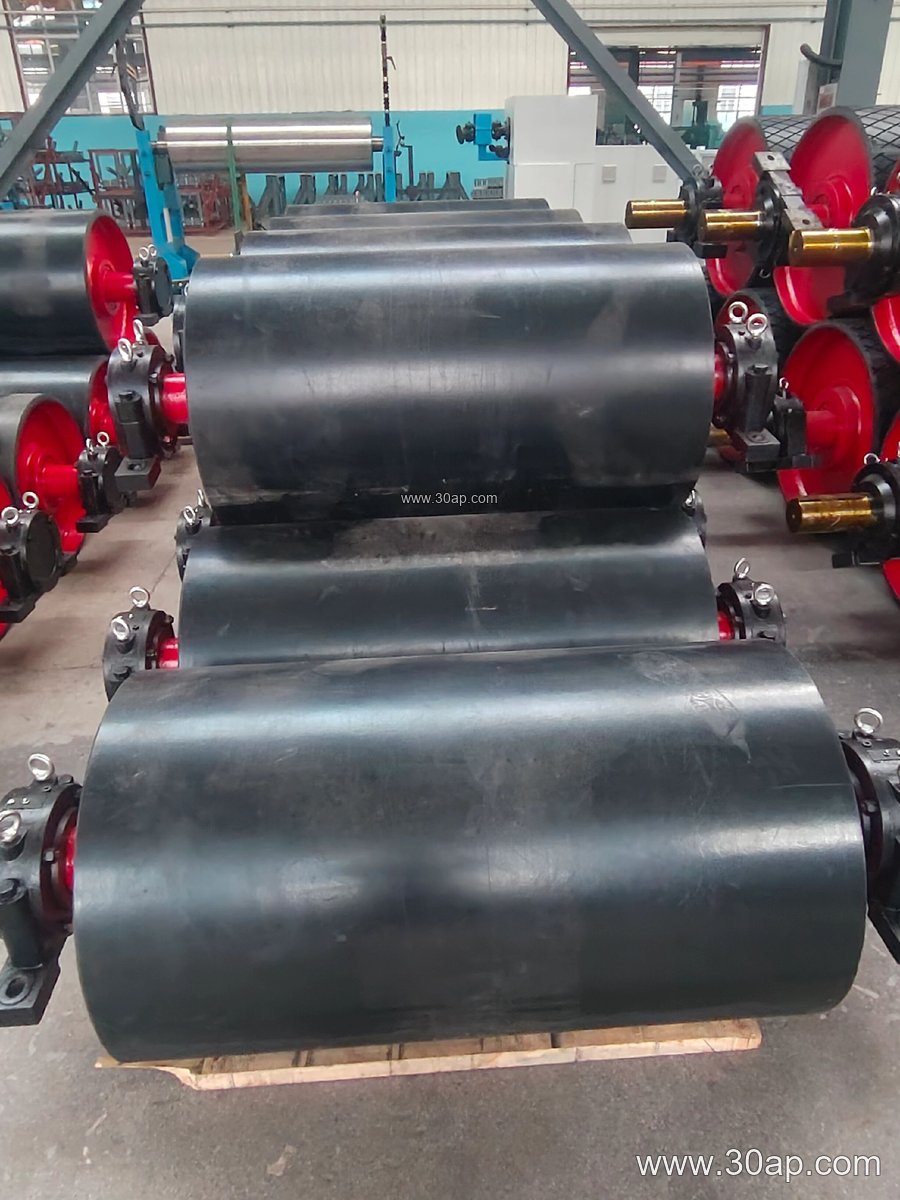
Drive lagged pulleys appear across bulk handling: a quarry conveyor belt discharging crushed stone, a coal mining conveyor belt feeding a wash plant, a cement plant moving clinker, or a power plant unloading fuel. In a port bulk terminal, a single large drive drum may move a 1800mm wide conveyor belt at high tonnage, while a tunnel muck line uses a more compact unit. The drum works alongside conveyor idler rollers, a conveyor bracket frame, and the belt itself; all four must match in width and load rating.
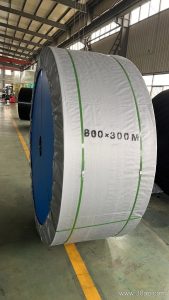
Belt choice interacts directly with drum performance. A steel cord conveyor belt needs a larger diameter to limit bending stress, while an EP conveyor belt or NN conveyor belt tolerates smaller drums. Abrasion resistant conveyor belt, heat resistant conveyor belt, and flame retardant conveyor belt each impose their own limits on lagging hardness and surface temperature. In underground coal mining, flame retardant conveyor belt and anti-static conveyor belt are normal requirements, and the drum lagging should be selected to match.
Specification Points a Buyer Should Check
Before ordering, confirm the belt width, the required torque, the belt speed, and the ambient conditions. Then verify the drum drawing: shell diameter, face width, shaft diameter, bearing type, and lagging pattern. The table below shows reference values that help frame a request.
| Item | Common reference values |
|---|---|
| Belt width | B650, B800, B1000, B1200, B1400, B1600, B1800 |
| Drum diameter | Ø400, Ø500, Ø630, Ø800, Ø1000, Ø1250 |
| Lagging thickness | 8, 10, 12, 15, 20 mm |
| Surface pattern | Plain, diamond, chevron, ceramic |
| Shaft diameter | Ø80 to Ø200, by torque calculation |
Also ask about the belt tracking arrangement. A crowned face or a slight taper at the edges helps centering, but the amount must suit the belt type. A heavy-duty mining conveyor belt with high tension may prefer a flat face and separate training idlers. The conveyor bracket and take-up position should be checked so the drive drum aligns with the gearbox output shaft without shimming.
Maintenance and Long-Term Reliability
Lagging wear is the main service item. Check the rubber surface for glazing, cuts, and embedded stone; a polished face loses grip and forces higher belt tension. Replace ceramic tiles that have fallen out before bare steel contacts the belt. Keep the drum clean, confirm bearing lubrication, and inspect the shaft key and coupling for fretting. For a high abrasion resistant conveyor belt line, plan lagging inspection at the same interval as idler roller replacement. A well-matched drive lagged pulley, correctly sized to the belt and load, keeps slip low and extends the working life of the whole conveyor.