What a High-Capacity Idler Is
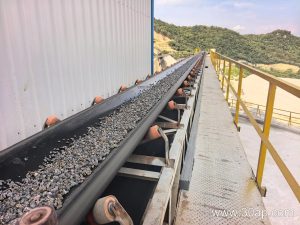
A high-capacity idler is a heavy-duty carrying or return roller built to support a loaded conveyor belt where tonnage, belt speed and continuous operating hours are high. In a coal preparation plant, a cement clinker line or an iron ore stockyard, the conveyor belt is rarely the only wear item under strain; the idler roller beneath it carries the weight of the belt and the material, and it must keep turning smoothly through dust, fines and moisture. The high-capacity version of this component is distinguished less by a single feature than by a reinforced combination of shell, shaft, bearing and sealing arrangement chosen for that duty.
Buyers often meet the same product under the equivalent name heavy-duty idler roller. Both terms describe the same item, and neither should be confused with the drive pulley, tail pulley or bend pulley at the ends of the conveyor, which transmit or redirect belt tension rather than support the belt along its run.
How the Roller Is Built
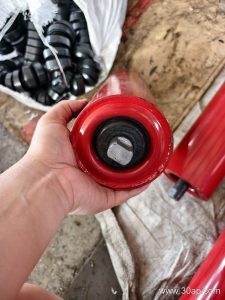
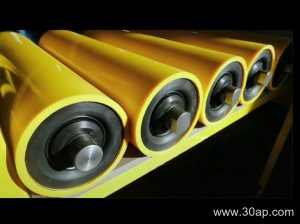
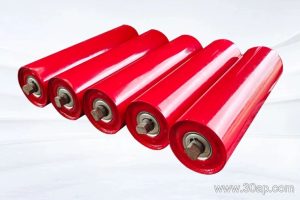
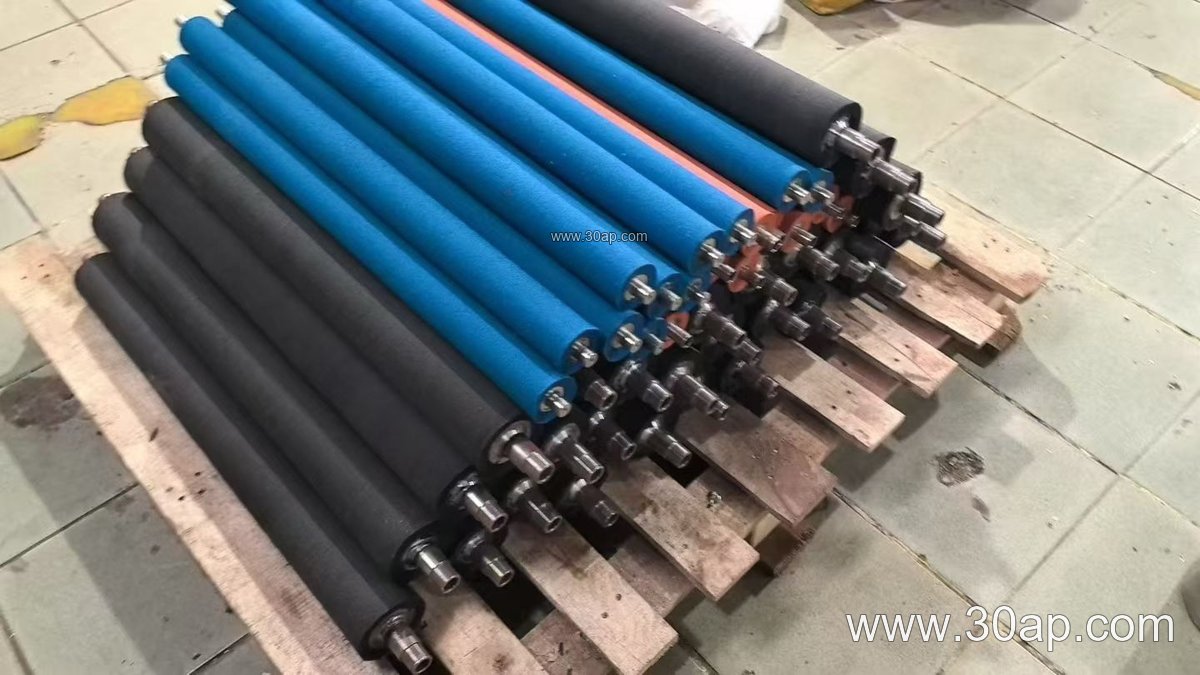
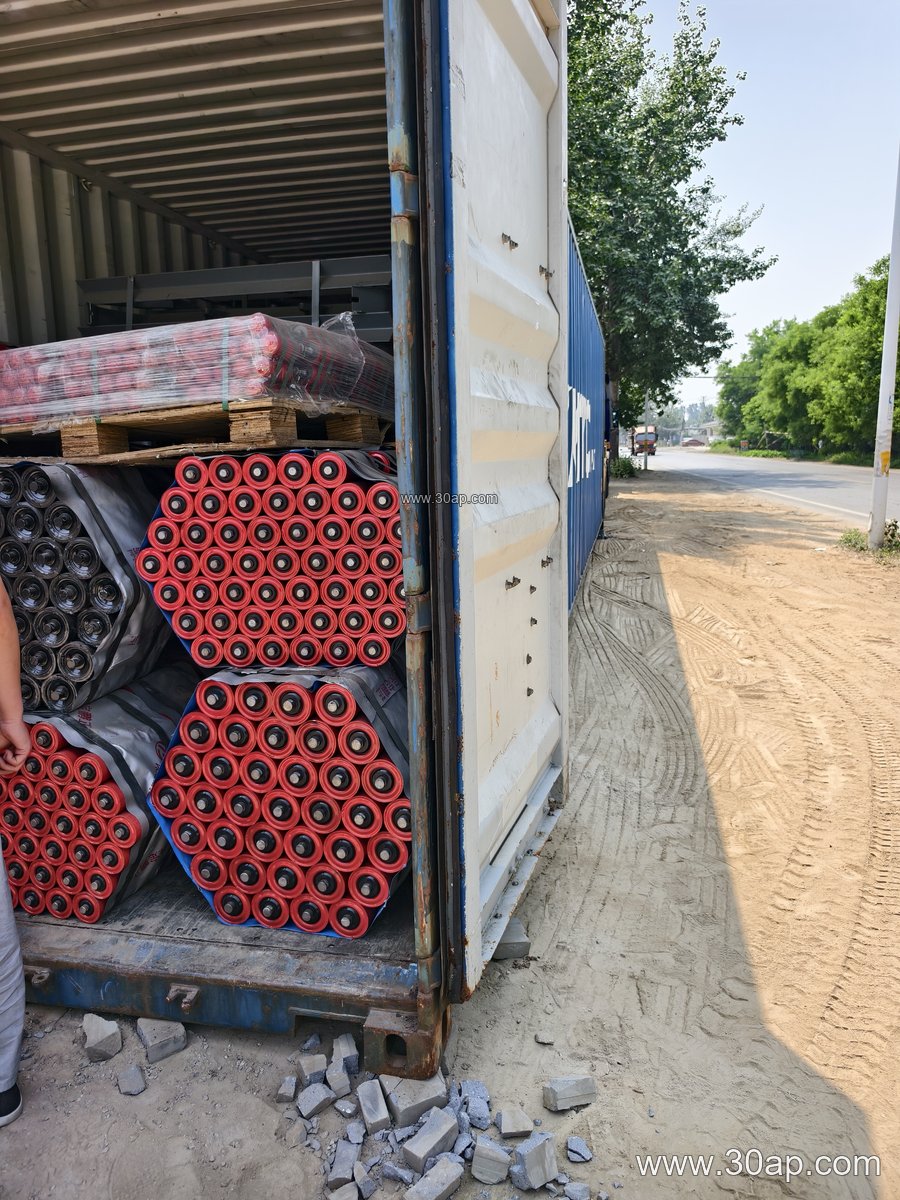
The working parts are straightforward, but each one matters under load. A steel tube shell forms the roller face; shaft ends are machined to fit the conveyor bracket; bearing housings are pressed into the tube ends and sealed against contamination. Heavier duty generally means a thicker shell, a larger shaft, and a bearing selected for the radial load rather than simply for the shaft diameter. Common bearing sizes in this class include 6205, 6305, 6306, 6308 and 6310, though the correct choice follows the load calculation, not a rule of thumb.
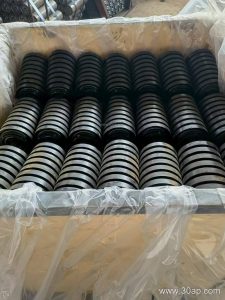
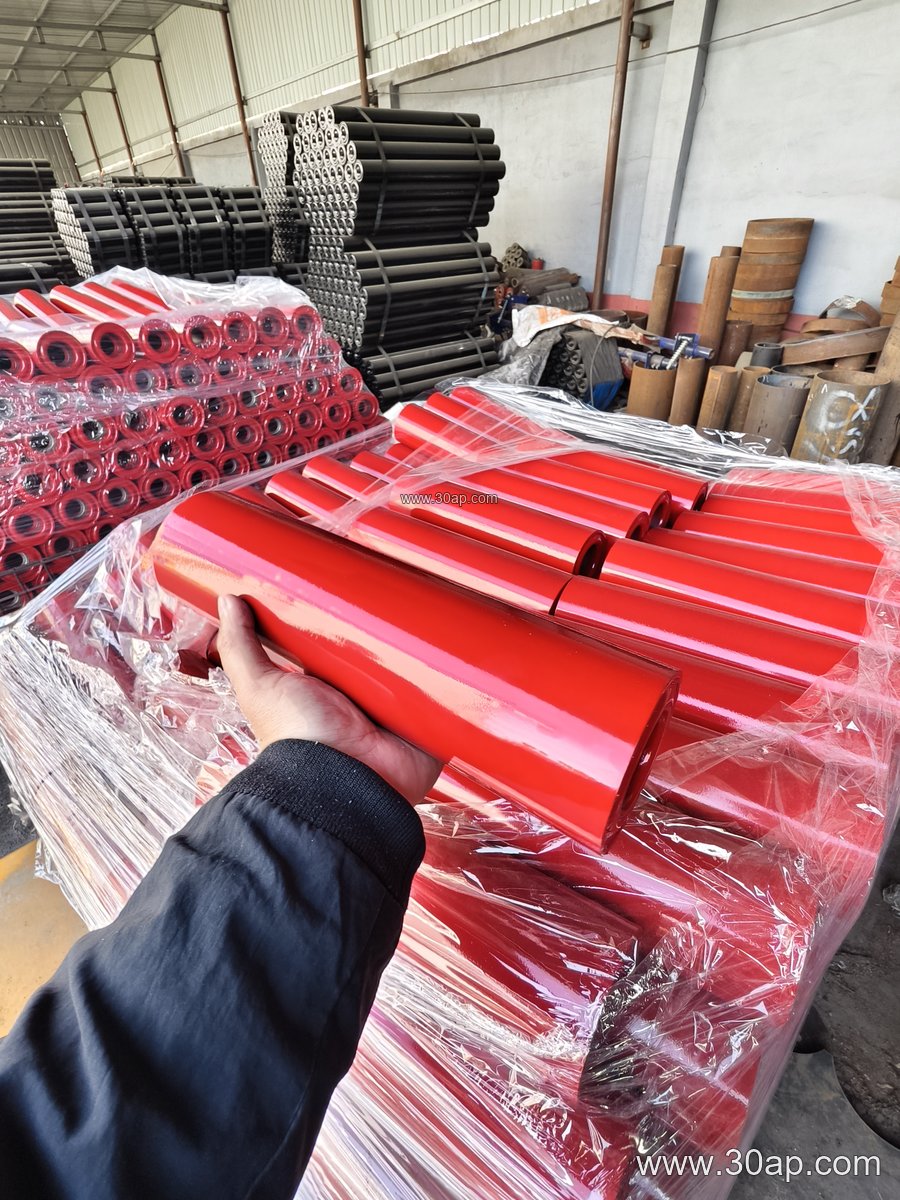
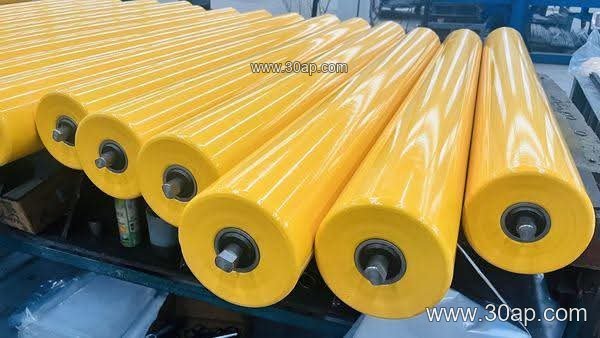
Surface form also varies with the application. Plain steel is the usual choice for carrying runs. Rubber rings are used where impact from coarse rock needs softening. Nylon or ceramic covers appear where sticky or abrasive material builds up on a plain shell. Sealing quality is the quiet differentiator: a labyrinth seal with good grease retention will outlast a simple contact seal in a dusty crushing and screening circuit.
Where High-Capacity Idlers Are Used
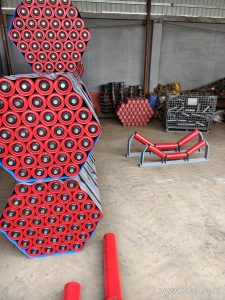
The most common duty is the carrying side of a long belt in a limestone quarry, a copper concentrator or a power plant coal handling system. Here the idlers are usually arranged as a three-roll troughing set, with the side rolls inclined to keep the belt loaded. The trough angle is commonly 20, 30, 35 or 45 degrees, and the choice affects how the material sits in the belt. A 35 degree set is a frequent compromise between capacity and belt stress; a 45 degree set suits wide belts carrying free-flowing bulk material.
Return runs use a different arrangement. A flat return idler or a V-shaped return idler supports the empty belt, and a spiral return roller can help shed fines before they wrap the shell. Impact zones below a crusher discharge are better served by impact idlers with rubber rings, which absorb shock that would shorten the life of a standard carrying roller. Self-aligning idlers, including friction and tapered types, are used on long runs where belt tracking tends to drift.
Common Reference Dimensions
The figures below are typical reference values, not fixed supply commitments. Roller length changes with belt width, trough angle and roll configuration, and the side rolls of a troughing set may differ from the centre roll.
| Reference Item | Typical Range |
|---|---|
| Roller diameter | Ø89, Ø102, Ø108, Ø127, Ø133, Ø159, Ø178, Ø194, Ø219 |
| Belt width | B500, B650, B800, B1000, B1200, B1400, B1600, B1800, B2000 |
| Trough angle | 20°, 30°, 35°, 45° |
| Example roller length, three-roll troughing set | B650 about 250 mm; B800 about 315 mm; B1000 about 380 mm; B1200 about 465 mm; B1400 about 530 mm; B1600 about 600 mm; B1800 about 670 mm |
| Common bearing sizes | 6204, 6205, 6305, 6306, 6308, 6310 |
A larger roller diameter reduces rotational speed for a given belt speed, which can help bearing life, but it also raises the belt line and changes the frame height. There is no single belt-width-to-diameter pairing that applies everywhere; the conveyor designer sets that relationship from load and speed.
What a Buyer Should Check
- Load and speed data. Provide the belt width, material bulk density, capacity and belt speed so the roller load can be calculated.
- Sealing and lubrication. Ask how the bearing housing is sealed and whether the roller is greased for life or relubricable.
- Shell and shaft specification. Confirm wall thickness and shaft material, since these drive the load rating more than appearance.
- Fit with the frame. Verify shaft end shape and the matching conveyor bracket before ordering, especially when replacing an existing set.
- Application match. Use impact rollers at transfer points and self-aligning rollers on tracking-prone runs rather than forcing one type across the whole conveyor.
In short, a high-capacity idler is a specification decision as much as a product choice. Matching shell, shaft, bearing and seal to the actual duty in a mine, cement plant or aggregate line will do more for conveyor reliability than simply buying the heaviest roller on the list.