What a Parallel Idler Does on a Conveyor
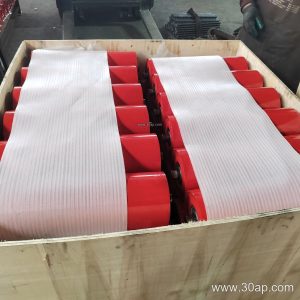
A parallel idler is a straight, non-troughed roller that supports the return strand of a conveyor belt. Because it sits flat under the belt rather than forming a trough, the belt runs on a single horizontal line of support. This flat return roller is the standard choice for the empty side of most bulk handling conveyors, and it is often paired with three-roll troughing sets on the carrying side. In a quarry, a coal preparation plant, or a cement plant, the parallel idler keeps the belt from sagging between pulleys and helps maintain steady tracking.
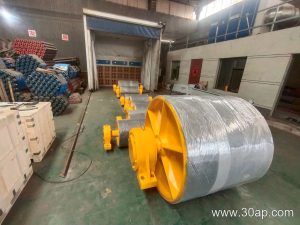
Note that a parallel idler is not a drive pulley, tail pulley, or bend pulley. Those are belt-wrapping components that transmit power or change belt direction. The parallel idler is a free-turning support roller, and the two roles should never be confused when specifying a conveyor.
How a Parallel Idler Is Built
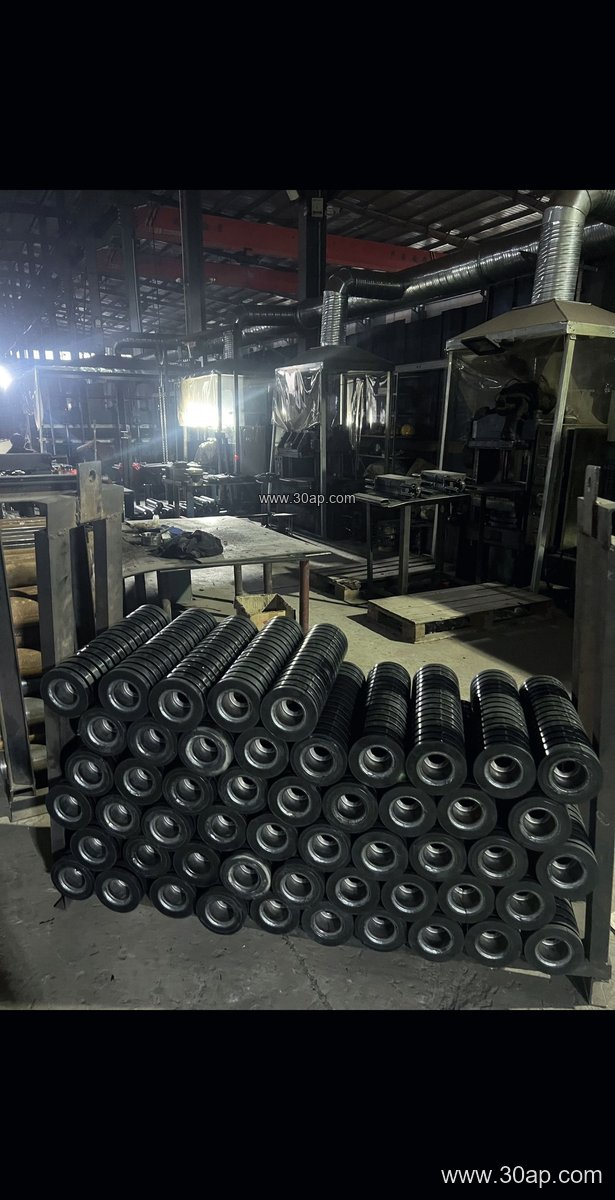
The typical unit has a steel tube shell, a shaft, bearing housings, and a sealing arrangement. Roller shells are usually made from steel pipe, though nylon, ceramic, and rubber-disc surfaces are available for special duties. Bearings are commonly 6204, 6205, 6305, 6306, 6308, or 6310, selected according to load and speed rather than paired to one shell diameter by rule. Seals matter in dusty service: a labyrinth or multi-lip design keeps fines out of the bearing cavity and extends service life.
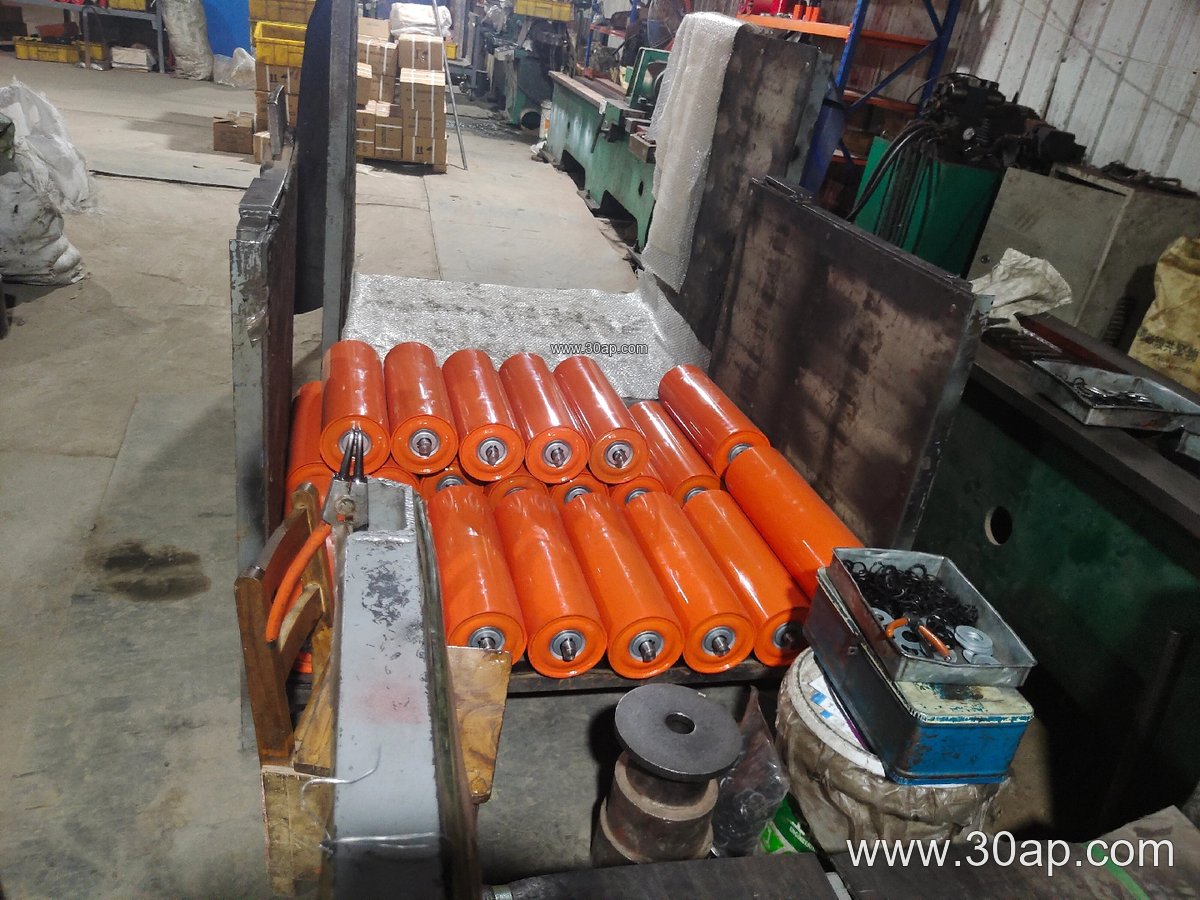
Common roller diameters include Ø63, Ø76, Ø89, Ø102, Ø108, Ø127, Ø133, Ø159, Ø178, Ø194, and Ø219 mm. The roller length follows belt width, trough angle, and idler arrangement. For a parallel return idler, the face length is normally close to the belt width, but the exact value is determined by the conveyor design and the mounting frame.
Reference Dimensions for Return Idlers
The table below shows typical belt width ranges that pair with common return roller sizes. These are reference examples, not fixed combinations.
- B500 belt width: Ø89 or Ø102 mm roller, face length around 600 mm
- B650 belt width: Ø89 or Ø108 mm roller, face length around 750 mm
- B800 belt width: Ø108 or Ø133 mm roller, face length around 950 mm
- B1000 belt width: Ø108 or Ø133 mm roller, face length around 1150 mm
- B1200 belt width: Ø133 or Ø159 mm roller, face length around 1400 mm
- B1400 belt width: Ø133 or Ø159 mm roller, face length around 1600 mm
- B1600 belt width: Ø159 or Ø178 mm roller, face length around 1800 mm
- B1800 belt width: Ø159 or Ø194 mm roller, face length around 2000 mm
- B2000 belt width: Ø178 or Ø219 mm roller, face length around 2200 mm
Bearing size and shaft diameter should be confirmed against the actual load and belt speed. A wider belt does not automatically dictate one shaft diameter, and a given belt width can match several roller diameters depending on the conveyor layout.
Where Parallel Idlers Are Used
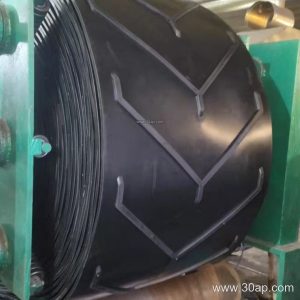
These rollers appear on the return run of belt conveyors in many industries. In an iron ore or copper ore operation, they support the empty belt after the head pulley and before the tail pulley. In a power plant coal handling system, they are used together with a flame retardant conveyor belt or a heat resistant conveyor belt where the return strand passes near hot equipment. In a sand and gravel line, a parallel idler may run alongside a crusher conveyor belt handling abrasive aggregate.
The flat design is also common on the return side of pipe conveyor belt systems and on conveyors carrying a skirted conveyor belt, where the belt must stay flat before entering the loading zone. In a port or ship loading facility, parallel return rollers help keep a wide conveyor belt stable over long spans.
Parallel Idler vs Other Return Rollers
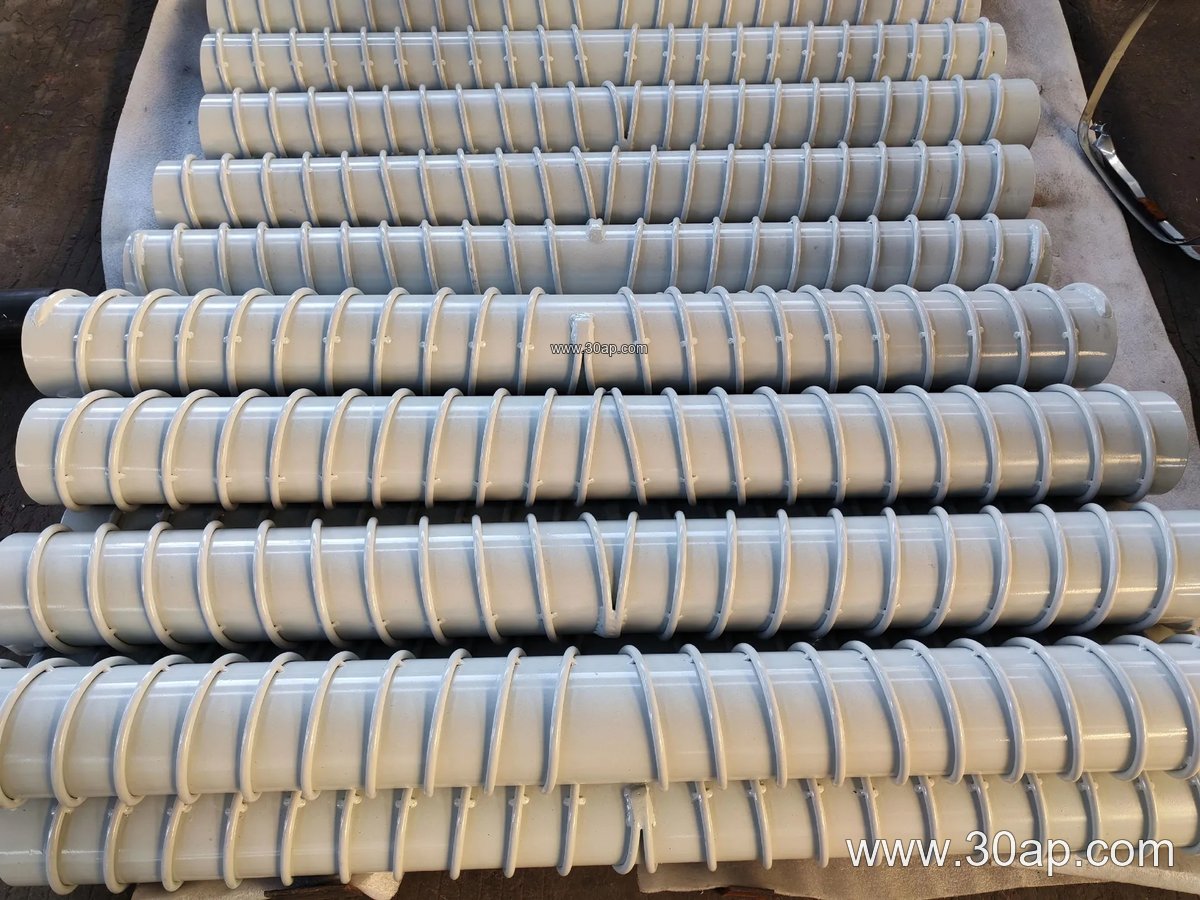
A parallel idler is often compared with a V-shaped return roller. The V-type uses two inclined rollers to center the belt, which can help on long conveyors or where belt wander is a concern. A flat parallel idler is simpler and gives full-width support, but it relies on other components, such as self-aligning idlers or a properly set tail pulley, to control tracking. Some plants use a spiral roller on the return side to shed sticky material; that is a different surface form and should not be treated as a substitute for a standard parallel idler.
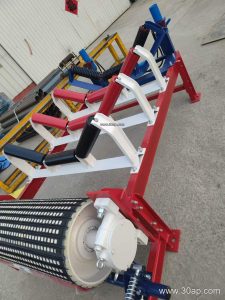
On the carrying side, a three-roll troughing set with a 20, 30, 35, or 45 degree trough angle is common. The parallel idler stays flat and does not use a trough angle. For transition zones, a transition idler may be used near the head or tail pulley to gradually change belt shape.
What Buyers Should Check
When ordering a parallel idler, confirm the belt width, the required face length, the roller diameter, the shaft diameter, and the bearing size. Ask about the sealing method and the shell thickness, especially for dusty or wet service. For abrasive duties such as a quarry conveyor belt or an aggregate conveyor belt, a thicker shell and good seal protection are worth discussing. For hot material, a heat resistant conveyor belt may be used, but the idler itself should also be checked for temperature limits.
Mounting details matter too. Confirm the frame or conveyor bracket dimensions and the fixing method. A parallel idler that does not sit squarely in its bracket can cause belt misalignment and premature wear. Inspect rollers on a regular schedule, listen for bearing noise, and check for shell wear or material build-up. Replacing a worn parallel idler early is usually cheaper than repairing a damaged belt.
For more information on conveyor components and belt selection, visit ztconveyor.com or review our guidance on idler roller and conveyor pulley matching. A well-chosen parallel idler supports the belt quietly and keeps the return run running true.