What a 650mm Conveyor Belt Is
A 650mm conveyor belt is a belt with a nominal width of 650 millimeters, commonly written as B650 in specification sheets and tender documents. It sits in the light-to-medium width range: wider than a 500mm or 600mm belt, but narrower than an 800mm or 1000mm belt. Because of this middle position, it appears on many secondary and tertiary conveying lines where the material load is moderate and the structure has to fit inside a compact gallery or transfer station.
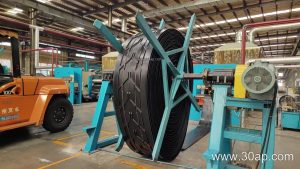
The 650mm figure describes the belt width only. It does not fix the belt type, the carcass strength, the cover grade, or the pulley diameter. Those are decided by the duty: tonnage per hour, lump size, slope, ambient conditions, and the geometry of the conveyor. A 650mm conveyor belt may be a fabric core belt, a steel cord belt, or a special-profile belt, depending on what the line has to carry.
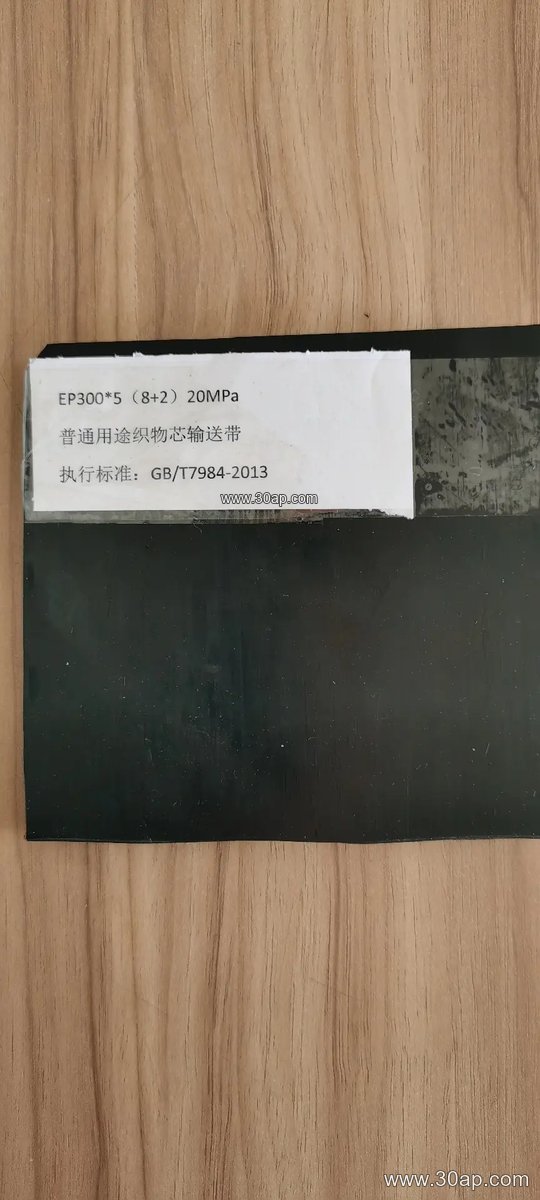
Construction and Common Configurations
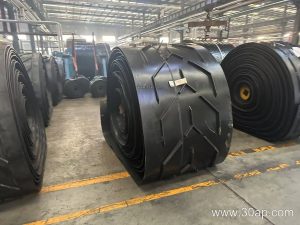
Most belts at this width are built from a fabric carcass with rubber covers. The carcass carries the tension, and the covers protect it from abrasion, impact, heat, oil, or moisture. Buyers frequently ask for an EP conveyor belt because polyester-nylon fabric gives good strength with low stretch, while an NN conveyor belt using nylon-nylon fabric offers high flexibility and good resistance to fatigue. Both are fabric core conveyor belt families and both are available in 650mm widths.
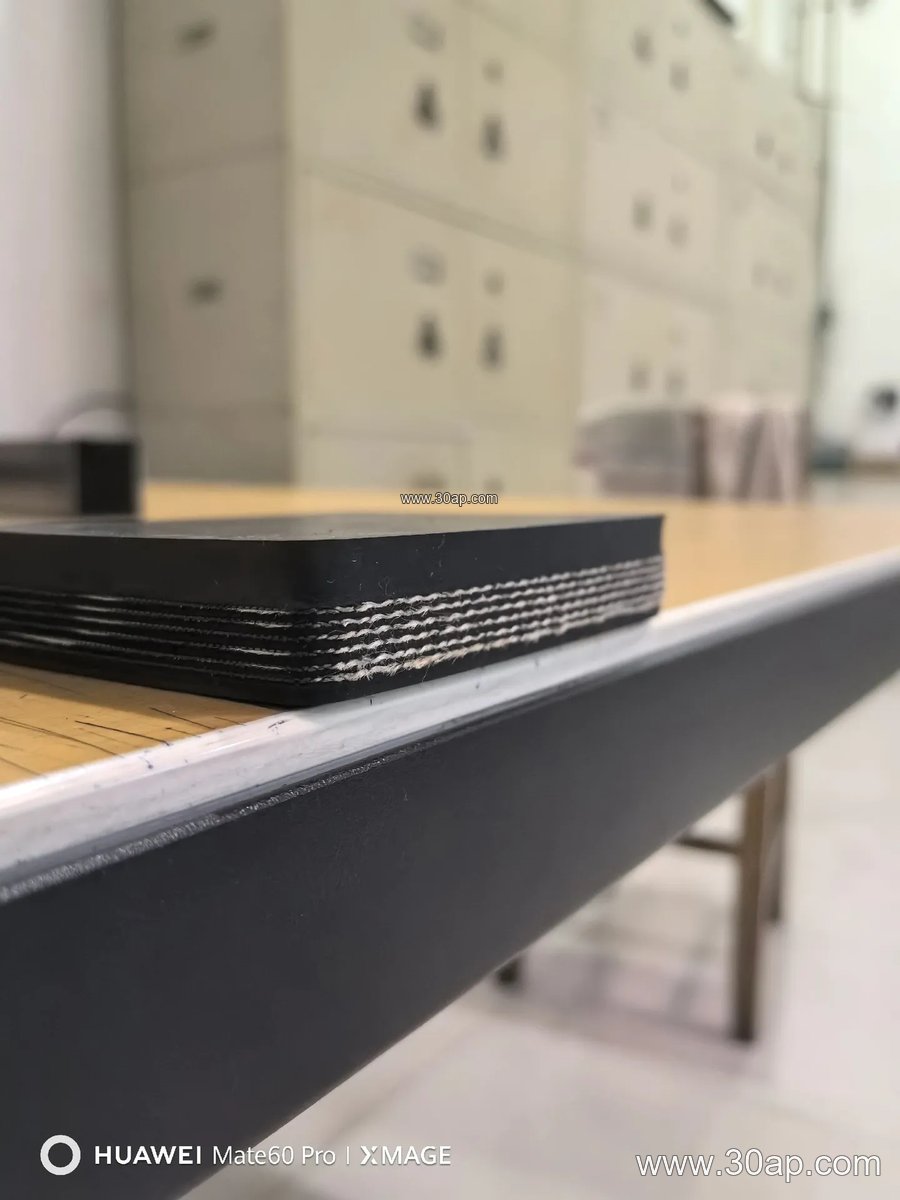
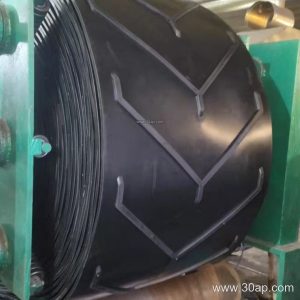
For heavier loads or long center distances, a steel cord conveyor belt may be specified, although at this width the fabric constructions are more common. Special constructions also exist: a chevron conveyor belt for inclined sections, a corrugated sidewall belt for steep inclines with a small footprint, and a pipe conveyor belt where the belt is troughed into a closed tube to contain dust.
Typical reference data for a 650mm belt is shown below. These are common ranges, not fixed combinations, and actual values are set by the conveyor designer.
- Nominal width: B650 (650 mm)
- Fabric carcass: usually 2 to 6 plies
- Common EP grades: EP200, EP315, EP400, EP500, EP630, EP800
- Common NN grades: NN100, NN200, NN300, NN400
- Steel cord grades, when used: ST1000, ST1250, ST1600
- Cover thickness examples: 3+1.5 mm, 4+2 mm, 5+2 mm, 6+2 mm
Cover compound selection matters as much as the carcass. An abrasion resistant conveyor belt suits crushed stone and sand, a heat resistant conveyor belt suits cement clinker or sinter, a flame retardant conveyor belt and anti-static belt are usual in coal mining, and an oil resistant belt is chosen where lubricated machinery or oily feedstock is present.
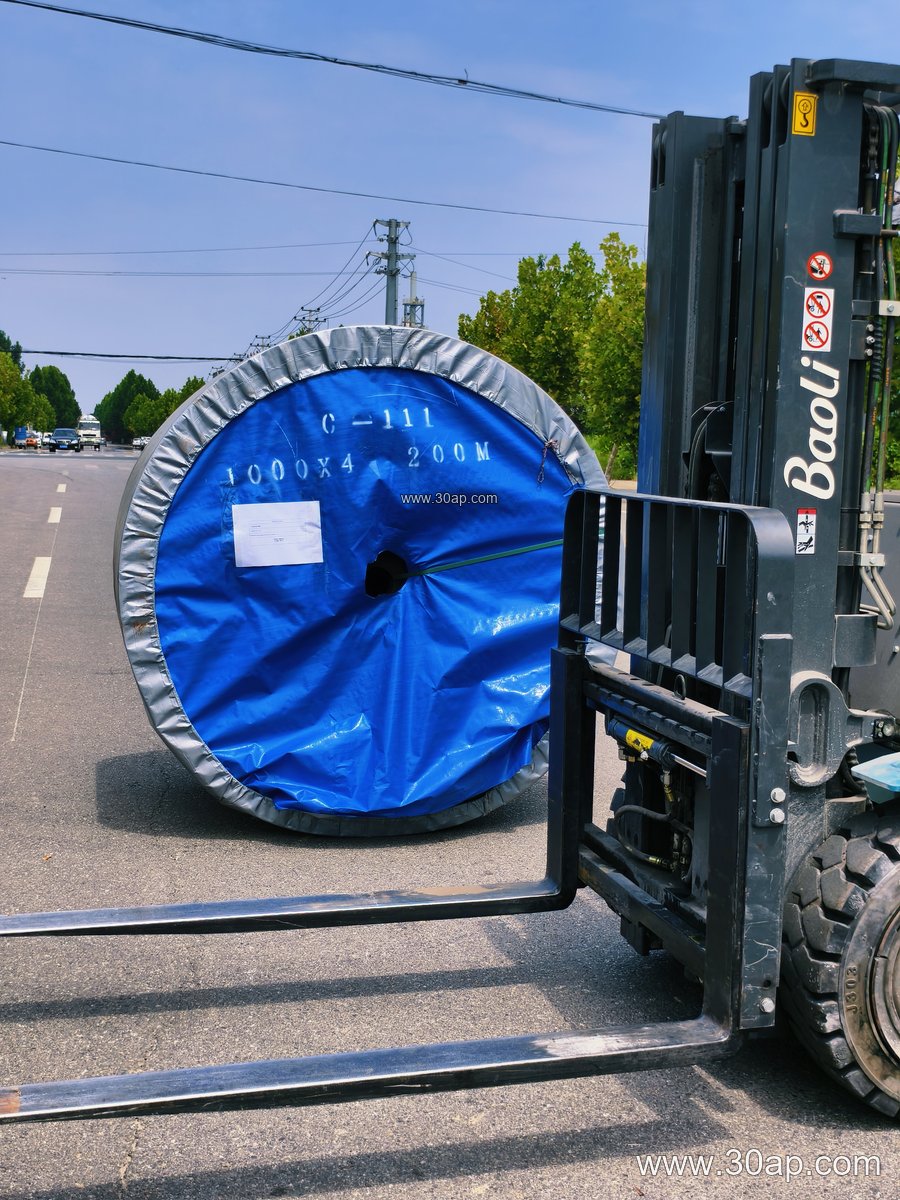
Where the Width Fits in Real Plants
In a quarry or aggregate plant, a 650mm belt often handles screened stone from a secondary crusher to a stockpile conveyor. In a cement plant it may feed additives or transfer dust from a bag filter. In a power plant it can carry coal from a bunker outlet to a mill feeding point. In mining, including underground coal mining, the same width appears on gate road and panel conveyors where space is tight but tonnage is still significant.
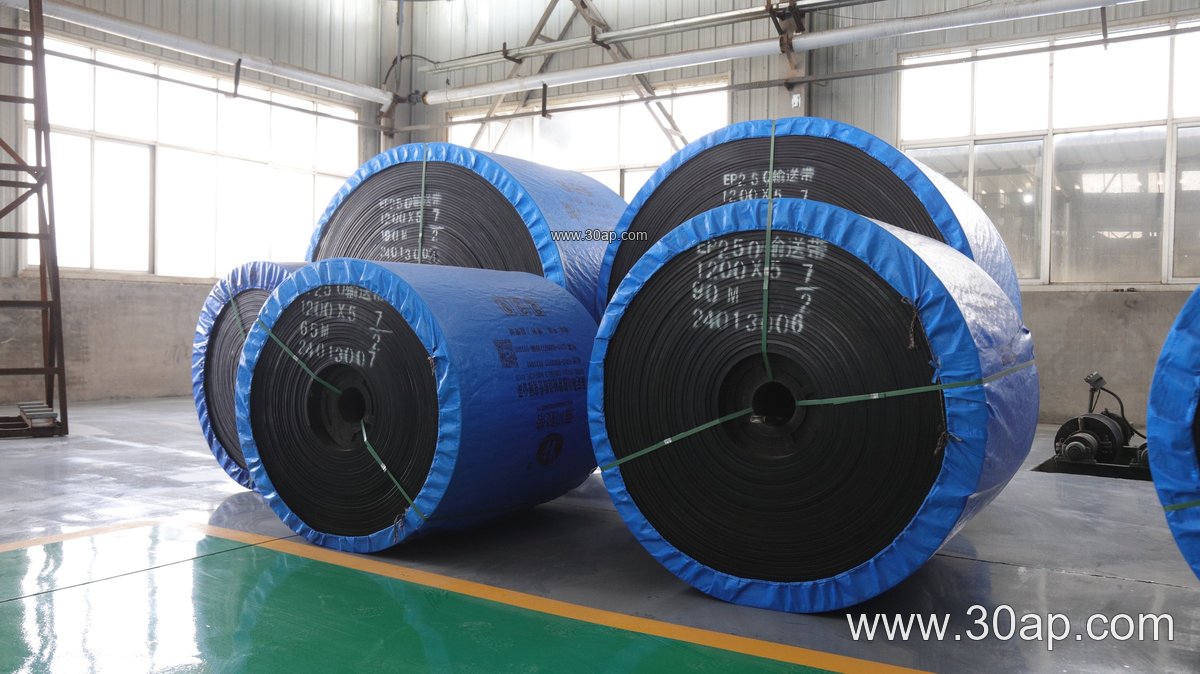
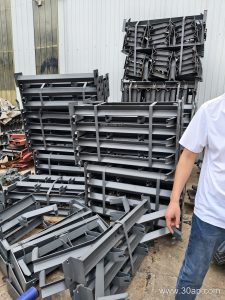
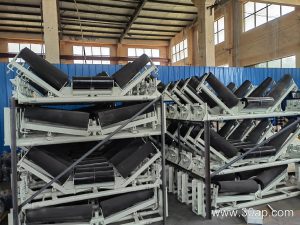
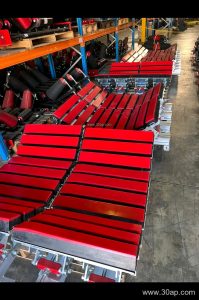
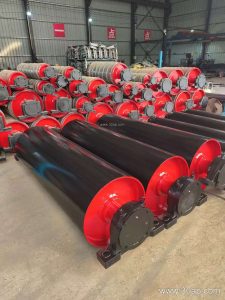
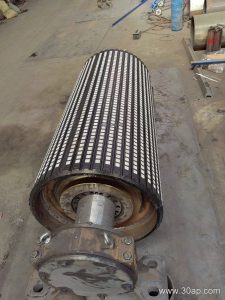
The belt does not work alone. It runs on idler rollers arranged in a trough, turns around a drive pulley and a tail pulley, and is held in line by conveyor brackets and frame sections. A bend pulley may be added to change direction or to increase wrap angle. These components are selected separately from the belt width; a 650mm belt can run on more than one pulley diameter, and the correct diameter depends on belt thickness, carcass type, and tension.
Selection Points for Buyers
Start with the material: lump size, bulk density, moisture, temperature, and whether it is oily, abrasive, or dusty. Then confirm the required tensile strength from the conveyor calculation, not from the belt width alone. Check the minimum pulley diameters recommended for the chosen carcass, because a thin fabric belt and a steel cord belt have different bending requirements. Confirm the cover grade and thickness against the wear pattern, and ask whether the belt needs to be an endless conveyor belt spliced on site or supplied in rolls for mechanical fastening.
Also verify the troughability of the belt on the existing idler roller set, the available take-up travel, and the space for the splice. For inclined sections, compare a smooth belt with a chevron or sidewall design before changing the conveyor structure. Finally, keep spare belt, fasteners, and splice materials consistent with the original specification so that the 650mm line stays within its design envelope.