What a Vertical Idler Bracket Does
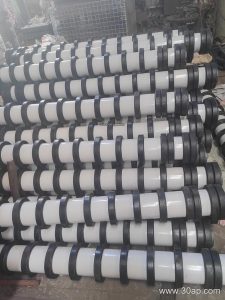
A vertical idler bracket is a support component that holds a conveyor idler roller in an upright or near-vertical position, usually where the belt path changes direction or where the carrying run needs a controlled profile. It is a conveyor bracket, not a pulley, and should never be confused with drive pulleys, tail pulleys, or bend pulleys, which each perform distinct duties in the conveyor layout. The vertical orientation helps guide the belt, contain material at transfer points, and maintain a stable idler roller position on inclined or steeply rising conveyor sections.
In a quarry conveyor line or a limestone mine incline, engineers often use this bracket to keep the belt edge aligned without adding a full troughing set. The same approach appears on stockyard and ship loading conveyors where space is tight.
Construction and Mounting
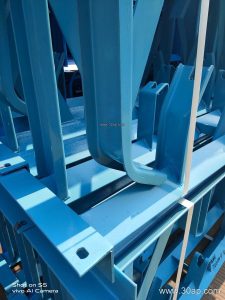
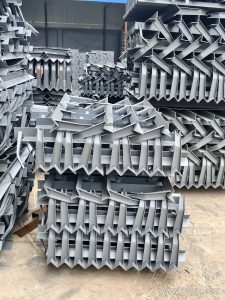
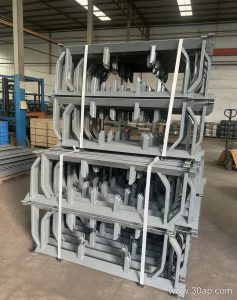
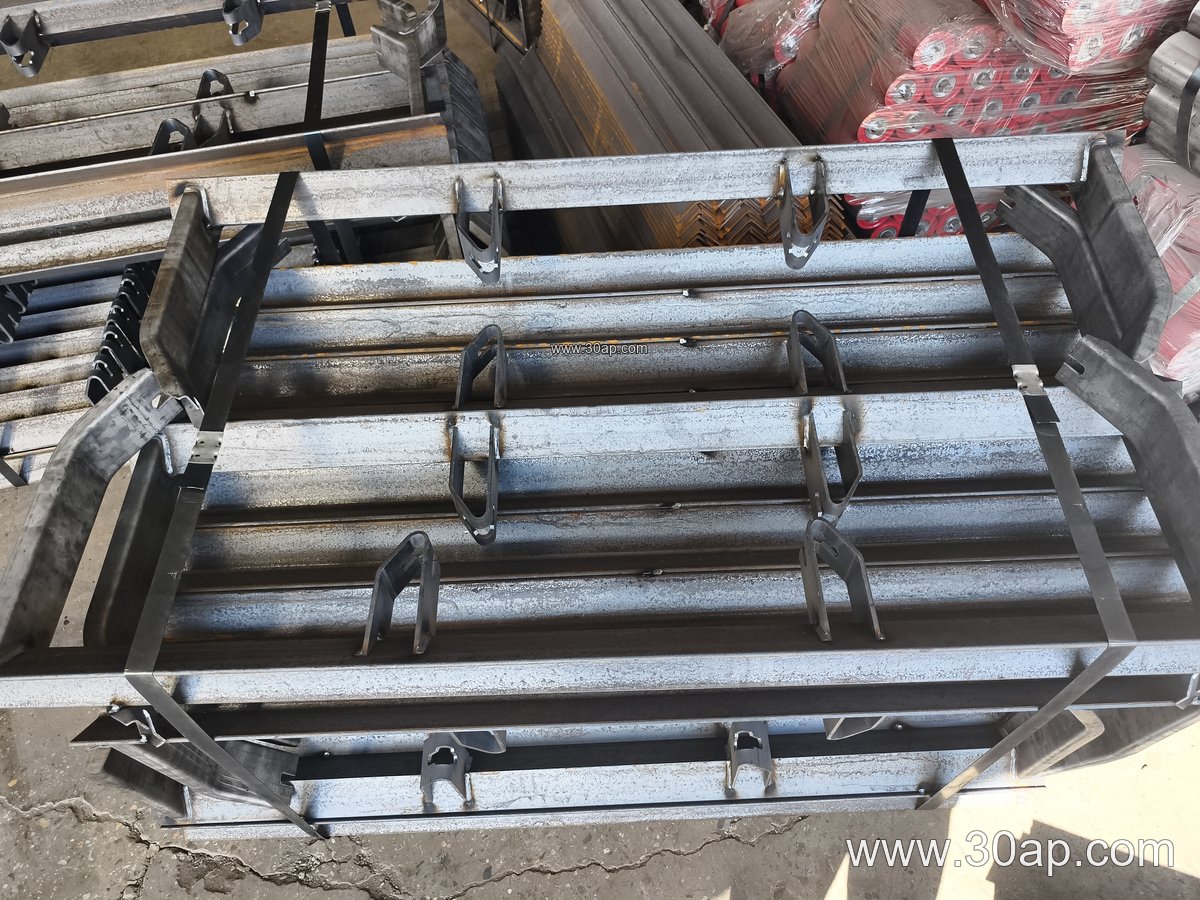
Most vertical idler brackets are fabricated from angle steel, channel steel, or folded steel plate. The frame is welded or bolted to the conveyor stringer, and the idler shaft sits in a slot or cradle designed to hold the roller upright. Because the bracket is a structural part, its thickness, hole spacing, and crossbeam length are usually determined by belt width, idler diameter, and the loads expected from the material being carried.
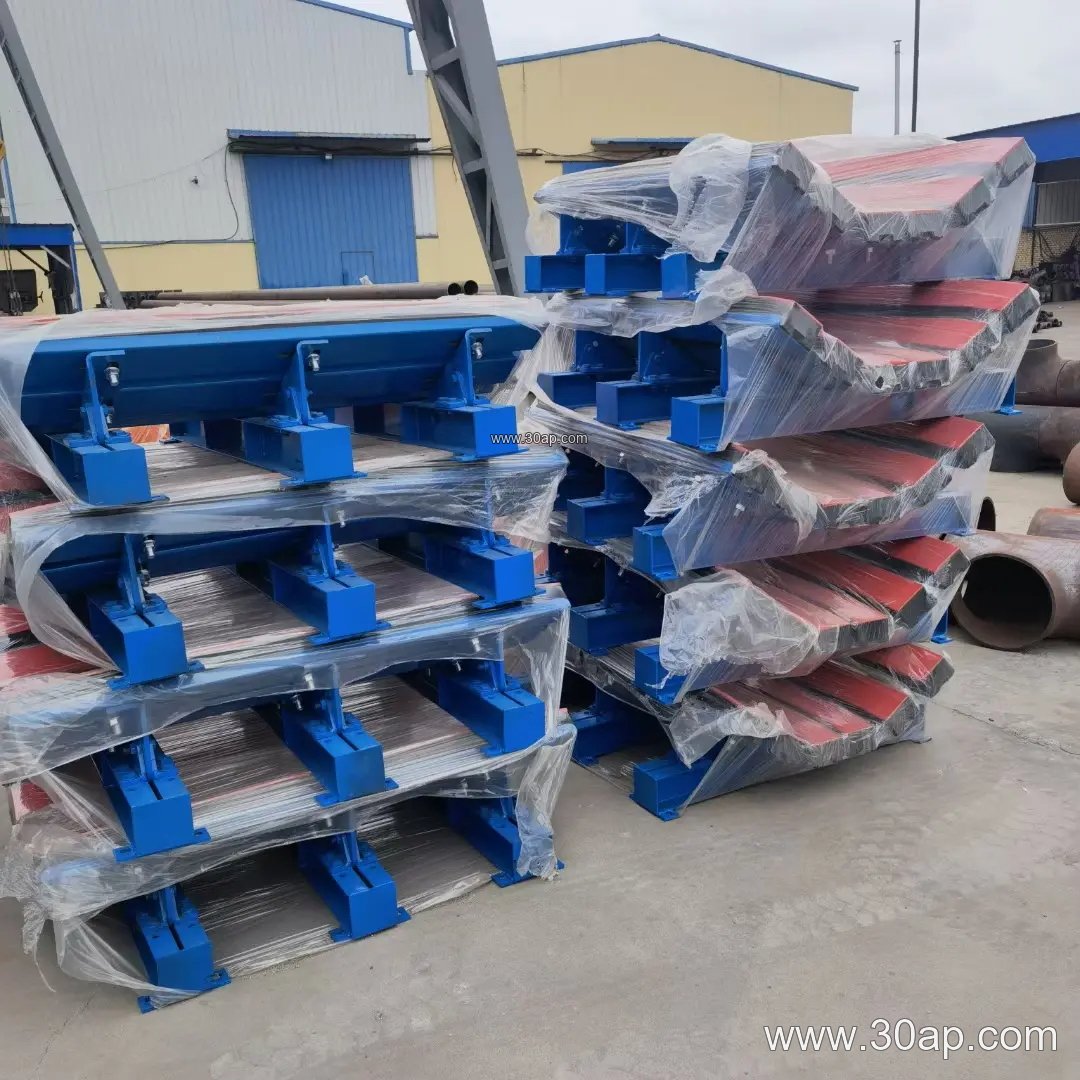
- Fabricated frame in angle or channel steel
- Welded or bolted base for stringer mounting
- Upright cradle for the idler roller shaft
- Optional adjustment slots for alignment and height
Mounting dimensions are not universal. Hole pitch and beam length vary with belt width and bracket design, so buyers should supply the conveyor drawing or confirm the interface with the supplier.
Typical Operating Locations
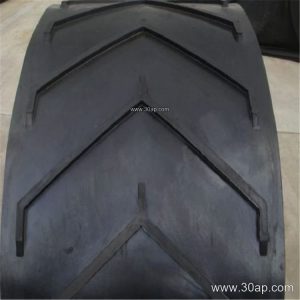
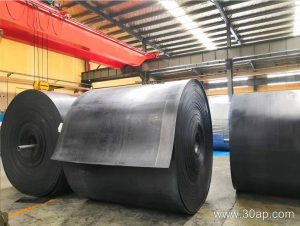
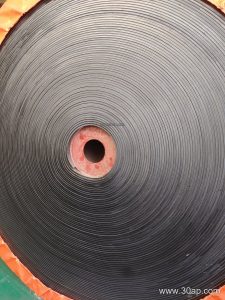
Vertical brackets show up in a limited set of positions. They are common near transition zones, at the entry to a loading point, and along inclined sections in crushing and screening plants. In a coal washing plant or power station coal yard, they may be paired with a flame retardant conveyor belt to keep the belt tracking through a tight structure. In an aggregate operation, a heavy-duty mining conveyor belt running through a transfer tower often needs this kind of guide support.
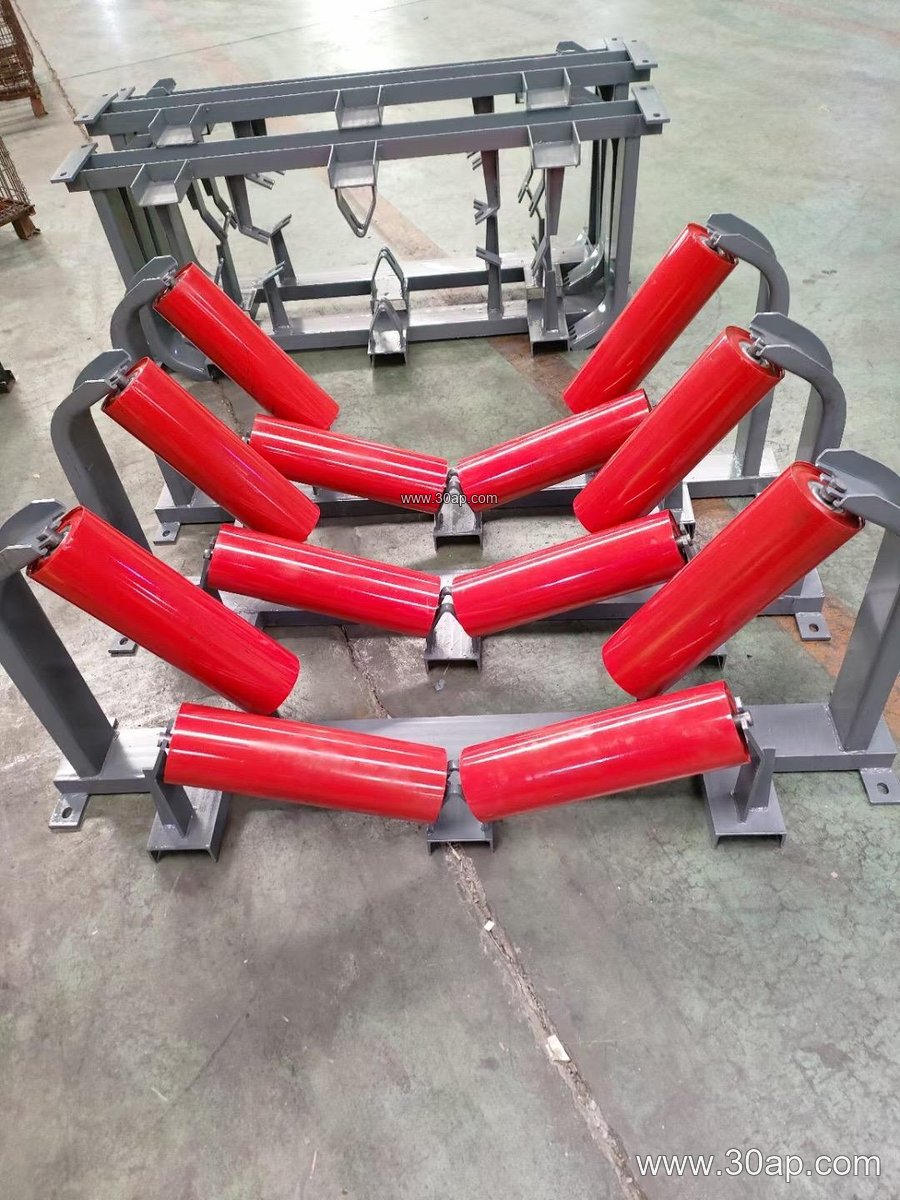
They are not a substitute for troughing brackets, return brackets, or self-aligning brackets. Those handle different duties, and a vertical bracket is usually one piece of a larger support arrangement.
Matching the Bracket to Belt and Idler
The bracket must suit the belt width and the idler roller diameter. Reference combinations often quoted in design work include B800 with Ø108, B1000 with Ø133, and B1200 with Ø133, but these are examples rather than fixed rules. Belt width does not dictate a single trough angle or a single roller size, and the vertical bracket layout should follow the conveyor design.
| Reference Item | Common Range | Notes |
|---|---|---|
| Belt width | B500 to B2200 | Confirm with conveyor drawing |
| Idler diameter | Ø89, Ø108, Ø133, Ø159, Ø194 | Selected by load and belt speed |
| Trough angle | 20°, 30°, 35°, 45° | Relevant where the bracket joins a troughing set |
| Frame material | Angle, channel, folded plate | Thickness by design |
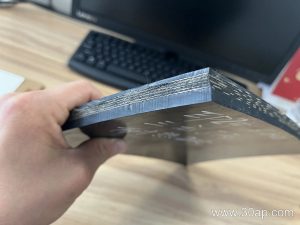
On a cement plant conveyor or a steel plant sinter line, the choice may also depend on dust, heat, and belt construction. A heat resistant conveyor belt or an abrasion resistant conveyor belt can change the load profile the bracket sees, so it is worth telling the supplier which belt type is installed.
Buyer Checklist
- Confirm belt width, idler diameter, and mounting hole spacing.
- State whether the bracket is fixed or adjustable.
- Provide the stringer section and bolt size.
- Describe the environment: dust, moisture, heat, or oil.
- Check that the bracket is compatible with the existing conveyor bracket pattern.
For a port conveyor or a bulk material conveyor handling iron ore, copper ore, or coal, a robust bracket reduces the chance of the idler roller working loose. Buyers comparing quotes should also ask about surface treatment and weld quality, since these affect service life in a wet wash plant or a dusty crushing circuit.
Installation and Maintenance Notes
Install the bracket square to the belt centerline and check that the idler roller turns freely after tightening. On an adjustable version, set the position before the belt is tensioned, then recheck tracking after the first load. During routine inspection, look for elongation at the bolt holes, cracked welds, and corrosion around the base. Replacing a worn bracket early is cheaper than repairing a damaged conveyor belt or a misaligned pulley.
More conveyor support information is available at www.example.com/conveyor-bracket, and matching belt data can be reviewed alongside the idler and pulley schedule. Whether the plant handles gold mining conveyor duty or simple sand making plant transfer, the vertical idler bracket should be specified as part of the whole conveyor structure, not as an isolated part.