What a Conveyor Bracket Assembly Does
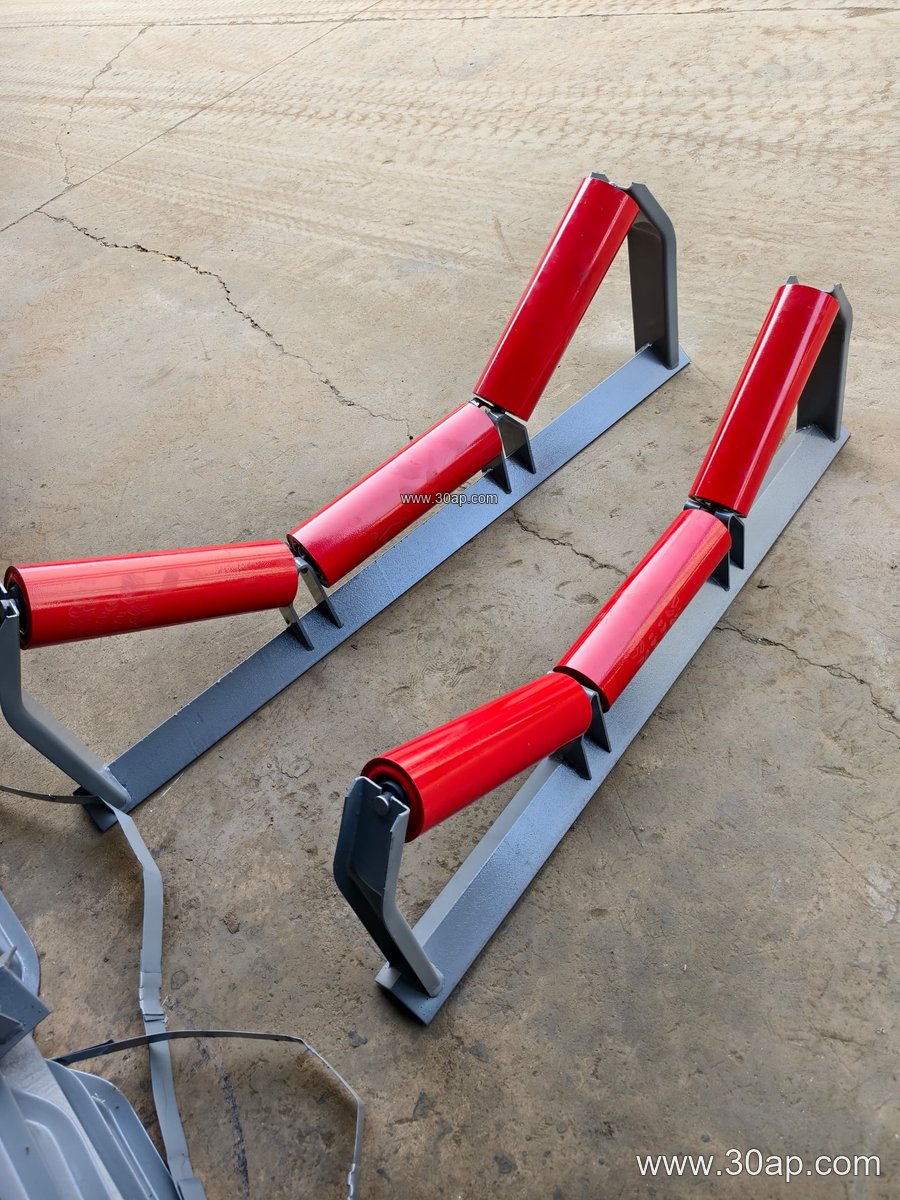
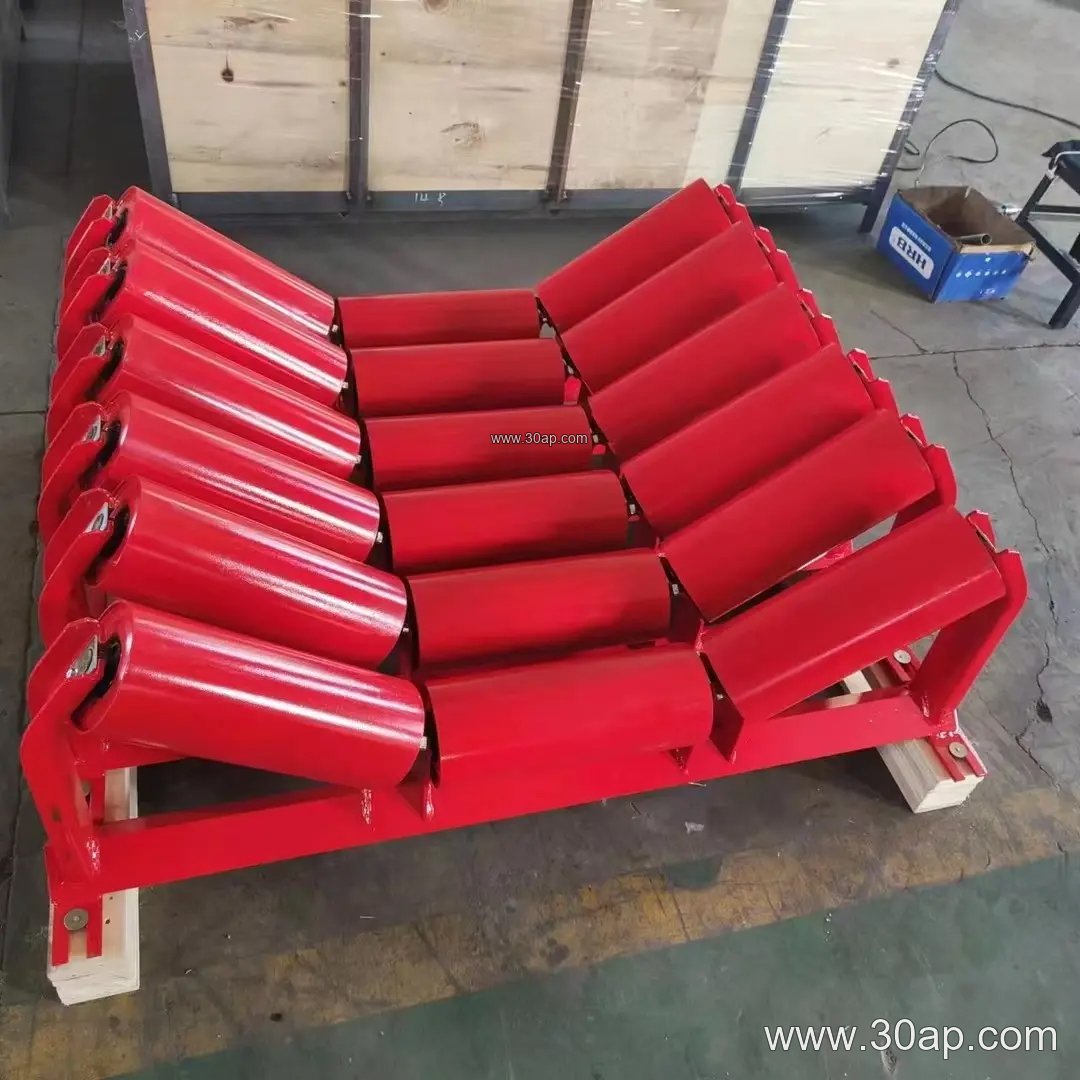
A conveyor bracket assembly is the structural interface between the conveyor frame and the rotating components that carry the belt. It holds idler rollers at the correct angle and elevation, keeps the belt profile stable, and transfers loads from the material being conveyed into the main stringers. In a quarry or a coal handling system, this assembly is often the first place maintenance crews look when tracking problems appear.
The assembly is not a single part but a group: brackets, cross beams, mounting plates, and fasteners that work together. The design must match the belt width, the trough angle, and the roller diameter so that the belt runs smoothly without pinching or edge damage.
Construction and Common Materials
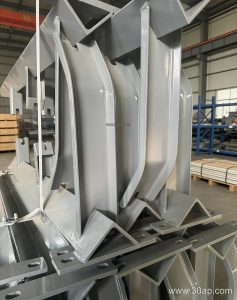
Most assemblies are fabricated from angle steel, channel steel, or folded steel plate. The choice depends on load and environment. For a heavy-duty mining conveyor belt carrying iron ore, channel steel frames with reinforced mounting pads are common. In a cement plant, folded plate brackets with clean edges help reduce material buildup.
Welding quality and hole alignment matter more than material grade alone. Misaligned mounting holes can force idlers out of square, which leads to belt misalignment and premature wear on the conveyor pulley and conveyor belt.
Types and Where They Fit
Different positions on the conveyor call for different bracket styles. The table below lists common types and their typical roles; final selection depends on the conveyor design.
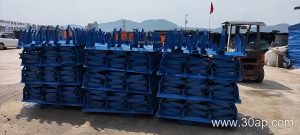
- Troughing bracket assembly – supports the carrying side with 20°, 30°, 35°, or 45° trough angles.
- Transition bracket – guides the belt from flat to troughed profile near pulleys.
- Return bracket – supports the return strand, often with flat or V-return idlers.
- Impact bracket – reinforced for loading points where material drops onto the belt.
- Self-aligning bracket – allows slight adjustment to correct belt drift.
- Adjustable bracket – permits trough angle changes within a range.
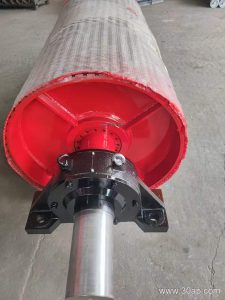
These are not interchangeable with drive, tail, or bend pulleys. A pulley redirects or drives the belt; a bracket assembly only supports it. Confusing the two leads to wrong spare parts and downtime.
Matching Belt Width, Trough Angle, and Roller Diameter
There is no fixed rule that one belt width must use one trough angle or one roller diameter. A B800 belt might run at 30° with Ø89 idlers in a light aggregate line, or at 35° with Ø108 rollers in a higher-capacity crusher conveyor. The table below shows common combinations, not mandatory pairings.
| Belt Width | Common Trough Angle | Common Roller Diameter |
|---|---|---|
| B500 | 20°–30° | Ø89 |
| B650 | 30° | Ø89–Ø108 |
| B800 | 30°–35° | Ø108 |
| B1000 | 35° | Ø108–Ø133 |
| B1200 | 35°–45° | Ø133 |
| B1400 | 35°–45° | Ø133–Ø159 |
| B1600 | 35°–45° | Ø159 |
| B1800 | 35°–45° | Ø159–Ø194 |
| B2000 | 35°–45° | Ø194 |
Installation hole spacing and cross beam length change with belt width and trough angle. Do not assume a fixed dimension from a catalog without checking the drawing for the specific conveyor.
Applications Across Industries
In a sand and gravel plant, troughing bracket assemblies support the belt through screening and stockpiling. In a power plant coal yard, flame retardant conveyor belt and heat resistant conveyor belt run on brackets designed for dusty, high-cycle service. Underground coal mining conveyor belt systems require robust assemblies that resist vibration and moisture.
The same bracket type may appear in a fertilizer plant or a grain silo, but the surface finish and clearances may differ to prevent material accumulation. For abrasive duty such as copper ore or gold mining conveyor belt lines, thicker bracket sections and reinforced idler mounting points are common.
Buyer Checklist
Before ordering, confirm the belt width, required trough angle, roller diameter, and mounting hole pattern. Ask for the assembly drawing, not just a part number. Check whether the bracket is fixed or adjustable, and whether it is for carrying, return, or impact service. For corrosive or wet conditions, confirm the surface treatment. Keep a few spare assemblies on hand for critical conveyors; replacing a bent bracket quickly is cheaper than repairing a damaged conveyor belt or conveyor pulley.
Finally, remember that the bracket assembly works as part of a system. It must fit the idler roller, align with the conveyor frame, and support the belt without over-tensioning. A correct match reduces wear on every component downstream.