What a Conveyor Parts Pulley Does
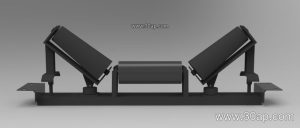
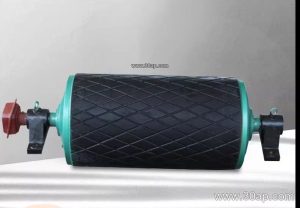
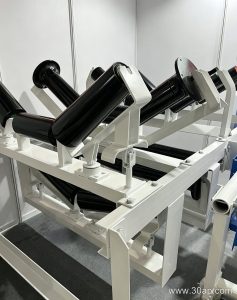
A conveyor parts pulley is the rotating drum that gives a belt its path, its drive force, and its tension. In a bulk handling line, this component is more than a simple wheel: it transfers torque from the gearbox to the belt, sets the belt’s direction at the head or tail, and helps keep the belt tracking through the structure. It works together with the conveyor belt, idler roller, and conveyor bracket, so the pulley is best understood as part of a system rather than a standalone item.
Buyers often use the shorter term conveyor pulley, and both names refer to the same assembly. The main subtypes are not interchangeable: a drive pulley, a tail pulley, and a bend pulley each sit in a different position and perform a different job.
Construction and Main Components
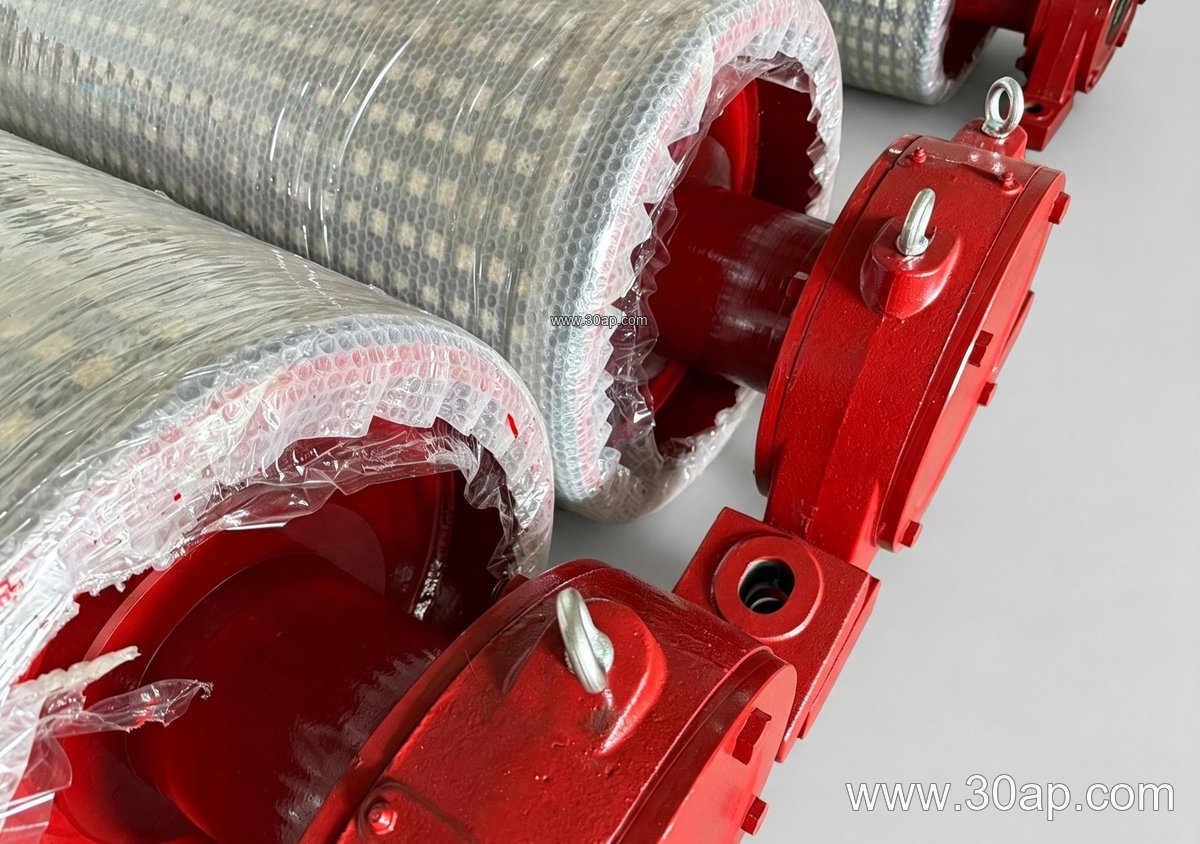
A typical drum assembly includes a cylindrical shell, two end discs, a shaft, bearing housings, and a lagging surface. The shell is usually welded steel; the shaft is sized by torque and load rather than by belt width alone. Locking elements or keyed hubs connect the shaft to the end discs, and the bearing seats are machined to keep runout low.
Surface treatment matters in dusty and wet service. Common options include plain finish, hot vulcanized rubber, cold bonded rubber, diamond grooving, herringbone grooving, ceramic lagging, and flat rubber. Lagging thickness is often 8, 10, 12, 15, or 20 mm, chosen for grip and wear life. In a quarry or aggregate line, diamond or ceramic lagging helps with wet, gritty belts; in a coal mining conveyor or power plant coal yard, flame retardant belt grades and reliable lagging both matter for safety and uptime.
Drive, Tail, and Bend Positions
Position decides the duty. The drive pulley, often at the head, transmits power and needs high friction between shell and belt. The tail pulley supports the return end and may include a take-up function. A bend pulley changes belt direction without driving, and a snub or pressure pulley increases wrap angle around the drive. These roles are distinct, so a spare bend pulley cannot simply replace a worn drive pulley.
On long overland or underground mining conveyor systems, the head pulley may be paired with a steel cord conveyor belt or a heavy-duty fabric core belt such as an EP conveyor belt. High tension calls for a larger diameter and a robust shaft, and the design should be checked against the actual belt tension, not guessed from width.
Where These Pulleys Are Used
You will find them in limestone quarries, iron ore and copper ore plants, coal preparation plants, cement clinker lines, and power station coal handling. They also appear in port bulk terminals, steel sintering plants, concrete batching plants, and tunnel muck removal. Each site brings its own conditions: abrasive rock dust, oily residues, heat, or fine cement powder.
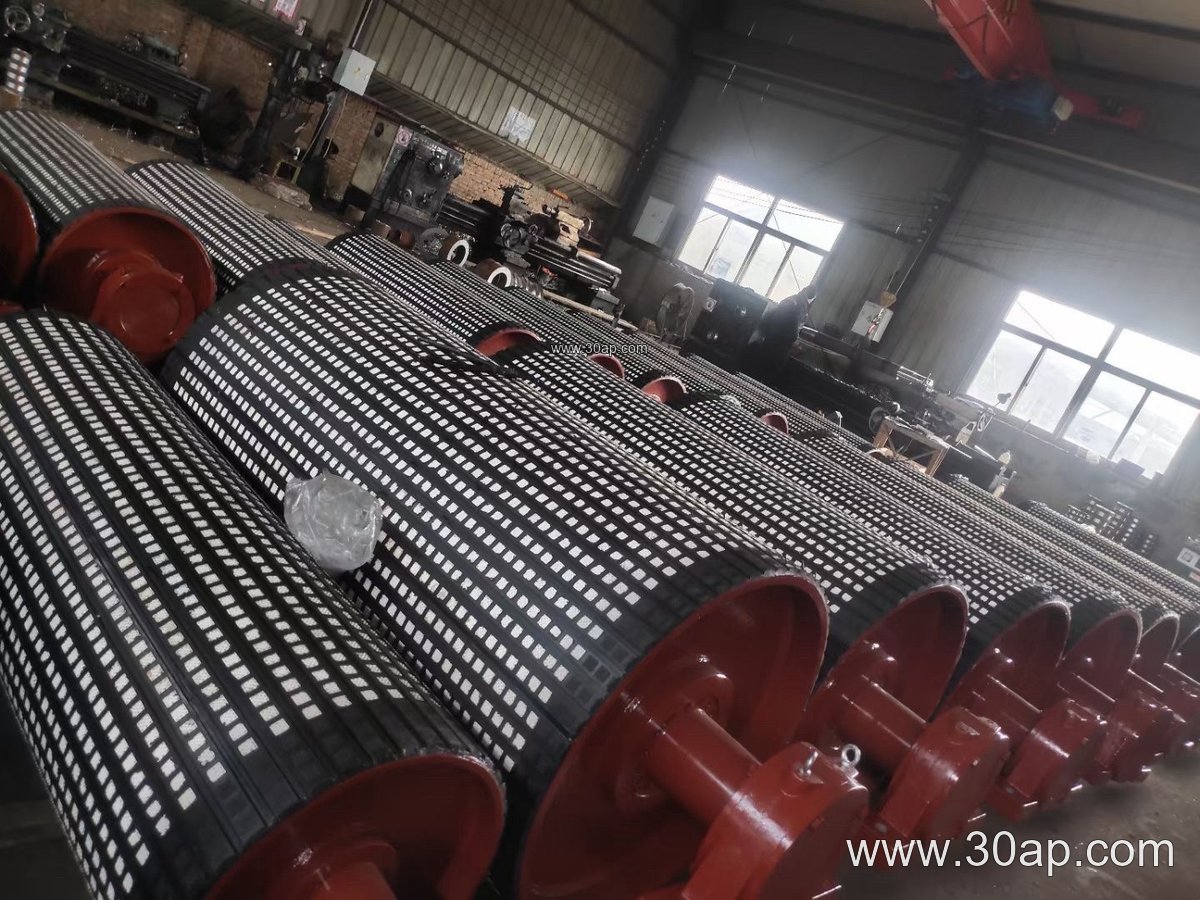
In a crusher conveyor or screening line, the pulley has to survive impact and abrasive fines. In a cement plant, heat resistant conveyor belt grades may run near hot clinker, while the pulley itself needs adequate bearing protection. In a food or fertilizer plant, cleanliness and corrosion resistance become more important than brute strength.
Common Size References
The table below shows common reference values, not fixed matches. Diameter and shaft size are determined by belt tension, torque, and load.
| Belt width | Typical pulley face width | Common diameter range |
|---|---|---|
| B400 | about 500 mm | Ø200 to Ø315 |
| B500 | about 600 mm | Ø250 to Ø400 |
| B650 | about 750 mm | Ø315 to Ø500 |
| B800 | about 950 mm | Ø400 to Ø630 |
| B1000 | about 1150 mm | Ø500 to Ø800 |
| B1200 | about 1400 mm | Ø630 to Ø1000 |
| B1400 | about 1600 mm | Ø800 to Ø1250 |
| B1600 | about 1800 mm | Ø1000 to Ø1400 |
| B1800 | about 2000 mm | Ø1250 to Ø1600 |
Shaft diameters commonly range from Ø50 to Ø200, but the final value follows the torque calculation. A B1200 × Ø1000 drive pulley and a B800 × Ø500 tail pulley are valid examples, yet neither proves that one belt width can only match one diameter.
Buyer Checklist
- Confirm the position and duty: drive, tail, bend, take-up, or snub.
- State belt width, belt type, and operating tension, including whether a steel cord or fabric core belt is used.
- Specify lagging type and thickness for grip, wear, and material build-up.
- Provide shaft size, bearing type, and mounting dimensions from the conveyor drawing.
- Check environmental conditions such as heat, oil, dust, and flame risk.
- Plan inspection of lagging wear, bearing temperature, and shell runout.
For a reliable quotation, share the conveyor layout and the belt specification. Whether the line handles abrasive ore or a light bulk material, matching the conveyor parts pulley to the real load is the safest route to long service life.