What an Ore Conveyor Belt Does on Site
An ore conveyor belt is the load-carrying element of a bulk handling line that moves crushed or raw mineral from a primary crusher, stockpile or loading point to the next stage. In an iron ore, copper ore or gold mining circuit, the belt usually works under sharp edges, heavy lumps and abrasive dust, so the cover compound and the carcass both matter. The same product is often called a mining conveyor belt or a rock conveyor belt, and it belongs to the wider family of heavy-duty bulk material conveyor belts.
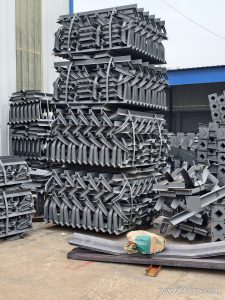
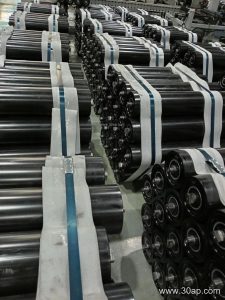
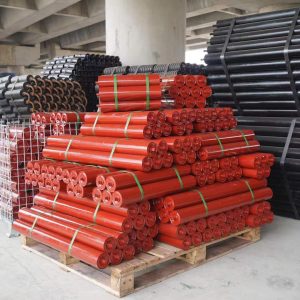
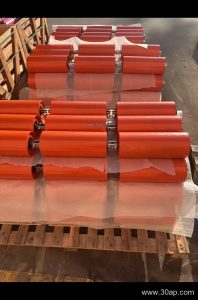
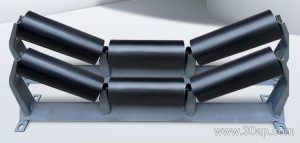
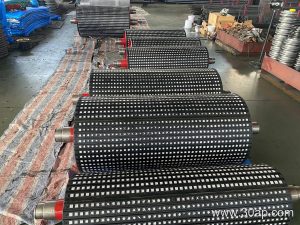
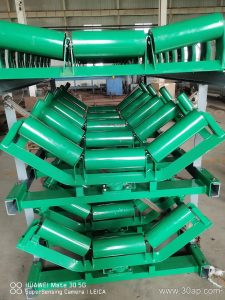
The belt is only one part of the machine. A conveyor pulley at the head drives the loop, a tail pulley returns it, and bend pulleys guide it through the take-up. Idler rollers support the loaded strand, while the conveyor bracket and frame keep everything aligned. If any of these parts is mismatched, even a well-built belt will track poorly and wear fast.
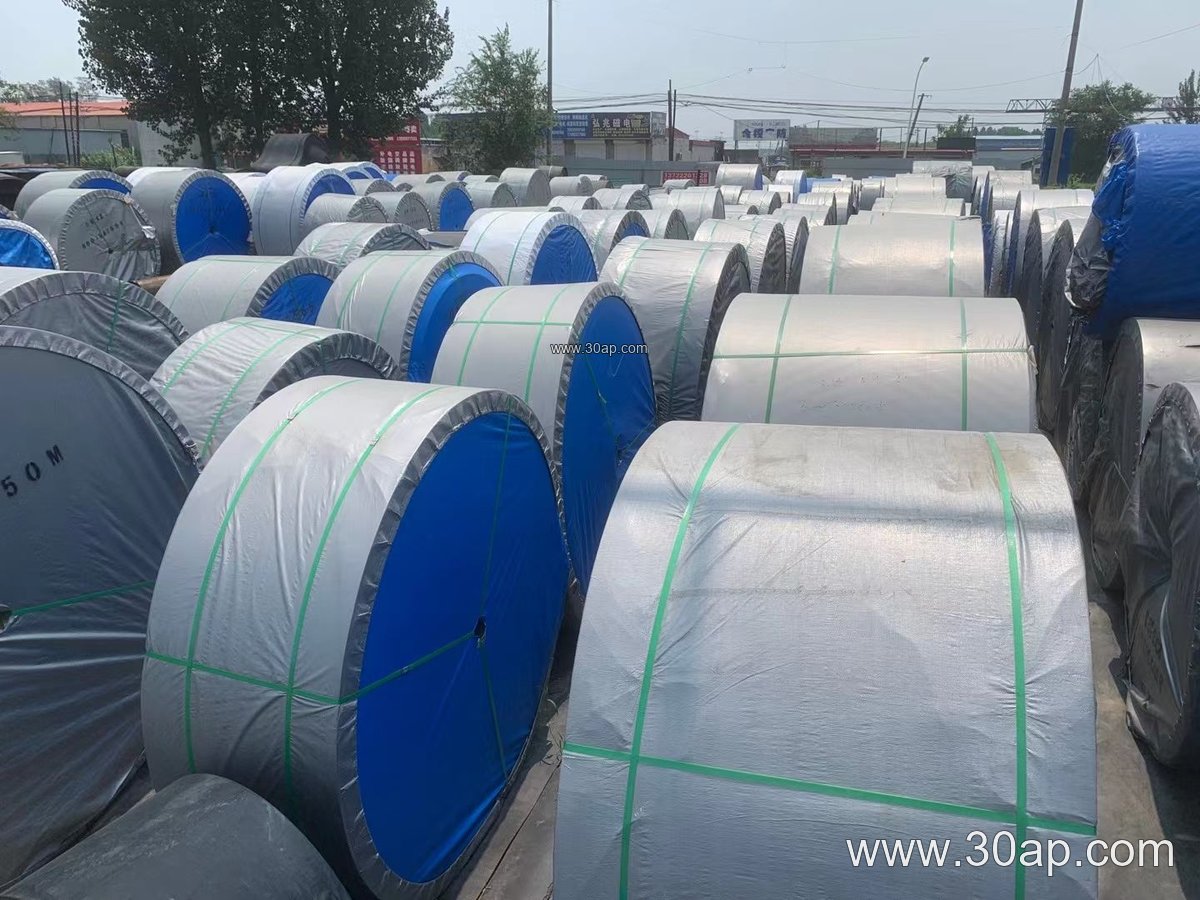
Construction and Common Configurations
Most ore belts use a fabric core or a steel cord core. Fabric core versions are built from EP (polyester) or NN (nylon) plies, usually 2 to 6 layers. Steel cord types are chosen where the line is long and tension is high. Cover rubber is specified as a top and bottom thickness, for example 4+2 mm, 6+2 mm or 8+3 mm, depending on lump size and drop height.
Common reference values are listed below. They are typical ranges, not fixed rules, and final values are confirmed by design.
- Fabric core grades: EP200, EP315, EP400, EP500, EP630, EP800, EP1000, EP1250, EP1600, EP2000
- Nylon grades: NN100, NN200, NN300, NN400
- Steel cord grades: ST1000, ST1250, ST1600, ST2000, ST2500, ST3150
- Belt widths: B500, B650, B800, B1000, B1200, B1400, B1600, B1800, B2000
- Cover thickness examples: 3+1.5, 4+2, 5+2, 6+2, 8+3 mm
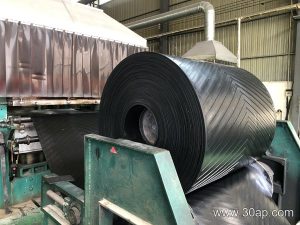
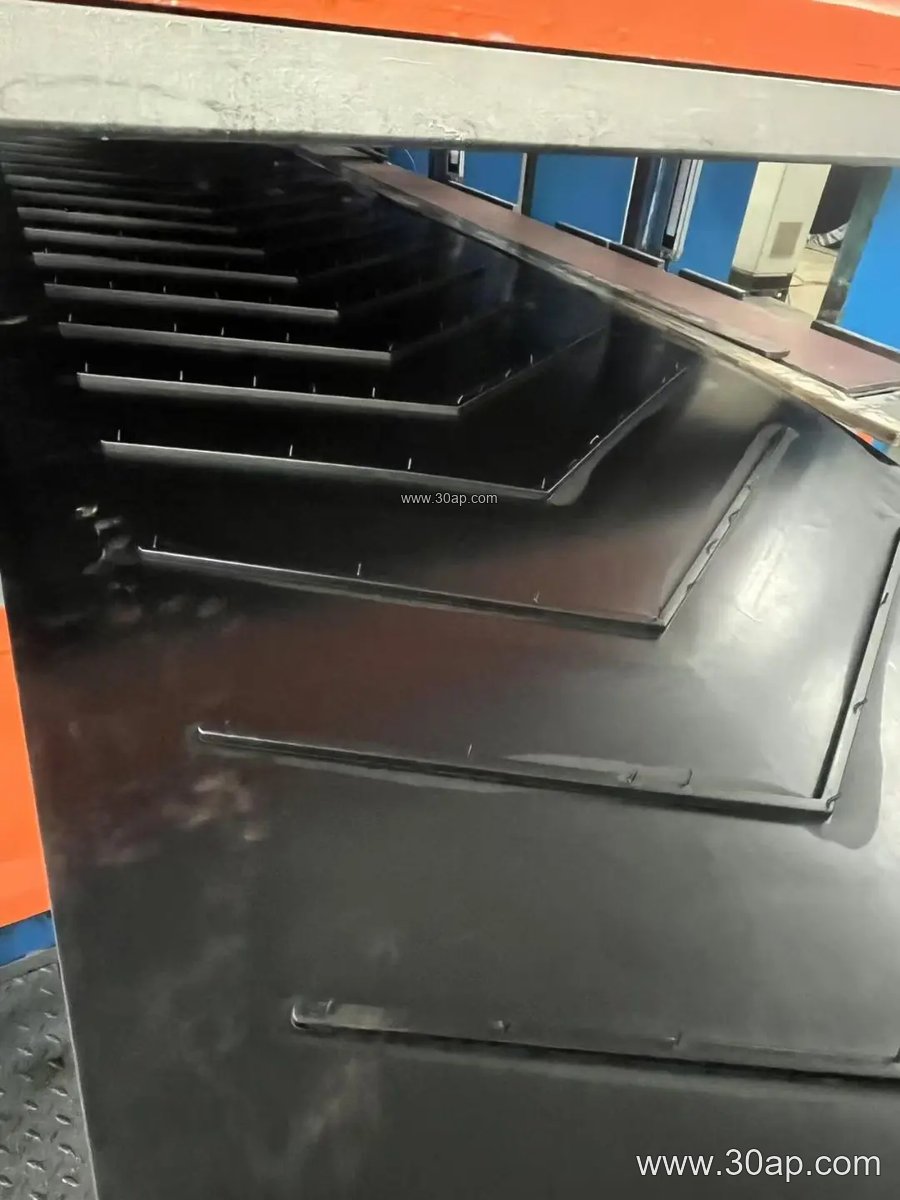
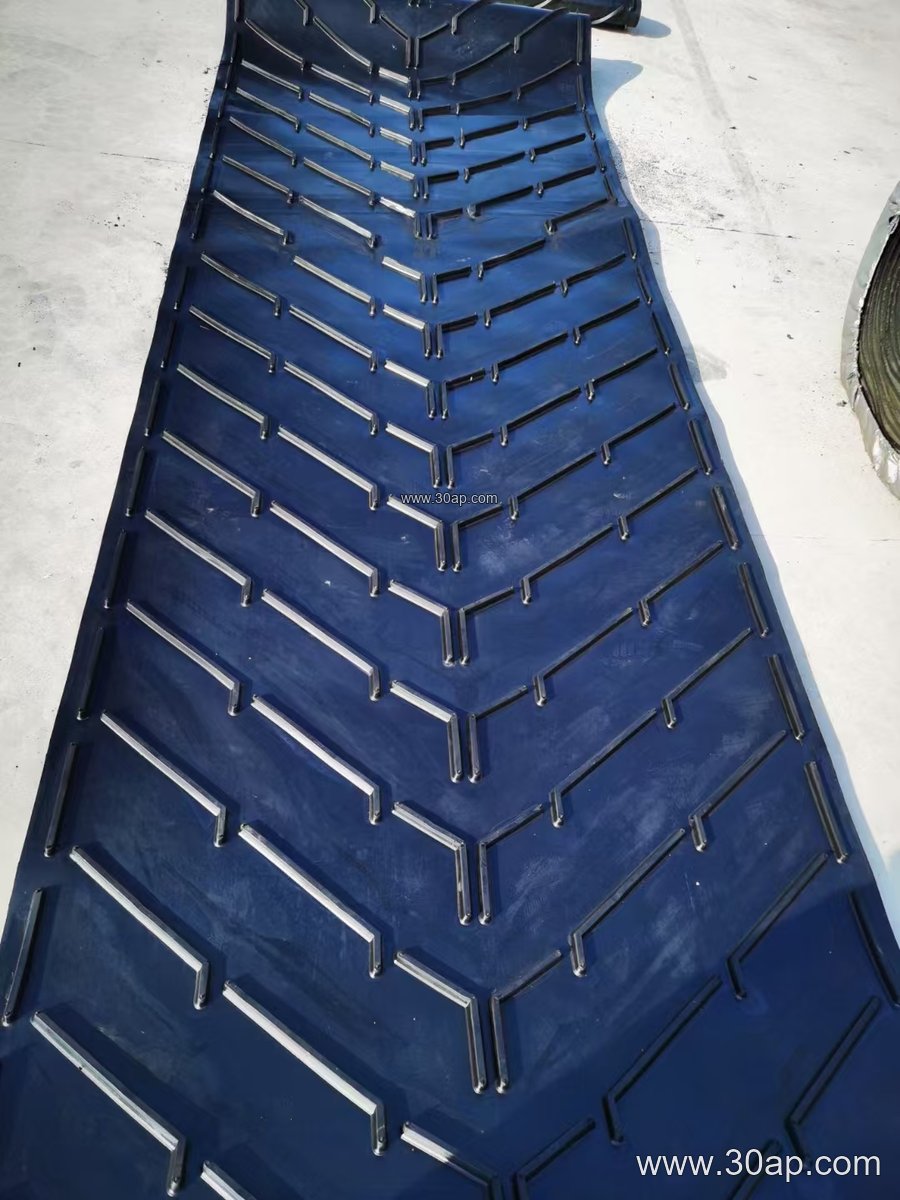
Surface and edge forms are selected for the duty. A chevron conveyor belt helps on inclines, a corrugated sidewall belt contains material on steep lifts, and a pipe conveyor belt encloses the load for dust control. Heat resistant, oil resistant, flame retardant and anti-static grades appear where the process demands them. A high abrasion resistant cover is common in quarry and crusher duty.
Where It Is Used
Ore handling lines appear in mines, coal preparation plants, cement works, power plants, steel plants, ports and sand and gravel yards. A coal mining conveyor belt may need flame retardant and anti-static properties, while a cement plant conveyor belt often faces hot clinker and fine dust. In a port or ship loading system, wide belts such as 1800 mm or 2000 mm help reach high tonnage. The equipment around the belt is just as varied: impact idler rollers at transfer points, a drive pulley with lagging, a bend pulley in the take-up tower, and a sturdy conveyor bracket at every frame joint.
Buyer Checklist
Before ordering, confirm the material type, maximum lump size, drop height, belt speed and incline. State the required tensile grade, width, ply count or cord class, and cover thickness. Ask whether the environment needs heat, oil, cold or chemical resistance, and whether fire safety rules apply underground. Check pulley diameters against the belt construction, because a thick steel cord belt and a thin fabric belt have different minimum bend requirements. Do not assume one belt width matches one pulley diameter; the drive, tail and bend pulleys are selected separately from the belt duty.
Also plan the splice. An endless conveyor belt made at the factory reduces joint risk on long overland lines, while mechanical or vulcanized splices suit shorter runs. Spare idler rollers, a spare bend pulley and a matching conveyor bracket set shorten downtime. For abrasive ore, keep the skirt rubber and chute liners in good order so the belt edge is not damaged.
Maintenance Notes
Inspect the top cover for cuts and gouges, especially after the loading point. Watch for material build-up on return idlers, which can misalign the belt. Check pulley lagging for wear and confirm that the tail pulley turns freely. Track the belt monthly and correct mistracking early, because edge damage on a 1200 mm or 1400 mm belt is expensive to repair. Store spare belts flat, away from sunlight and ozone sources, and follow the maker’s splice instructions.