What a Heat Resistant Conveyor Belt Is
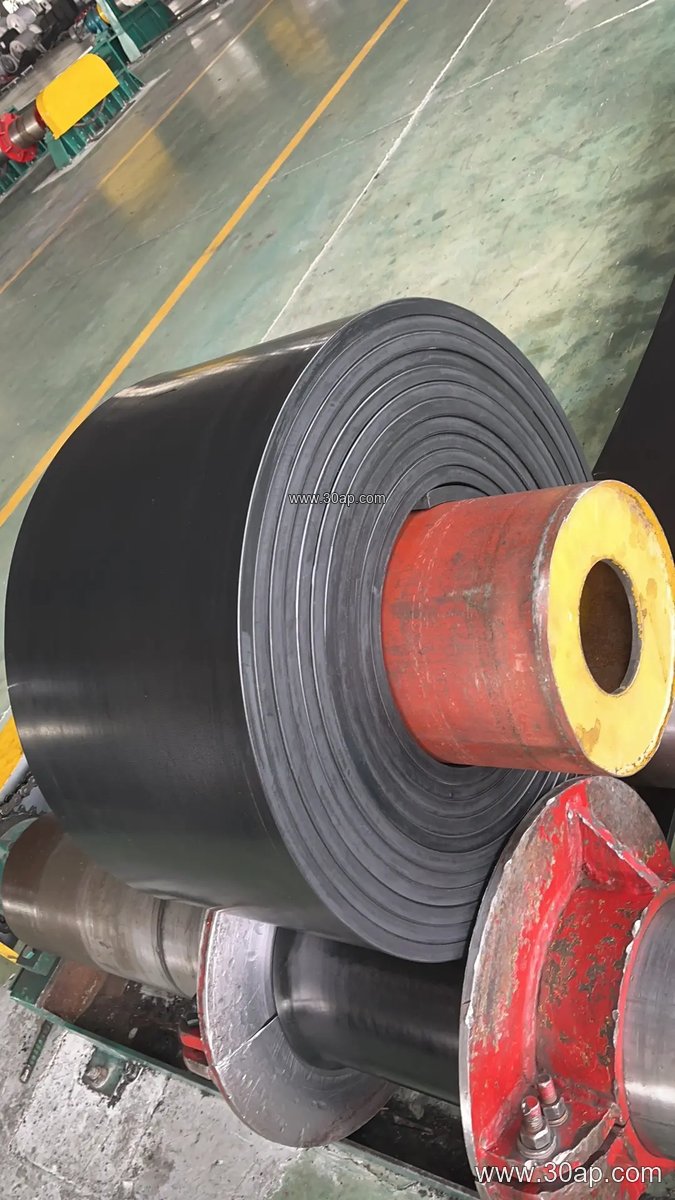
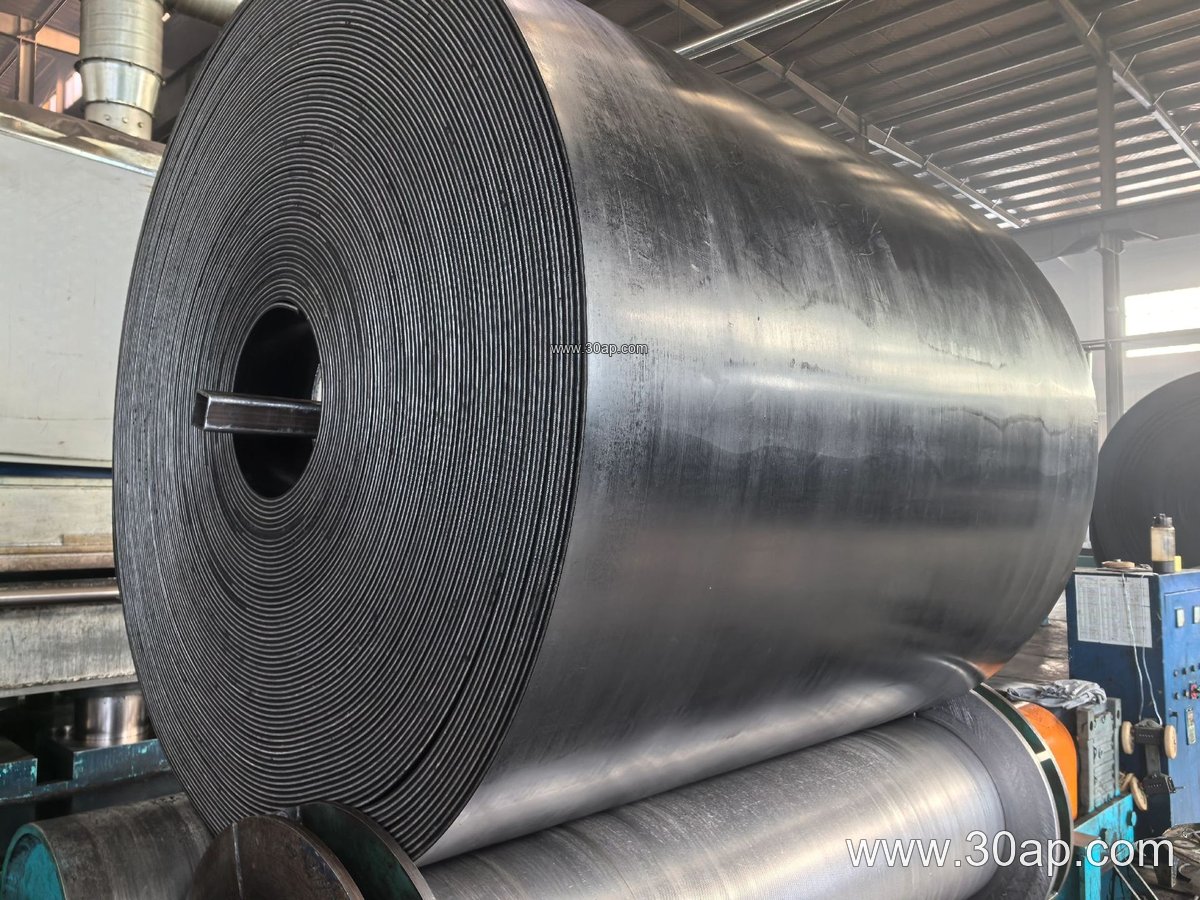
A heat resistant conveyor belt is a heavy-duty rubber conveyor belt engineered to carry hot materials such as cement clinker, sinter, coke, foundry sand, and ash without premature cover cracking or carcass degradation. In plants where material leaves a kiln, cooler, or furnace at elevated temperature, this high temperature conveyor belt protects the entire conveying line from heat-related downtime. The same product is also called a high temperature resistant conveyor belt, and both names refer to the same construction: a heat-resistant rubber cover over a heat-stable carcass.
Construction and Materials
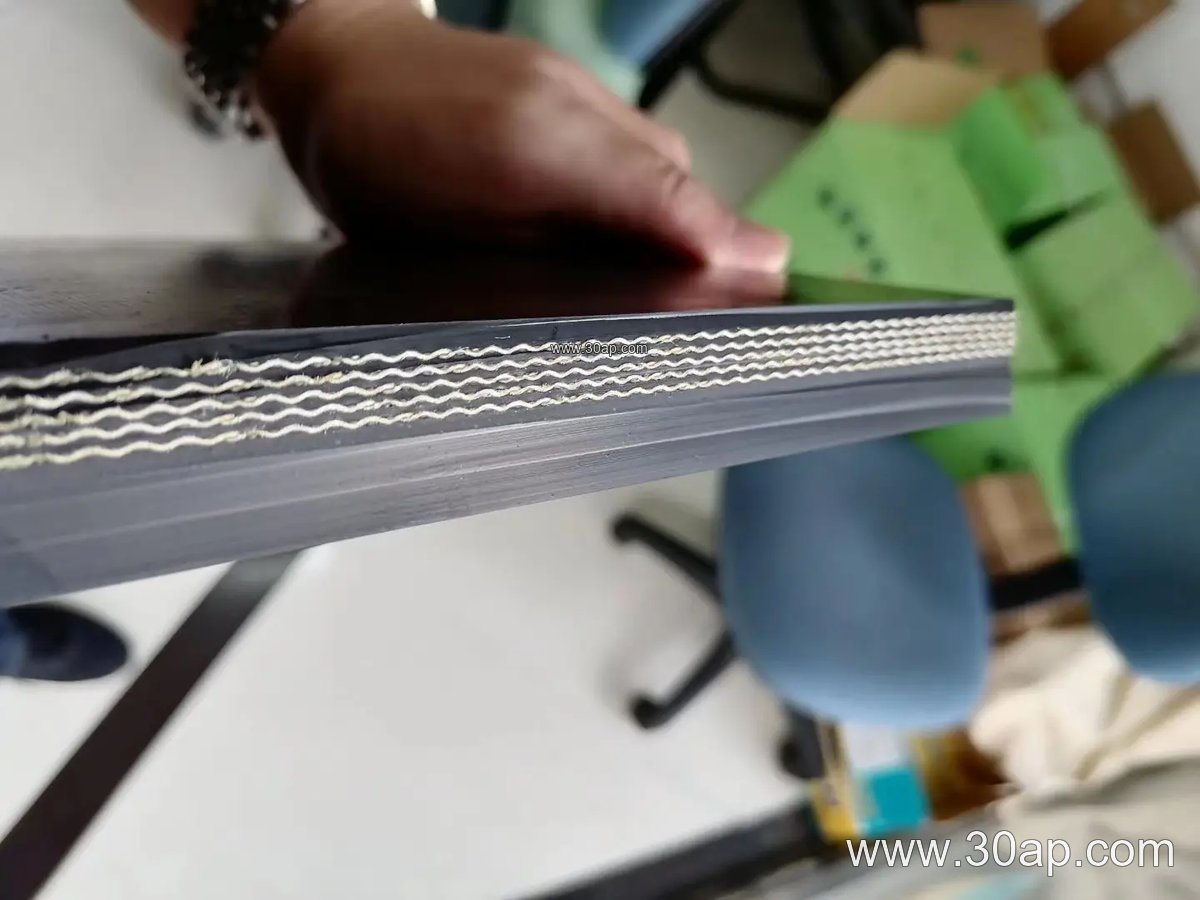
The belt typically combines a fabric core or steel cord tension member with specially formulated cover compounds. The carcass may be EP fabric (EP conveyor belt), NN nylon (NN conveyor belt), or steel cord (steel cord conveyor belt), depending on tension and heat exposure. Heat resistant grades usually use EPDM or SBR-based compounds with heat-stabilizing additives in the top cover, while the bottom cover protects against pulley contact and abrasion. Common cover thickness combinations include 4+2 mm, 5+2 mm, 6+2 mm, and 8+3 mm, with fabric cores from 2 to 6 plies. Strength grades such as EP200, EP315, EP400, EP500, EP630, EP800, EP1000, EP1250, EP1600, and EP2000 are frequently referenced when specifying a heat resistant conveyor belt.
Typical Reference Data
| Parameter | Common Reference Range |
|---|---|
| Belt width | B500, B650, B800, B1000, B1200, B1400, B1600, B1800, B2000 mm |
| Fabric strength grade | EP200 to EP2000; NN100 to NN400 |
| Cover thickness | 3+1.5, 4+2, 5+2, 6+2, 8+3 mm |
| Carcass plies | 2 to 6 plies (fabric core) |
| Steel cord grades | ST1000, ST1250, ST1600, ST2000, ST2500, ST3150 |
These values are reference data, not universal specifications; final selection depends on material temperature, lump size, and conveyor design.
Where It Is Used
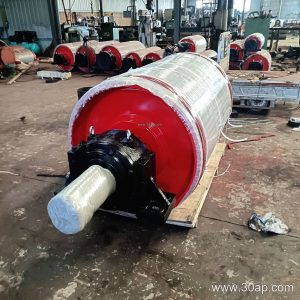
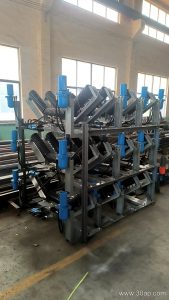
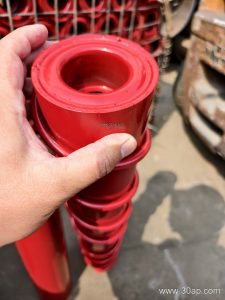
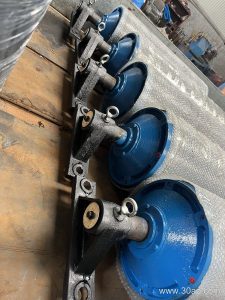
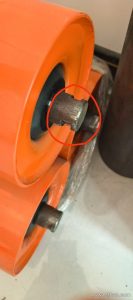
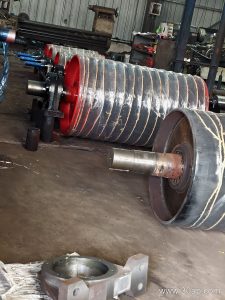
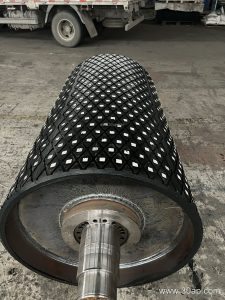
Heat resistant conveyor belts appear in cement plants handling clinker, in power plants moving ash and slag, in steel plants carrying sinter and coke, and in foundries and mineral processing lines. They also serve in lime kilns and some mining operations where processed ore retains heat. In these settings, the belt works alongside conveyor pulleys, idler rollers, and conveyor brackets that must also tolerate heat and abrasive dust. For very hot loads, a corrugated sidewall conveyor belt or a skirted conveyor belt may be used to contain material, but those are separate designs and not replacements for the heat resistant belt itself.
Selection Points for Buyers
- Material temperature: confirm the actual surface temperature of the load and any radiant heat from the source.
- Strength and width: match the EP or steel cord grade and belt width to the conveyor’s tension and capacity requirements.
- Cover compound: verify the heat resistance class and consider abrasion resistance if the material is also sharp or abrasive.
- Pulley and idler compatibility: check that drive, tail, and bend pulleys are sized for the belt thickness and that idler rollers can handle the operating temperature.
- Related properties: in coal or underground mining, a flame retardant conveyor belt or anti-static conveyor belt may be required in addition to heat resistance.
Where the environment also involves oil, cold, or chemicals, buyers should compare oil resistant conveyor belt, cold resistant conveyor belt, and chemical resistant conveyor belt options rather than assuming one compound covers all conditions.
Installation and Maintenance Notes
Proper belt tracking and tension reduce edge damage and cover wear. Inspect the heat resistant conveyor belt for cover hardening, cracks, and exposed carcass, especially near transfer points where hot material impacts the surface. Keep conveyor pulleys and idler rollers clean and aligned, and check conveyor brackets for looseness that can cause misalignment. For high-temperature duty, avoid sudden stops that leave hot material sitting on one section of the belt. Spare belts should be stored away from direct sunlight and heat sources.
Whether the line runs in a quarry, coal mining operation, cement plant, or port, the heat resistant conveyor belt is one part of a system that includes idler rollers, conveyor pulleys, and conveyor brackets working together. Selecting the belt by temperature, strength, and cover grade helps maintain reliable bulk material handling.