What a Parallel Idler Is
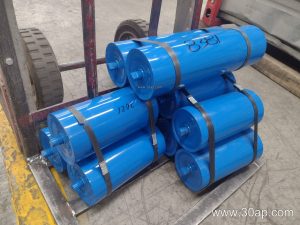
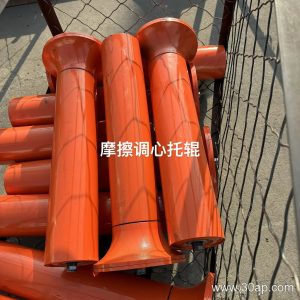
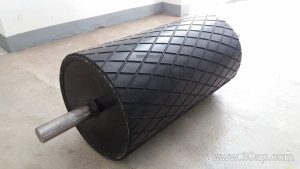
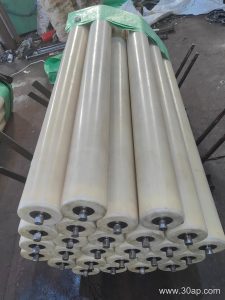
A parallel idler is a straight, non-troughed carrying roller mounted on the load side of a belt conveyor. Its axis is parallel to the belt surface, so the belt runs flat across the roller instead of being shaped into a trough. In many plants the same component is simply called a flat carrying idler or a flat belt idler, and the two names describe the same product. It should not be confused with a conveyor pulley: drive, tail and bend pulleys are different assemblies that transmit power or change belt direction, while a parallel idler only supports the belt and the material on it.
This flat arrangement is common where the belt is narrow, where the load is light or uniformly spread, or where a flat belt path is needed for a transfer point, inspection station or a specific process. Around a crusher discharge, a screening deck or a conveyor bracket assembly, the flat profile can simplify the belt line and keep the material bed stable.
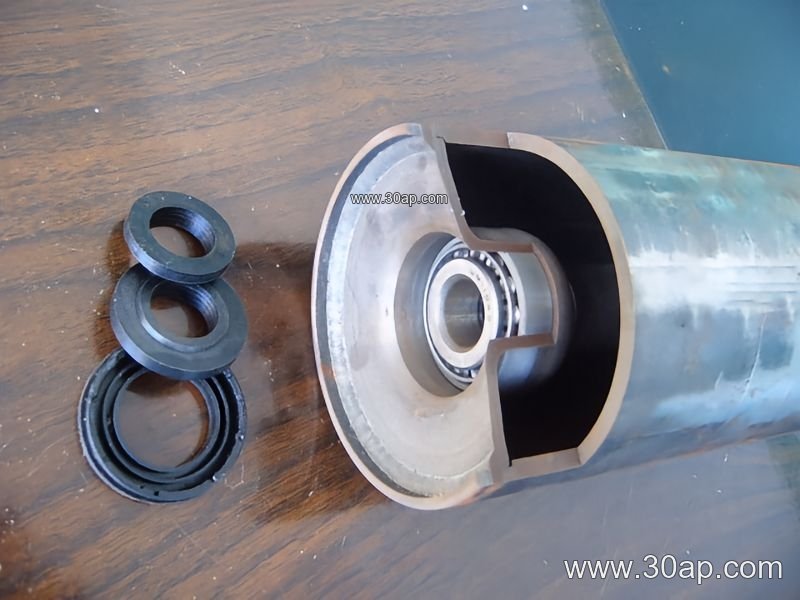
Construction and Working Parts
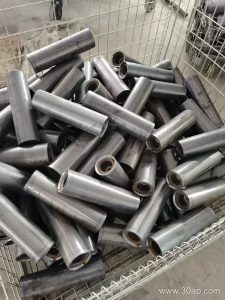
The body is usually a steel tube with machined ends, fitted with bearing housings and sealed bearings. Roller surfaces may be plain steel, nylon, ceramic or rubber-covered depending on the duty. Seals are the quiet workhorses of the design: in dusty conditions such as a quarry, a cement plant or a coal handling system, good labyrinth sealing keeps grit away from the bearing and extends service life.
Bearing selection follows load and speed rather than a single fixed rule. Common bearing sizes in this family include 6204, 6205, 6305, 6306, 6308 and 6310, and a given roller diameter may be built with more than one bearing option. Shaft diameter is a design decision based on load, span and frame, not something that can be read from belt width alone.
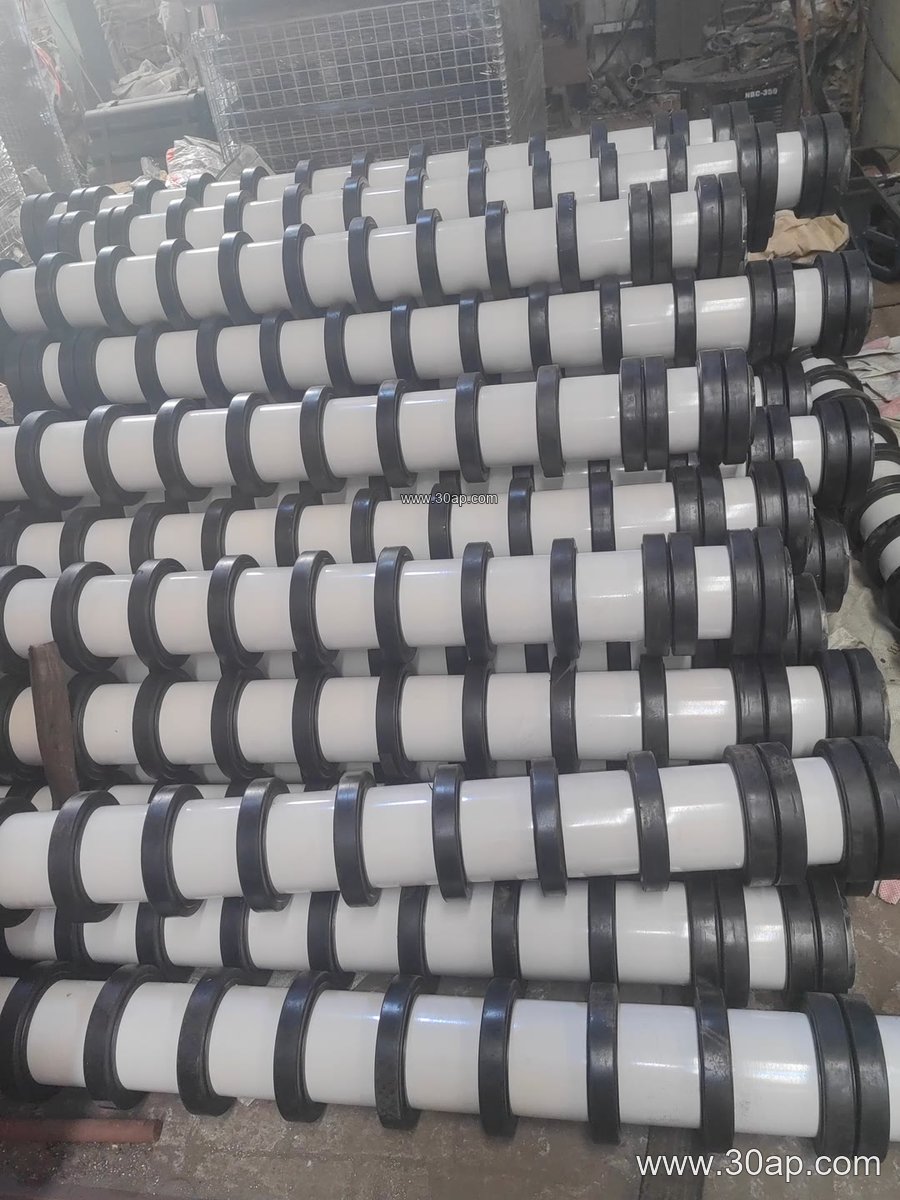
Common reference data for flat carrying rollers
| Parameter | Typical range or example |
|---|---|
| Roller diameter | Ø63, Ø76, Ø89, Ø102, Ø108, Ø127, Ø133, Ø159 mm |
| Belt width | B400, B500, B650, B800, B1000, B1200, B1400, B1600 mm |
| Roller length (flat single roller) | Usually matched to belt width and frame; confirmed by design |
| Bearing | 6204, 6205, 6305, 6306, 6308, 6310 |
| Surface | Steel tube, nylon, ceramic, rubber ring |
These values are reference examples, not a fixed matching table. A 500 mm or 650 mm belt may use a short single roller, while wider belts often move to troughed arrangements for better material containment.
Where It Fits on the Conveyor
On the carrying side, a flat idler is often used at the tail end before the belt enters a troughing set, at a discharge or transfer point, or along a section where the material is already spread evenly. In a sand and gravel line or an aggregate conveyor, flat rollers can support the belt through a flat transition near a screen or a magnet. In a power plant coal yard, they may appear on lighter service belts or in inspection zones. The flat profile also suits certain recycling and food-grade lines where a clean, open belt path matters.
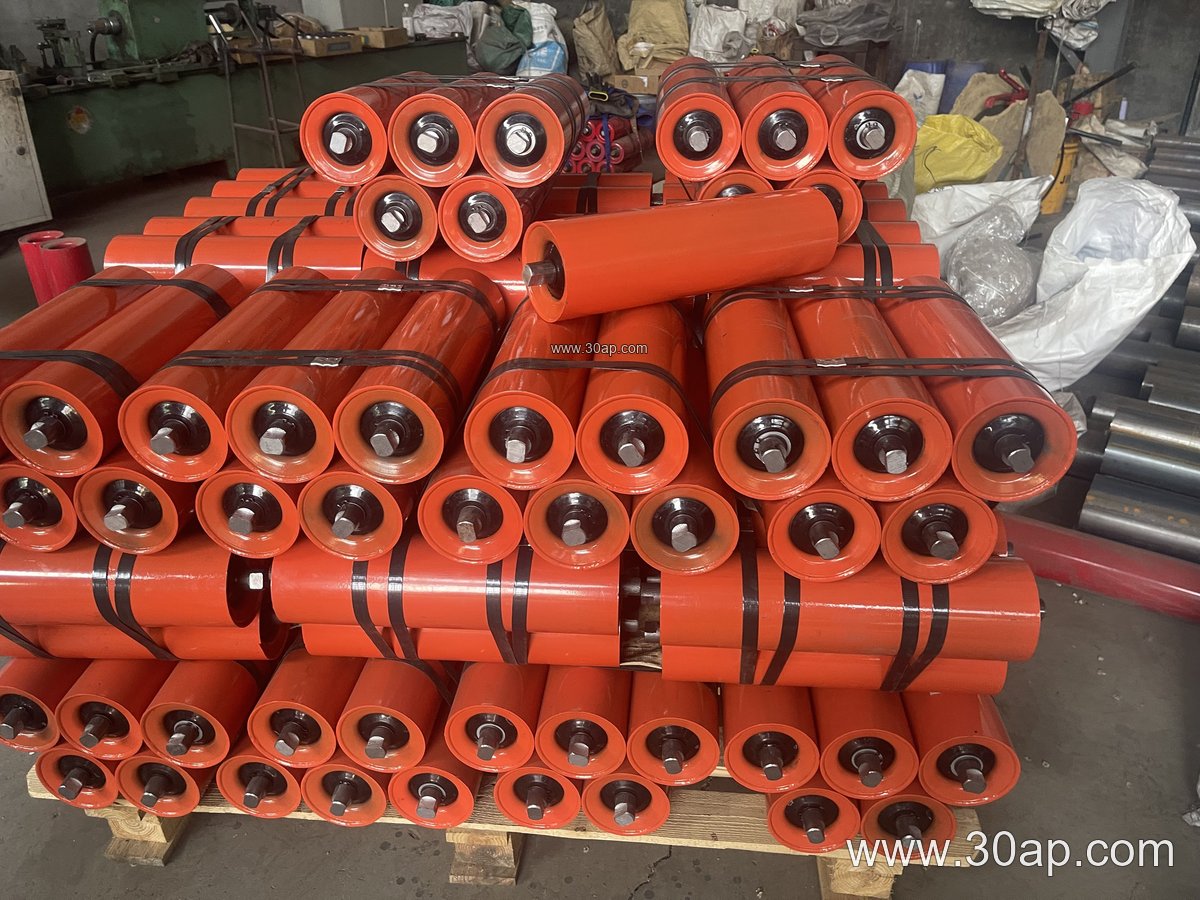
Because it does not form a trough, a parallel idler offers less material containment than a three-roll troughing set. That is why it is usually chosen for flat belts, low capacities or special positions, while a 30-degree or 35-degree troughing arrangement handles higher bulk loads. The comparison is about duty, not about one part replacing another.
Selection Notes for Buyers
- Confirm the belt width and the actual frame dimensions, since roller length follows the conveyor design and the idler group form.
- Match roller diameter and bearing class to load, belt speed and ambient conditions; dusty or wet sites benefit from stronger sealing.
- Check the belt surface and material: an abrasion resistant conveyor belt, a heat resistant conveyor belt or an oil resistant conveyor belt each places different demands on the roller cover and bearing protection.
- Consider the whole line: a heavy-duty mining conveyor belt or a steel cord conveyor belt may run at high tension and speed, so roller balance and bearing quality matter more than on a short transfer belt.
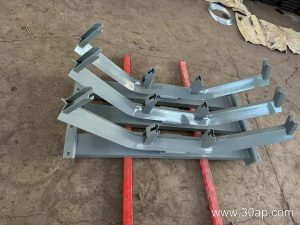
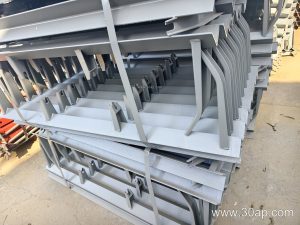
- Ask for the mounting dimensions, shaft end type and frame compatibility so the roller fits the existing conveyor bracket without field modification.
Maintenance is straightforward. Inspect for seized rollers, worn shells, damaged seals and material buildup, and replace units that no longer turn freely. Keeping the belt tracking straight and the frame clean reduces side loads and extends roller life. For a flat section feeding a troughed run, a smooth transition also protects the belt edge and avoids premature cover wear.
Whether the line handles ore, clinker, coal or grain, the parallel idler remains a simple, low-profile support component. Correct sizing, sensible sealing and regular inspection are what keep it working quietly under the belt.