What the EP1250 Conveyor Belt Is
The EP1250 conveyor belt is a fabric-core rubber belt built around polyester (EP) warp and nylon weft cords. Its designation places it in the high-tensile range of EP belting, with a nominal breaking strength of 1250 N/mm per ply. This makes it a practical choice for main haulage lines in mines, quarries, cement works, power stations and port terminals where single-flight distances are long and tonnages are heavy. As an EP rubber conveyor belt, it balances strength with flexibility, and it can be supplied with covers tuned for abrasion resistance, heat exposure or flame retardancy depending on the site.
Construction and Layer Structure
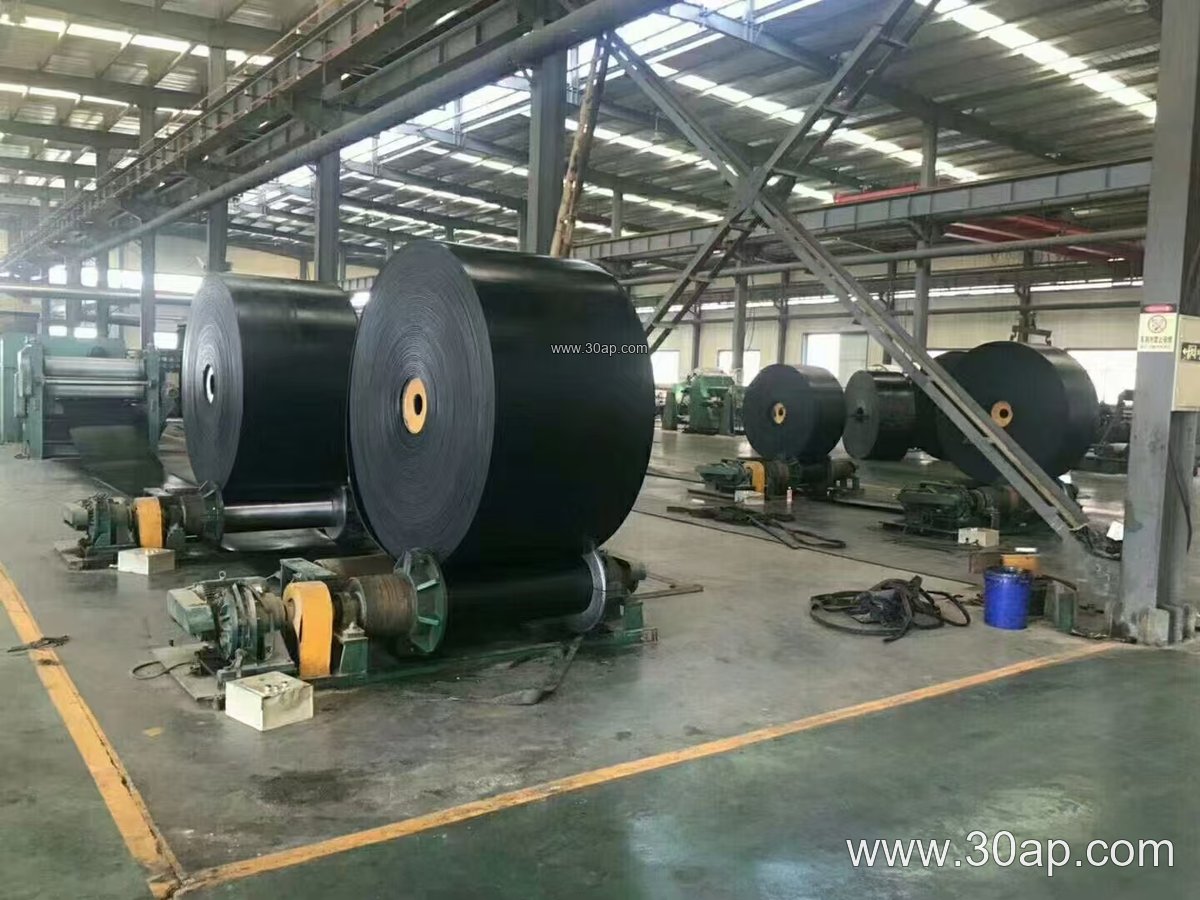
The carcass typically carries two to six EP plies, bonded under heat and pressure. The EP fabric gives low elongation and good resistance to moisture, which suits both above-ground and underground mining conveyor routes. Top and bottom covers are usually specified as combined thicknesses such as 5+2 mm, 6+2 mm or 8+3 mm, with the heavier build used where sharp rock or hot clinker is present. Buyers should treat these as common reference builds rather than fixed values, because cover grade and ply count are set by the duty and by the pulley arrangement on the conveyor.
Edge construction matters as much as the centre. Cut edges are normal for many EP belts, while moulded edges reduce fraying on reversing or training-sensitive lines. A well-made EP fabric core conveyor belt will show even ply separation and a clean cover-to-carcass bond when inspected on delivery.
Typical Working Conditions and Industries
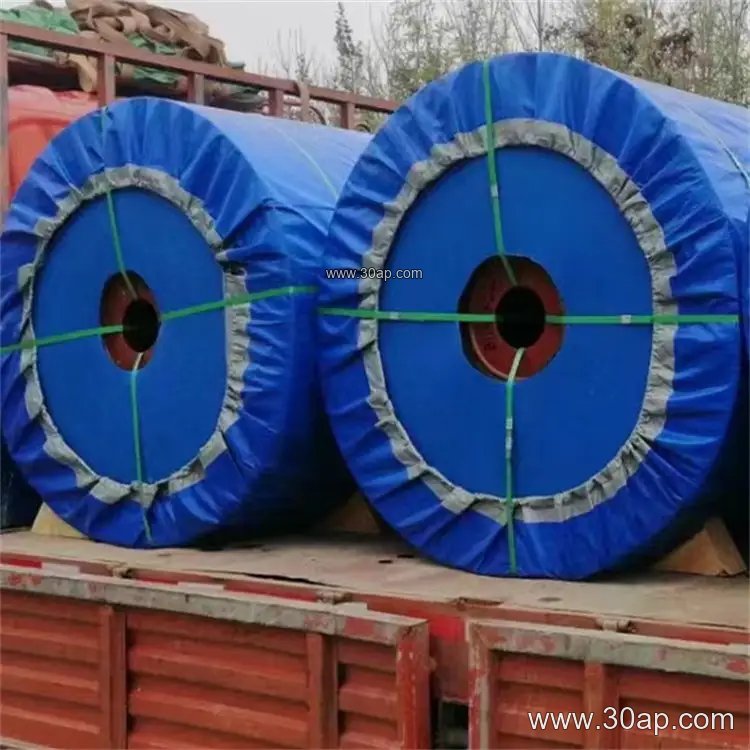
This belt width and strength class appear in primary crushing circuits, overland conveying in coal mining, raw meal and clinker transport in cement plants, and limestone handling at quarries. In a coal mining conveyor belt role, flame retardant and anti-static grades are often requested; in a power plant conveyor belt line, heat resistant covers help where material arrives warm. The same belt family is used as a quarry conveyor belt, an aggregate conveyor belt and a crusher conveyor belt, and it can serve as an ore conveyor belt on iron ore or copper ore duty.
Where the route climbs steeply, a chevron conveyor belt or a corrugated sidewall belt may be considered instead, but those are different profiles and should not be confused with the flat EP1250 product. For very long, high-tension routes, a steel cord conveyor belt may be the better structural answer. The EP1250 sits between light NN belting and heavy steel cord belting, and it remains a workhorse for medium-to-heavy bulk material conveyor belt systems.
Specifications a Buyer Should Confirm
No single width or cover thickness is mandatory. The table below lists common reference values that help a buyer frame an enquiry; final figures follow the conveyor design.
| Parameter | Common reference values |
|---|---|
| Belt width | B800, B1000, B1200, B1400, B1600, B1800 |
| Nominal strength | EP1250 (1250 N/mm per ply) |
| Ply count | 2 to 6 plies |
| Cover thickness | 4+2 mm, 5+2 mm, 6+2 mm, 8+3 mm |
| Cover grades | Abrasion resistant, heat resistant, flame retardant, oil resistant, anti-static |
| Edge type | Cut edge or moulded edge |
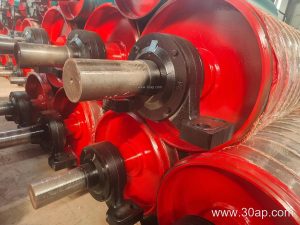
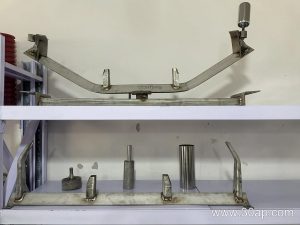
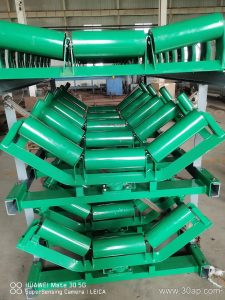
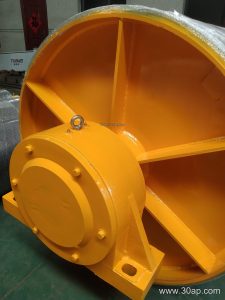
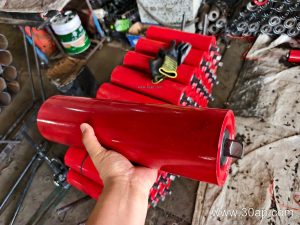
The belt width must match the conveyor pulley face and the troughing idler roller set, but width alone does not fix shaft diameter or pulley size. Those are calculated from belt tension, load and drive geometry. A 1200mm wide belt and an 1800mm wide belt can both be supplied in EP1250 grade without implying a particular pulley diameter.
Selection and Maintenance Notes
- Check the actual duty: lump size, moisture, temperature and abrasion level decide the cover grade.
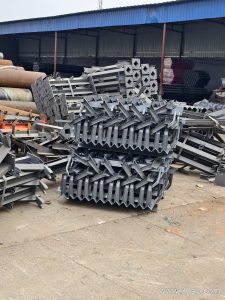
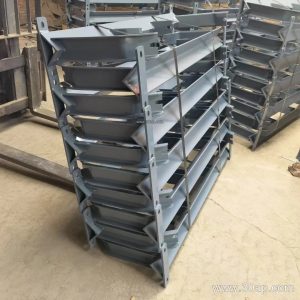
- Confirm the pulley diameters and the conveyor bracket layout before ordering, so the belt can be spliced and trained correctly.
- For underground coal work, specify flame retardant and anti-static properties and keep test documentation on file.
- Inspect idler roller alignment and pulley lagging regularly; misalignment shortens belt life more than cover wear does.
- Store spare rolls on a dry, flat surface and avoid tight bends that can crack the cover.
Where a site needs a specific surface pattern, a chevron or skirted design is a separate product line and should be ordered as such. The flat EP1250 conveyor belt remains the standard choice for straight-run, high-tonnage conveying, and it pairs well with well-maintained conveyor pulleys, idler rollers and brackets. Buyers who compare EP1250 against NN or steel cord options will find it a balanced middle ground for mining, cement and port operations.