What a Heavy-Duty Ceramic Lagged Pulley Does
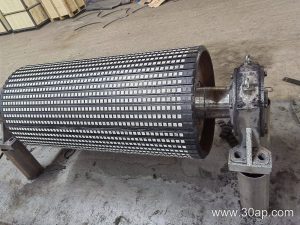
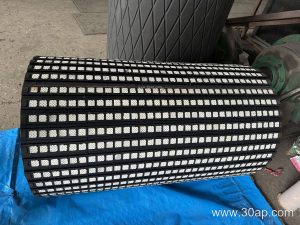
A heavy-duty ceramic lagged pulley is a conveyor pulley whose shell is covered with ceramic tiles set in a tough rubber or polymer bond. The ceramic studs bite into the conveyor belt instead of letting it slip, which matters most where the belt starts under load, where it carries wet or dusty material, or where the drive has to transmit high torque through a small arc of contact. In quarry, cement, and power plant coal handling lines, this kind of lagging is often chosen when plain rubber starts to polish and lose grip.
The same product is also called a ceramic lagging conveyor pulley or a ceramic rubber lagged pulley. Those names describe the same component; they are not different pulley types. A drive pulley, a tail pulley, and a bend pulley each do a different job, and the ceramic lagging is applied where grip and wear life justify it.
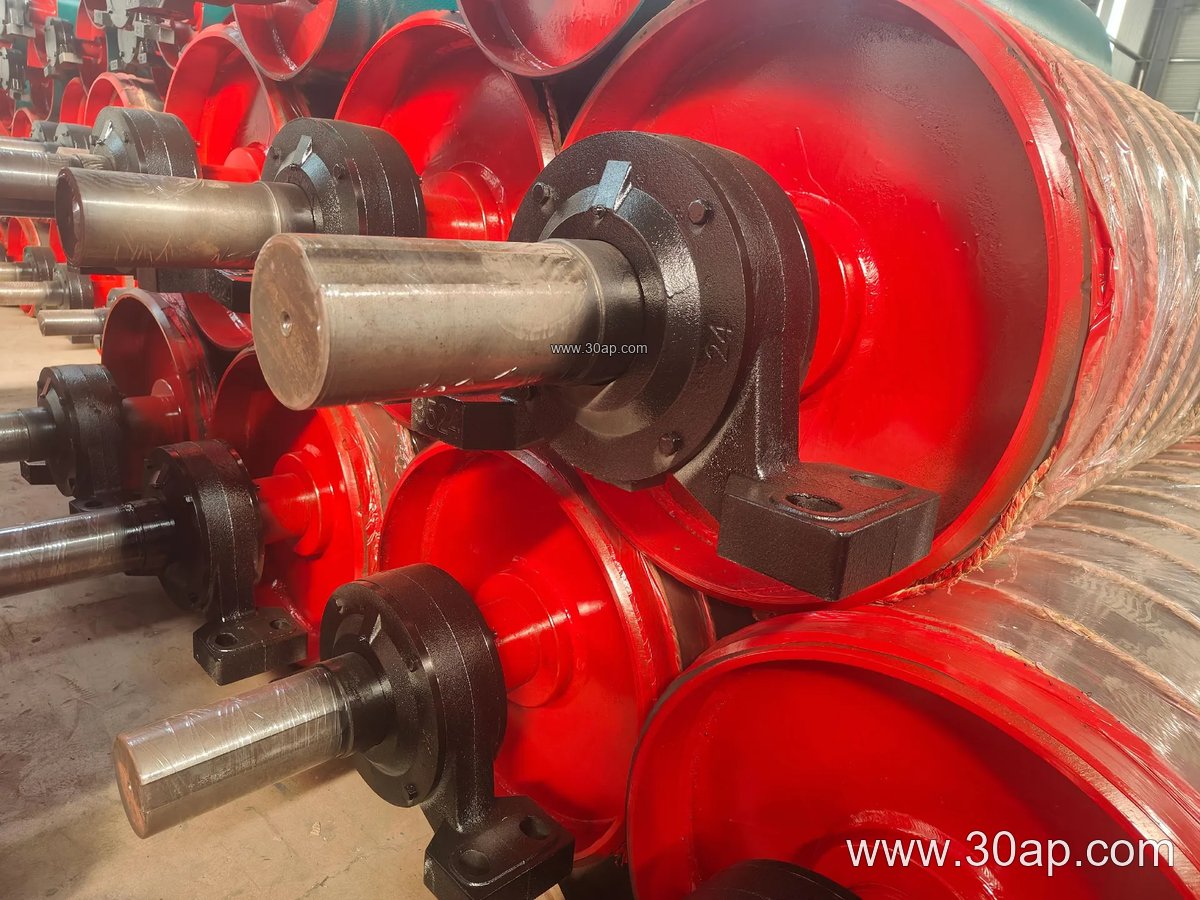
How the Ceramic Surface Is Built
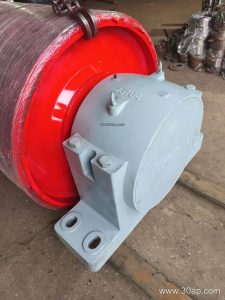
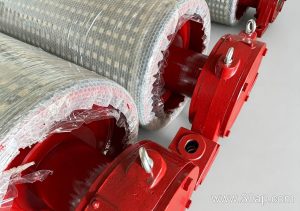
The pulley body is usually a welded steel drum with machined end discs and a shaft sized by torque and radial load rather than by belt width alone. Lagging is applied in one of two common ways: tiles bonded to a rubber sheet that is then wrapped and vulcanized onto the shell, or tiles set directly into a cast or bonded layer. Tile shape varies — square, rectangular, or diamond-pattern studs with grooves between them. The grooves let water, fines, and slurry escape so the belt does not hydroplane.
Typical lagging thickness ranges from about 8 mm to 20 mm depending on duty. The ceramic pieces themselves are hard and abrasion resistant, so the lagging keeps its profile far longer than plain rubber in gritty service. The trade-off is that the surface is less forgiving to a belt that is badly mistracked, so alignment and crown profile still need attention.
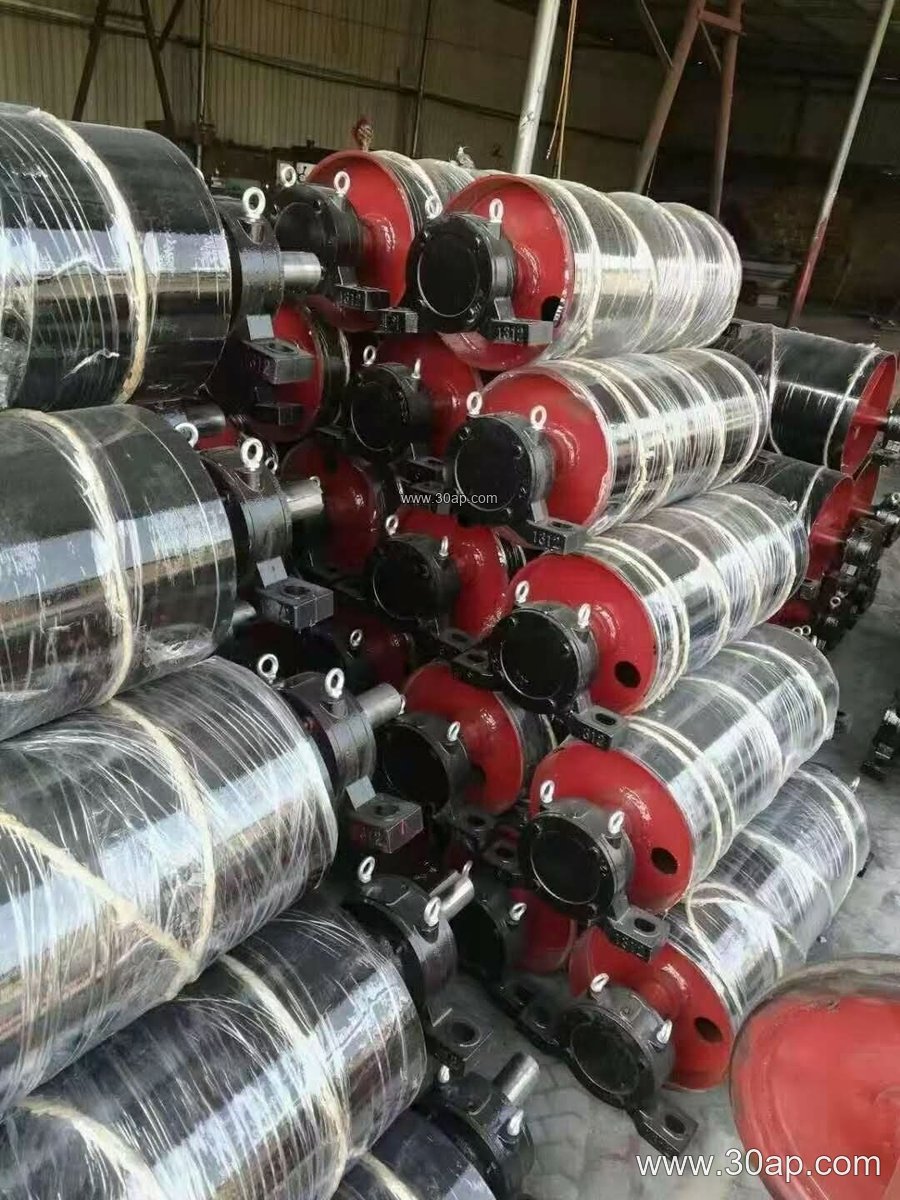
Where It Fits in a Conveying System
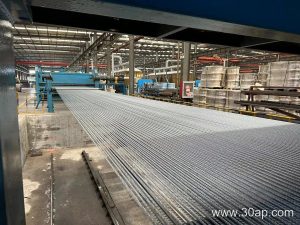
These pulleys are most often specified for the drive position on high-tension conveyors, and sometimes for a bend pulley where slip and wear are both concerns. They pair naturally with a heavy-duty conveyor belt — an abrasion resistant conveyor belt, a steel cord conveyor belt, or an EP conveyor belt — carrying ore, clinker, or coal. In a coal mining conveyor belt line or an underground mining conveyor belt installation, flame retardant conveyor belt grades are common, and the pulley lagging must be compatible with that service.
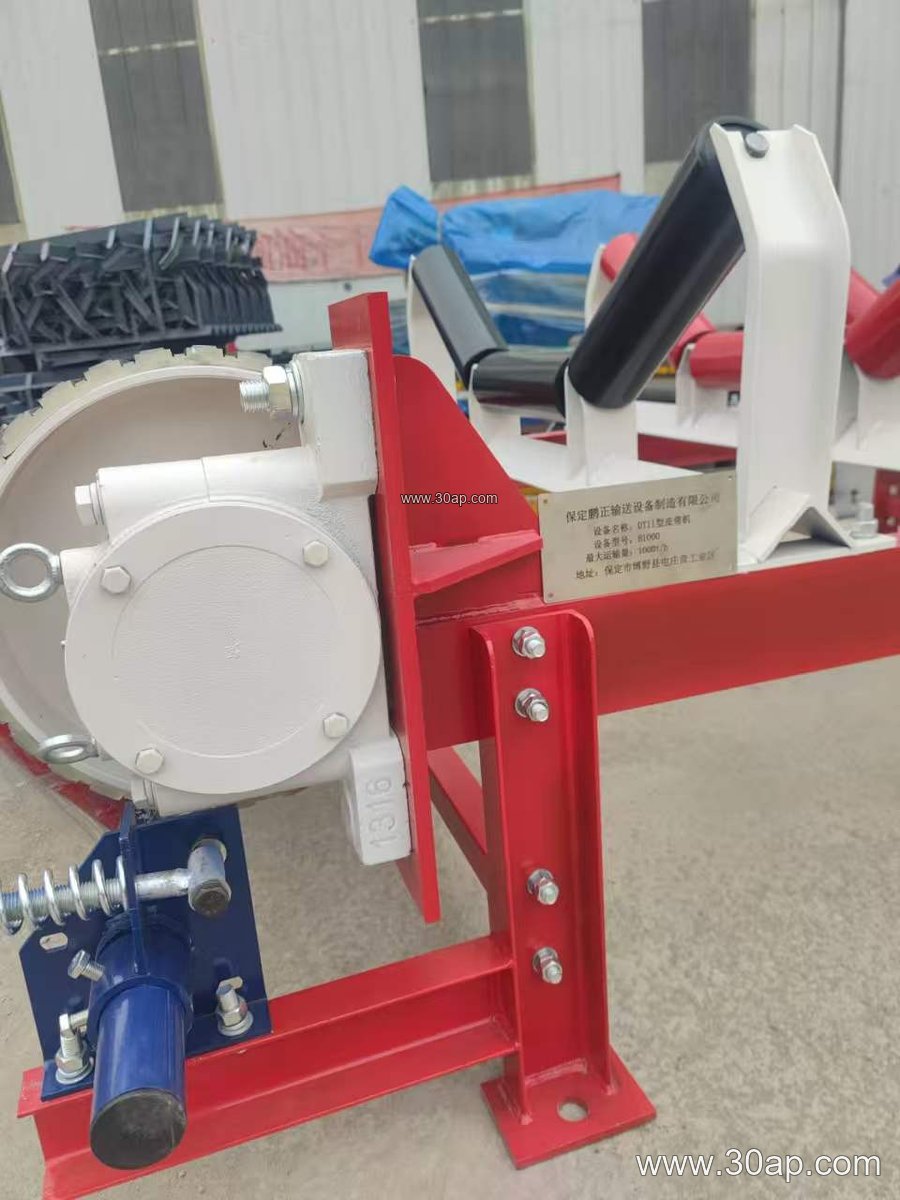
Good matching hardware helps: a properly tensioned conveyor belt, free-running idler rollers, and rigid conveyor brackets keep the belt seated on the ceramic face. If the belt is a chevron conveyor belt or a corrugated sidewall conveyor belt, check that the cleats or sidewalls clear the pulley face and that the lagging pattern does not interfere with them.
Common Size Combinations and Reference Data
The table below shows typical reference combinations, not fixed rules. Diameter is chosen from belt tension, wrap angle, and belt construction; shaft size follows from torque and load.
| Belt width | Typical pulley face width | Example diameter | Common lagging thickness |
|---|---|---|---|
| B650 | about 750 mm | Ø400 – Ø630 | 10 – 15 mm |
| B800 | about 950 mm | Ø500 – Ø800 | 10 – 15 mm |
| B1000 | about 1150 mm | Ø630 – Ø1000 | 12 – 20 mm |
| B1200 | about 1400 mm | Ø800 – Ø1250 | 12 – 20 mm |
| B1400 | about 1600 mm | Ø800 – Ø1400 | 15 – 20 mm |
| B1800 | about 2000 mm | Ø1000 – Ø1600 | 15 – 20 mm |
Shaft diameters commonly fall between Ø80 and Ø200 for these duties, but the final figure comes from the drive calculation. A B1200 belt can run on more than one drum diameter; the right choice depends on the belt’s minimum pulley diameter and the required traction.
Buyer Checklist
- Confirm the pulley position — drive, tail, bend, or take-up — because each has different traction and wear demands.
- State belt type and tension so the supplier can check lagging bond strength and ceramic pattern.
- Ask about tile retention: bonded sheets and cast-in tiles behave differently under impact.
- Check face width against belt width, allowing for mistracking.
- Review shaft, bearing, and hub details together, not in isolation.
- Plan inspection: worn or missing tiles reduce grip quickly and should be replaced early.
For operators running abrasive bulk material, a ceramic lagged drum is often the difference between a drive that holds and one that keeps polishing its lagging. Matching it to the right conveyor belt and keeping the idler rollers and brackets in good order will extend the whole system’s service life.