What an Idler Bearing Actually Does
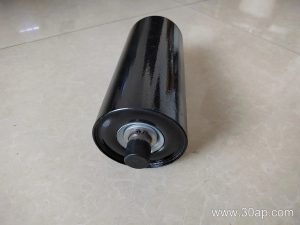
An idler bearing is the small rolling element inside a conveyor idler roller that lets the shell spin freely on a stationary shaft. It carries the load of the conveyor belt and the material on top, and it is the part that turns a simple steel tube into a low-friction rotating component. In a quarry, a coal handling plant, or a cement kiln feed line, hundreds of these bearings work quietly under dust and vibration. When one seizes, the belt drags, the roller shell wears flat, and energy consumption climbs.
The bearing is not a standalone product in most cases. It is pressed into the roller end, sealed, greased, and capped before the idler roller reaches the site. That means the bearing quality and the sealing around it matter as much as the tube wall thickness.
How an Idler Roller Bearing Is Built
A typical conveyor idler uses a deep groove ball bearing, often a 6204, 6205, 6305, 6306, 6308, or 6310 depending on shaft and load requirements. The bearing sits in a stamped or machined housing at each end of the shell. A labyrinth seal, a felt seal, or a combination of both keeps fines out. The shaft passes through the bearing bore, and the assembly is locked with retaining rings or end caps.
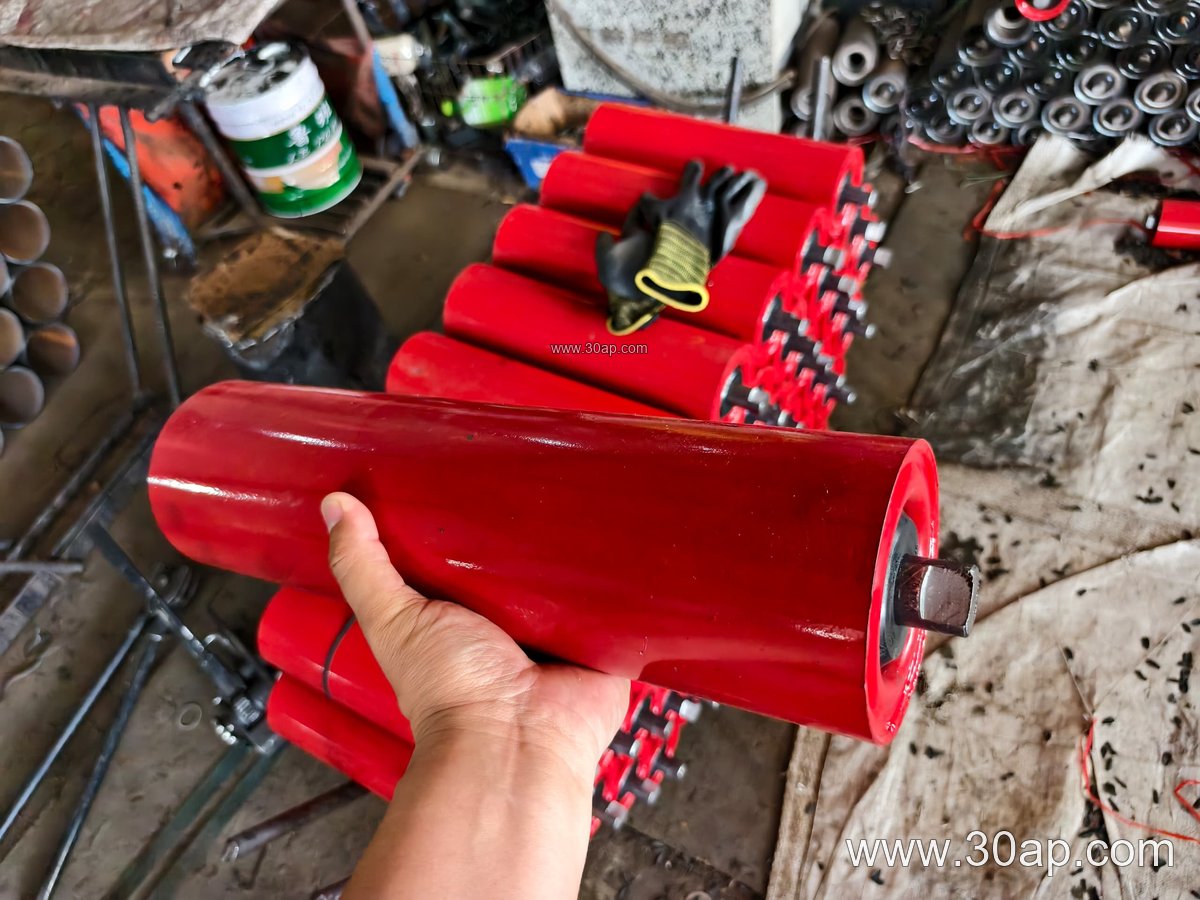
- Bearing type: deep groove ball bearing, occasionally tapered roller bearings in heavy-duty designs
- Sealing: labyrinth, contact lip seal, or multi-stage dust seal
- Lubrication: factory-filled grease, sometimes with a regreasing port
- Housing: pressed steel or machined bearing housing welded into the roller end
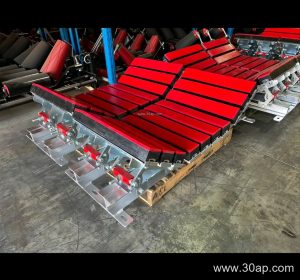
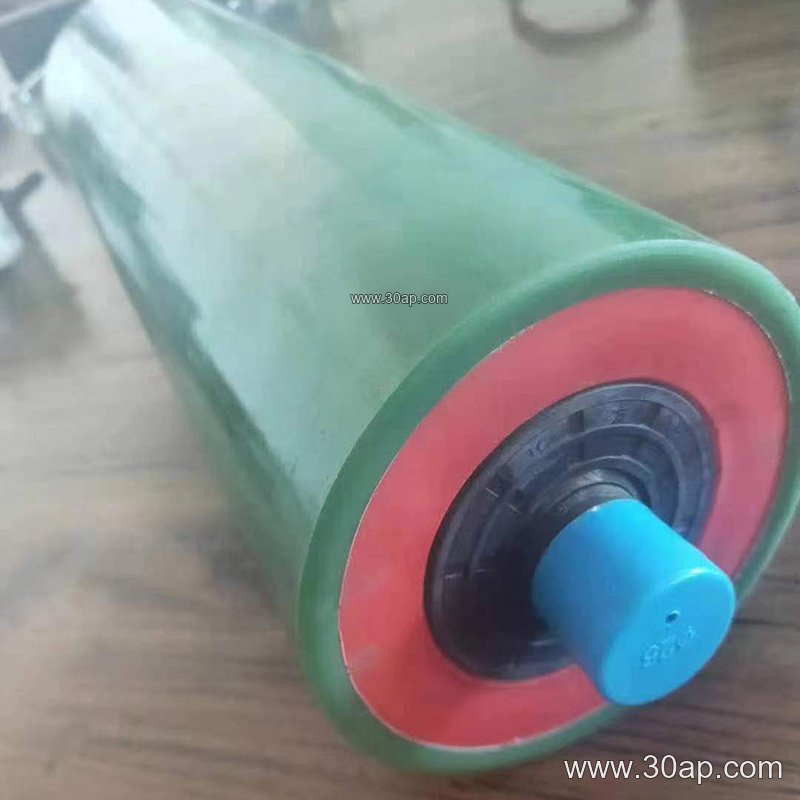
Roller surface materials such as steel tube, nylon, ceramic, or rubber rings change the wear behavior, but the bearing remains the rotating core. A rubber-disc impact roller used at a transfer point still relies on the same bearing principle, just with a different shell and mounting arrangement.
Where These Bearings Are Used
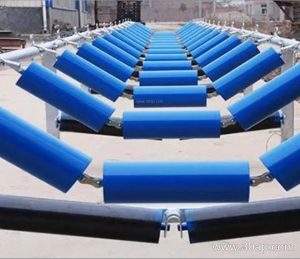
Idler bearings appear wherever a conveyor belt runs on rollers. That includes the carrying side and the return side. Troughing idlers, flat return rollers, V-return sets, and self-aligning idlers all contain them. In a limestone mine, a three-roll troughing set may use 35-degree trough angle rollers with 108 mm or 127 mm diameter shells, each with its own bearing pair. In a power plant coal yard, wider belts such as B1200 or B1400 use longer rollers, but the bearing size is selected from load and shaft diameter, not from belt width alone.
They also appear in conveyor pulleys, though the bearing arrangement there is usually larger and designed for the full belt tension. Drive pulleys, tail pulleys, and bend pulleys each use their own bearing housings, and these are not interchangeable with idler bearings.
Common Roller and Bearing Reference Values
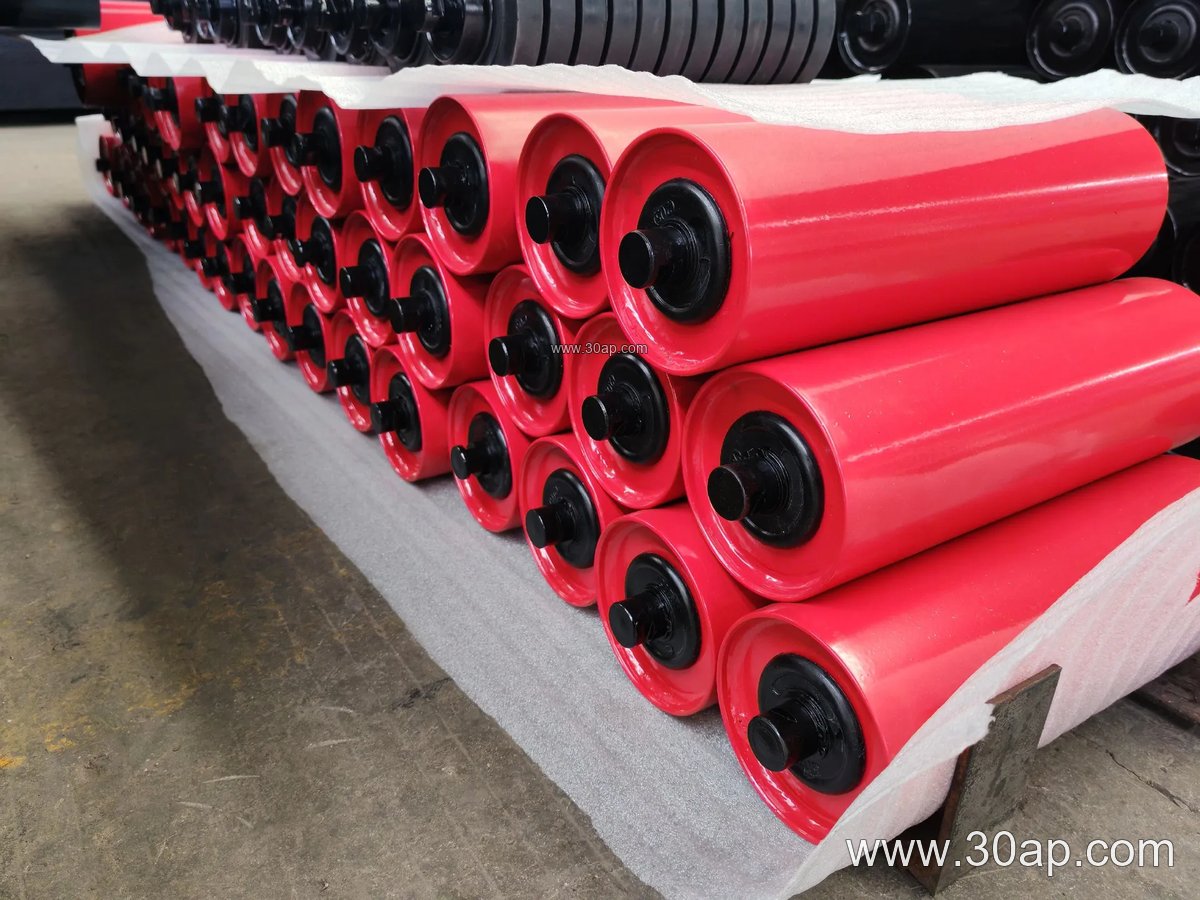
The table below shows typical combinations seen in conveyor idler catalogs. Treat these as reference values, not fixed rules. Actual selection depends on load, speed, environment, and shaft design.
| Roller diameter | Common bearing | Typical belt width range | Typical application |
|---|---|---|---|
| Ø63 mm | 6204 | B400–B650 | Light-duty return rollers |
| Ø76 mm | 6204 / 6205 | B500–B800 | Small aggregate conveyors |
| Ø89 mm | 6205 | B650–B1000 | General troughing idlers |
| Ø102 mm | 6205 / 6305 | B800–B1200 | Medium-duty carrying idlers |
| Ø108 mm | 6305 | B800–B1400 | Quarry and cement plant conveyors |
| Ø127 mm | 6306 / 6308 | B1000–B1600 | Heavy-duty troughing sets |
| Ø133 mm | 6308 | B1200–B1800 | Coal handling and power plants |
| Ø159 mm | 6308 / 6310 | B1400–B2000 | High-load main conveyors |
| Ø178 mm | 6310 | B1600–B2200 | Mining and port bulk handling |
| Ø194 mm | 6310 | B1800–B2400 | Very heavy-duty applications |
| Ø219 mm | 6310 | B2000–B2400 | Large tonnage primary conveyors |
Roller length varies with belt width and trough angle. For a three-roll troughing set, common roller lengths are about 200 mm for B500, 250 mm for B650, 315 mm for B800, 380 mm for B1000, 465 mm for B1200, 530 mm for B1400, 600 mm for B1600, 670 mm for B1800, and 750 mm for B2000. Side rollers and center rollers can differ. These are examples, not fixed pairings.
What Buyers Should Check Before Ordering
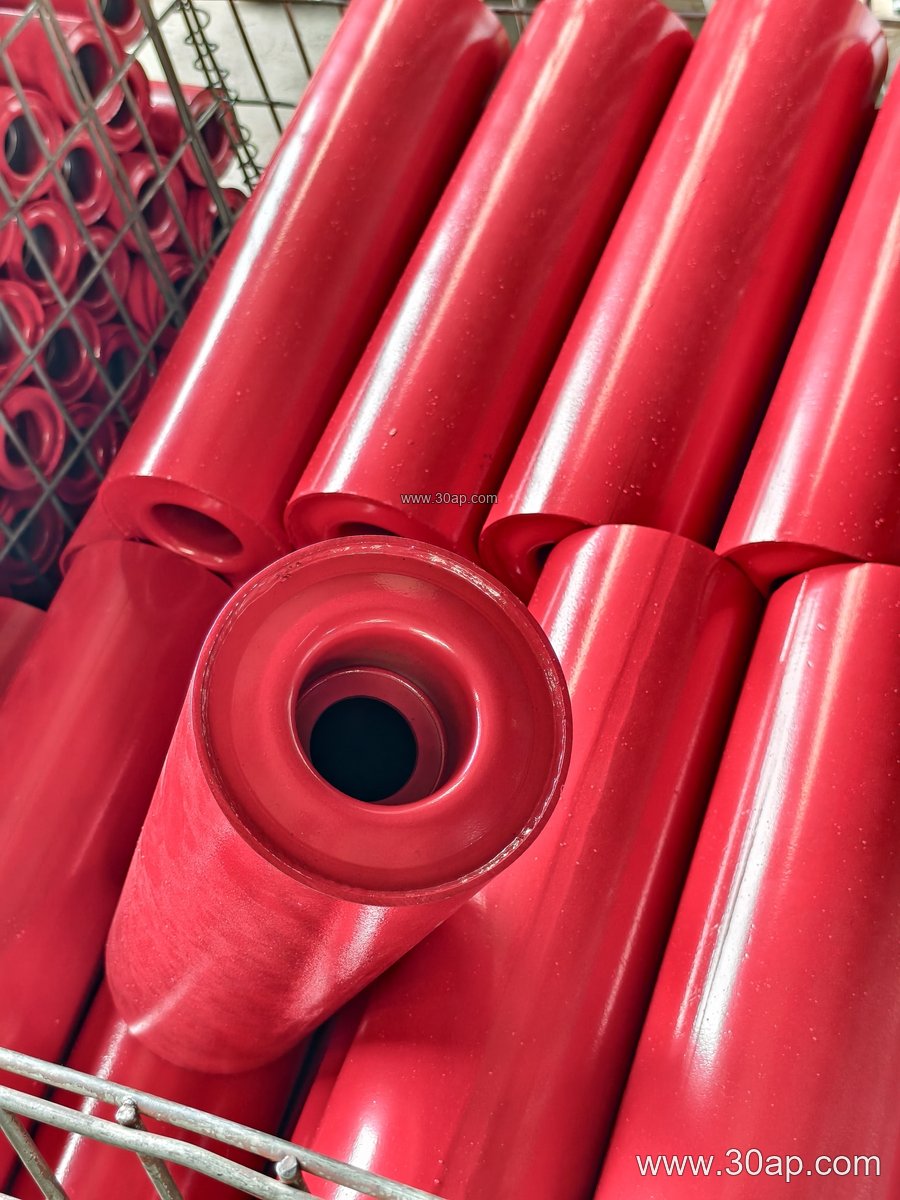
Start with the shaft diameter and the bearing bore. A bearing that fits the shaft but not the housing will not work, and a bearing that fits the housing but is undersized for the load will fail early. Ask for the bearing number, the seal type, and the grease specification. In dusty sites such as a crushing and screening plant or a tunnel muck conveyor, a labyrinth seal is often preferred over a simple contact seal.
Consider the environment. A wash-down area in a concrete mixing plant may need better sealing than a dry limestone conveyor. A fertilizer plant may need corrosion-resistant housings. A steel mill sinter line may need heat-tolerant grease. None of these requirements change the basic idler bearing function, but they change the specification.
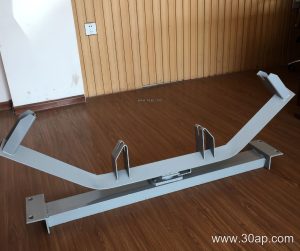
Finally, match the idler roller to the conveyor bracket and frame. A roller with the right bearing but the wrong shaft end will not sit in the bracket properly. Buyers should confirm the shaft end shape, the flat or groove position, and the mounting distance before placing an order.
Maintenance Notes
Listen for squealing or rumbling rollers during walk-by inspections. A failed idler bearing often announces itself before it locks up. Replace rollers in sets when several show wear, and keep spare bearings or complete rollers on hand for critical conveyors. In a port or power plant with continuous operation, a small stock of common sizes such as Ø108 mm and Ø133 mm rollers can prevent long downtime.