What an Aggregate Conveyor Pulley Does
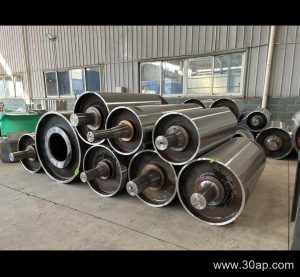
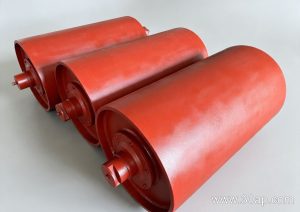
On a crushing and screening line, an aggregate conveyor pulley is the rotating drum that turns the conveyor belt, carries its tension, and sets the belt path between the crusher discharge and the stockpile. It is a structural and wear part at the same time, so the drum shell, shaft, hub, and lagging all matter. In aggregate service the material is abrasive and the loading is rarely steady, which is why the pulley is usually matched to the duty at each position rather than treated as a single catalog item.
An accurate equivalent name is conveyor drum pulley. Both terms describe the same assembly. Position and function decide the subtype, and those subtypes are not interchangeable: a drive pulley transmits torque, a tail pulley returns the belt, and a bend pulley changes direction only. The notes below treat the aggregate conveyor pulley as the main subject and mention other subtypes only where the comparison is useful.
How the Drum Is Built
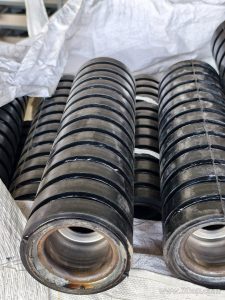
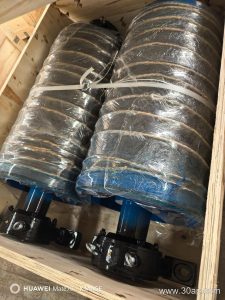
A typical unit combines a rolled steel shell, welded end discs, a through shaft or stub shafts, bearing housings, and a lagged surface. Shell thickness and shaft diameter follow the calculated torque and belt tension, not the belt width alone. Common shaft sizes include Ø80, Ø100, Ø120, Ø140, Ø160, and Ø180 mm, but the final value is determined by the drive design and bearing load.
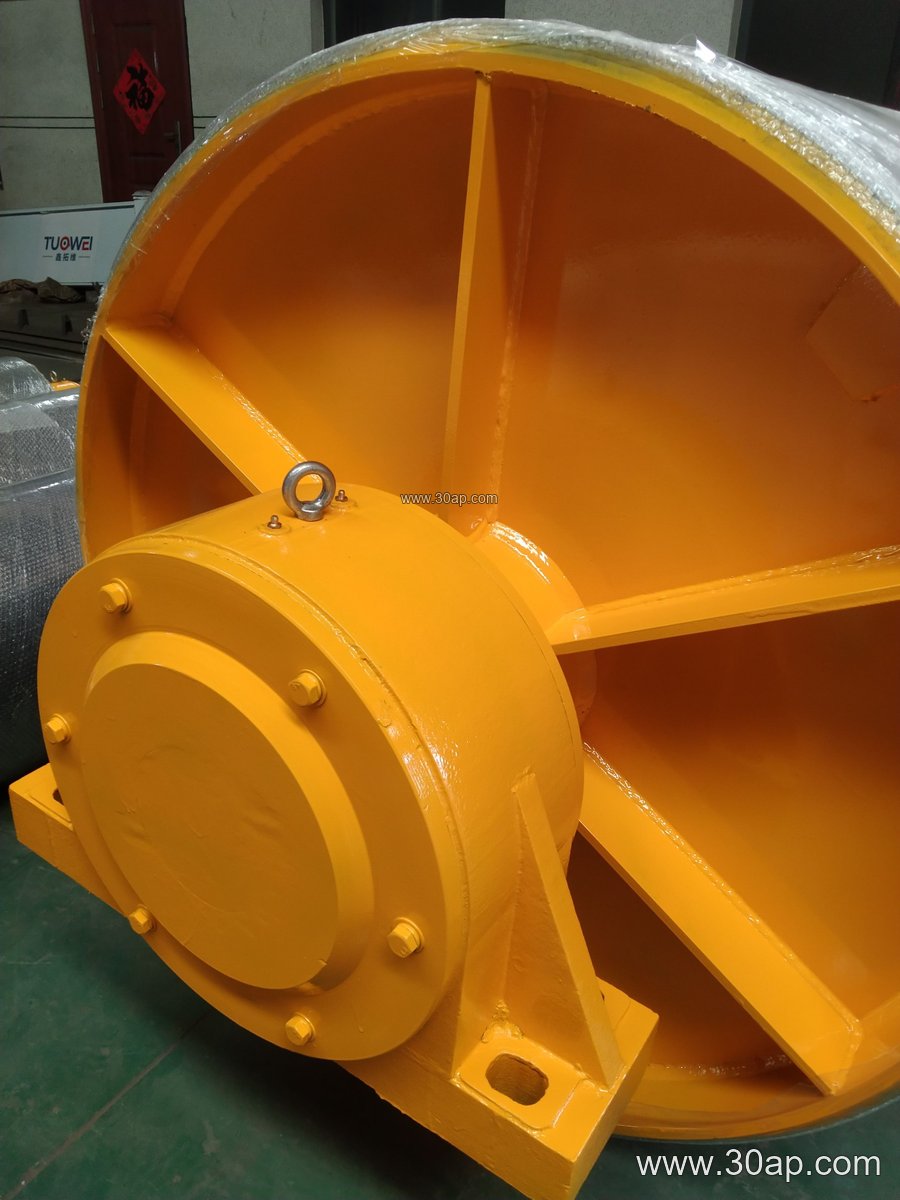
Lagging is the working surface that contacts the belt. Plain, cold-bonded rubber, hot-vulcanized rubber, diamond, herringbone, and ceramic lagging are all used in aggregate plants. Rubber thickness is commonly 8, 10, 12, 15, or 20 mm. Diamond and herringbone patterns help shed water and fines, while ceramic tiles suit highly abrasive transfer points. On a drive pulley the lagging also affects grip, so surface choice and belt tension should be reviewed together.
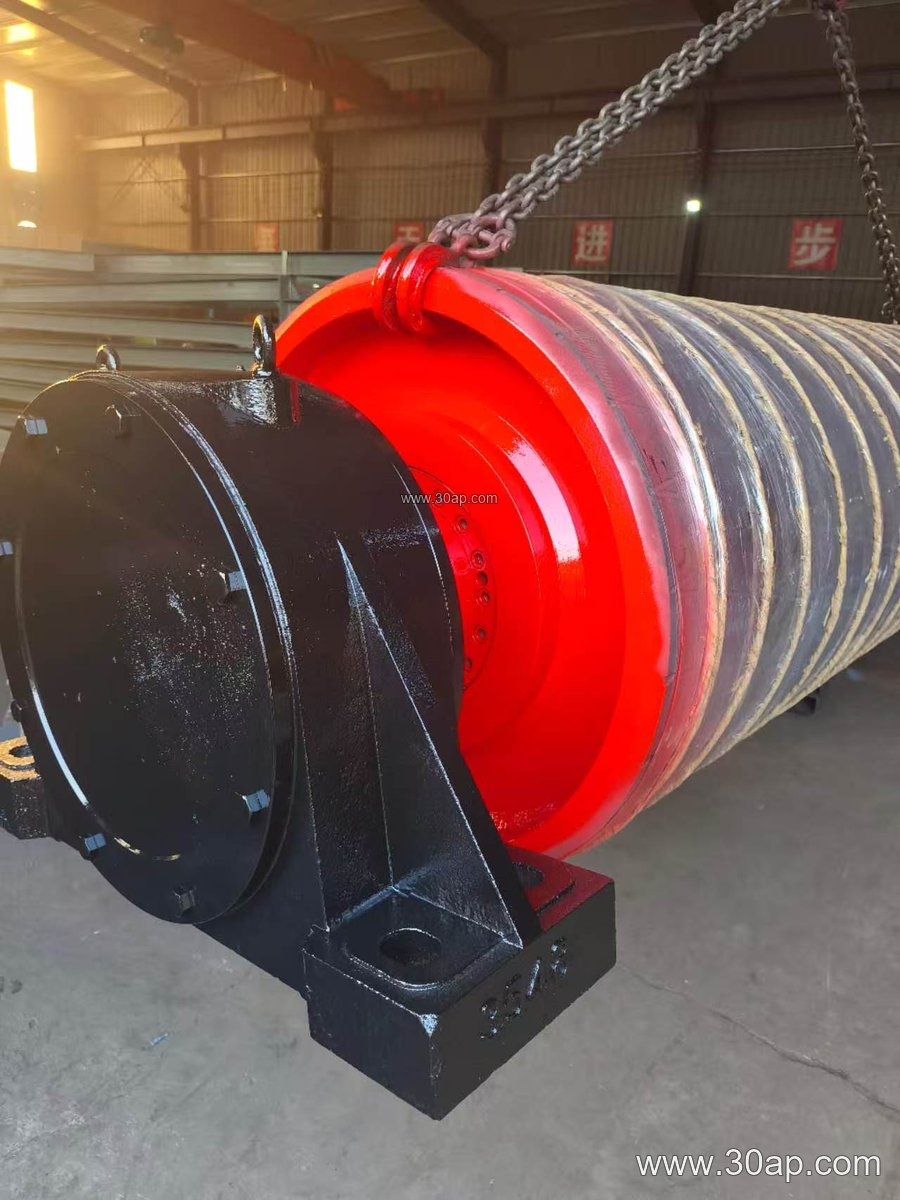
Face width is normally wider than the belt. Reference values in this product family include B500 with about 600 mm face, B800 with about 950 mm, B1000 with about 1150 mm, and B1200 with about 1400 mm. Face width and diameter are separate decisions, and one belt width does not lock the pulley to a single drum diameter.
Typical Sizes at a Glance
The table below gives common reference values for aggregate conveyor pulleys. These are design references, not universal specifications or a supply promise.
| Belt width | Typical face width | Common drum diameters | Common lagging |
|---|---|---|---|
| B500 | about 600 mm | Ø250, Ø315, Ø400 | plain or 10 mm rubber |
| B650 | about 750 mm | Ø315, Ø400, Ø500 | 10 to 12 mm rubber |
| B800 | about 950 mm | Ø400, Ø500, Ø630 | diamond or herringbone |
| B1000 | about 1150 mm | Ø500, Ø630, Ø800 | 12 to 15 mm rubber |
| B1200 | about 1400 mm | Ø630, Ø800, Ø1000 | ceramic or patterned rubber |
| B1400 | about 1600 mm | Ø800, Ø1000, Ø1250 | 15 to 20 mm rubber |
Useful combinations such as B800 × Ø500 and B1200 × Ø1000 appear in real layouts, but the same belt can run on a different drum diameter when the belt speed, wrap angle, and torque allow it.
Where It Fits in the Plant
In a limestone quarry or a sand and gravel line, the head or discharge pulley sits at the top of the conveyor and throws material into the screen or stockpile. The tail pulley at the loading end returns the belt and often carries more fines and moisture. A bend pulley may be added to increase wrap or route the belt around an obstacle. Each position sees a different load pattern, so a tail pulley and a drive pulley should be specified separately even when they share a belt width.
In a coal preparation plant or a power station coal yard, dust and fine particles make sealing and lagging choice important. In a cement plant clinker line, heat and abrasion at the transfer point can favor heavier lagging. The same aggregate conveyor pulley concept applies, but the detail changes with the material.
What a Buyer Should Confirm
- Duty position: drive, tail, bend, take-up, or snub, since these are different components.
- Belt width, belt speed, and calculated tension, which together guide drum diameter and shaft size.
- Lagging type and thickness, matched to abrasion, moisture, and grip needs.
- Bearing type, housing, and sealing suitable for the dust level at that point.
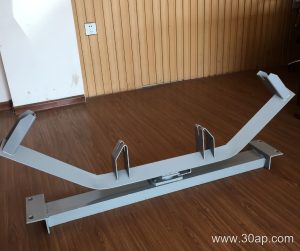
- Interface with the conveyor bracket, frame, and take-up travel.
- Balance and runout expectations, because an unbalanced drum shortens bearing life and stresses the belt.
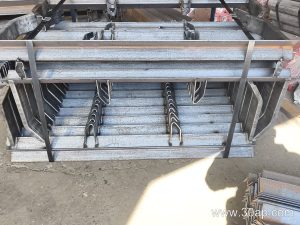
Also check how the pulley works with the conveyor belt, the idler roller spacing nearby, and the conveyor bracket dimensions at the installation point. A pulley that fits the shaft but not the bracket travel creates avoidable downtime. Correct specification starts with the actual load case, not with a size copied from another line.