What a Vertical Idler Bracket Does
A vertical idler bracket is the mounting component that holds an idler roller in a fixed position relative to the conveyor frame. In practice, the bracket acts as the interface between the roller shaft and the structure of the conveyor, keeping the roller square to the belt path and at the correct height. On a quarry conveyor or a cement plant transfer line, this small part has a direct effect on belt tracking, roller life, and the amount of spillage around the load point.
The name is sometimes shortened to vertical bracket or roller mounting bracket. It should not be confused with the carrying idler frame or the return idler set, which are different assemblies serving different positions along the conveyor.
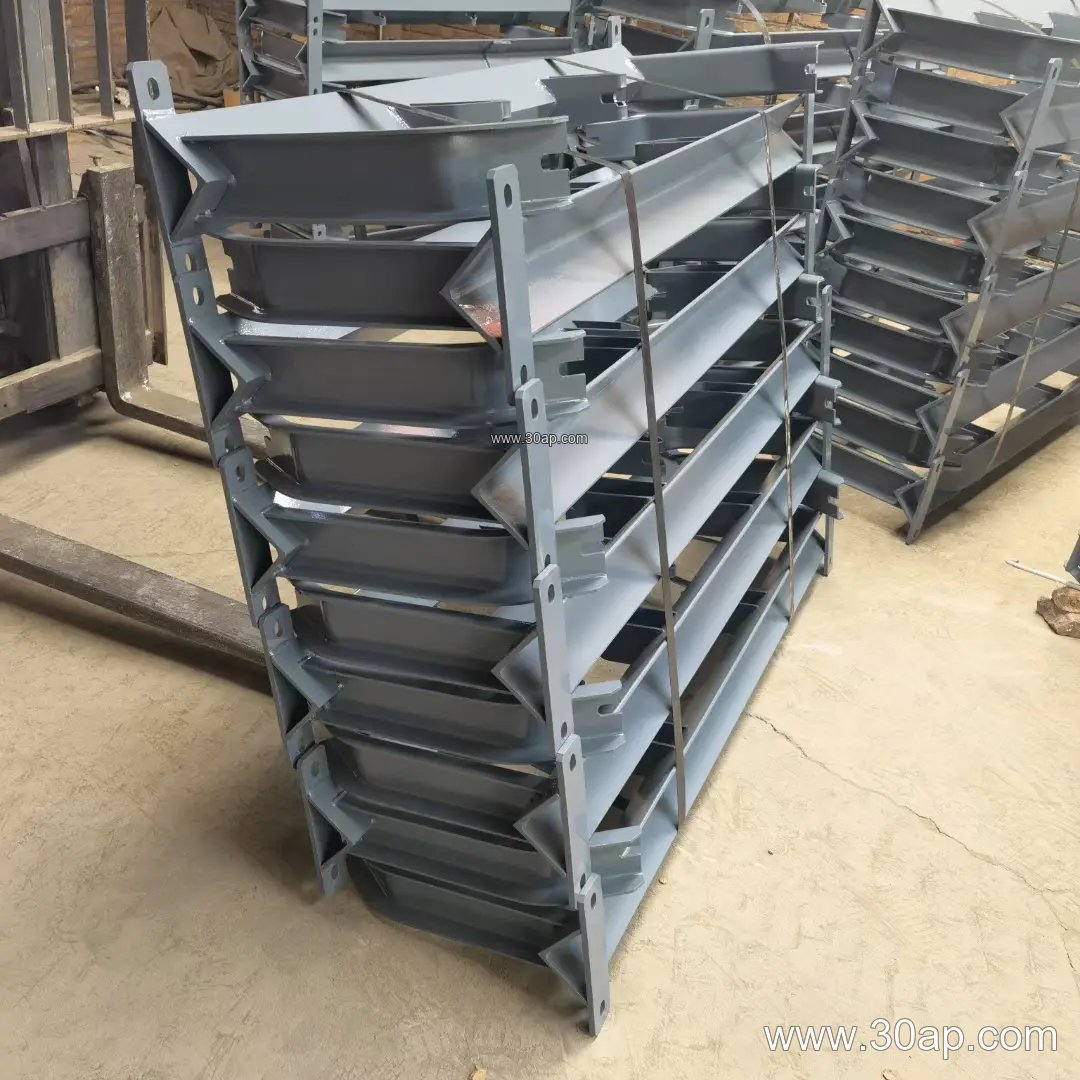
Construction and Mounting
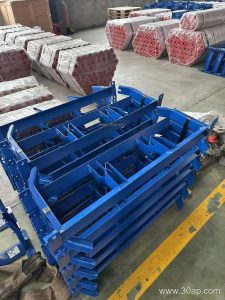
Most vertical idler brackets are fabricated from angle steel, channel steel, or folded steel plate. The bracket usually has a base plate or flange with slotted holes so the roller shaft can be positioned with some tolerance during installation. A vertical slot or upright plate allows the roller to sit at the designed height, while a locking bolt or clamp keeps the shaft from rotating or walking out of position.
Typical build details include:
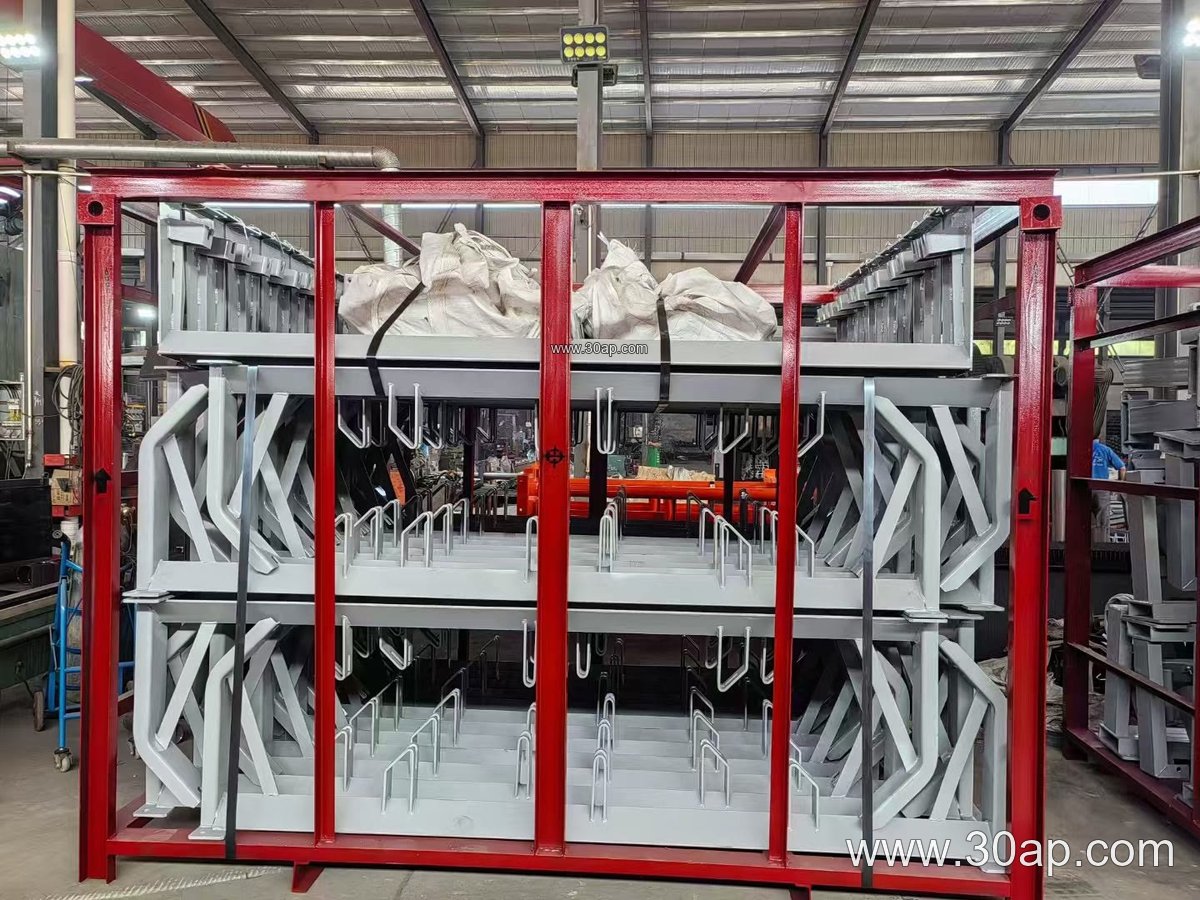
- Folded or welded steel body with a painted or galvanized finish
- Slotted mounting holes for alignment adjustment
- Shaft seat sized to the roller shaft, not to the belt width
- Reinforced gusset where the bracket meets the conveyor frame
The bracket is normally bolted to the conveyor stringer or cross beam. On a B800 conveyor with a 35 degree trough, for example, the bracket height and hole spacing are set by the frame design rather than by a single universal value. Installation hole spacing and beam length usually change with belt width and trough angle, so the bracket should be ordered against the actual frame drawing.
Where It Fits on the Conveyor
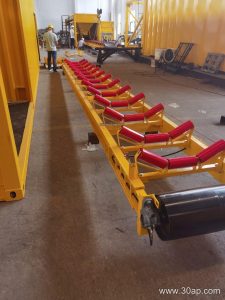
Vertical brackets are found in several positions. On the carrying side, they may support the end rollers of a troughing set or hold a transition idler near the feed point. On the return side, they can locate a flat return roller or a V-return roller. In a coal mining conveyor or an underground mining conveyor, the bracket must also cope with dust, moisture, and limited access for maintenance.
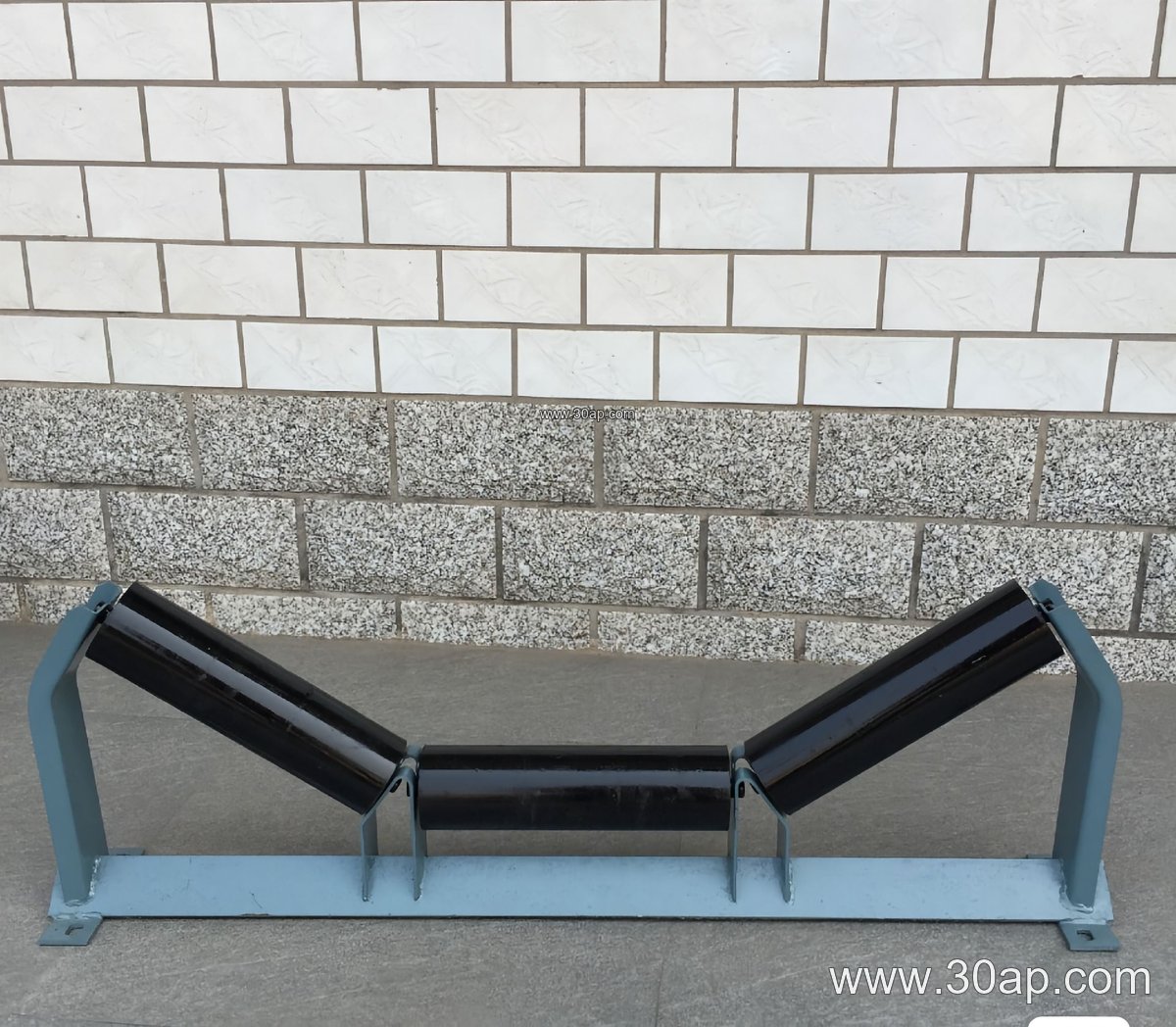
Other bracket types exist for different duties. A self-aligning bracket trains the belt, a buffer bracket absorbs impact at the loading point, and an adjustable bracket allows the trough angle to be changed. These are separate products and are not interchangeable with the vertical bracket, although they may sit on the same frame.
Matching Bracket, Roller and Belt
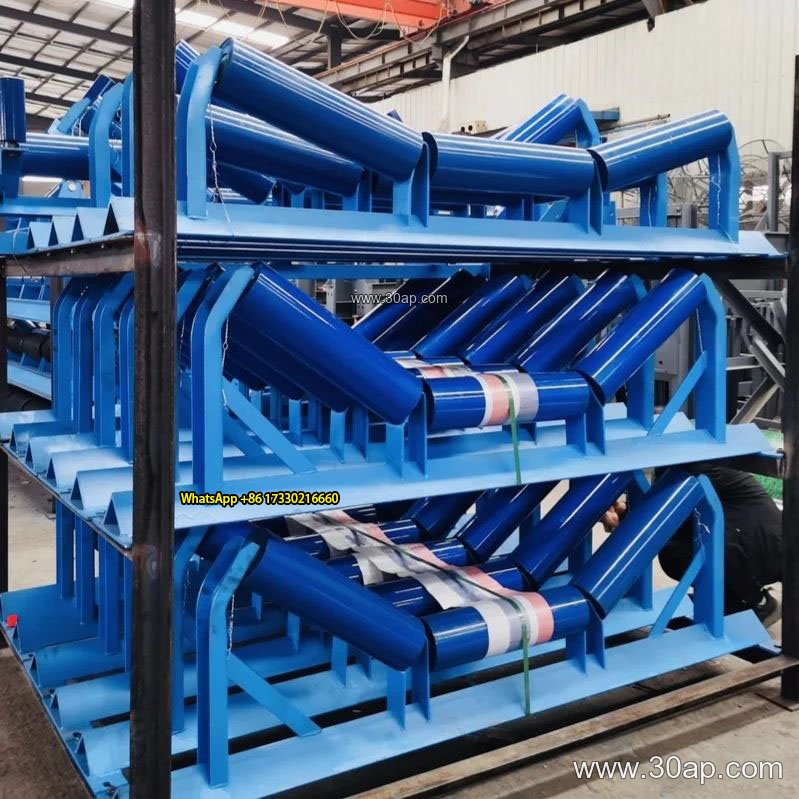
The bracket must match the roller shaft diameter and the frame, while the roller diameter and trough angle are chosen for the belt and the material. Common roller diameters include Ø89, Ø108, Ø133, Ø159, and Ø194. Common belt widths run from B500 through B2000 and beyond, and trough angles of 20, 30, 35, and 45 degrees are widely used. A combination such as B1000, 35 degrees, Ø133 is a normal design case, but no single belt width is tied to one roller diameter or one trough angle.
The belt itself influences the choice. A heavy-duty mining conveyor belt carrying iron ore or copper ore needs robust rollers and brackets, while a food grade conveyor belt or a pipe conveyor belt may call for a different frame layout. Heat resistant conveyor belt, flame retardant conveyor belt, and abrasion resistant conveyor belt grades are selected for the material being handled, and the bracket simply has to hold the roller firmly under that load.
Buyer Checklist
Before ordering, confirm the frame drawing, the roller shaft size, the mounting hole pattern, and the required surface finish. Ask whether the bracket is fixed or adjustable, and check that the supplied bracket matches the trough angle and belt width on the drawing. For a coal mining conveyor belt or an underground coal mining conveyor belt installation, confirm that the bracket material and coating suit the environment.
Inspect brackets during routine roller changes. A loose or bent vertical idler bracket can cause belt misalignment and premature roller failure, so replacing worn brackets together with the idler roller is often the most practical approach.