What the Ø159 Conveyor Idler Is
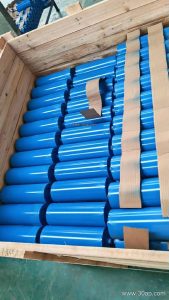
A Ø159 conveyor idler is a carrying or return roller with a 159 mm outside diameter shell, built to support a moving conveyor belt on a bulk handling line. The figure refers to the roller body diameter, not the shaft, bearing or bracket. In practice this size sits in the heavier half of the common idler range, above Ø127 and Ø133, and below Ø178 and Ø219. Buyers often call it a 159mm idler roller or simply a 159 dia. carrying roller, and those names describe the same product.
Because the shell is large, the roller turns more slowly for a given belt speed than a smaller diameter unit. That lower rotational speed can reduce wear on the bearing seals and cut the number of revolutions per shift, which matters on long conveyors that run continuously. The trade-off is a taller profile under the belt and a heavier roller to handle during installation.
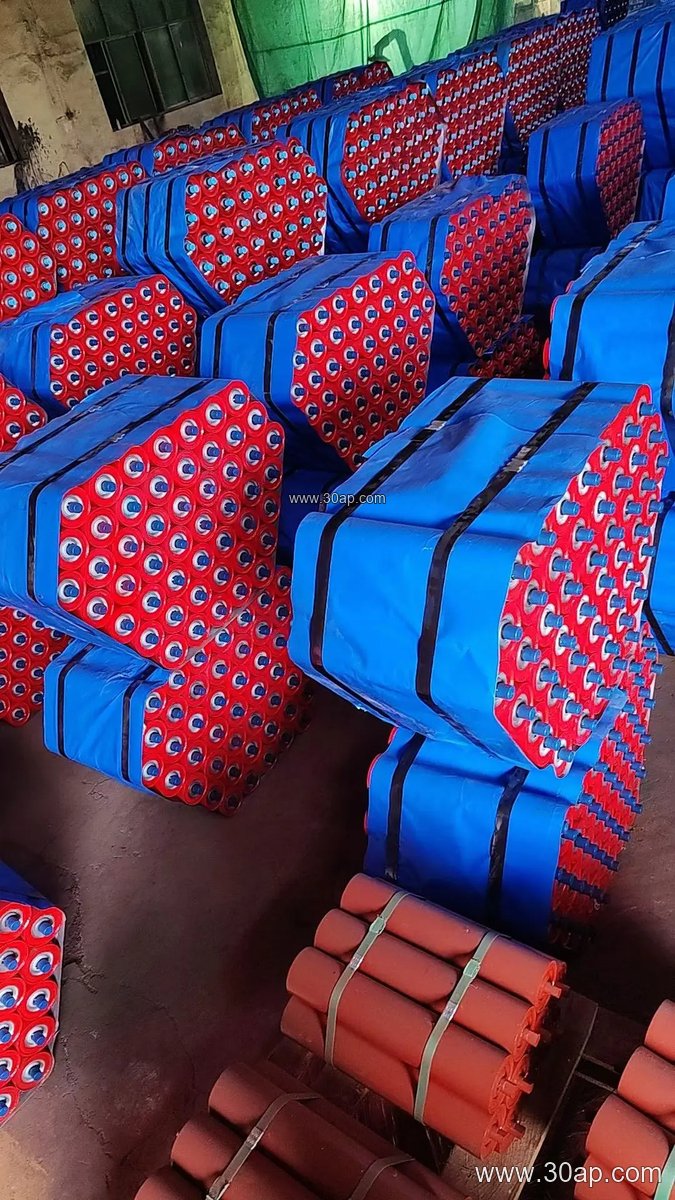
How the Roller Is Put Together
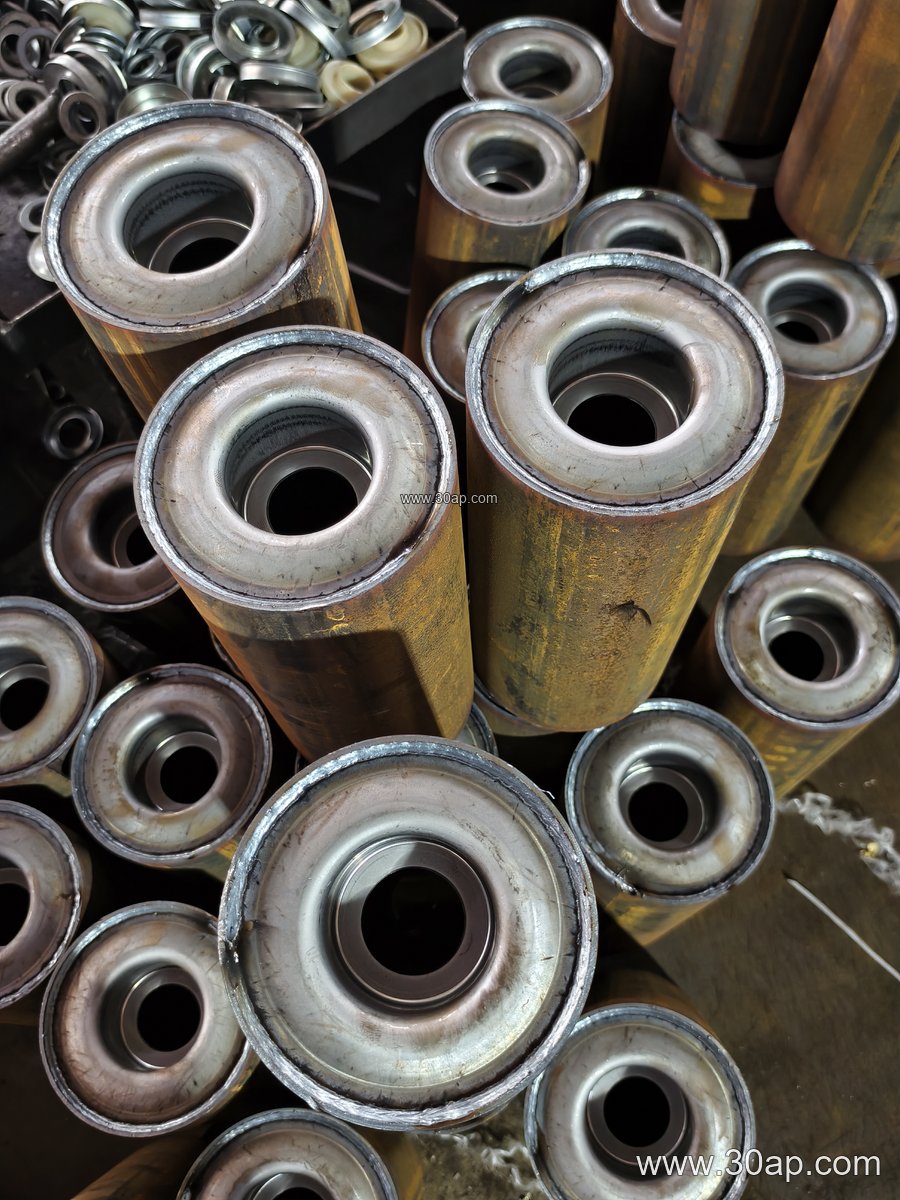
A typical unit combines a steel tube shell, a through shaft, two bearing housings, a sealing arrangement and end caps. Roller face options include plain steel, nylon, ceramic and rubber rings, depending on whether the aim is low friction, wear protection or impact absorption. Bearings in this size class are commonly 6308 or 6310, though the correct choice depends on load, speed and seal design rather than on diameter alone.
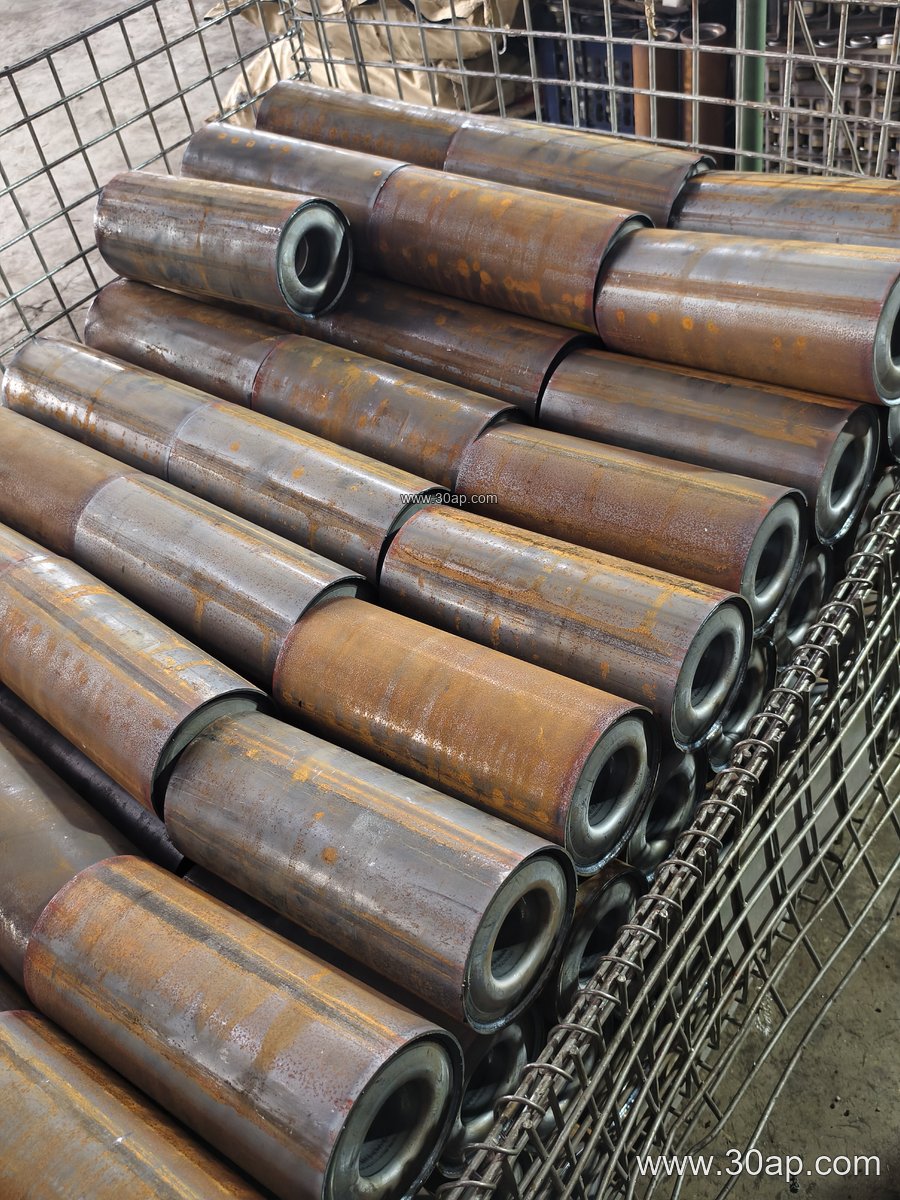
- Shell: welded steel tube, machined at the ends for bearing fit
- Shaft: through shaft with flattened ends for bracket location
- Sealing: labyrinth or contact seal, sometimes with additional grease retention
- Surface: steel, nylon, ceramic or rubber ring versions
The idler is fixed to the conveyor bracket or frame, and the belt rides on the shell. On a three-roll troughing set the centre roll and the two side rolls may differ in length, so a Ø159 troughing idler is normally specified as a complete set rather than as a single roller.
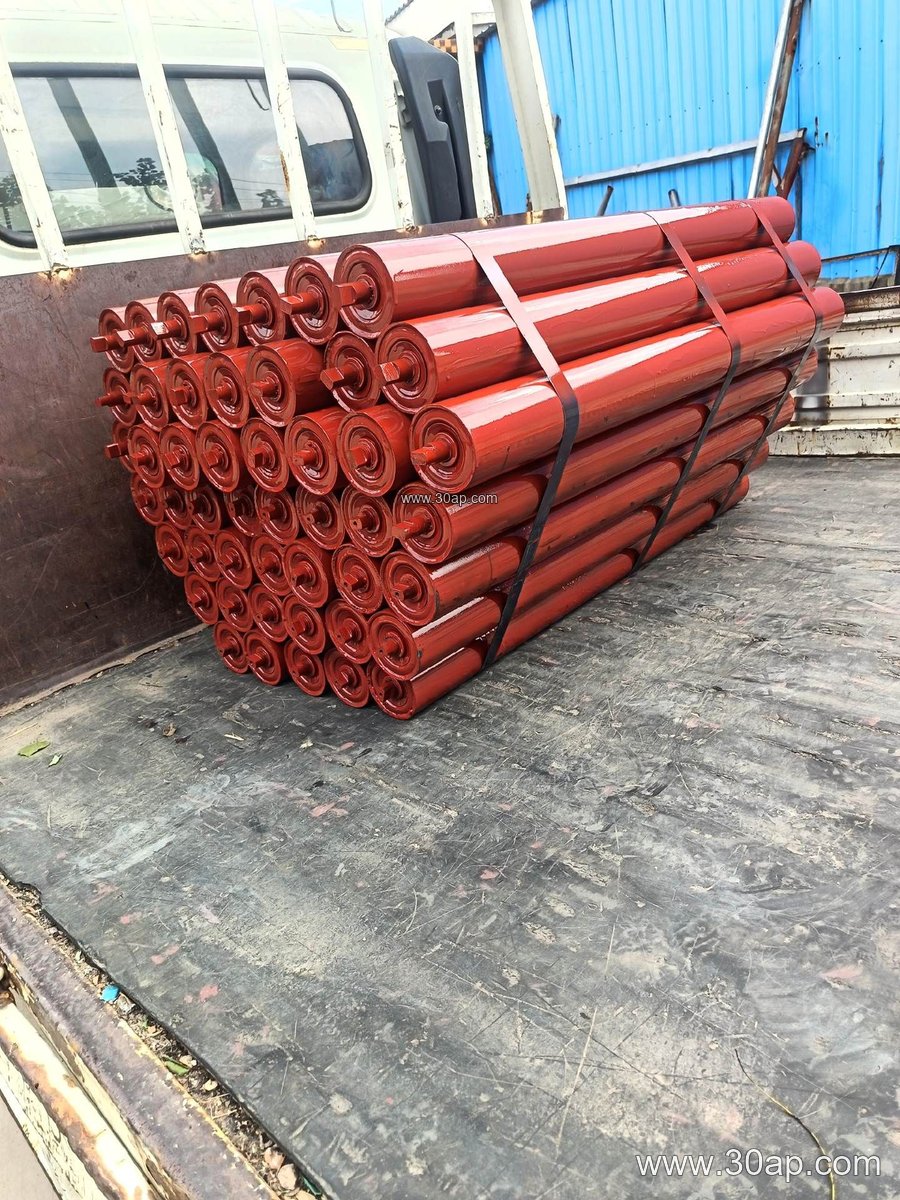
Where It Fits on a Conveyor
Troughing sets with this diameter are common on wide belts carrying dense, abrasive material. In a quarry or aggregate line, a three-roll 35 degree set on a B1200 or B1400 conveyor is a realistic arrangement, with roll lengths around 465 mm and 530 mm respectively in common examples. A 45 degree trough may be chosen where the material needs a deeper bed and less spillage.
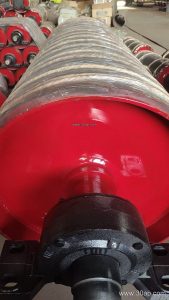
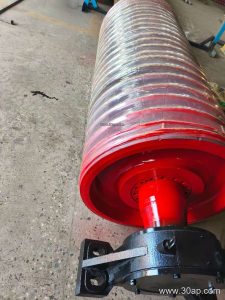
Return runs use flat or V-shaped return idlers in the same diameter, and impact zones under a crusher discharge may use rubber ring cushion idlers. On a coal handling plant or a cement plant conveyor, the same roller diameter can appear in both carrying and return positions, but the frame and bracket details will differ. Where belt training is a problem, a self-aligning idler in Ø159 may be added at intervals, and it is worth noting that a bend pulley or tail pulley performs a completely different job from a carrying roller and cannot be substituted for one.
Typical duty locations include:
- Primary crushing and screening stations in stone and ore plants
- Stockyard and ship loading conveyors at bulk terminals
- Coal preparation and power plant coal handling lines
Matching the Idler to the Belt
The idler diameter should be read together with belt width, belt tension, material weight and the trough angle. A wider, heavier belt generally calls for a larger roller, but there is no fixed rule that ties one belt width to one diameter. The table below gives common examples only; final values are set by the conveyor design.
| Belt width | Common troughing roll length | Typical trough angle |
|---|---|---|
| B800 | about 315 mm | 20 to 35 degrees |
| B1000 | about 380 mm | 30 to 35 degrees |
| B1200 | about 465 mm | 35 to 45 degrees |
| B1400 | about 530 mm | 35 to 45 degrees |
| B1600 | about 600 mm | 35 to 45 degrees |
Belt construction also affects the choice. A heavy-duty mining conveyor belt or a steel cord conveyor belt running at high tension puts more load on each roller, while an abrasion resistant conveyor belt carrying sharp rock calls for attention to shell wear. In dusty or wet conditions a flame retardant conveyor belt may be required underground, and the idler seals should suit the same environment.
What a Buyer Should Check
Ask for the shell wall thickness, shaft diameter, bearing number and seal type, because two rollers with the same 159 mm diameter can differ a lot in service life. Confirm the roll length for each position in the set, the bracket hole spacing, and whether the frame is fixed or suspended. Check that the roller is balanced for the intended belt speed and that the surface form suits the material. Spare parts should match the installed bracket, since a replacement roller that does not seat correctly will damage both belt and frame.
Finally, review maintenance access. Large diameter idlers are heavier, so plan lifting points and replacement intervals. A regular check of seal condition, roller rotation and frame alignment will usually reveal a failing unit before it damages the conveyor belt. For related components, see the roller and pulley ranges at beltconveyorparts.com and idler-roller.com.