What a High Strength Conveyor Belt Is
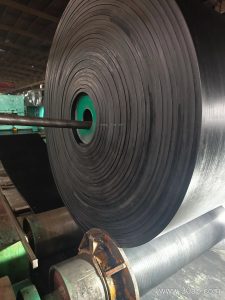
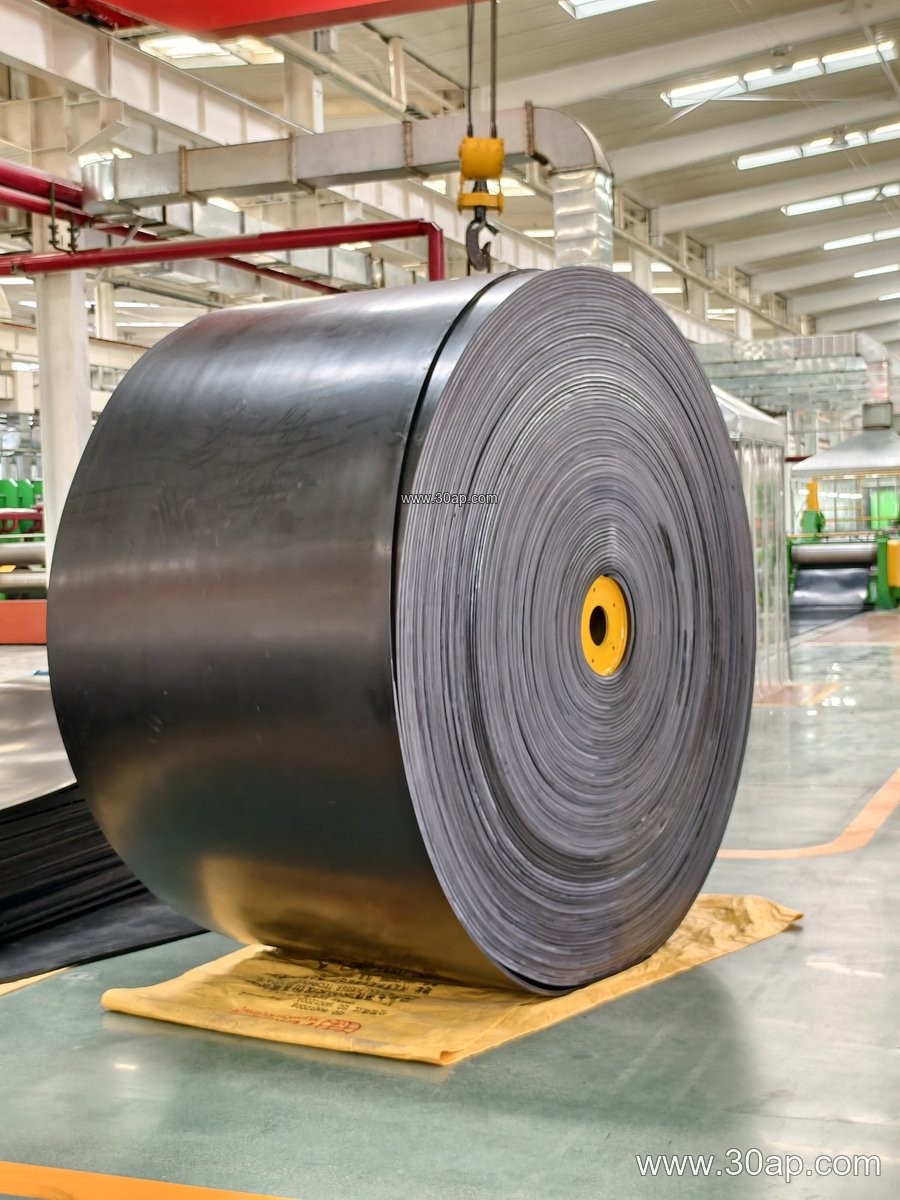
A high strength conveyor belt is a heavy-duty rubber belt built to carry large tonnages over long distances without excessive stretch or fatigue. The term usually refers to belts whose carcass can handle high working tension, such as EP (polyester-nylon) fabric belts and steel cord belts. In practice, a heavy-duty conveyor belt of this class is chosen when ordinary multi-ply construction would need too many plies or would sag and misalign under load.
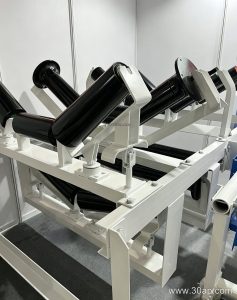
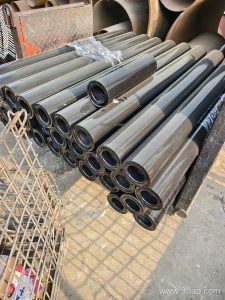
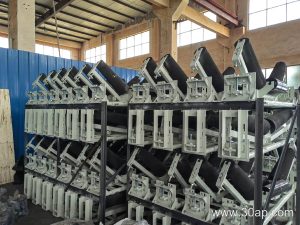
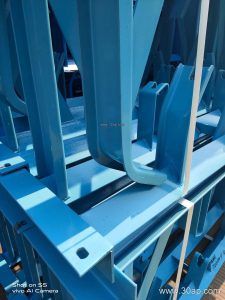
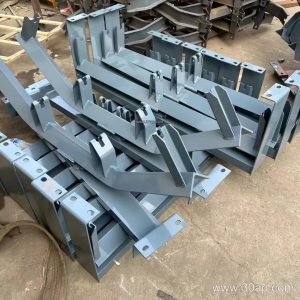
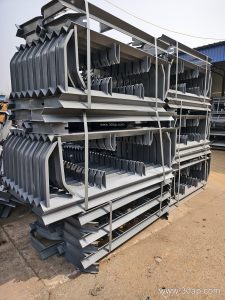
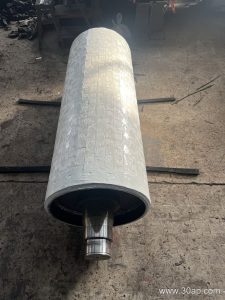
The belt is only one part of the system. Proper alignment depends on the conveyor pulley, idler roller and conveyor bracket working together, and the belt’s tensile rating should be matched to the whole conveyor design rather than to a single component.
How the Carcass Carries Load
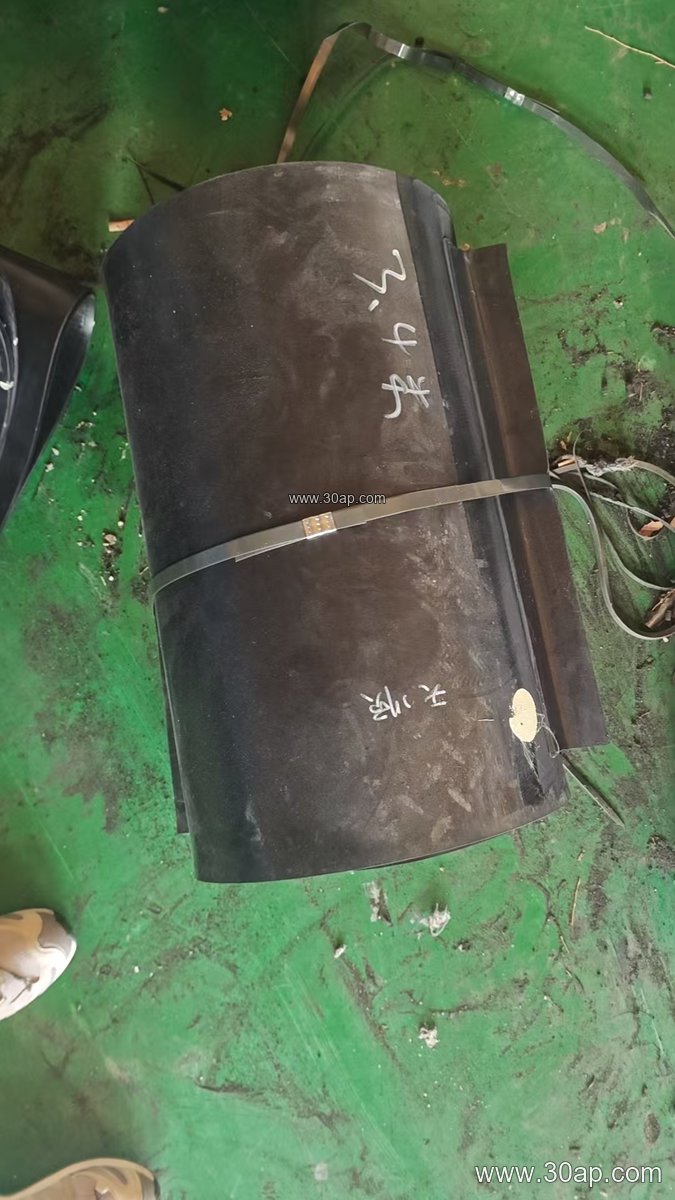
Strength comes mainly from the carcass. In an EP conveyor belt, polyester warp and nylon weft fabrics are bonded in layers within rubber. Steel cord conveyor belt uses parallel steel wires instead of fabric plies, giving very high tensile strength with low elongation. Both are common in mines, cement plants and bulk terminals where long flights and steep gradients occur.
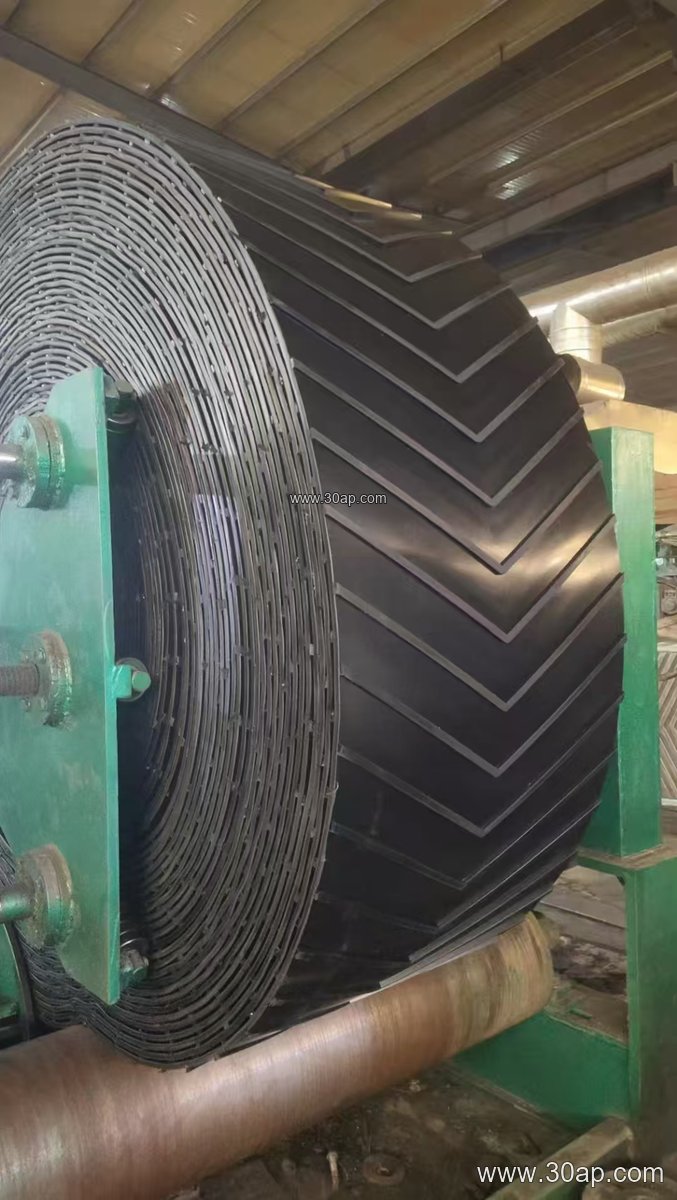
Cover rubber protects the carcass from abrasion, impact and moisture. A typical high strength rubber conveyor belt uses covers such as 5+2 mm or 6+2 mm, with 8+3 mm for very abrasive ore. Carcass plies commonly range from 2 to 6 layers in fabric belts. These figures are reference values; final thickness and ply count are determined by conveyor design.
Common Strength Grades and Widths
Fabric belts are often specified by nominal tensile grade. Steel cord belts use ST grades. The table below shows typical examples only.
| Product | Typical Grades | Common Widths |
|---|---|---|
| EP conveyor belt | EP200, EP400, EP630, EP800, EP1000, EP1250 | B650, B800, B1000, B1200, B1400 |
| NN conveyor belt | NN200, NN300, NN400 | B650, B800, B1000, B1200 |
| Steel cord belt | ST1000, ST1600, ST2000, ST2500 | B1000, B1200, B1400, B1600, B1800 |
Wider belts such as 1800 mm or 2000 mm appear in high-capacity ports and power plants. A 1200 mm wide or 1500 mm wide belt is common in quarry and aggregate duty. Do not assume that one belt width pairs with only one pulley diameter; pulley sizing follows shaft load, wrap angle and belt tension.
Where These Belts Are Used
High tension belts appear in underground coal mining, open-pit iron ore and copper ore operations, cement clinker lines, power plant coal yards and large sand and gravel plants. A mining conveyor belt may need flame retardant and anti-static properties underground, while a surface ore conveyor belt often prioritizes abrasion resistance. In a crusher conveyor belt circuit, impact resistance at the loading point matters as much as tensile grade.
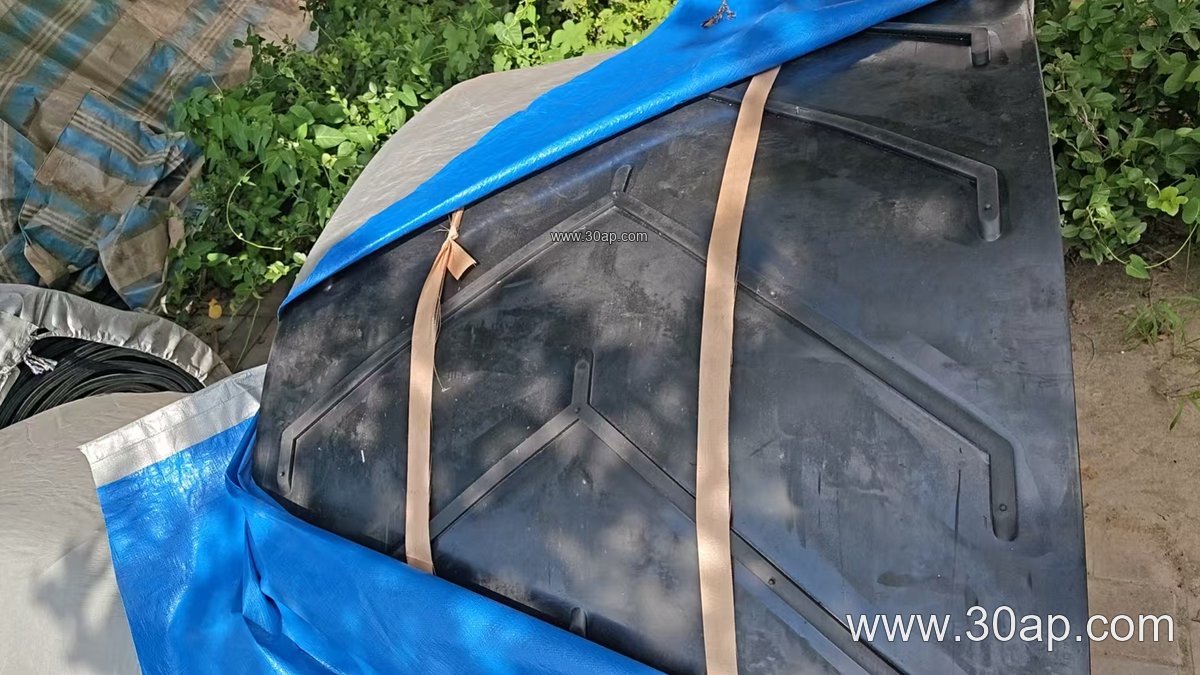
Other constructions solve specific problems. A chevron conveyor belt or corrugated sidewall belt handles steep inclines; a pipe conveyor belt encloses the material to reduce spillage. Heat resistant, oil resistant and cold resistant grades are selected according to the cargo and climate.
Buyer Checklist
- Confirm the required tensile grade from the conveyor’s calculated maximum tension, not from habit.
- State the material, lump size, temperature and whether the belt runs underground.
- Specify cover thickness and grade, for example abrasion resistant or flame retardant.
- Check pulley and idler roller compatibility, including transition distances and trough angle.
- Ask for the splice method, since a high strength belt needs a joint as strong as the carcass allows.
- Plan inspection of edges, covers and splices, because most failures begin at these points.
For matching components such as conveyor pulley, idler roller and conveyor bracket, keep the belt datasheet and the conveyor layout on the same page. A correctly rated high strength conveyor belt, installed with suitable pulleys and maintained regularly, gives long service in the toughest mining, cement and bulk handling environments.