What a Conveyor Bracket Does on a Belt Conveyor
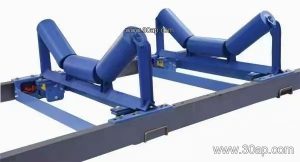
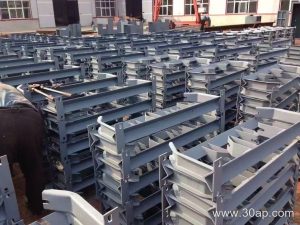
A conveyor bracket is the structural support that holds the idler roller in the correct position under or over the conveyor belt. It is a small component compared with the pulley or the belt itself, yet it sets the trough angle, keeps the roller spacing consistent, and carries the load transmitted from the belt to the conveyor frame. In a quarry, a coal handling plant, or a cement clinker line, a loose or misaligned bracket can cause belt tracking problems, edge damage, and uneven wear on the idler roller.
The bracket is usually bolted to the stringer or the cross member of the conveyor frame. Its mounting holes and beam length change with belt width and trough angle, so it is normally ordered against the conveyor design, not picked from a single universal size.
Construction and Common Forms
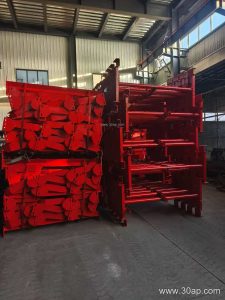
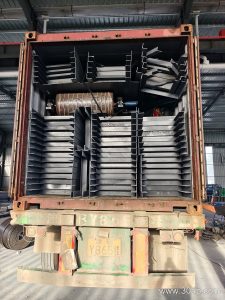
Most conveyor brackets are fabricated from angle steel, channel steel, or folded steel plate. The material and thickness follow the load and the environment; dusty, wet, or corrosive sites often call for galvanized or painted finishes.
Common configurations include:
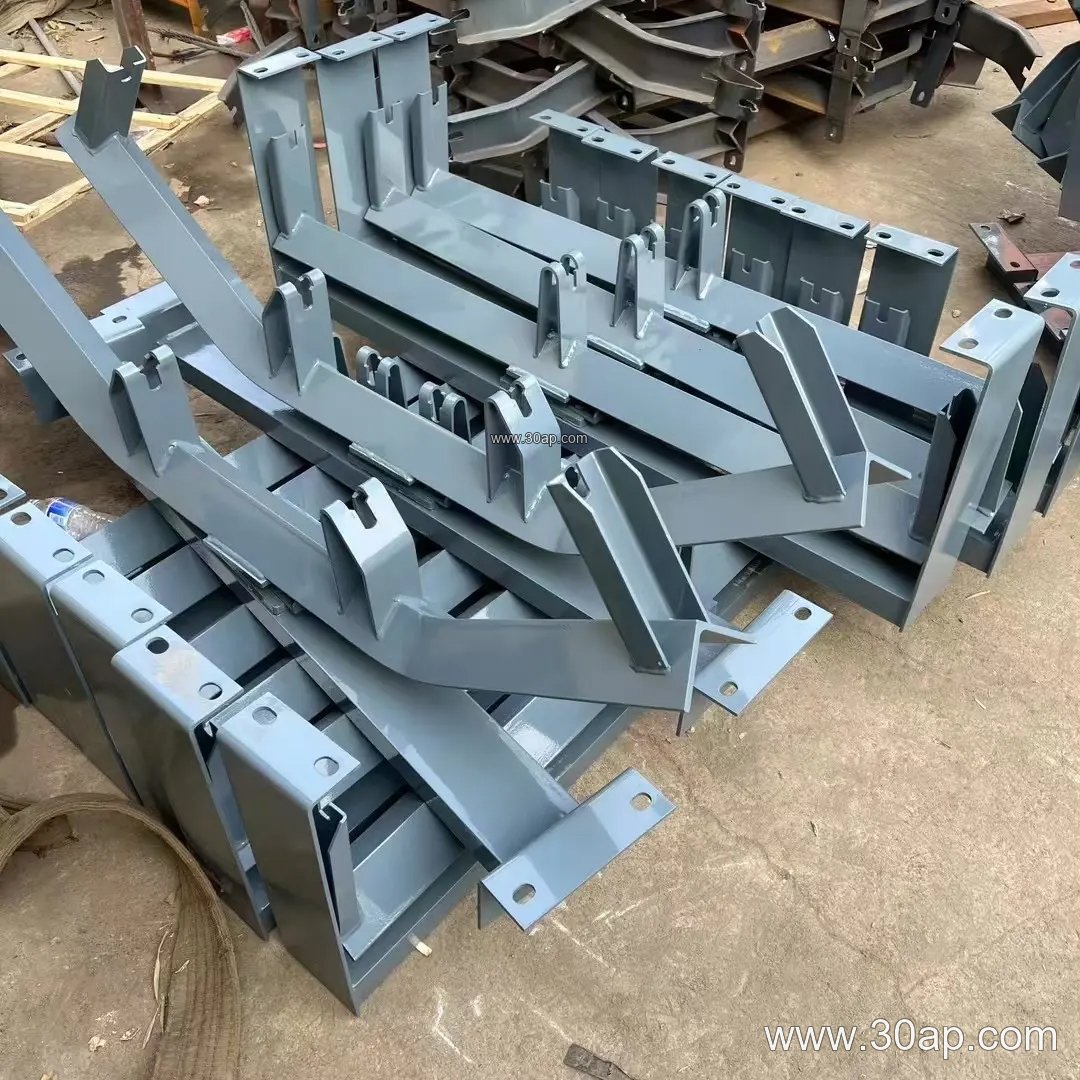
- Troughing bracket for the carrying side, setting the trough angle
- Return bracket or flat return bracket under the belt
- V-return bracket for better belt support on the return run
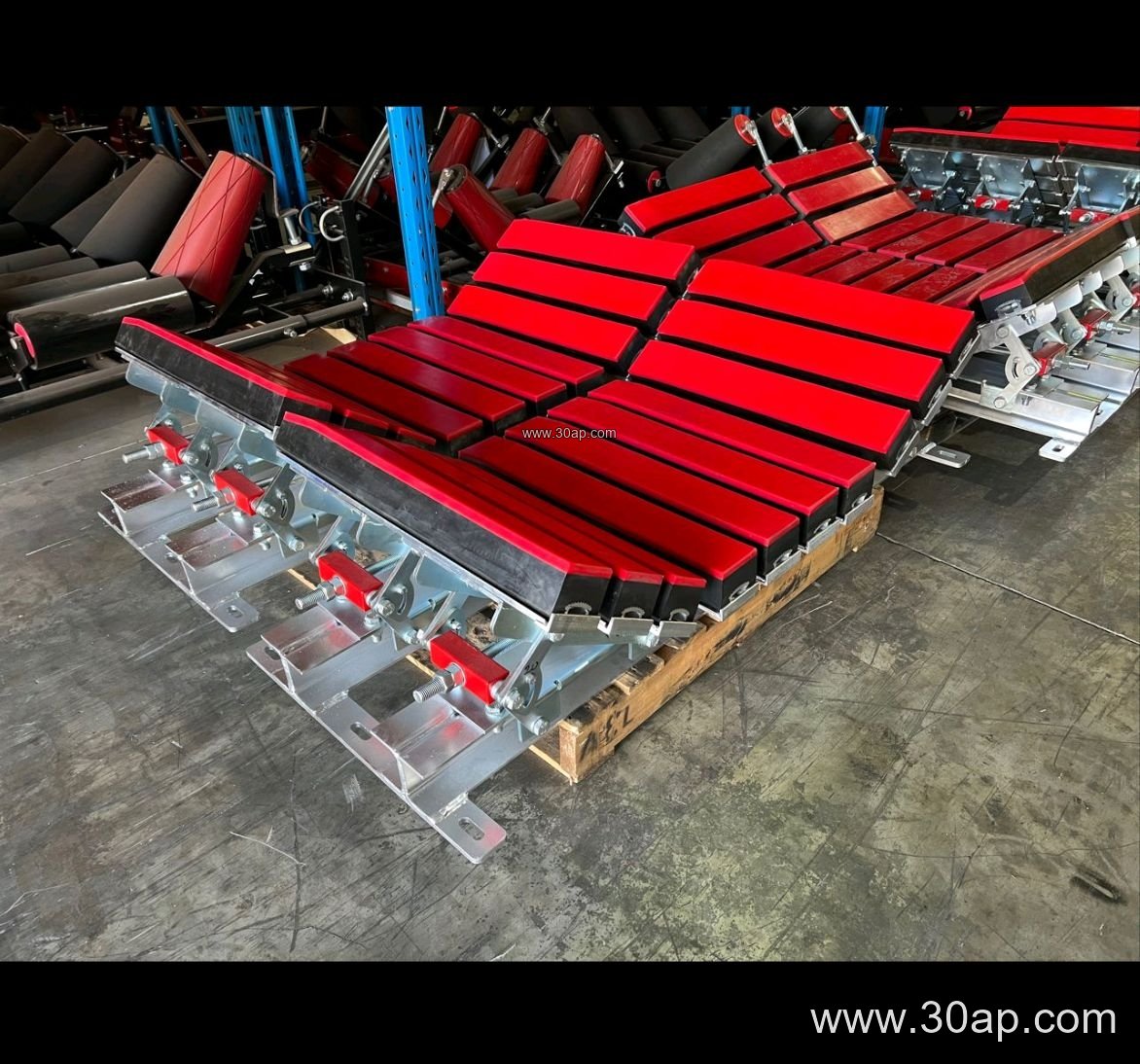
- Impact bracket at the loading point, used with impact rollers
- Self-aligning bracket for belt tracking correction
- Transition bracket near the head and tail pulleys
- Adjustable bracket, allowing the trough angle to be changed on site
An adjustable bracket can usually be set between 20, 30, 35, and 45 degrees. Forward-leaning brackets are often set at about 1.5 to 2 degrees to help centering. These values are typical references, not fixed rules for every conveyor.
Matching Bracket, Belt Width, and Roller Diameter
Belt width and roller diameter are related through the bracket geometry, but the relationship is not one-to-one. A B800 conveyor may run with a 35 degree trough and Ø108 rollers in one plant and a different combination in another, depending on capacity, material lump size, and belt speed. The table below lists reference combinations that appear in general design work.
| Belt Width | Trough Angle | Roller Diameter | Typical Bracket Use |
|---|---|---|---|
| B500 | 20–30 degrees | Ø89 | Light-duty transport, small aggregate lines |
| B650 | 30 degrees | Ø89 / Ø108 | Sand and gravel, mixing plants |
| B800 | 35 degrees | Ø108 | Quarry and crushing circuits |
| B1000 | 35–45 degrees | Ø108 / Ø133 | Cement, coal, power plant coal handling |
| B1200 | 35–45 degrees | Ø133 | Iron ore, heavy bulk material |
| B1400 | 35–45 degrees | Ø133 / Ø159 | Port loading, large tonnage lines |
| B1600 | 35–45 degrees | Ø159 | Mining and sinter plants |
| B1800–B2000 | 35–45 degrees | Ø159 / Ø194 | High-capacity bulk terminals |
Do not assume a single shaft diameter from belt width alone. The shaft size depends on the roller series, the load rating, and the bracket design, and should be confirmed with the conveyor drawing.
Where These Brackets Are Used
In a limestone quarry or a stone crushing line, troughing brackets carry the belt through the primary and secondary crushing stages, while impact brackets protect the belt at the transfer chute. In a coal washing plant or a power station coal yard, brackets work with flame retardant and anti-static belting, and the return brackets help keep the belt aligned on long inclined runs.
In cement plants, heat resistant and abrasion resistant belts run over brackets near the kiln and clinker cooler. In a port or a bulk terminal, wide belts such as a 1500mm or 1800mm belt need heavy support brackets and larger rollers to handle high tonnage. The same principle applies in fertilizer, grain silo, and tunnel muck removal systems, where dust and moisture affect the choice of finish.
What Buyers Should Check Before Ordering
- Belt width and trough angle: state both, since the bracket frame is built around them.
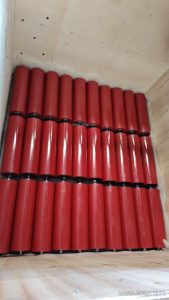
- Roller diameter and shaft end: confirm the idler roller series and the fixing method.
- Mounting hole spacing: match the existing stringer holes or provide a drawing.
- Load and environment: impact zones, corrosive areas, and outdoor installations may need a heavier or coated bracket.
- Alignment and adjustment: self-aligning or adjustable brackets help where belt tracking is difficult to control.
- Spare parts consistency: keep one bracket standard across a conveyor line to simplify maintenance.
For belt selection around the same system, products such as EP conveyor belt, steel cord conveyor belt, chevron conveyor belt, and corrugated sidewall conveyor belt each place different demands on the support structure, so bracket choice should follow the belt type and the conveyor layout, not the other way round.
Related conveyor components such as conveyor pulley, idler roller, and conveyor belt should be reviewed together with the bracket during design and replacement. More reference information is available at conveyor bracket and conveyor pulley.