What a Fixed Conveyor Bracket Does on a Belt Conveyor
A fixed conveyor bracket is the stationary support that holds idler rollers at a set position and angle along a conveyor frame. Unlike adjustable brackets, which let maintenance crews change trough angles to suit different loads, a fixed bracket locks the idler into one geometry for the life of the installation. That makes it a simple, stiff, and predictable component, well suited to lines where the material profile rarely changes. Whether the conveyor is moving limestone through a quarry, coal through a power plant, or clinker at a cement plant, the fixed bracket keeps the belt profile stable.
How the Bracket Is Built
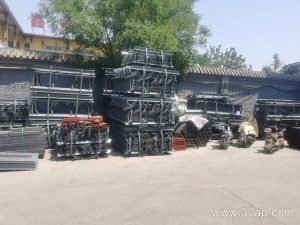
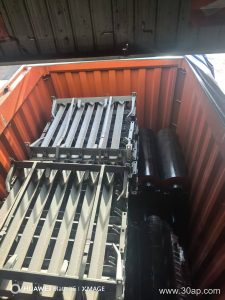
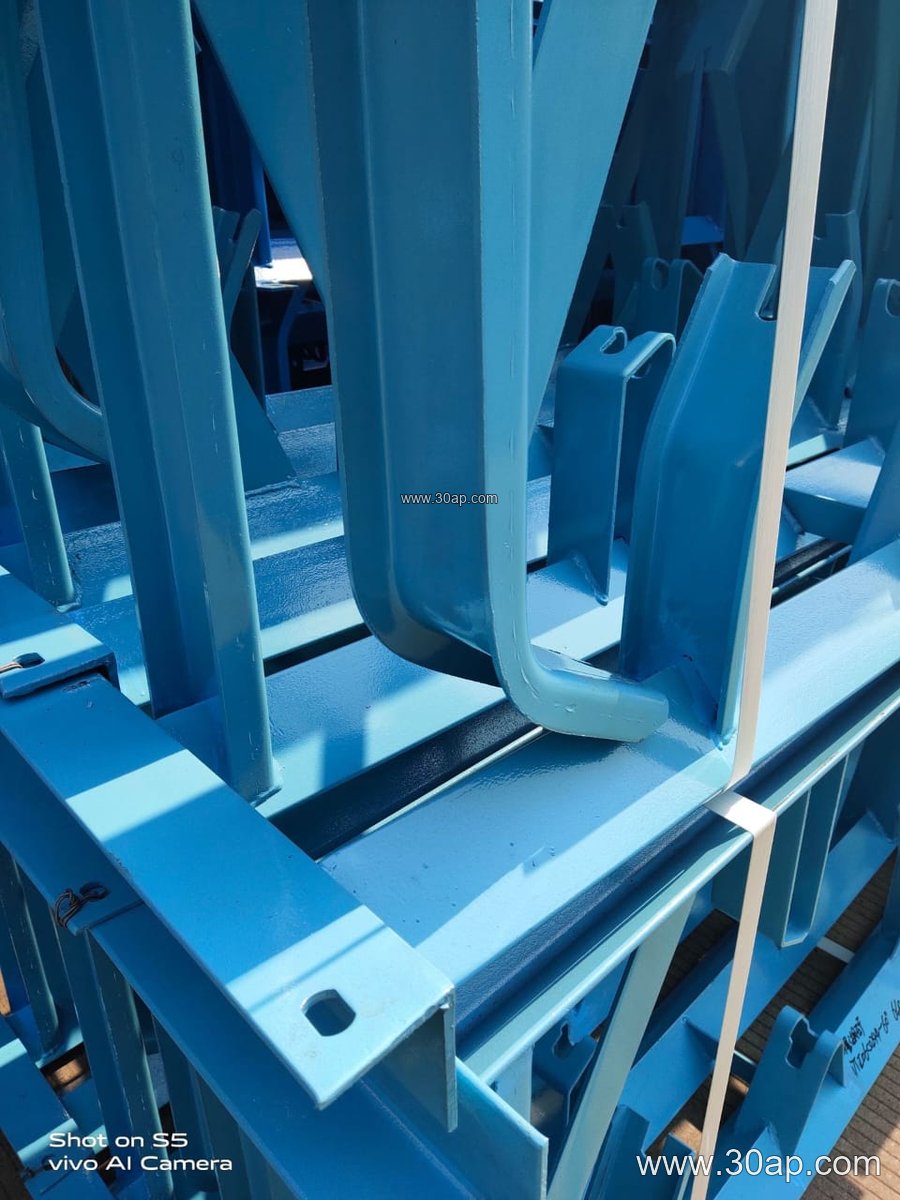
Most fixed brackets are fabricated rather than cast. Common materials are angle steel, channel steel, and folded steel plate, cut and welded into a frame that bolts onto the conveyor stringer. The bracket carries the mounting points for the idler roller, and its geometry determines the trough angle and the spacing between roller sets. Welds and bolt holes are the critical areas; a poorly aligned bracket will force the idler shaft out of square and cause belt tracking issues.
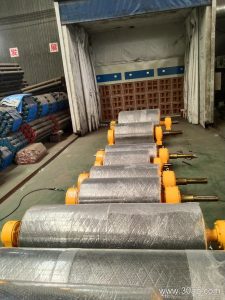
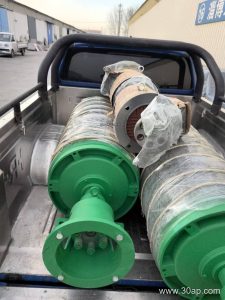
Typical configurations include trough brackets that hold three rollers in a trough shape, return brackets that support the belt on its way back, and impact brackets placed under loading points. V-shaped return brackets and self-aligning designs are also common. Each has its own place, and none of them should be confused with the drive pulley or tail pulley, which are separate rotating components at the ends of the conveyor.
Typical Dimensions and Configurations
Bracket size is tied to belt width, trough angle, and roller diameter. The table below lists common reference values; actual mounting hole spacing and crossbeam length are determined by design, not by a single fixed number.
| Parameter | Common Reference Values |
|---|---|
| Belt width | B500, B650, B800, B1000, B1200, B1400, B1600, B1800, B2000, B2200 |
| Trough angle | 20°, 30°, 35°, 45° |
| Roller diameter | Ø89, Ø108, Ø133, Ø159, Ø194 |
| Material | Angle steel, channel steel, folded steel plate |
For example, a B800 line running a 35° trough with Ø108 idlers is a common combination, while a B1200 line at 45° might use Ø133 rollers. A B650 line with a 30° trough and Ø89 rollers is also typical. These are illustrations, not rules; a given belt width can be paired with more than one trough angle or roller diameter depending on the duty.
Where Fixed Brackets Fit Best
Fixed brackets are suited to steady-duty lines where the belt profile does not need to change. In a limestone quarry or a sand and gravel plant, for instance, the material load is fairly consistent, so a fixed trough bracket keeps the belt supported without adjustment. In a coal handling system at a power plant, fixed brackets are often used on the long straight runs, while adjustable brackets may be reserved for transition zones near loading points.
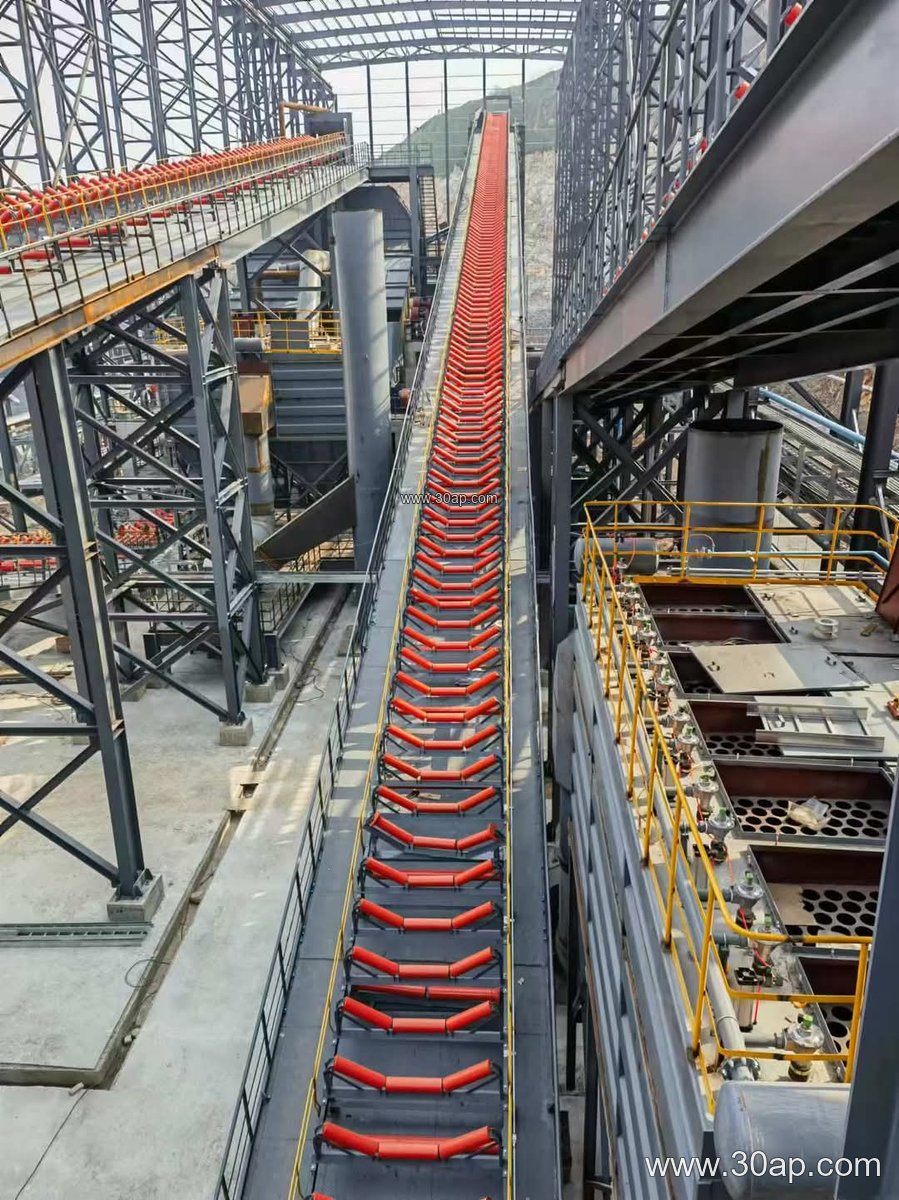
The bracket also works together with the belt itself. A heavy-duty mining conveyor belt running over a well-aligned fixed bracket will track more reliably, and an abrasion resistant conveyor belt on a sharp stone line benefits from stable roller spacing that reduces belt flutter. On lines carrying hot material, a heat resistant conveyor belt still needs a bracket that holds the idlers square, since misalignment accelerates edge wear.
Fixed vs Adjustable Brackets
The adjustable bracket is the main alternative, and the two are not interchangeable. An adjustable bracket allows the trough angle to be changed, usually to improve material containment when the belt is only partly loaded. A fixed bracket cannot do this, but it is stiffer and simpler, with no sliding parts to loosen. Many plants use fixed brackets on the main runs and adjustable ones only where the load profile genuinely varies.
What Buyers Should Check
- Confirm the belt width and the required trough angle before ordering, since the bracket geometry follows both.
- Match the bracket to the idler roller diameter; a bracket drilled for Ø89 will not accept a Ø159 roller.
- Check that the mounting hole spacing matches the existing stringer or frame.
- Ask about the steel grade and finish, especially in wet or corrosive service.
- Verify that the bracket design leaves clearance for belt splicing and for the conveyor pulley at transition points.
Because fixed brackets are simple, they are often the cheapest part of a conveyor to replace, but a wrong bracket can cost far more in belt damage and downtime. Buyers should share the belt width, trough angle, roller diameter, and frame dimensions with the supplier, and confirm that the bracket is designed for the actual duty, whether that is an iron ore line, a stone crushing plant, or a port loading system.